13 Alarming Signs of Chronic Kidney Disease (Are You at Risk?)
When to See a Doctor
If you experience any of the 13 alarming signs mentioned in this article—especially if they are persistent—you should see a doctor immediately. Do not attempt to self-diagnose or treat kidney disease with home remedies, as this can lead to irreversible damage.
Frequently Asked Questions
What is the most common early sign of kidney disease?
The most common early sign is often a change in urination habits—specifically, foamy urine or waking up multiple times at night to urinate (nocturia). However, because the kidneys have such a large reserve, many people have no symptoms until the disease is advanced.
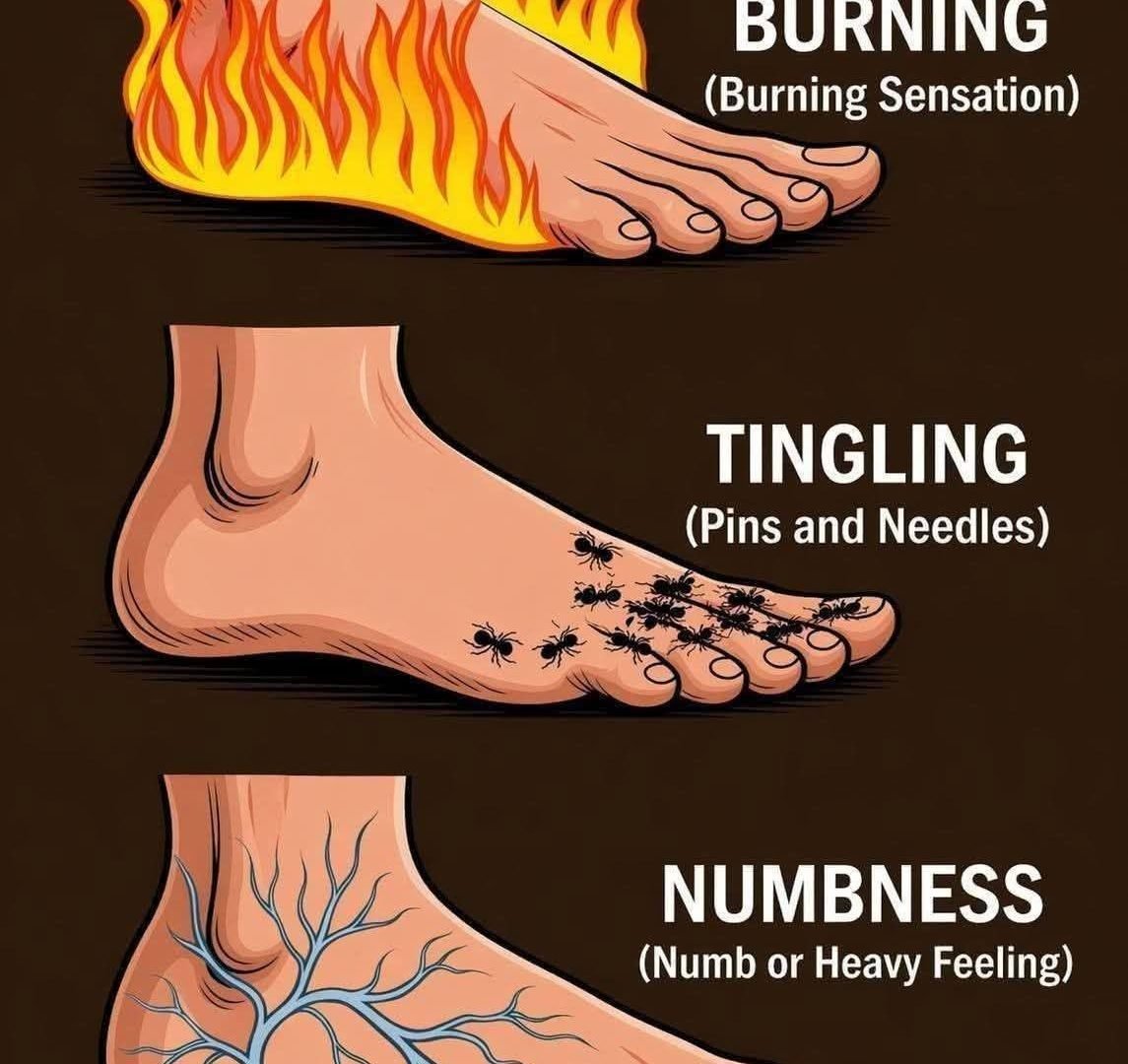
Can kidney disease cause itching and tingling?
Yes. Uremic pruritus (severe itching) and peripheral neuropathy (tingling, numbness, and a crawling sensation, often in the feet) are very common symptoms of advanced kidney disease. They are caused by the buildup of toxins and the imbalance of electrolytes in the blood.
Can kidney disease be reversed?
Acute kidney injury (sudden failure) can often be reversed if treated quickly. Chronic kidney disease (gradual failure) is generally permanent and progressive. The goal of treatment is to slow the progression and prevent end-stage renal disease.
How often should I get my kidneys checked?
If you are healthy with no risk factors, a routine check once a year is sufficient. If you have diabetes, high blood pressure, or a family history of kidney disease, you should be tested at least once a year, or as directed by your doctor.
Is drinking a lot of water good for the kidneys?
Proper hydration is essential for kidney health, as it helps clear sodium and toxins. However, drinking excessive amounts of water (overhydration) can cause electrolyte imbalances in extreme cases. The recommended 8 to 10 glasses a day is generally sufficient.
What foods are bad for the kidneys?
Foods high in sodium (processed foods, fast food), high in phosphorus (sodas, dairy), and high in potassium (bananas, potatoes) can be problematic for people with advanced kidney disease. For healthy individuals, these foods are fine in moderation.
What is an eGFR and what is a normal level?
The estimated Glomerular Filtration Rate (eGFR) measures how well your kidneys filter waste. A normal eGFR is generally 90 or higher. An eGFR below 60 for three months or more indicates chronic kidney disease.
Can kidney disease cause bad breath?
Yes. The buildup of urea in the blood can be broken down into ammonia in the saliva, causing a metallic taste in the mouth and an ammonia-like odor on the breath. This is known as uremic fetor.