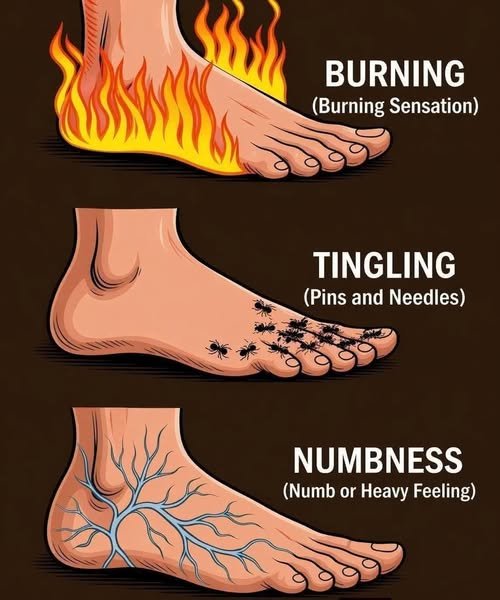
Burning, Tingling, or Numbness in Your Feet? What These Sensations Could Mean
These sensations are not just passing annoyances. They are signals from your nervous system that something may be affecting the nerves or circulation in your feet. Understanding what each sensation could indicate is the first step toward addressing the underlying cause.
Understanding the Nervous System and Your Feet
Your feet are among the most nerve-rich areas of your body. They contain thousands of nerve endings that communicate constantly with your brain, providing information about touch, temperature, pressure, and pain. When these nerves are damaged or compressed, the signals they send can become distorted, resulting in sensations like burning, tingling, or numbness.
The peripheral nervous system—the network of nerves outside the brain and spinal cord—is particularly vulnerable to damage from a variety of causes, including diabetes, nutritional deficiencies, and physical injury. Because the feet are the farthest point from the heart and spine, they are often the first areas to show signs of nerve problems.
1. Burning Sensation
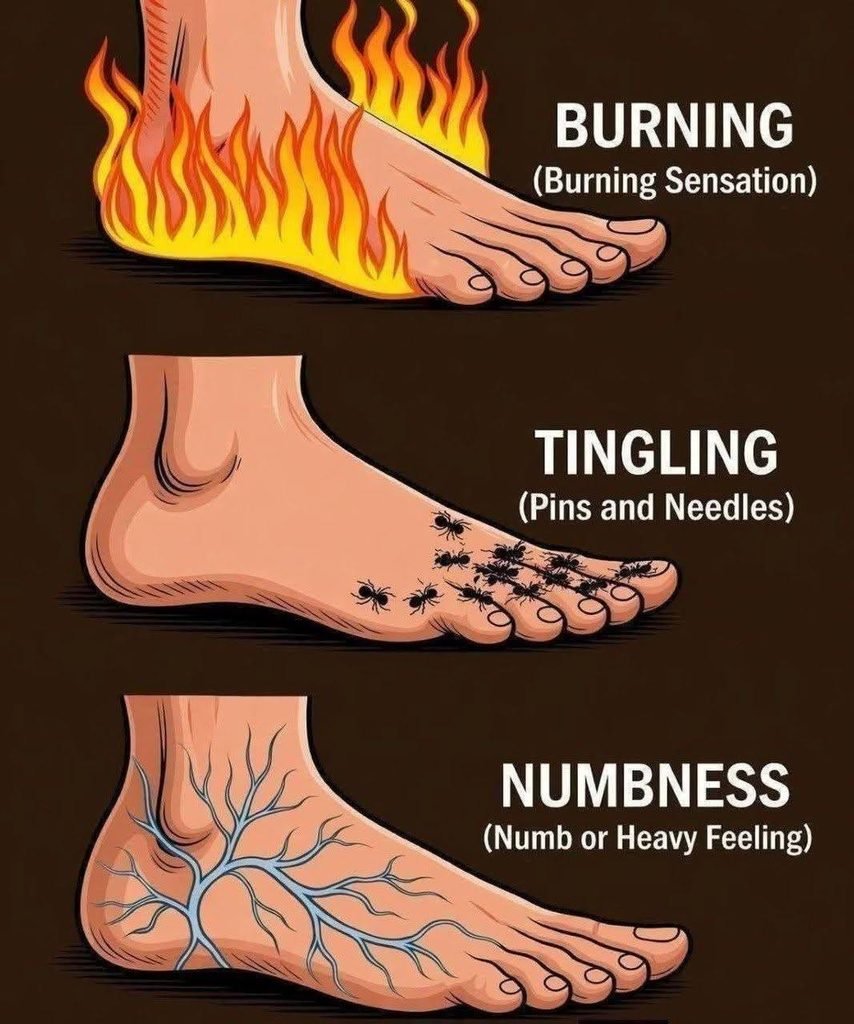
A burning sensation in the feet is often described as a hot, painful feeling that can range from mild to severe. It may be more noticeable at night, when distractions are fewer and the sensation becomes more prominent.
Common Causes of Burning Feet
Peripheral Neuropathy: This is one of the most frequent causes of burning feet. It occurs when the peripheral nerves—those outside the brain and spinal cord—are damaged. Diabetes is a leading cause of peripheral neuropathy, affecting millions of people worldwide.
Vitamin Deficiencies: Low levels of vitamin B12, folate, or other B vitamins can affect nerve health and lead to burning sensations.
Alcohol Use: Chronic alcohol consumption can damage nerves and lead to burning sensations in the feet and hands.
Kidney Disease: When the kidneys are not functioning properly, toxins can build up in the body and affect the nerves.
Hypothyroidism: An underactive thyroid can cause nerve damage and burning sensations.
When to Seek Help for Burning Feet
If you experience persistent burning in your feet, it is important to consult a healthcare professional. They can perform blood tests to check for diabetes, vitamin deficiencies, and thyroid issues, and recommend appropriate treatment.
2. Tingling (Pins and Needles)
Tingling in the feet, often described as a “pins and needles” sensation, is a common complaint. It can be temporary, such as when you sit on your foot for too long, or it can be a sign of an ongoing issue.
Common Causes of Tingling Feet
Nerve Compression: Conditions like sciatica or tarsal tunnel syndrome can compress nerves and cause tingling in the feet.
Diabetes: High blood sugar can damage nerves over time, leading to tingling in the extremities. This is known as diabetic neuropathy.
Poor Circulation: Reduced blood flow to the feet can cause tingling. This can be due to peripheral artery disease (PAD) or other circulatory conditions.
Multiple Sclerosis (MS): In some cases, tingling in the feet can be an early sign of MS, a disease that affects the central nervous system.
Medications: Some medications, including certain chemotherapy drugs and antibiotics, can cause nerve damage and tingling as a side effect.
When to Seek Help for Tingling Feet
If tingling is persistent, worsening, or accompanied by other symptoms such as weakness or pain, it is important to see a doctor. They can perform a neurological exam and order tests to determine the cause.
3. Numbness
Numbness in the feet is a loss of sensation. You may feel like your foot is “asleep” or that you are wearing a thick sock when you are not. Numbness can be dangerous because it reduces your ability to feel pain, heat, or cold, increasing the risk of injury.
Common Causes of Numbness in the Feet
Peripheral Neuropathy: As with burning and tingling, neuropathy is a leading cause of numbness.
Spinal Issues: A herniated disc or spinal stenosis can press on nerves that supply the feet, leading to numbness.
Diabetes: Diabetic neuropathy often starts with numbness in the toes and feet.
Vitamin B12 Deficiency: This can cause nerve damage that leads to numbness.
Tarsal Tunnel Syndrome: Compression of the tibial nerve in the ankle can cause numbness in the foot.
When to Seek Help for Numbness
Numbness in the feet should never be ignored. If you have persistent numbness, especially if it is accompanied by weakness or difficulty walking, consult a healthcare professional promptly.
When to See a Doctor
While occasional tingling or numbness may not be a cause for concern, you should consult a healthcare professional if:
The sensations are persistent or worsening.
You have difficulty walking or balancing.
You notice weakness in your feet or legs.
You have an underlying condition like diabetes.
The sensations are accompanied by pain, swelling, or discoloration.
A doctor can perform a neurological exam, blood tests, and other evaluations to determine the cause and recommend appropriate treatment.
Tips for Managing Foot Sensations
If you are experiencing these sensations, there are several steps you can take to manage them:
Maintain Healthy Blood Sugar Levels: If you have diabetes, keeping your blood sugar under control is essential for preventing nerve damage.
Stay Active: Regular exercise improves circulation and can help reduce symptoms.
Eat a Balanced Diet: Ensure you are getting enough B vitamins, especially B12.
Avoid Alcohol and Smoking: Both can worsen nerve damage and circulation problems.
Wear Comfortable Shoes: Proper footwear can reduce pressure on the feet and improve comfort.
Practice Good Foot Care: Inspect your feet regularly for cuts, blisters, or other injuries, especially if you have numbness.
Conclusion
Burning, tingling, and numbness in the feet are common sensations that can have a variety of causes, ranging from temporary nerve compression to more serious underlying conditions. Paying attention to these signals and seeking timely medical advice can help prevent complications and improve your quality of life.