Stroke Warning Signs You Should Never Ignore—and Why Timing Matters
Every year, nearly 800,000 people in the United States experience a stroke, making it a leading cause of death and disability worldwide. For many, the onset is terrifyingly sudden—a moment of clarity followed by a catastrophic loss of function. Yet, beneath this abrupt appearance often lies a quieter, more subtle story. The viral social media warnings that claim your body gives you a clear, month-long notice before a stroke are compelling, but they risk oversimplifying a complex medical reality. While it is true that some people experience warning signs in the days or weeks preceding a major event, there is no single, reliable set of symptoms that predicts a stroke exactly one month in advance.
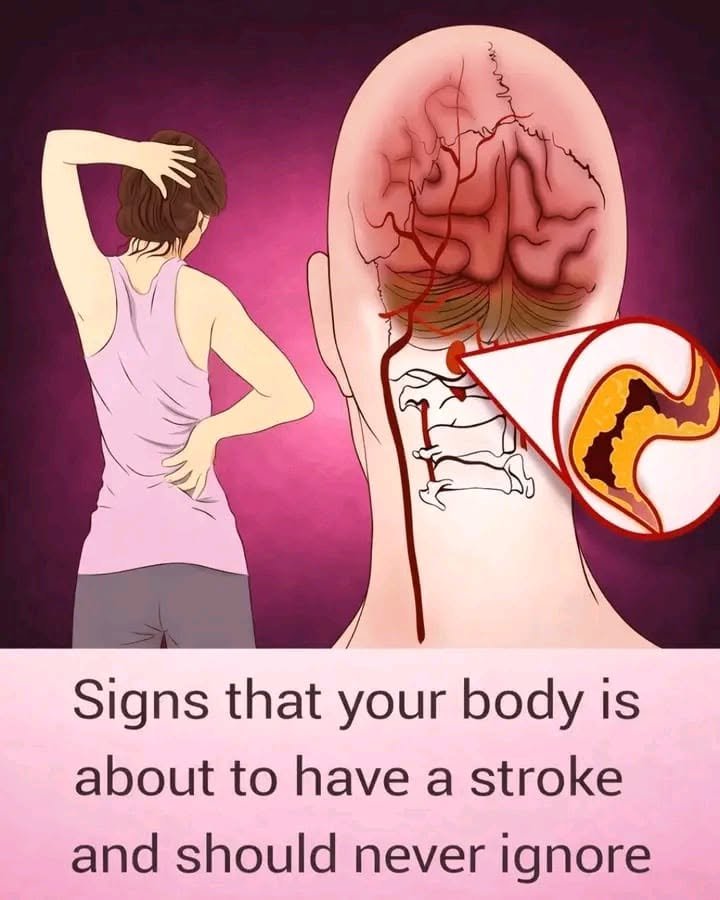
Understanding the true nature of stroke warning signs is not about fueling anxiety; it is about empowerment. The difference between a full recovery and a lifelong disability often comes down to minutes. Recognizing the signs—whether they appear a month, a week, or a moment before—and acting on them with urgency is the single most important thing you can do to protect yourself or a loved one. This guide will separate fact from fiction, explore the critical warning signs that demand immediate attention, explain the significance of “mini-strokes,” and provide a clear, actionable roadmap for responding to a potential stroke emergency.
The Reality of “Early” Warning Signs: Separating Fact from Fiction
The idea that a stroke announces itself with a clear, month-long countdown is a persistent myth. Medical professionals emphasize that many strokes occur without any prior symptoms, striking suddenly and without warning. However, there is a critical caveat: some people do experience transient episodes that serve as a stark warning.
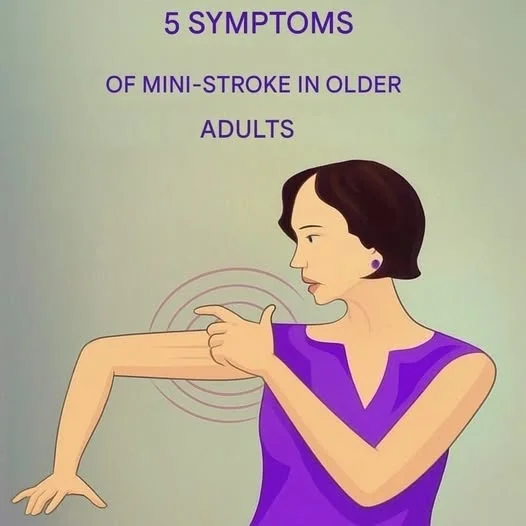
These episodes are known as Transient Ischemic Attacks (TIAs) , often called “mini-strokes.” A TIA occurs when blood flow to a part of the brain is temporarily blocked, causing stroke-like symptoms that typically resolve within minutes to hours, usually within 24 hours. While the symptoms may vanish and leave the person feeling normal, a TIA is anything but harmless. It is a major warning sign that a full-blown stroke may be imminent, with the risk being highest in the hours and days immediately following the TIA. Therefore, while a TIA might occur “a month before” a stroke in some cases, it is more accurately understood as an urgent, unpredictable alarm that requires immediate medical evaluation, regardless of when it happens.
The BE FAST and FAST Acronyms: Your First Line of Defense
To make the recognition of stroke symptoms as simple and memorable as possible, health organizations have developed the FAST and BE FAST acronyms. These tools are designed to help the public identify the most common and telling signs of a stroke quickly.
The Classic FAST Acronym
The FAST acronym is the gold standard for stroke recognition, recommended by the Mayo Clinic and the American Stroke Association.
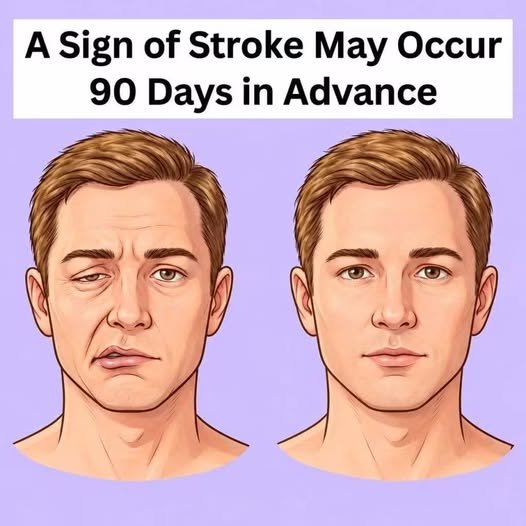
F – Face Drooping: Ask the person to smile. Does one side of their face droop or feel numb?
A – Arm Weakness: Ask the person to raise both arms. Does one arm drift downward, or is it weak or numb?
S – Speech Difficulty: Ask the person to repeat a simple sentence. Is their speech slurred, garbled, or difficult to understand?
T – Time to Call 911: If you observe any of these signs, even if they go away, call emergency services immediately. Time is brain—the faster treatment is received, the less damage occurs.
The Expanded BE FAST Acronym
While FAST covers the most common symptoms, it can miss some important signs. The BE FAST acronym, highlighted by Johns Hopkins Medicine, includes two additional critical categories.
B – Balance: Is there a sudden loss of balance, dizziness, or trouble walking?
E – Eyes: Is there sudden vision loss, double vision, or trouble seeing in one or both eyes?
The addition of Balance and Eyes significantly broadens the scope of detectable symptoms, increasing the chances of recognizing a stroke that might otherwise be missed.
The 10 Warning Signs You Can’t Ignore
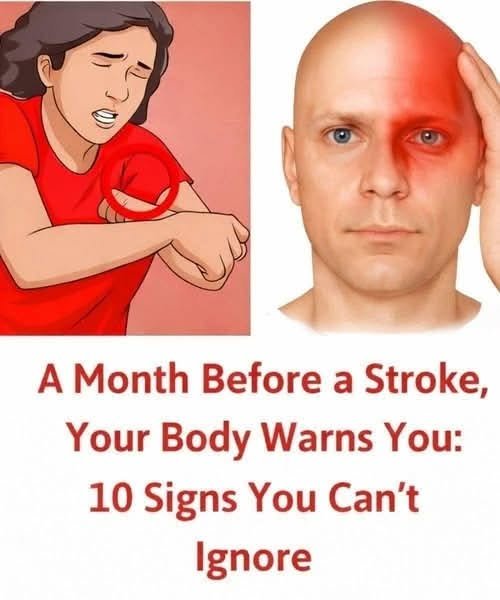
Beyond the FAST acronym, there are several other sudden symptoms that can signal a stroke or a TIA. The image’s claim of “10 signs” is a useful framework for discussion, even if the “month before” timeframe is imprecise. Any of the following symptoms, especially if they appear suddenly, are a medical emergency.
Sudden Numbness or Weakness: This often affects one side of the body, including the face, arm, or leg.
Confusion: A sudden onset of confusion or trouble understanding what others are saying.
Trouble Speaking: Slurred speech or difficulty finding the right words.
Vision Problems: Sudden trouble seeing in one or both eyes, including dimming, blurring, or loss of vision.
Severe Headache: A sudden, severe headache—often described as a “bolt out of the blue”—with no known cause.
Dizziness and Loss of Balance: Sudden dizziness, trouble walking, or a loss of coordination or balance that leads to a fall.
Trouble Walking: A sudden inability to walk straight or a feeling of unsteadiness.
Facial Drooping: A droop on one side of the face, which may be accompanied by numbness.
Arm Drifting: When trying to raise both arms, one arm may drift downward due to weakness.
Sudden Behavioral Changes: In some cases, a stroke can cause a sudden lack of awareness or an inability to recognize that something is wrong.
Understanding the “Silent” Threat: Silent Strokes and TIAs
Not all strokes are dramatic events. A silent stroke is a stroke that occurs without the person or their loved ones recognizing the classic, obvious symptoms. It is often discovered incidentally during an MRI or CT scan for another reason. While silent strokes may not cause immediate, noticeable disability, they are not benign. They cause permanent brain damage and are associated with an increased risk of cognitive decline, memory problems, and future strokes.
The subtle signs of a silent stroke can include brief episodes of confusion, clumsiness, dizziness, or a temporary loss of balance that might be mistakenly attributed to normal aging or fatigue. If you or a loved one experiences any of these fleeting but unusual symptoms, it is worth discussing with a healthcare provider.
Time is Brain: What to Do in a Stroke Emergency
If you suspect a stroke, every second counts. The treatment for ischemic stroke—the most common type—involves clot-busting medication that can only be administered within a specific window, often 4.5 hours from the onset of symptoms, and ideally within the first hour.
Call 911 Immediately: Do not attempt to drive yourself or the person to the hospital. Emergency medical services can begin life-saving treatment on the way.
Note the Time: When did the symptoms first appear? This information is crucial for the medical team.
Do Not Give Medication: Do not give the person aspirin or any other medication, as some strokes are caused by bleeding, and these drugs could worsen the situation.
Stay with the Person: Keep them calm and comfortable until help arrives.
Prevention: Managing Your Risk Factors
While some risk factors for stroke, like age and genetics, are beyond your control, many are highly modifiable. The most common risk factors include high blood pressure (the leading cause), smoking, diabetes, high cholesterol, obesity, physical inactivity, and atrial fibrillation (an irregular heartbeat). By managing these conditions through lifestyle changes and appropriate medical care, you can significantly reduce your risk. This includes eating a healthy diet, staying physically active, quitting smoking, limiting alcohol, and taking prescribed medications for conditions like hypertension and high cholesterol.
Conclusion: Vigilance Over Fear
The viral claim that your body gives you a clear, month-long warning before a stroke is an oversimplification of a complex medical emergency. However, the underlying message—that you should pay attention to your body—is fundamentally sound. The true warning signs are often sudden and transient, serving as urgent, non-negotiable alarms. By familiarizing yourself with the BE FAST acronym, understanding the significance of TIAs, and recognizing the diverse range of sudden symptoms, you can move past fear and into a state of preparedness. Knowing what to look for and acting decisively by calling emergency services can be the difference between life and death, or between a full recovery and a lasting disability. Trust your instincts, act quickly, and never ignore a sudden change in your body.
Frequently Asked Questions
Is there really a “month before” a stroke warning?
There is no reliable, universal set of symptoms that predicts a stroke exactly one month in advance. However, some people may experience a Transient Ischemic Attack (TIA) in the days or weeks prior, which serves as a serious warning sign that requires immediate medical attention.
What is the difference between a TIA and a stroke?
A TIA, or “mini-stroke,” is a temporary blockage of blood flow to the brain that causes stroke-like symptoms which resolve, usually within 24 hours. A stroke is a more permanent blockage or a bleed in the brain that causes lasting damage. A TIA is a critical warning sign for a future stroke.
Does a TIA mean I will definitely have a stroke?
No, but it significantly increases your risk. The risk of a major stroke is highest in the hours and days following a TIA. Seeking emergency medical evaluation and treatment after a TIA is crucial for preventing a subsequent stroke.
Can a stroke happen without any warning signs?
Yes. Many strokes occur suddenly without any prior symptoms. This is why recognizing the signs as they happen and acting immediately is so important.
What should I do if I think someone is having a stroke?
Call emergency services (911 in the US) immediately. Do not drive to the hospital. Note the time when symptoms first appeared and stay with the person until help arrives.
Are silent strokes dangerous?
Yes. While they may not cause obvious symptoms at the time, silent strokes cause permanent brain damage and increase the risk of cognitive decline, memory problems, and future strokes.
What is the BE FAST acronym?
BE FAST is an expanded version of the FAST acronym used to remember stroke symptoms. It stands for Balance, Eyes, Face, Arms, Speech, and Time. It includes balance and vision problems, which the standard FAST acronym can miss.
Can strokes be prevented?
Many strokes can be prevented by managing risk factors such as high blood pressure, diabetes, high cholesterol, smoking, and obesity through lifestyle changes and medical treatment.