Recognizing the Warning Signs of a Stroke: Understanding Your Body’s Signals Before It’s Too Late
A stroke is a profound medical emergency, often described as a “brain attack.” It occurs when blood flow to a part of the brain is suddenly interrupted or when a blood vessel in the brain ruptures. Without a steady supply of oxygen and nutrients, brain cells begin to die within minutes. According to the World Health Organization, stroke is the second leading cause of death and the third leading cause of disability worldwide.
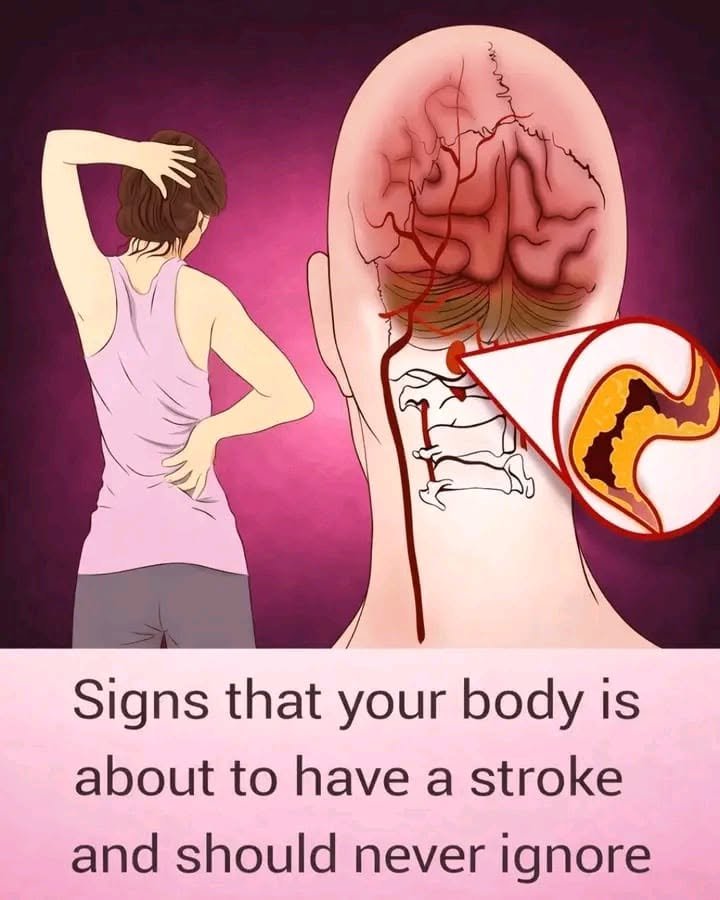
The image provided offers a compelling visual representation of the mechanics behind an ischemic stroke. It depicts a woman experiencing neck and head pain, alongside an anatomical cross-section of the brain and the cervical spine. The most critical detail is the magnified inset, which shows a cross-section of an artery severely narrowed by a yellowish substance—cholesterol plaque. At the center of this plaque, a dark red blockage indicates a blood clot that has formed, cutting off the flow of blood. The text below warns: “Signs that your body is about to have a stroke and should never ignore.”
While strokes frequently strike without any prior warning, the body does sometimes send subtle distress signals in the days or weeks leading up to a major event. Understanding these signals—particularly the anatomy of the arteries in the neck and the neurological symptoms they govern—is essential for early intervention. Knowing what to look for, and acting immediately, can mean the difference between a full recovery and permanent disability.
The Anatomy of a Stroke: Understanding the Blockage
To truly grasp what the warning signs mean, it is helpful to understand what is happening inside the body, as illustrated in the image.
The Carotid Arteries
The large blood vessels running up the sides of the neck are the carotid arteries. These are the primary pathways that supply oxygen-rich blood to the large front part of the brain, including the areas responsible for movement, sensation, and language.
Atherosclerosis and Plaque
As we age, or if we have certain risk factors, a condition called atherosclerosis can develop. This is the buildup of fatty deposits, cholesterol, cellular waste, calcium, and fibrin on the inner walls of the arteries. Over time, this hardens into a substance called plaque. The image accurately depicts this as a thick, irregular yellow lining within the artery.
The Clot and the Blockage
A stroke often occurs when a piece of this plaque ruptures or breaks off. The body’s natural healing response is to send platelets to the site to repair the damage, which forms a blood clot. If the clot becomes large enough, it can completely block the artery. Alternatively, a clot from the heart or another part of the body can travel through the bloodstream and lodge in a narrowed carotid artery. The red mass in the center of the image represents this catastrophic blockage, which starves the brain of the oxygen it desperately needs.
The Most Critical Warning: Transient Ischemic Attacks (TIAs)
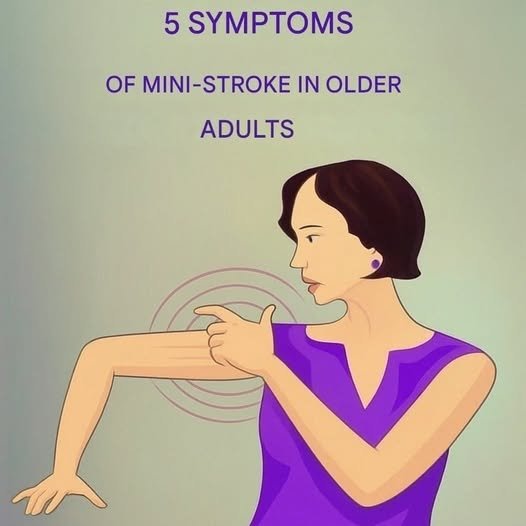
While the image suggests signs that the body is “about to have a stroke,” the most direct medical warning a person can receive is a Transient Ischemic Attack (TIA), often called a “mini-stroke.”
A TIA occurs when a blood clot briefly blocks an artery in the brain. The symptoms are identical to a full stroke, but they usually resolve on their own within minutes to a few hours. The danger is that because the symptoms disappear, many people dismiss them.
However, a TIA is a massive red flag. According to the American Stroke Association, up to 18% of people who experience a TIA will have a major stroke within three months, and nearly half of those strokes occur within just two days. A TIA is a medical emergency that requires immediate evaluation.
The 5 Key Warning Signs You Must Never Ignore
The most reliable way to remember the warning signs of a stroke is the BE FAST acronym. These signs usually appear suddenly, without warning.
1. B – Balance: Sudden Loss of Coordination
A person may suddenly feel dizzy, stumble, or have difficulty walking in a straight line. They might experience a sudden loss of balance or coordination, making it difficult to stand or move safely. This can indicate a stroke affecting the cerebellum, the part of the brain responsible for balance and motor control.
2. E – Eyes: Sudden Vision Changes
A stroke can cause sudden loss of vision in one or both eyes, double vision, or blurred vision. Some people describe it as a “curtain coming down” over their field of vision. If you experience sudden visual disturbances, especially accompanied by other symptoms on this list, seek emergency care immediately.
3. F – Face: Facial Drooping or Numbness
One of the most recognizable signs of a stroke is a sudden drooping of one side of the face. The mouth may pull to one side, or the person may be unable to smile symmetrically. If you suspect a stroke, ask the person to smile. If one side of the face remains still, it is a medical emergency.
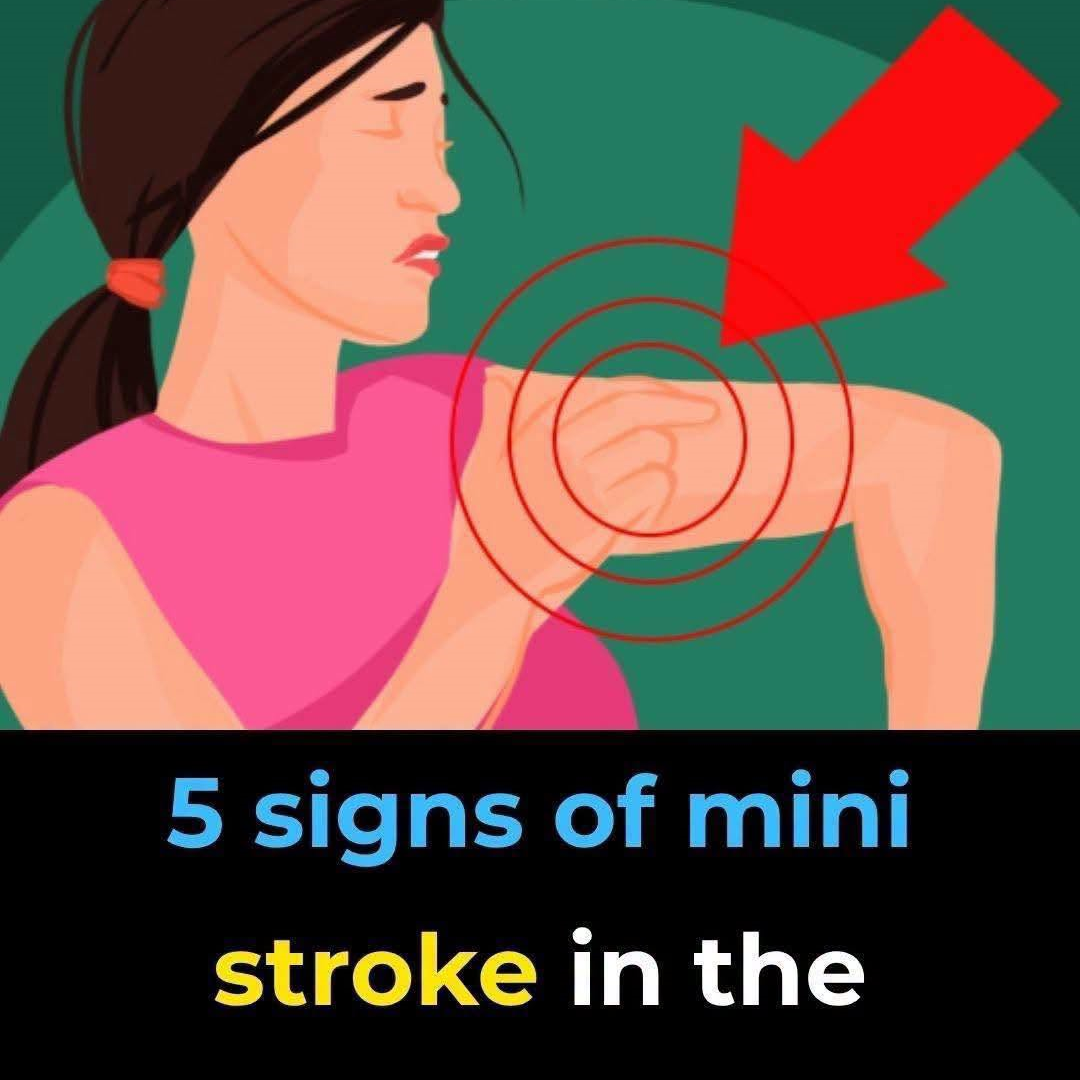
4. A – Arms: Sudden Weakness or Numbness
A sudden weakness, numbness, or paralysis in one arm or leg is a common warning sign. It typically affects one side of the body. If you ask the person to raise both arms, one arm may drift downward. This occurs because the stroke has disrupted the neural signals sent from the brain to the muscles.
5. S – Speech: Slurred or Confused Speech
A stroke can significantly impair a person’s ability to communicate. They may experience slurred speech, struggle to find the right words, or be unable to understand what others are saying. Ask the person to repeat a simple sentence. If their speech is garbled or they appear confused, call for help.
6. T – Time: Call Emergency Services Immediately
If you observe any of these symptoms—even if they seem to improve or disappear—it is time to call emergency services. Do not wait to see if the symptoms resolve. Note the exact time the symptoms started, as this information is critical for the medical team to determine the best course of treatment.
Other Sudden Symptoms to Watch For
In addition to the BE FAST signs, there are other sudden neurological changes that can indicate a stroke:
Sudden Severe Headache: A sudden, agonizing headache—often described as a “thunderclap” headache or the worst headache of your life—can signal a hemorrhagic stroke or a ruptured aneurysm.
Sudden Confusion: A sudden inability to think clearly, disorientation, or trouble understanding conversation.
Sudden Nausea or Vomiting: Particularly when accompanied by other neurological symptoms.
Sudden Difficulty Swallowing: A feeling that food or liquid is sticking in the throat, or choking on saliva.
What to Do If You Notice These Signs
If you or someone around you experiences any of these symptoms, immediate action is crucial.
Call Emergency Services: Do not attempt to drive yourself to the hospital. Emergency medical personnel can begin assessment and treatment on the way and alert the hospital so a specialized stroke team is ready upon arrival.
Note the Time: Record exactly when the symptoms began. This helps doctors determine if treatments like clot-busting drugs (thrombolytics) or mechanical thrombectomy can be safely administered.
Stay Calm and Rest: Keep the person calm. Have them lie down on their side to prevent choking if they vomit. Do not give them food, drink, or medication unless instructed by a medical professional.
Risk Factors for Stroke
Understanding the risk factors associated with the plaque buildup shown in the image is vital for prevention.
High Blood Pressure (Hypertension): The most significant risk factor for stroke. It damages the artery walls, making them susceptible to plaque buildup.
Smoking: Damages blood vessels, raises blood pressure, and makes blood more likely to clot.
Diabetes: High blood sugar damages blood vessels over time.
High Cholesterol: Contributes to the formation of atherosclerotic plaque.
Obesity and Physical Inactivity: Increase the risk of high blood pressure, diabetes, and heart disease.
Family History and Age: The risk of stroke increases with age, and a family history of stroke increases your susceptibility.
Prevention: Protecting Your Arteries
The best way to avoid the blocked artery shown in the image is through proactive lifestyle changes and medical management.
Manage Blood Pressure: Keep your blood pressure within a healthy range through diet, exercise, and medication if prescribed.
Control Cholesterol and Blood Sugar: Monitor your levels and follow your doctor’s advice.
Quit Smoking: One of the most effective ways to reduce your stroke risk.
Eat a Healthy Diet: Focus on fruits, vegetables, whole grains, and lean proteins. Limit salt, saturated fats, and processed foods.
The visual of a narrowing artery and a forming clot is a stark reminder of the fragility of our vascular system. While the body may not always give a month’s notice before a major stroke, it often provides critical warning signs in the form of TIAs or sudden neurological changes. Recognizing the BE FAST symptoms—balance, eyes, face, arms, and speech—and acting immediately is the single most important thing you can do to save a life. By understanding your risks, listening to your body’s signals, and prioritizing cardiovascular health, you can take control of your well-being and protect your brain for years to come.