The Surprising First Signs of Diabetes: What Your Toes and Legs Are Trying to Tell You
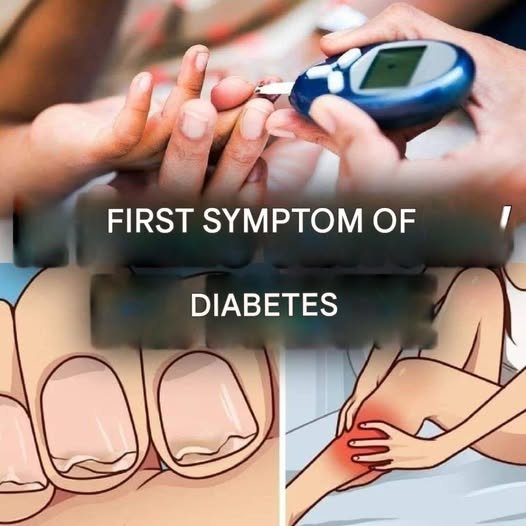
In the modern world, the diagnosis of diabetes has reached epidemic proportions. It is a chronic condition that affects how the body turns food into energy, and for millions of people, it develops silently over years without any obvious warning. However, the human body is remarkably adept at sending out distress signals, often in the places we least expect to look. The image provided perfectly illustrates this reality. At the top, we see the familiar tool of diabetes management: a glucometer testing a drop of blood. But below, we see two distinct visual symptoms—thickened, discolored toenails and inflamed, achy legs. These are not random images; they are powerful visual clues that can indicate the onset of diabetes or signal that blood sugar levels are dangerously out of control.
Many people assume that the first symptom of diabetes is extreme thirst or frequent urination. While these are classic signs, the earliest physical manifestations often appear in the extremities, particularly the feet, toes, and lower legs. High blood sugar (hyperglycemia) wreaks havoc on the body’s circulatory and nervous systems. It damages blood vessels, thickens the blood, and impairs the immune system, making the lower extremities—the furthest points from the heart—the first to suffer.
This comprehensive guide will explore the profound connection between blood sugar and the health of your feet and legs. We will decode the visual symptoms shown in the image, explain the underlying medical mechanisms, and provide a complete roadmap for recognizing the early warning signs of diabetes. By understanding what your toes and legs are telling you, you can take control of your health, seek early intervention, and prevent the devastating complications associated with this condition.
Decoding the Visual Warning Signs
The image presents a clear narrative: checking your blood sugar is vital, but you must also pay attention to the physical changes in your body. Let us break down exactly what the bottom two panels are revealing.
The bottom-left panel shows toes with thick, yellowed, and crumbly nails. While this can affect anyone, it is exceptionally common in people with diabetes. This condition is known as onychomycosis, a fungal infection of the nail.
Why does diabetes cause this? When blood sugar levels are consistently high, the body’s immune system becomes compromised. White blood cells, which are responsible for fighting off infections, lose their effectiveness. This makes the body highly susceptible to fungal, bacterial, and viral invaders. Furthermore, diabetes often causes peripheral artery disease (PAD), a condition where the blood vessels narrow and harden. This reduced blood flow to the extremities means that cuts, bruises, and infections—including fungal infections in the nail bed—heal much more slowly. The warm, moist environment inside socks and shoes, combined with a compromised immune system, creates the perfect breeding ground for fungi.
Symptom 2: Inflamed, Aching Legs and Feet
The bottom-right panel depicts a person holding their lower leg, which is highlighted in red to indicate pain and inflammation. This is a critical warning sign. Diabetes can cause several distinct issues in the lower limbs:
Diabetic Peripheral Neuropathy: Prolonged high blood sugar damages the nerves throughout the body. In the legs and feet, this manifests as tingling, burning, numbness, or sharp, shooting pains.
Peripheral Artery Disease (PAD): The narrowing of arteries due to plaque buildup (often exacerbated by diabetes) reduces blood flow. This can cause a heavy, aching pain in the legs, especially during physical activity, a condition known as intermittent claudication.
Diabetic Amyotrophy: A rare but severe form of nerve damage that causes severe pain and weakness in the thighs, hips, and buttocks.
Skin Infections: The impaired circulation and immune response make the skin on the legs highly vulnerable to bacterial infections like cellulitis, which causes redness, swelling, and intense pain.
The Silent Progression: Understanding How Diabetes Attacks the Extremities
To truly appreciate why these symptoms occur, it is essential to understand the systemic nature of diabetes. It is not just a disease of sugar; it is a disease of the blood vessels and nerves.
The Mechanism of Hyperglycemia
When we eat, carbohydrates are broken down into glucose, which enters the bloodstream. In a healthy person, the pancreas releases insulin, a hormone that acts as a key, unlocking cells so they can absorb glucose for energy. In someone with Type 2 diabetes, the cells become resistant to insulin, and the pancreas cannot produce enough to compensate. In Type 1 diabetes, the pancreas produces little to no insulin at all.
The result is a buildup of glucose in the bloodstream. This thick, sugary blood is like sandpaper to the delicate inner lining of the blood vessels (the endothelium). Over time, it causes microvascular damage—damage to the smallest blood vessels, which are abundant in the kidneys, eyes, nerves, and the feet.
The “Sugar-Coated” Red Blood Cells
One of the most revealing ways to measure long-term blood sugar control is through the HbA1c test. This test measures the percentage of red blood cells that are “sugar-coated” (glycated). These glycated red blood cells are stiff and less flexible than healthy cells. They have difficulty passing through the tiny capillaries in the extremities, leading to a lack of oxygen and nutrients in the tissues of the feet and legs. This lack of oxygen is what causes the slow healing and the nerve damage.
The Glucometer: Your First Line of Defense
The top panel of the image shows a person using a blood glucose meter (glucometer) to test their blood. This is the most immediate and actionable way to understand what is happening inside your body.
Understanding Blood Sugar Readings
For individuals without diabetes, normal fasting blood sugar levels are generally between 70 and 99 mg/dL. A reading between 100 and 125 mg/dL indicates prediabetes, a critical warning zone where lifestyle changes can reverse the course. A reading of 126 mg/dL or higher on two separate occasions typically confirms a diagnosis of diabetes.
Testing at home allows you to see the direct impact of the foods you eat and the activities you engage in. If you notice elevated readings, or if you are experiencing the physical symptoms shown in the image, it is imperative to consult a healthcare provider.
Beyond the Toes: Other Critical Early Warning Signs
While the image focuses on the feet and legs, it is crucial to recognize the other early symptoms of diabetes. The onset can be subtle, and these signs are often dismissed as merely being tired or getting older.
The Classic Symptoms
Polyuria (Frequent Urination): When there is excess glucose in the blood, the kidneys try to filter it out. This pulls water from the tissues, resulting in excessive urine production, particularly at night.
Polydipsia (Excessive Thirst): The frequent urination leads to dehydration, causing an unquenchable thirst.
Polyphagia (Excessive Hunger): Despite eating enough food, the cells are starved of glucose because insulin is not functioning properly. This triggers intense, persistent hunger.
Unexplained Weight Loss: Especially common in Type 1 diabetes, the body begins breaking down muscle and fat for energy because it cannot use glucose.
Blurred Vision: High sugar levels cause fluid to be pulled from the lenses of the eyes, affecting the ability to focus. This can lead to permanent retinal damage if left untreated.
The Subtle Signs
Chronic Fatigue: A feeling of constant exhaustion that is not relieved by sleep.
Slow-Healing Sores: Cuts, scrapes, and bruises that take weeks to heal.
Unexplained Mood Swings: Irritability, anxiety, and confusion can be exacerbated by fluctuating blood sugar.
The Foot-Diabetes Connection: Why Monitoring is Crucial
For a person with diabetes, the feet are the most vulnerable part of the body. The combination of nerve damage (neuropathy) and poor circulation (ischemia) creates a dangerous scenario.
The Loss of Protective Sensation
Because neuropathy dulls the sensation in the feet, a person with diabetes may not feel a blister, a cut, or a pebble in their shoe. These minor injuries can quickly escalate into serious ulcers. Left untreated, these ulcers can become infected, leading to gangrene and, in the most severe cases, amputation. It is a startling statistic that diabetes is the leading cause of non-traumatic lower-limb amputations worldwide.
The Importance of Daily Foot Checks
Including a daily foot check in your hygiene routine is essential. Look for:
Cuts, blisters, or scrapes
Redness, swelling, or warmth
Changes in nail color or thickness
Ingrown toenails
Loss of hair on the legs or feet (a sign of poor circulation)
Managing and Preventing Complications: A Holistic Approach
If you have been diagnosed with diabetes or prediabetes, or if you suspect you may be at risk based on the symptoms in the image, there is immense power in taking action. Managing diabetes is a multifaceted endeavor.
1. Blood Sugar Management
This is the cornerstone of preventing foot and leg complications. Following your doctor’s advice regarding medication, insulin, and blood glucose monitoring is paramount. Achieving an HbA1c level below 7% is generally the goal to reduce the risk of microvascular complications.
2. Dietary Adjustments
Focus on a diet that minimizes blood sugar spikes. This means prioritizing complex carbohydrates (like whole grains, legumes, and vegetables), lean proteins, and healthy fats. Avoid sugary beverages, refined flours, and highly processed foods. Working with a registered dietitian can provide a personalized plan.
3. Regular Exercise
Physical activity improves insulin sensitivity and promotes healthy circulation. Gentle exercises like walking, swimming, or cycling can help lower blood sugar and improve blood flow to the legs. Always check your feet before and after exercise.
4. Proper Foot Care
Wash and Dry Daily: Wash your feet with warm (not hot) water and dry them thoroughly, especially between the toes.
Moisturize: Use a gentle lotion to prevent dry, cracked skin, but avoid applying it between the toes.
Wear Proper Footwear: Never walk barefoot, even indoors. Wear shoes that fit well and provide support. Check inside your shoes for foreign objects before putting them on.
Trim Nails Carefully: Cut nails straight across to prevent ingrown toenails. If you have neuropathy or poor vision, have a podiatrist trim them for you.
5. Quit Smoking
Smoking constricts blood vessels and significantly increases the risk of peripheral artery disease. Quitting is one of the most effective ways to improve blood flow to the extremities.
When to See a Doctor Immediately
If you experience any of the symptoms shown in the image or discussed in this article, do not wait for a routine check-up. You should seek medical attention promptly if you notice:
A new, persistent pain in your legs or feet.
Any cut, blister, or sore on your foot that is not healing within a few days.
Redness, warmth, or swelling in the leg (signs of infection).
Sudden thickening or darkening of the toenails.
Numbness, tingling, or a loss of sensation in your feet.
Early intervention is the key to preventing the progression of diabetes and its devastating consequences.
Conclusion: Listen to Your Body
The image of the glucometer, the fungal toenails, and the achy legs is a powerful reminder that diabetes is not just an invisible condition defined by numbers on a screen. It is a physical disease that leaves visible footprints. The feet and legs are often the first casualties of high blood sugar, serving as the body’s early warning system.
By paying attention to these often-overlooked signs, you can catch the disease early, make necessary lifestyle changes, and prevent the devastating complications of nerve damage and poor circulation. Your body is always communicating with you. By looking down at your toes and legs, you might just discover the most important health message you will ever receive.
Frequently Asked Questions
What is the first symptom of diabetes?
There is no single “first” symptom, as it varies by individual. However, early signs often include increased thirst and frequent urination. Physical changes like slow-healing cuts, frequent infections, and tingling in the feet or hands are also common early indicators.
Can diabetes cause toenail fungus?
Yes. High blood sugar weakens the immune system and impairs circulation, making it easier for fungal infections to take hold and harder for the body to fight them off. Diabetics are significantly more prone to onychomycosis (toenail fungus).
Why does diabetes cause leg pain?
Diabetes can cause leg pain through two main mechanisms: peripheral neuropathy (nerve damage causing burning, tingling, or shooting pain) and peripheral artery disease (narrowed blood vessels causing a heavy, aching pain, especially during walking).
Is it normal for my feet to hurt if I have diabetes?
Foot pain is not “normal” in the sense that you should accept it, but it is a common complication. It is a sign that nerve or vascular damage is occurring. Any new or worsening foot pain should be reported to a doctor immediately.
How does a blood glucose meter work?
A blood glucose meter is a small device that measures the concentration of glucose in a drop of blood. You prick your finger with a lancet, apply the blood to a test strip, and insert the strip into the meter, which provides a digital reading.
Can Type 2 diabetes be reversed?
While “reversal” is a complex term, Type 2 diabetes can go into remission. Through significant lifestyle changes, including diet, exercise, and weight loss, many people can achieve normal blood sugar levels without medication. However, the condition requires ongoing management.
What are the warning signs of a diabetic foot ulcer?
Warning signs include a cut, blister, or sore that does not heal; redness, warmth, or swelling around the wound; a foul odor; and black tissue (eschar) around the edges of the wound. Due to neuropathy, these ulcers are often painless, making daily visual checks essential.
How often should diabetics check their blood sugar?
The frequency of checking depends on the type of diabetes and the treatment plan. Some people check multiple times a day, while others with well-controlled Type 2 diabetes may check a few times a week. Your doctor will provide a specific schedule based on your needs.
What are the best shoes for diabetics?
The best shoes have a wide toe box to prevent pressure on the toes, are made of breathable materials, have a firm heel counter for stability, and have a cushioned sole. They should be properly fitted and checked for foreign objects before each use.