Beyond the Hype: The Real Dangers and Hidden Benefits of Garlic
Garlic is one of the most polarizing ingredients in the culinary world. For some, it is the essential foundation of countless savory dishes, a humble bulb that transforms ordinary meals into something aromatic and comforting. For others, it is a digestive landmine, a trigger for heartburn, or a social liability. In recent years, however, garlic has also become a subject of intense scrutiny in the wellness and supplement industries. Viral social media posts and sensationalized headlines occasionally warn of “the dangers of garlic,” leaving many consumers confused about whether this ancient staple is a powerful natural medicine or a hidden threat to their health.
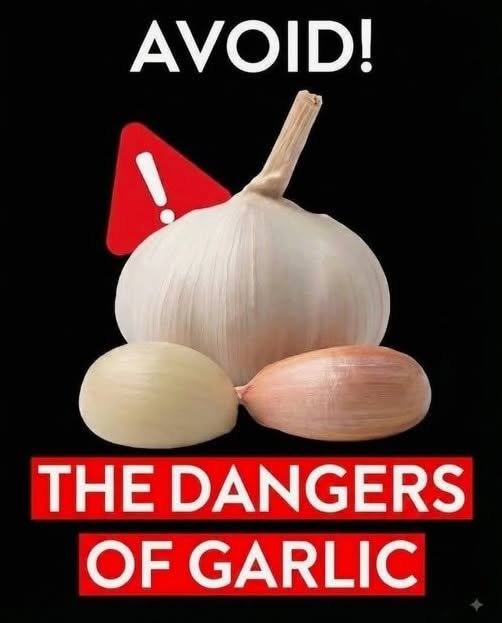
The truth, as is often the case, is far more nuanced than a single alarming graphic might suggest. Garlic is not inherently dangerous, but it is a pharmacologically active substance with the potential to interact with medications, exacerbate certain medical conditions, and cause allergic reactions in a small percentage of the population. At the same time, a wealth of scientific evidence supports its role in supporting cardiovascular health, reducing inflammation, and providing antimicrobial benefits. This article explores both sides of the garlic story. It examines the documented risks—from increased bleeding times to severe digestive distress—and separates them from exaggerated claims. By understanding the science behind garlic’s effects, you can make informed decisions about how to incorporate it into your diet safely and effectively, reaping its benefits while minimizing its potential drawbacks.
The Dual Nature of Garlic: Ancient Remedy, Modern Superfood
Garlic (Allium sativum) has been cultivated for thousands of years, with documented use in ancient Egypt, Greece, Rome, and China. It was historically valued not only for its flavor but for its medicinal properties, often used to treat infections, respiratory issues, and digestive complaints. This long history of use has earned garlic a permanent place in traditional medicine systems around the world.
Modern science has begun to validate some of these traditional uses. The primary active compound in garlic is allicin, a sulfur-containing molecule that is produced when garlic is crushed, chopped, or chewed. Allicin is highly unstable and is responsible for the characteristic pungent odor of fresh garlic. It is also believed to be responsible for many of garlic’s purported health benefits, including its antimicrobial and antioxidant properties. However, the way garlic is prepared and consumed significantly affects the availability of allicin. Cooking, drying, and processing can degrade or destroy this volatile compound, which is why some researchers argue that raw garlic or carefully standardized supplements are necessary to achieve therapeutic effects.
The dual nature of garlic lies in this very chemistry. The same sulfur compounds that provide health benefits can also irritate the gastrointestinal tract, cause bad breath, and interact with certain medications. Understanding this duality is the key to using garlic wisely.
The Proven Health Benefits of Garlic
Before examining the risks, it is important to acknowledge the substantial body of evidence supporting garlic’s health benefits. For most people, the potential advantages of including garlic in the diet outweigh the relatively low risk of adverse effects.
Cardiovascular Support
One of the most well-researched benefits of garlic is its effect on cardiovascular risk factors. Multiple meta-analyses have suggested that garlic supplementation may lower blood pressure in individuals with hypertension. A large meta-analysis of 20 trials found that various garlic preparations reduced mean systolic and diastolic blood pressure by approximately 5.1 mm Hg and 2.5 mm Hg, respectively. Another analysis focusing specifically on hypertensive patients found even more pronounced reductions of 8.3 mm Hg systolic and 5.5 mm Hg diastolic.
Garlic has also been studied for its lipid-lowering effects. A meta-analysis of 39 randomized studies involving nearly 2,300 participants found that garlic lowered total cholesterol by approximately 17 mg/dL and LDL (“bad”) cholesterol by 9 mg/dL. While these reductions are modest, they can be clinically meaningful when combined with other heart-healthy lifestyle changes.
Antimicrobial and Immune Effects
Garlic has demonstrated antimicrobial activity against a variety of bacteria, fungi, and viruses in laboratory settings. Some studies suggest that garlic supplementation may enhance immune cell function and reduce the severity of cold and flu symptoms. However, the clinical evidence for garlic’s ability to prevent or treat infections in humans remains limited and mixed.
Potential Metabolic Benefits
A 2015 meta-analysis of seven studies found that garlic may help lower fasting blood glucose levels, suggesting a potential role in supporting metabolic health. Additionally, some research has explored garlic’s potential to reduce oxidative stress and inflammation, which are underlying factors in many chronic diseases. While the evidence for these benefits is promising, it is not yet definitive, and garlic should not be viewed as a substitute for proven medical treatments.
The Serious Danger: Garlic’s Blood-Thinning Effects and Bleeding Risk
While garlic’s cardiovascular benefits are often celebrated, its blood-thinning properties represent its most significant potential danger. Garlic inhibits platelet aggregation, meaning it reduces the ability of blood platelets to clump together and form clots. This effect is generally mild with dietary consumption, but it can become clinically significant when garlic is consumed in large amounts or taken as a concentrated supplement, especially in combination with other blood-thinning medications.
The Mechanism Behind the Risk
The antiplatelet effect of garlic is believed to be mediated by its organosulfur compounds, which interfere with the production of thromboxane A2, a molecule that promotes platelet aggregation. This mechanism is similar to that of aspirin, a well-known antiplatelet drug. When garlic and aspirin, or other anticoagulants and antiplatelet agents, are used together, the effect can be additive, significantly increasing the risk of bleeding.
Recognizing the Signs of Excessive Bleeding
For most people consuming garlic as a culinary ingredient, the blood-thinning effect is negligible. However, for those taking garlic supplements or consuming large quantities of raw garlic, the risk becomes more tangible. The signs of a potential bleeding problem include easy bruising, prolonged bleeding from minor cuts, frequent nosebleeds, and bleeding gums. In more serious cases, individuals may experience blood in the urine or stool, or even gastrointestinal bleeding, which can cause dark, tarry stools and symptoms of blood loss such as dizziness and fainting.
The Critical Pre-Surgery Warning
One of the most important practical warnings regarding garlic is the need to discontinue supplementation before surgery. Because garlic can inhibit platelet aggregation, it may increase the risk of excessive bleeding during and after surgical procedures. Medical guidelines recommend that patients stop taking garlic supplements at least seven to fourteen days before any planned surgery or dental work. This precaution is particularly crucial for patients already taking anticoagulant medications such as warfarin or antiplatelet drugs like clopidogrel, as the combination can pose a serious hemorrhagic risk.
Drug Interactions: Blood Thinners, Surgery, and Other Medications
The interaction between garlic and blood-thinning medications is the most well-documented and clinically significant drug interaction associated with this herb. However, other potential interactions warrant attention as well.
Anticoagulants and Antiplatelet Medications
Drugs such as warfarin, apixaban, aspirin, and clopidogrel are designed to prevent dangerous blood clots. Garlic’s antiplatelet activity can amplify their effects, leading to an increased risk of bleeding complications. Patients on these medications should consult their healthcare provider before consuming large amounts of garlic or taking garlic supplements.
Surgery and Dental Procedures
As mentioned, the combination of garlic’s blood-thinning effects and the trauma of surgery creates a perfect storm for bleeding complications. The recommendation to discontinue garlic supplements two weeks before surgery is a standard precaution in perioperative medicine.
Other Potential Interactions
While less thoroughly studied, garlic may also interact with other medications. Some research suggests that garlic could affect the metabolism of certain drugs by influencing liver enzymes, although the clinical significance of this is uncertain. Patients with diabetes should be aware that garlic may have a mild blood-sugar-lowering effect, which could theoretically interact with insulin or oral hypoglycemic medications, although this is not a common concern with dietary garlic. As a general rule, anyone taking prescription medications should inform their doctor or pharmacist about any herbal supplements they are using.
Digestive Distress: Acid Reflux, GERD, and Stomach Irritation
For many people, the most immediate and tangible “danger” of garlic is digestive discomfort. Garlic, particularly when consumed raw, is a well-known trigger for heartburn and acid reflux symptoms in susceptible individuals.
The Link to Acid Reflux and GERD
Garlic is a member of the allium family, which also includes onions, leeks, and chives. Research indicates that allium vegetables may worsen acid reflux-related symptoms. The mechanism is thought to involve the relaxation of the lower esophageal sphincter (LES), the valve that separates the stomach from the esophagus. When the LES relaxes inappropriately, stomach acid can splash back up into the esophagus, causing the burning sensation known as heartburn. Garlic is frequently listed among the most common dietary triggers for reflux, alongside onions, spicy foods, and fatty meals.
Raw vs. Cooked Garlic
The intensity of garlic’s digestive effects depends on how it is prepared. Raw garlic is far more irritating to the stomach lining than cooked garlic. Cooking, particularly roasting or sautéing, mellows the pungency and reduces the concentration of irritating sulfur compounds. For individuals with sensitive stomachs, cooked garlic is often better tolerated than raw.
Beyond Heartburn: Other Digestive Side Effects
Excessive consumption of garlic can lead to a range of gastrointestinal symptoms, including gas, bloating, nausea, vomiting, abdominal pain, and diarrhea. Garlic contains fructans, a type of carbohydrate that can ferment in the gut and cause symptoms in people with irritable bowel syndrome (IBS) or sensitivity to FODMAPs (fermentable oligosaccharides, disaccharides, monosaccharides, and polyols). For these individuals, even small amounts of garlic can trigger significant discomfort.
Garlic Allergies and Skin Reactions: From Contact Dermatitis to Anaphylaxis
While garlic allergy is relatively uncommon, affecting approximately 1% of the population, it can be severe and even life-threatening. It is important to distinguish a true allergy from a food intolerance.
True Garlic Allergy
A garlic allergy occurs when the immune system mistakenly identifies proteins in garlic as harmful substances and mounts a defensive response. Symptoms can range from mild to severe and may include hives, itching, skin discoloration, swelling of the mouth, tongue, or throat, shortness of breath, difficulty breathing, stomach pain, diarrhea, nausea, rapid pulse, dizziness, and fainting. In the most serious cases, a garlic allergy can lead to anaphylaxis, a life-threatening reaction that requires immediate emergency medical treatment with epinephrine.
Contact Dermatitis and Skin Burns
Garlic can also cause skin reactions upon direct contact. Allergic contact dermatitis to garlic is a well-documented phenomenon, particularly among individuals who handle garlic frequently, such as cooks and homemakers. The reaction is a type IV delayed hypersensitivity response, mediated by compounds such as diallyldisulfide, allicin, and allylpropyldisulfide. Symptoms include redness, itching, and blistering.
More alarmingly, applying raw garlic directly to the skin as a home remedy can cause severe irritant contact dermatitis and even chemical burns. There are numerous case reports of garlic-induced skin lesions, including burns, following the topical application of garlic for various ailments. Garlic should never be applied undiluted to the skin, and any persistent or worsening skin reaction should be evaluated by a healthcare professional.
The Social Side Effects: Bad Breath and Body Odor
The most well-known and least medically serious side effect of garlic is its impact on breath and body odor. This is not merely a matter of superficial concern; it can affect social interactions, professional life, and personal confidence.
The Science of Garlic Breath
Garlic breath is caused by the same sulfur compounds responsible for its health benefits and its pungency. When garlic is consumed, these volatile compounds are absorbed into the bloodstream and travel to the lungs, where they are exhaled in the breath. This is why brushing your teeth or using mouthwash provides only temporary relief; the odor is coming from within. The effect can last for hours or even days, depending on the amount consumed and individual metabolism.
Body Odor and Other Concerns
The sulfur compounds can also be released through the skin, contributing to a distinct body odor. For most people, this is a minor and transient issue that can be managed with good hygiene and dietary moderation. However, for those who consume large amounts of raw garlic regularly, the odor can become a persistent concern.
Special Populations: Pregnancy, Breastfeeding, and Children
The safety profile of garlic varies across different life stages. While culinary amounts of garlic are generally considered safe for most people, special populations require additional caution.
Pregnancy and Breastfeeding
Garlic is generally considered safe when consumed in normal food amounts during pregnancy and breastfeeding. However, the use of concentrated garlic supplements is not recommended during pregnancy and breastfeeding, as there is insufficient reliable evidence to confirm their safety. Garlic compounds can pass into breast milk and may affect the taste of the milk, which some infants may notice, though this is not typically harmful.
Children
Garlic in food amounts is safe for children. However, garlic supplements should not be given to children without the guidance of a pediatrician. The concentrated doses in supplements can increase the risk of side effects, and the safety of long-term supplementation in children has not been established.
Raw vs. Cooked vs. Supplements: Understanding the Risks
The potential risks and benefits of garlic are heavily influenced by the form in which it is consumed.
Raw Garlic
Raw garlic contains the highest concentration of allicin, the compound responsible for many of garlic’s therapeutic effects. However, it is also the most irritating to the digestive tract and the most likely to cause bad breath and body odor. For those who can tolerate it, raw garlic can be a healthful addition to the diet, but it should be consumed in moderation. Experts suggest a safe limit of approximately 3 to 6 grams of raw garlic per day, which is roughly equivalent to one to two cloves.
Cooked Garlic
Cooking garlic reduces its allicin content and mellows its flavor, making it gentler on the stomach. While some of the heat-sensitive beneficial compounds are lost, cooked garlic still provides flavor and some nutritional value. For individuals with sensitive digestion, cooked garlic is generally the better choice.
Garlic Supplements
Garlic supplements, including powders, extracts, and aged garlic extract (AGE), are widely available and are often standardized to ensure a consistent dose of active compounds. Supplements are convenient and can deliver concentrated amounts of garlic’s active ingredients, but they also carry a higher risk of side effects, particularly the blood-thinning effect. Aged garlic extract is often noted for having a more favorable safety profile compared to other supplement forms, with more stable active compounds and fewer reported adverse effects. Anyone considering garlic supplements should consult a healthcare provider, especially if they are taking medications or have underlying health conditions.
How to Use Garlic Safely: Practical Guidelines
For the vast majority of people, garlic can be enjoyed safely as part of a balanced diet. The following guidelines can help minimize risks while maximizing enjoyment.
Moderation Is Key
The dose makes the poison. Consuming garlic in normal culinary amounts is safe for most healthy individuals. If you enjoy raw garlic, limit yourself to one or two cloves per day. If you experience digestive discomfort, reduce your intake or switch to cooked garlic.
Be Aware of Your Body
Pay attention to how your body responds to garlic. If you notice heartburn, bloating, or other digestive symptoms after eating garlic, you may be sensitive to it. Similarly, if you experience any signs of an allergic reaction—such as hives, swelling, or difficulty breathing—seek medical attention immediately.
Communicate with Your Healthcare Provider
If you are taking any medications, especially blood thinners, or if you have a scheduled surgery, inform your healthcare provider about your garlic consumption, including any supplements. They can advise you on whether to adjust your intake or discontinue use.
Practice Good Hygiene
To minimize the social impact of garlic breath and body odor, practice good oral hygiene and shower regularly. Chewing fresh parsley, mint, or citrus peel can provide temporary relief from garlic breath, but the most effective strategy is moderation.
When to See a Doctor: Red Flags and Warning Signs
While most garlic-related side effects are mild and self-limiting, certain symptoms warrant professional medical attention.
You should consult a doctor if you experience:
Signs of an allergic reaction, including hives, swelling of the face, lips, tongue, or throat, or difficulty breathing.
Severe or persistent abdominal pain, vomiting, or diarrhea after consuming garlic.
Easy bruising, prolonged bleeding, nosebleeds, or blood in the urine or stool, especially if you are taking blood-thinning medications or garlic supplements.
Skin reactions, such as severe redness, blistering, or burns, after contact with garlic.
Any new or worsening symptoms that you suspect may be related to garlic consumption.
Conclusion: Informed Enjoyment, Not Fear
The viral warning that garlic is a dangerous substance is an oversimplification of a complex nutritional reality. Garlic is not a poison, but it is a potent botanical with real pharmacological effects. For most people, the benefits of garlic—its flavor, its cardiovascular support, and its antioxidant properties—far outweigh the risks. The dangers associated with garlic are primarily relevant to specific populations: individuals taking blood-thinning medications, those with bleeding disorders, people with severe acid reflux or IBS, and the small percentage of the population with a true garlic allergy.
The key to safely incorporating garlic into your life lies in awareness and moderation. Understand how garlic affects your body, be mindful of potential drug interactions, and communicate openly with your healthcare provider about your dietary and supplement choices. By approaching garlic with knowledge rather than fear, you can continue to enjoy its culinary magic while safeguarding your health.
Frequently Asked Questions
Is garlic dangerous for everyone?
No. Garlic is safe for the vast majority of people when consumed in normal food amounts. The potential dangers are primarily relevant to specific groups, such as individuals taking blood thinners, those with bleeding disorders, people with severe acid reflux, and those with a garlic allergy.
Can garlic really thin your blood?
Yes. Garlic has antiplatelet properties, meaning it can inhibit the ability of blood platelets to clump together. This effect is generally mild with dietary consumption but can be significant with high-dose supplements or when combined with blood-thinning medications like warfarin or aspirin.
How long before surgery should I stop taking garlic?
Medical guidelines generally recommend stopping garlic supplements at least seven to fourteen days before any planned surgery or dental procedure to reduce the risk of excessive bleeding. Always follow your surgeon’s specific instructions.
Does cooking garlic destroy its health benefits?
Cooking garlic does reduce its allicin content, as allicin is heat-sensitive. However, cooked garlic still provides flavor and some nutritional benefits. For maximum allicin intake, raw garlic is preferable, but it is also more irritating to the stomach.
What are the signs of a garlic allergy?
Symptoms of a garlic allergy can include hives, itching, skin rash, swelling of the mouth or throat, difficulty breathing, stomach pain, nausea, and dizziness. In severe cases, it can cause anaphylaxis, a life-threatening reaction that requires emergency treatment.
Is it safe to apply garlic directly to the skin?
No. Applying raw garlic directly to the skin can cause severe irritant contact dermatitis and chemical burns. Garlic should never be used topically as a home remedy without professional guidance.
Can garlic cause acid reflux?
Yes, for some people. Garlic is a known trigger for heartburn and acid reflux symptoms, as it can relax the lower esophageal sphincter and irritate the stomach lining. Raw garlic is more likely to cause symptoms than cooked garlic.
How much raw garlic is safe to eat per day?
Experts generally suggest a safe limit of approximately 3 to 6 grams of raw garlic per day, which is roughly equivalent to one or two cloves. Consuming more than this can increase the risk of digestive side effects.