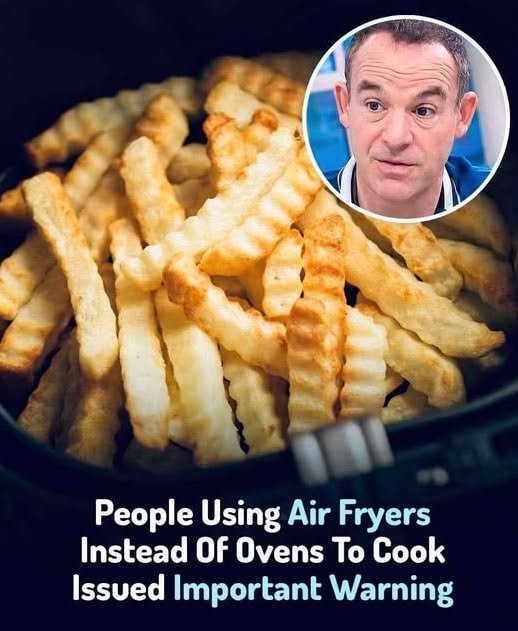
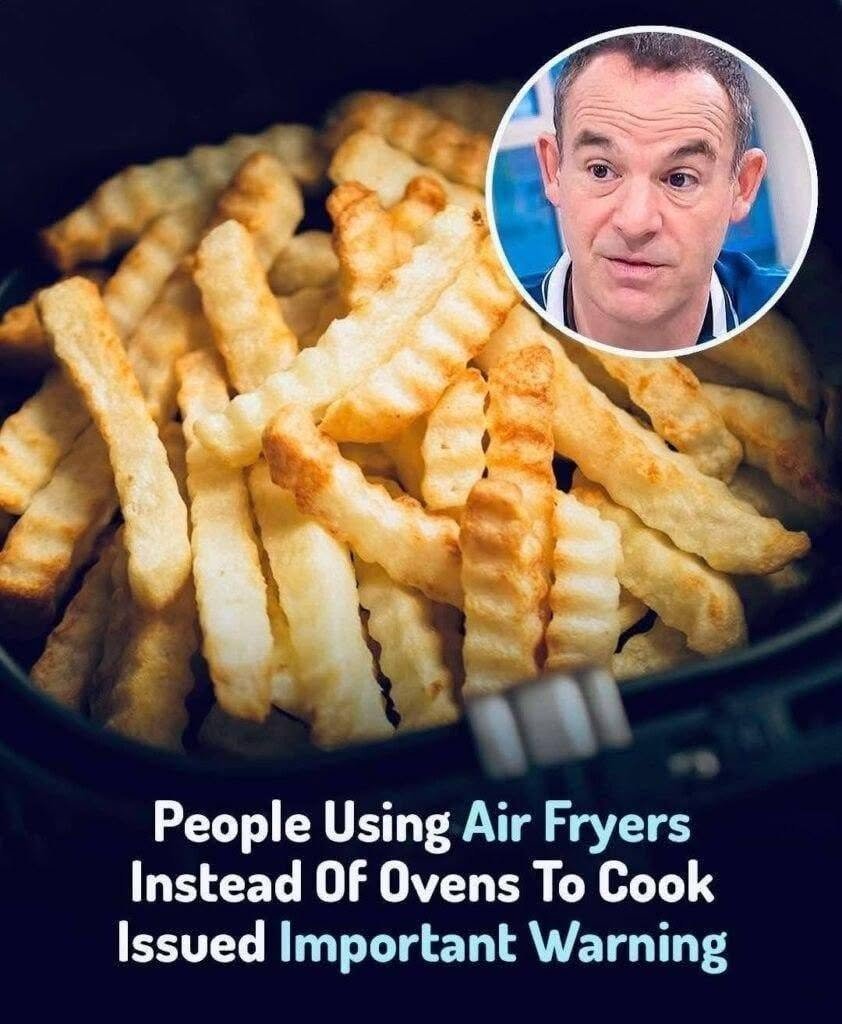
People Using Air Fryers Instead of Ovens Issued Important Warning: What Every Home Cook Needs to Know
Air fryers have transformed the modern kitchen. Promising crispy results with a fraction of the oil, these countertop convection ovens have moved from niche gadget to essential appliance in millions of households. In the United States alone, nearly 60% of homes now own one, and in France, sales surged by 140% in 2024, with more than a quarter of households equipped with the device. The appeal is obvious: faster cooking times, lower energy bills, and the comforting illusion that a basket of golden fries can be a guilt-free pleasure.
But as with any kitchen innovation that spreads this quickly, questions inevitably follow. Recent headlines have warned of hidden dangers—from potentially carcinogenic compounds formed during high-heat cooking to electrical faults that have triggered product recalls. For anyone who has quietly replaced their main oven with an air fryer for everything from chicken wings to roasted vegetables, the warning is not an instruction to panic. It is an invitation to understand the appliance more completely. This article examines the science behind the warnings, separates established risks from exaggerated fears, and provides a practical, evidence-based guide to using an air fryer safely and intelligently.
Understanding the Air Fryer: A Convection Oven in Compact Form
Before evaluating any risk, it is essential to understand what an air fryer actually is. Despite the name, these appliances do not fry food in the traditional sense. An air fryer is, in essence, a small convection oven. A heating element warms the air inside a closed chamber, and a powerful fan circulates that hot air rapidly around the food. This concentrated airflow creates the browning and crisping that people associate with frying, but it does so with very little added oil.
The distinction matters because many of the concerns attributed to air fryers are not unique to the appliance. They are concerns about high-heat cooking in general—concerns that apply equally to conventional ovens, grills, and stovetops. The difference lies in the intensity and concentration of heat within a small, enclosed space, which can accelerate certain chemical reactions and, in some cases, amplify specific risks.
The appliance’s design also introduces practical considerations that differ from a full-sized oven. The basket must not be overfilled, or air cannot circulate evenly, leading to uneven cooking. The compact heating element can reach very high temperatures in close proximity to the food, and the exterior surfaces can become hot. These design characteristics are not flaws, but they do require users to adjust their habits.
The Acrylamide Debate: Separating Evidence from Alarm
The most persistent health warning surrounding air fryers concerns acrylamide, a chemical compound that forms naturally when starchy foods are cooked at high temperatures. Acrylamide is produced through the Maillard reaction, the same process that gives browned food its appealing color and flavor. It begins to form when foods rich in carbohydrates and low in protein—most notably potatoes, bread, and coffee—are heated above approximately 120°C (248°F).
The concern is not unfounded. The International Agency for Research on Cancer (IARC) classifies acrylamide as a Group 2A substance, meaning it is “probably carcinogenic to humans”. This classification is based largely on animal studies. However, the picture is more nuanced than many headlines suggest. The European Food Safety Authority and other health bodies have noted that epidemiological studies in humans have not established a direct causal link between dietary acrylamide intake and cancer risk. The classification reflects a potential hazard, not a confirmed cause of cancer in people at typical dietary levels.
What the Research Actually Shows
A widely cited 2023 study from Gazi University in Ankara, Turkey, compared acrylamide levels in homemade French fries cooked by three methods: a traditional deep fryer, an air fryer, and a conventional oven. The researchers reported mean acrylamide concentrations of approximately 12.19 µg/kg for air-fried potatoes, 8.94 µg/kg for oil-fried potatoes, and 7.43 µg/kg for oven-baked potatoes.
These figures sound alarming when presented in isolation, but context is critical. The same study noted that the difference between the air fryer and the other methods was not statistically significant. More importantly, all three values are far below the European Union’s benchmark level of 500 µg/kg for French fries. In other words, the air fryer produced slightly more acrylamide than the alternatives in this specific experiment, but the absolute levels remained within regulatory safety thresholds.
The study also identified a simple intervention that reduced acrylamide across all cooking methods: soaking the cut potatoes in water for ten minutes before cooking. This step removes excess surface starch and precursors, demonstrating that preparation choices matter as much as the appliance itself.
Why Headlines Can Mislead
The tendency to frame air fryers as uniquely dangerous stems from a misunderstanding of how risk works. A trace increase in a compound that is already present in many cooked foods does not automatically translate into a meaningful health risk. As the Spanish fact-checking organization Verificat concluded, there is no solid scientific evidence that air fryers produce more acrylamide than other cooking methods in a way that would make them more dangerous. The formation of acrylamide depends primarily on the food being cooked, the temperature, and the degree of browning—not on the specific appliance.
The practical takeaway is straightforward. The goal is not to avoid browned food entirely, but to avoid burning it. Aiming for a golden color rather than a dark brown crust significantly reduces acrylamide formation, regardless of whether the food is cooked in an air fryer, an oven, or a pan.
Electrical Safety and Fire Hazards: When the Appliance Itself Is the Risk
While the acrylamide debate dominates health discussions, a more immediate and tangible concern has emerged from consumer safety testing: the electrical integrity of the appliances themselves. In 2024, the Hong Kong Consumer Council tested 12 air fryer models and found that half of them posed various safety hazards, including excessive temperature rise in certain parts, insufficient insulation distances, and inadequate earthing terminals. In the same testing, six models produced acrylamide in excess of EU benchmark levels, with one model exceeding the benchmark by thirteen times. These findings highlight that not all air fryers are created equal, and quality control varies considerably across brands and price points.
Recalls and Fire Risks
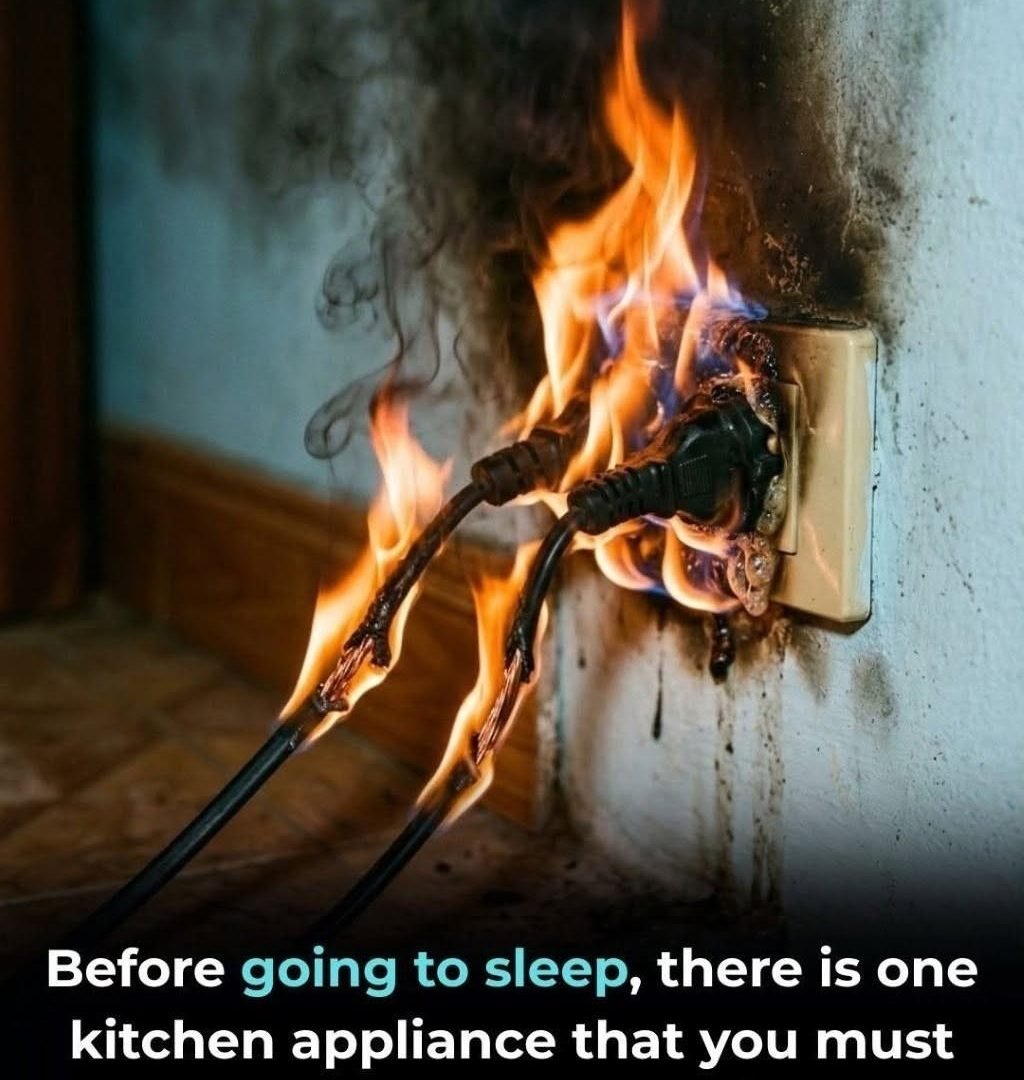
The most serious safety issue associated with air fryers is the risk of fire. Several high-profile recalls have underscored this danger. In 2025, almost 60,000 Tower air fryers were recalled due to a manufacturing defect that could cause the product to overheat and ignite during use. A separate recall of the Haden 11L Double Stack Air Fryer warned that the maximum temperature could exceed stated limits, causing plastic and metal parts to warp and melt, creating a serious fire risk. These recalls affected specific models manufactured within certain date ranges, but they serve as a reminder that electrical appliances operating at high temperatures demand respect and regular inspection.
Fire risk is not limited to defective units. Improper use can create hazards even with a well-made appliance. Overfilling the basket can cause food to touch the heating element, leading to smoke or ignition. Placing the appliance too close to a wall or under cabinets can trap heat. Using parchment paper or liners without securing them can cause them to be drawn into the heating element. These are not reasons to abandon the appliance, but they are reasons to read the manual and follow basic precautions.
The Importance of Ventilation and Placement
Air fryers release significant heat and moisture during operation. In a small, poorly ventilated kitchen, this can lead to condensation and, in some cases, trigger smoke alarms. Placing the air fryer on a heat-resistant surface and ensuring adequate clearance around the vents are essential. The appliance should never be operated inside a cabinet or enclosed space. These simple measures reduce the risk of overheating and improve the appliance’s longevity.
PFAS and Nonstick Coatings: A Measured Concern
Many air fryer baskets are coated with a nonstick material, typically polytetrafluoroethylene (PTFE), a type of per- and polyfluoroalkyl substance (PFAS). PFAS are often called “forever chemicals” because of their persistence in the environment, and some have been linked to health effects including immune system suppression, hormonal disruption, and liver damage. This understandably raises questions about whether cooking food in a PFAS-coated basket is safe.
The current scientific consensus offers reassurance for normal use. At the temperatures typically reached in an air fryer—generally up to around 200–230°C—intact nonstick coatings are stable and do not release significant amounts of PFAS into food. French consumer organization Que Choisir tested air fryers and found that none of the most harmful PFAS—PFOA, PFOS, and PFHxS—were detected. The German Federal Institute for Risk Assessment has similarly concluded that properly used PTFE-coated cookware poses no health risk.
When Coatings Become a Problem
The risk profile changes if the coating is damaged. Scratched or peeling nonstick surfaces can release particles into food, and overheating a damaged coating can produce fumes that are harmful to inhale. To minimize exposure, avoid using metal utensils that can scratch the basket, clean with soft sponges rather than abrasive pads, and replace the basket or the entire appliance if the coating is significantly worn. Using parchment paper or a silicone liner can also provide an additional barrier between the food and the coating, although these must be used safely to avoid airflow obstruction.
It is also worth noting that the environmental impact of PFAS production and disposal is a separate issue from direct food-contact risk. Consumers concerned about the broader environmental footprint of PFAS may wish to choose models with ceramic or stainless steel baskets, although these materials have their own performance trade-offs.
Food Safety and Cross-Contamination: The Overlooked Risk
A less publicized but arguably more immediate food safety concern involves how air fryers handle raw meat and poultry. Because air fryers cook with rapidly circulating air, they can create conditions that are less predictable than a conventional oven. The United States Department of Agriculture (USDA) has issued specific guidance for air fryer use, emphasizing the importance of verifying internal temperatures with a food thermometer.
The USDA’s recommended minimum internal temperatures are non-negotiable. Poultry must reach 165°F (74°C), ground meats 160°F (71°C), and whole cuts of beef, pork, veal, and lamb 145°F (63°C) with a three-minute rest. These temperatures are the same whether food is cooked in an oven, on a grill, or in an air fryer. The difference is that the compact, high-speed airflow of an air fryer can create hot spots and cold spots, making a food thermometer even more essential.
The Danger of Raw Frozen Breaded Chicken
Public health agencies have issued specific warnings about cooking raw, frozen, breaded chicken products—such as certain stuffed chicken breasts or nuggets—in an air fryer. The USDA Food Safety and Inspection Service has advised that these products should not be prepared in a microwave or air fryer unless the product packaging provides specific cooking instructions for those appliances. The concern is that the breading can brown and appear cooked while the interior remains raw, creating a serious risk of Salmonella or other foodborne illness. Several outbreaks of salmonellosis have been linked to undercooked frozen breaded chicken products, and the FSIS has stated that microwaving or air frying will not always cook them thoroughly.
Cross-Contamination and Cleaning
Cross-contamination is another area where air fryer users must be vigilant. Raw meat juices can drip onto the basket or tray, and if the appliance is not cleaned thoroughly after each use, those juices can contaminate subsequently cooked foods. The USDA recommends keeping raw meats, poultry, and seafood separate from cooked and ready-to-eat foods, and using separate cutting boards. The air fryer basket should be washed with hot, soapy water after every use, especially after cooking raw animal products. For those with food allergies, thorough cleaning is equally important, as residual proteins can trigger reactions even in small amounts.
Nutritional Reality: Air Fryer vs. Oven
One of the central claims in air fryer marketing is that the appliance produces healthier food than a conventional oven. The evidence suggests this claim is overstated. Because air fryers and ovens operate on the same principle—circulating hot air—there are no meaningful nutritional differences between food cooked in the two appliances. The adjustments that make a meal healthy in an air fryer, such as using less oil and avoiding excessive browning, can be applied equally in an oven.
Where air fryers do offer a genuine advantage is in comparison to deep frying. Air frying can reduce fat content substantially. Three ounces of air-fried French fries contain approximately 145 calories, compared with about 265 calories for the same amount of oil-fried fries. A study cited by The Takeout found that air frying without oil can cut calories by 70% to 80% and reduce acrylamide in fried potatoes by up to 90% compared with deep frying. This is a meaningful difference for people seeking to reduce their fat intake, but it is a difference between air frying and deep frying, not between air frying and oven baking.
Unexpected Nutritional Benefits
Research has also revealed some nuanced advantages. A study from the University of Seville found that cooking tomatoes in an air fryer at 190°C for 10 minutes resulted in the highest bioavailability of carotenoids—compounds that the body converts to vitamin A—compared with other cooking methods, including a conventional oven. The same study noted that air frying tomatoes reduced energy consumption by 80% compared with oven cooking. These findings suggest that the appliance’s efficiency and concentrated heat can, in certain cases, enhance nutrient availability. However, the researchers emphasized that these benefits are food-specific and should not be generalized into a blanket claim that air fryers are universally healthier.
Energy Efficiency and Cost: A Practical Advantage
For many households, the decision to use an air fryer instead of a full-sized oven is driven by economics. Electric ovens typically consume between 2,200 and 5,000 watts per hour, while air fryers generally use between 800 and 1,500 watts. This lower wattage, combined with faster cooking times, translates into real savings. The Energy Saving Trust estimated that cooking a 600g chicken breast costs about 14 pence in an air fryer versus 20 pence in an electric oven. Another analysis found that a typical air fryer uses around 0.35 to 0.9 kWh per use, costing roughly 8 to 22 pence, compared with 1.5 to 2.8 kWh for an oven.
These savings are most pronounced when cooking smaller portions. Heating a large oven for a single serving of fries or a small batch of vegetables is inefficient; the air fryer concentrates energy where it is needed. For larger meals or multiple dishes, the oven remains the more practical choice. The energy advantage is therefore situational, not absolute.
Practical Guidelines for Safe and Effective Air Fryer Use
The warnings surrounding air fryers are not a reason to remove them from the kitchen. They are a reason to use them with the same care and attention that any high-heat cooking appliance requires. The following guidelines synthesize the available evidence into actionable steps.
Preparation and Cooking
Soaking starchy foods such as potatoes in water for at least ten minutes before cooking can reduce acrylamide formation across all cooking methods. Avoid overcrowding the basket; food needs space for air to circulate, and overfilling can lead to uneven cooking and undercooked interiors. Aim for a golden color rather than a dark brown finish, and reduce the temperature slightly if food is browning too quickly.
Temperature Verification
Never rely on visual cues alone to determine whether meat, poultry, or egg dishes are safely cooked. Use a food thermometer to verify that internal temperatures meet USDA guidelines: 165°F (74°C) for poultry, 160°F (71°C) for ground meats, and 145°F (63°C) for whole cuts of beef and pork. This is especially important for raw frozen breaded chicken products, which should not be cooked in an air fryer unless the packaging provides specific instructions for that appliance.
Cleaning and Maintenance
Wash the basket and any removable parts with hot, soapy water after every use, particularly after cooking raw animal products. Inspect the nonstick coating regularly and replace the basket or appliance if the coating is significantly scratched or peeling. Keep the exterior and heating element free of grease buildup, which can cause smoke or fire.
Electrical and Fire Precautions
Place the air fryer on a heat-resistant surface with adequate clearance from walls and cabinets. Never operate it inside an enclosed space. Do not use parchment paper or liners unless they are specifically designed for air fryers and secured so they cannot contact the heating element. Check whether your model has been subject to a recall, and register the appliance with the manufacturer so you can be notified of any safety updates.
The Broader Context: A Tool, Not a Health Guarantee
The air fryer’s rise has been fueled by a powerful narrative: that it makes fried food healthy. That narrative is only partially true. The appliance can produce crisp, appealing food with less oil than deep frying, and it can be more energy-efficient than a full oven for small portions. But it does not magically eliminate the risks associated with high-heat cooking, and it does not transform inherently indulgent foods into nutritional staples. As dietitian Nichola Ludlam-Raine cautioned, “the biggest misunderstanding is that air fryers automatically make food healthy”.
The real determinants of a meal’s healthfulness are the ingredients, the amount of oil used, and the degree of browning—not the appliance alone. An air fryer can be a useful tool for reducing fat intake and saving energy, but it is most effective when paired with thoughtful food choices and safe cooking practices.
Frequently Asked Questions
Are air fryers more dangerous than ovens?
There is no consistent evidence that air fryers are inherently more dangerous than conventional ovens. Both use circulating hot air to cook food, and the formation of compounds such as acrylamide depends primarily on the food and the degree of browning rather than the appliance. Some studies have found slightly higher acrylamide levels in air-fried potatoes than in oven-baked ones, but the absolute levels remained well below regulatory benchmarks, and the differences were not always statistically significant. The more tangible risks associated with air fryers relate to electrical safety and fire, which can be mitigated through proper use and attention to recalls.
Do air fryers cause cancer?
Air fryers do not directly cause cancer. High-heat cooking of starchy foods can produce acrylamide, a substance classified as probably carcinogenic based on animal studies. However, epidemiological studies in humans have not established a causal link between dietary acrylamide and cancer risk. The goal is to reduce unnecessary acrylamide formation by avoiding burnt or very dark food, not to avoid browned food altogether.
Can I cook raw meat in an air fryer?
Yes, but with caution. Raw meat and poultry can be cooked in an air fryer, provided that a food thermometer is used to verify that the internal temperature reaches the USDA-recommended minimum. The compact airflow of an air fryer can create uneven cooking, so visual inspection is not sufficient. Raw frozen breaded chicken products should not be cooked in an air fryer unless the packaging specifically provides instructions for that method.
Is the nonstick coating on my air fryer safe?
Intact nonstick coatings, typically made from PTFE, are considered safe at normal cooking temperatures. They do not release significant amounts of PFAS into food during regular use. However, damaged or peeling coatings should be replaced, and overheating a damaged coating can produce harmful fumes. Using soft utensils and gentle cleaning methods helps preserve the coating.
Why have some air fryers been recalled?
Several air fryer models have been recalled due to manufacturing defects that could cause overheating, melting of plastic or metal parts, or fire. For example, recalls have affected certain Tower and Haden models. Consumers should check whether their specific model has been recalled and register their appliance with the manufacturer to receive safety notifications.
Are air fryers cheaper to run than ovens?
For small portions, yes. Air fryers typically use less electricity and cook faster than a full-sized electric oven, which can translate into cost savings. For larger meals or multiple dishes, the oven may be more efficient overall.
Does soaking potatoes before air frying reduce acrylamide?
Yes. Soaking cut potatoes in water for about ten minutes before cooking has been shown to reduce acrylamide formation across air frying, deep frying, and oven baking. This simple step removes excess surface starch and precursors that contribute to acrylamide production.
Conclusion: Informed Use, Not Fear
The air fryer is neither a miracle appliance nor a hidden hazard. It is a compact convection oven that has earned a place in millions of kitchens by offering convenience, speed, and a lower-fat alternative to deep frying. The warnings that have circulated in recent years—about acrylamide, electrical faults, and nonstick coatings—deserve attention, but they do not justify abandoning the appliance. They justify using it knowledgeably.
The evidence shows that air fryers do not produce dramatically higher levels of harmful compounds than other cooking methods, and that simple steps such as soaking potatoes and avoiding burnt food can further reduce any risks. The more immediate dangers are electrical and fire-related, and these are addressed through quality control, proper placement, and attention to recalls. By understanding what the appliance does well, where its limitations lie, and how to use it safely, home cooks can continue to enjoy the benefits of air frying without being misled by alarmist headlines or complacent marketing. The goal is not to choose between the air fryer and the oven, but to use each tool appropriately—and to cook with the care that good food, and good health, have always required.