“35 94” Pill Warning: What You Need to Know About Hydrocodone and Acetaminophen
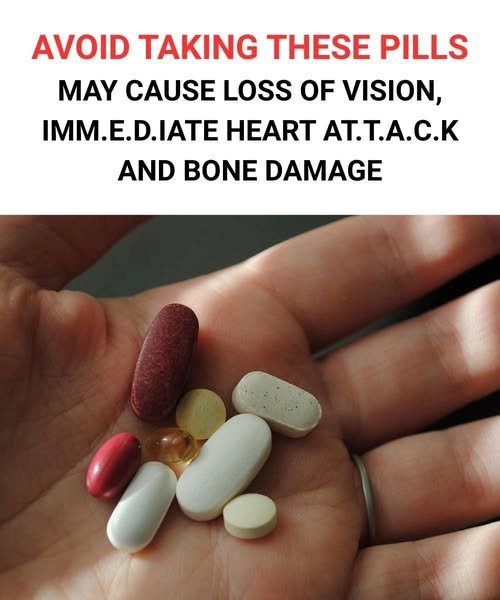
In the age of social media, a single image can spark widespread panic. A recent viral post features a close-up of a hand holding several white, oval-shaped pills imprinted with the numbers “35 94.” The text below the image delivers a terrifying warning: “WARNING: AVOID THESE PILLS. MAY CAUSE LOSS OF VISION, IMMEDIATE HEART ATTACK AND BONE DAMAGE.” The post directs viewers to check the first comment for more details, a classic tactic designed to drive engagement and traffic.
For anyone who has been prescribed this medication or has a loved one taking it, seeing such alarming claims is deeply unsettling. It is natural to want to understand the truth behind the warning. Is this a dangerous drug that should be avoided at all costs? Or is the post a misleading piece of fear-mongering?
The reality is far more nuanced. The pill in the image is a prescription medication containing hydrocodone bitartrate and acetaminophen (often known by brand names like Vicodin, Norco, or Lortab). It is a potent opioid analgesic used to treat moderate to severe pain. While it is a powerful medication that carries significant risks, the specific claims made in the viral post are exaggerated, misattributed, or presented without the critical context that patients need.
This comprehensive guide will identify the medication, explore its legitimate medical uses, examine the actual risks and side effects, and debunk the specific claims made in the viral warning. The goal is to provide a clear, accurate, and responsible overview so that patients can make informed decisions in partnership with their healthcare providers.
Identifying the “35 94” Pill: What Is It?
The first step in understanding the viral warning is to accurately identify the medication. The imprint “35 94” (often accompanied by a “V” on the reverse side) is the standard marking for a generic version of hydrocodone bitartrate and acetaminophen.
According to pill identification databases from Drugs.com, this specific tablet contains 500 mg of acetaminophen and 7.5 mg of hydrocodone bitartrate. The combination of these two medications works synergistically to provide pain relief.
The Role of Hydrocodone
Hydrocodone is an opioid (narcotic) analgesic. It works by binding to specific receptors in the brain and spinal cord, altering the way the brain perceives and responds to pain. It is a Schedule II controlled substance in the United States, meaning it has a high potential for abuse and dependence.
The Role of Acetaminophen
Acetaminophen (the active ingredient in Tylenol) is a non-opioid pain reliever and fever reducer. It is included in the combination pill to enhance the pain-relieving effects of hydrocodone through a different mechanism, allowing for a lower dose of the opioid to be used.
The Legitimate Medical Uses of Hydrocodone/Acetaminophen
Despite the alarming viral post, this medication serves a legitimate and important medical purpose. It is typically prescribed for the short-term management of moderate to moderately severe pain when non-opioid pain relievers (like ibuprofen or acetaminophen alone) are not effective or adequate.
Common scenarios where a doctor might prescribe this combination include:
Post-surgical pain: Recovery from procedures like dental surgery, orthopedic surgery, or Cesarean sections.
Acute injury: Severe sprains, fractures, or trauma.
Chronic pain flare-ups: In some cases, for patients with conditions like severe arthritis or back pain, though long-term use is approached with caution due to the risks of dependence.
It is crucial to emphasize that this is a prescription medication. It should only be used under the strict supervision of a healthcare provider, exactly as directed, and for the shortest duration necessary.
The Real Risks and Side Effects of Hydrocodone/Acetaminophen
While the viral post exaggerates certain claims, it is true that this medication carries significant risks. Understanding these risks is essential for safe use.
Common Side Effects
The most frequently reported side effects include light-headedness, dizziness, sedation, nausea, and vomiting. These effects are particularly common when starting the medication or when the dose is increased. Other potential side effects include:
Constipation (a very common opioid side effect)
Drowsiness and fatigue
Dry mouth
Headache
Serious Risks and Warnings
Addiction and Dependence: Hydrocodone is an opioid and carries a high risk of addiction, abuse, and misuse. Prolonged use can lead to physical dependence, where the body adapts to the drug and withdrawal symptoms occur if it is stopped abruptly.
Respiratory Depression: Opioids can slow breathing, which can be life-threatening, especially in high doses or when combined with other depressants like alcohol or benzodiazepines.
Liver Damage (Acetaminophen Toxicity): Acetaminophen is toxic to the liver in high doses. Because many over-the-counter cold and pain medications also contain acetaminophen, it is easy to accidentally exceed the safe daily limit (typically 4,000 mg for adults) if you are taking this prescription and other products simultaneously.
Drug Interactions: This medication can interact dangerously with other central nervous system depressants, including alcohol, benzodiazepines (like Xanax or Valium), and certain antidepressants.
Debunking the Viral Claims: Vision Loss, Heart Attack, and Bone Damage
The viral post makes three specific, alarming claims. Let’s examine the evidence behind each one.
Claim 1: May Cause Loss of Vision
The Reality: Vision-related side effects are not a primary or common risk of hydrocodone/acetaminophen. However, they are not entirely unheard of. A phase IV clinical study cited by eHealthMe reports that among patients taking this medication, 0.19% experienced loss of vision. Another source notes that blurred vision can occur, particularly in cases of abuse.
It is important to put this in perspective. A 0.19% incidence means it is a very rare side effect. The viral post’s blanket statement that the pills “may cause loss of vision” is technically true in the same way that any medication can cause rare side effects, but it is presented in a way that suggests a common or imminent danger. For the vast majority of patients, this medication will not affect their vision.
Claim 2: Immediate Heart Attack
The Reality: This is perhaps the most misleading claim in the post. Hydrocodone itself is not typically associated with an “immediate heart attack” in the way that the post implies. However, opioids as a class have been linked to an increased risk of cardiovascular events, including heart attack and stroke, particularly with long-term use or in high doses.
The risk is more strongly associated with combination products that include nonsteroidal anti-inflammatory drugs (NSAIDs) like ibuprofen. For example, a medication guide for hydrocodone/ibuprofen explicitly warns of an “increased risk of a heart attack or stroke that can lead to death”.
Furthermore, a large prospective cohort study found that prescription opioid use, including hydrocodone, was associated with a modestly increased risk of coronary heart disease and cardiovascular death.
However, the phrase “immediate heart attack” is sensationalized. The risk is generally cumulative over time or associated with underlying cardiovascular conditions, not a sudden, guaranteed event upon taking a single pill. Patients with pre-existing heart conditions should discuss the risks with their doctor.
Claim 3: Bone Damage
The Reality: Hydrocodone/acetaminophen is not directly toxic to bone tissue in the way that the post suggests. The claim likely stems from several indirect associations:
Fracture Nonunion: A study found that opioids, as a group, may increase the risk of fracture nonunion (when a broken bone fails to heal properly).
Opioid-Induced Endocrine Deficiencies: Chronic opioid use can suppress the endocrine system, leading to low testosterone and, subsequently, low bone mass or osteoporosis. One study noted that 71% of males with chronic opioid use and gonadal insufficiency had low bone mass.
Animal Studies: High doses of hydrocodone have been shown to cause skeletal malformations in animal fetuses, but this does not directly translate to bone damage in adult humans taking therapeutic doses.
The post’s claim of “bone damage” is an overstatement. While there are associations between long-term opioid use and bone health issues, it is not a direct, acute effect of the medication.
The Dangers of Social Media Medical Warnings
The viral “35 94” post is a prime example of how health misinformation can spread. These posts often use fear-based tactics to generate engagement, and they rarely provide the full context needed for a patient to make an informed decision.
The greatest danger of such posts is that they can cause patients to abruptly stop taking a prescribed medication. Suddenly discontinuing an opioid like hydrocodone can lead to severe withdrawal symptoms and a return of the pain for which it was prescribed. In some cases, it can even be dangerous.
If you see a post like this, the most responsible course of action is to consult your doctor or pharmacist. They can provide accurate information about the medication’s risks and benefits, and they can help you determine if it is the right treatment for you.
Safe Use and Responsible Prescribing
When used appropriately, hydrocodone/acetaminophen can be a safe and effective tool for managing acute pain. To use it safely:
Follow the prescription exactly: Do not take more than prescribed or for longer than directed.
Do not mix with alcohol or other depressants.
Be aware of acetaminophen in other products: Check the labels of over-the-counter cold and pain medications to avoid exceeding the daily limit.
Store it securely: Keep it out of reach of children and pets.
Dispose of unused medication properly: Many pharmacies offer take-back programs.
Frequently Asked Questions
Q: Is the pill with the imprint “35 94” Atorvastatin? No. The pill with the imprint “35 94” (often with a “V” on the other side) is a combination of hydrocodone bitartrate (7.5 mg) and acetaminophen (500 mg). It is a prescription opioid pain reliever, not a statin like Atorvastatin.
Q: Does this medication really cause immediate heart attacks? The risk of heart attack is not “immediate” for most users. However, opioids as a class have been associated with a modestly increased risk of cardiovascular events, especially with long-term use or in people with pre-existing heart disease. The risk is more pronounced with combination products that include NSAIDs.
Q: Can this pill cause bone damage? There is no direct evidence that hydrocodone/acetaminophen causes acute bone damage. However, long-term opioid use has been linked to an increased risk of fracture nonunion and bone density loss due to endocrine effects.
Q: Is it safe to stop taking this medication suddenly? No. You should never stop taking an opioid abruptly without medical supervision. Doing so can cause withdrawal symptoms and a return of pain. Your doctor can help you taper off the medication safely.
Q: What should I do if I see a scary post about my medication online? Do not panic and do not stop taking your medication. Instead, contact your doctor or pharmacist. They can provide you with accurate, evidence-based information about the risks and benefits of your specific prescription.
Q: What are the most common side effects of hydrocodone/acetaminophen? The most common side effects are dizziness, light-headedness, drowsiness, nausea, and vomiting. Constipation is also very common.
Q: Is hydrocodone the same as Vicodin? Vicodin is a brand name for a combination of hydrocodone and acetaminophen. The pill in the image is a generic version of this combination.
Conclusion
The viral “35 94” pill warning is a stark reminder of the power of social media to spread fear and misinformation. The medication in the image is a legitimate prescription opioid pain reliever that carries real risks, but the post’s claims of “immediate heart attack,” “loss of vision,” and “bone damage” are exaggerated and presented without the necessary context.
For patients prescribed hydrocodone/acetaminophen, the key is responsible use under the guidance of a healthcare professional. It is a powerful tool for managing acute pain, but it must be used with caution and respect for its potential for dependence and side effects.
The most important takeaway is to never let a social media post dictate your medical decisions. If you have concerns about a medication, the safest and most reliable course of action is to speak directly with your doctor or pharmacist. They can help you weigh the risks and benefits and ensure that your treatment plan is safe, effective, and tailored to your individual needs.