Eight Pills You Shouldn’t Take in Excess: Understanding Drug-Induced Kidney Damage
Your kidneys are remarkable organs. Every day, they filter roughly 150 quarts of blood to produce about one to two quarts of urine, removing waste products, balancing electrolytes, and regulating blood pressure. They are also the primary route through which many medications are eliminated from the body. This makes them uniquely vulnerable. When you take a pill, it does not simply vanish after it does its job; it must be processed and excreted, and the kidneys often bear the brunt of that metabolic burden. While modern pharmaceuticals are rigorously tested for safety, the risk of kidney damage—known medically as nephrotoxicity—is a genuine concern, particularly when certain medications are taken in excess, taken together, or taken by individuals whose kidney function is already compromised.
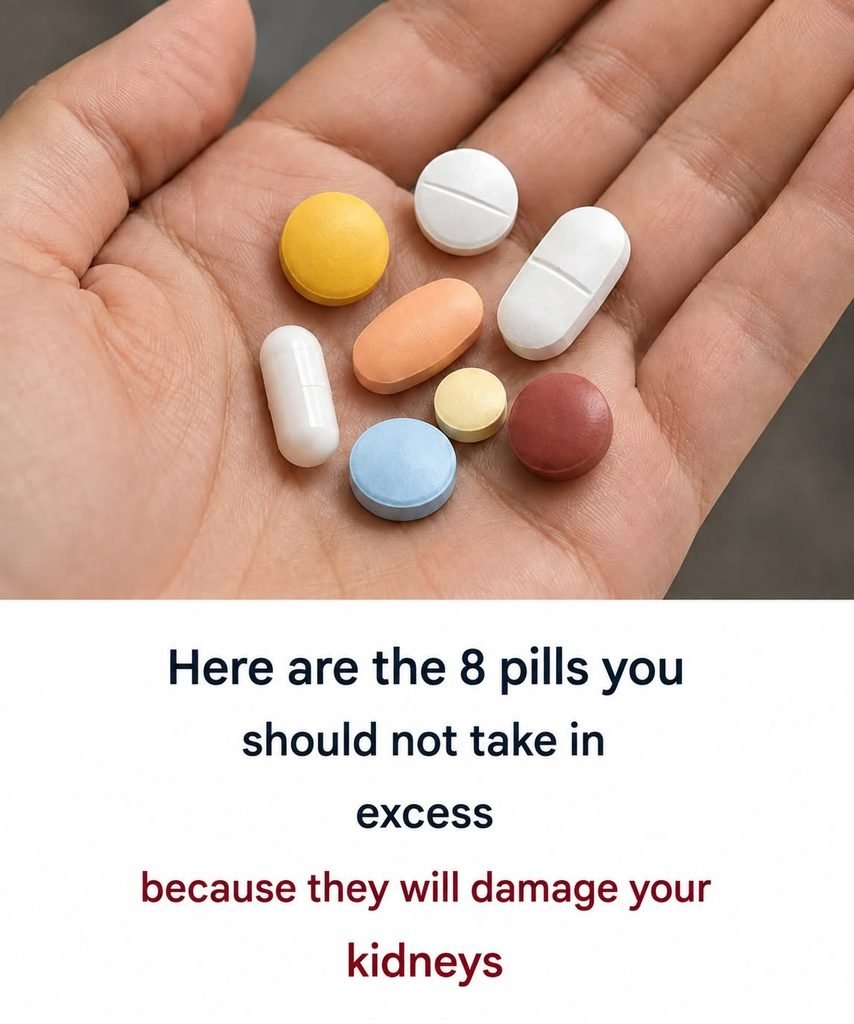
The image of eight pills resting in an open hand is a powerful visual metaphor. It represents the ease with which we consume over-the-counter pain relievers, antibiotics, and supplements, often without a second thought. But that handful of pills can also represent a silent threat. Drug-induced kidney injury is not a rare anomaly; it is a significant clinical issue. Nephrotoxic medications account for roughly 20% of all cases of acute kidney injury in hospital settings, and the risk increases substantially with age, as more than 70% of affected individuals are over the age of 70. The mechanisms vary—some drugs reduce blood flow to the kidneys, others cause direct toxicity to the cells of the renal tubules, and still others trigger inflammation or the formation of crystals that block the flow of urine.
This article is not intended to frighten you away from necessary medical treatment. Many of the medications discussed below are life-saving and essential when used correctly. The goal is to illuminate the risks, explain the why behind the warnings, and empower you to have more informed conversations with your healthcare provider. Understanding which pills carry the highest risk of kidney damage—and how to use them responsibly—is a crucial step in protecting your long-term health.
1. Nonsteroidal Anti-Inflammatory Drugs (NSAIDs)
If you have ever reached for a bottle of ibuprofen (Advil, Motrin) for a headache, or naproxen (Aleve) for a backache, you have used an NSAID. These medications are among the most widely consumed drugs in the world, prized for their ability to reduce pain, fever, and inflammation. However, they are also one of the most common causes of drug-induced kidney injury.
The kidneys rely on a delicate balance of blood flow to function properly. Prostaglandins, a group of hormone-like compounds, play a vital role in maintaining this balance by keeping the blood vessels within the kidneys dilated and ensuring adequate perfusion. NSAIDs work by inhibiting the cyclooxygenase (COX) enzymes, which are responsible for producing these prostaglandins. While this is precisely how they reduce inflammation and pain elsewhere in the body, it also means that NSAIDs can constrict the blood vessels in the kidneys, reducing renal blood flow and the glomerular filtration rate (GFR)—the measure of how efficiently the kidneys are filtering waste.
In healthy individuals with normal kidney function, this effect is usually temporary and reversible. But in people who are dehydrated, elderly, or already living with chronic kidney disease, the consequences can be severe. The reduction in blood flow can precipitate acute kidney injury (AKI), a sudden loss of kidney function that can be life-threatening. Moreover, long-term, habitual use of NSAIDs—especially combination painkillers that mix aspirin, acetaminophen, and caffeine—has been linked to a chronic condition called analgesic nephropathy, characterized by the slow, progressive scarring of the kidneys’ internal structures.
The risk is compounded when NSAIDs are taken alongside other medications that affect kidney hemodynamics, such as diuretics (“water pills”) or ACE inhibitors (blood pressure medications). Using these medications together can create a “triple whammy” effect that significantly increases the likelihood of kidney damage. It is important to note that acetaminophen (Tylenol) is generally considered safer for the kidneys than NSAIDs, as it does not have the same effect on renal blood flow, although chronic overuse of combination analgesics containing acetaminophen is still a risk factor for kidney impairment. The safest approach is to use NSAIDs at the lowest effective dose for the shortest possible duration, and to never exceed the recommended daily limit.
2. Certain Antibiotics (Aminoglycosides and Others)
Antibiotics are miracle drugs that have saved countless lives, but their power comes with a cost. The kidneys are responsible for filtering and excreting many antibiotics, which means these drugs can reach high concentrations within the renal tissue. Several classes of antibiotics are known to be nephrotoxic, and their use requires careful monitoring, especially in vulnerable patients.
Among the most notorious are the aminoglycosides, a class of powerful antibiotics that includes gentamicin, tobramycin, and amikacin. These drugs are typically reserved for serious, hospital-acquired infections, and for good reason. They are directly toxic to the cells of the proximal tubules in the kidneys. The drug accumulates within these cells, leading to mitochondrial damage and the generation of free radicals, which ultimately cause cell death and acute tubular necrosis. This damage can lead to a decline in kidney function that may not become apparent until several days after treatment begins.
Other antibiotics carry different risks. Beta-lactams, including penicillins and cephalosporins, can cause acute interstitial nephritis (AIN), an allergic-type inflammatory reaction within the kidney tissue. Sulfonamides and fluoroquinolones can cause crystalluria, where the drug precipitates out of the urine to form crystals that block the flow of urine and damage the kidney tubules. Even vancomycin, a mainstay for treating serious MRSA infections, has been associated with kidney injury, likely through a combination of direct toxicity and allergic reactions.
The key takeaway is not to avoid antibiotics when they are prescribed, but to use them judiciously. Antibiotics should only be taken for bacterial infections, not viral illnesses like the common cold. When they are necessary, your doctor should adjust the dose based on your kidney function, and you should stay well-hydrated to help flush the medication through your system. If you experience a decrease in urine output, swelling, or fatigue while taking an antibiotic, contact your healthcare provider immediately.
3. Proton Pump Inhibitors (PPIs)
Proton pump inhibitors (PPIs) like omeprazole (Prilosec), esomeprazole (Nexium), and lansoprazole (Prevacid) are among the most prescribed medications in the world. They are highly effective at treating heartburn, gastroesophageal reflux disease (GERD), and peptic ulcers by blocking the production of stomach acid. For years, they were considered remarkably safe. However, a growing body of evidence has linked long-term PPI use to a range of kidney-related adverse events.
The most well-documented renal risk associated with PPIs is acute interstitial nephritis (AIN), an inflammation of the kidney’s interstitial tissue. This is thought to be an immune-mediated reaction, meaning the body’s immune system mistakenly attacks the kidney cells in response to the drug. AIN can develop after weeks or even months of PPI use, and it often goes unrecognized because the symptoms—such as fatigue, mild fever, and a rash—are nonspecific. If left untreated, AIN can lead to chronic tubulointerstitial injury, fibrosis (scarring), and a progressive decline in kidney function, ultimately culminating in chronic kidney disease (CKD).
Observational studies have repeatedly found an association between PPI use and an increased risk of CKD, acute kidney injury, and even end-stage renal disease (ESRD). Some research suggests that the risk may be cumulative, meaning the longer you take a PPI, the higher the risk. While the absolute risk for any single individual remains relatively low—only a small proportion of patients (estimated at 2% to 3%) develop AIN from PPIs—the widespread use of these medications means that even a small percentage translates to a large number of affected people. The lesson here is that PPIs should be used at the lowest effective dose for the shortest duration necessary. If you have been on a PPI for years, it is worth discussing with your doctor whether you still need it, or if you can step down to a lower dose or an alternative treatment like an H2 blocker.
4. Oral Sodium Phosphate Laxatives
For many years, oral sodium phosphate (OSP) solutions, such as Fleet Phospho-soda, were a popular choice for bowel preparation before a colonoscopy. They were also used as over-the-counter laxatives for severe constipation. However, their safety profile changed dramatically when nephrologists began noticing a pattern of acute kidney injury in otherwise healthy patients following their use. This condition is now known as acute phosphate nephropathy (APN).
The mechanism behind APN is direct and mechanical. OSP solutions contain a high concentration of phosphate. When ingested, this leads to a massive surge of phosphate in the bloodstream. The kidneys attempt to excrete this excess phosphate, but it can precipitate out of the urine in the renal tubules, forming calcium-phosphate crystals. These crystals obstruct the flow of urine and cause direct damage to the tubular cells, leading to acute kidney injury. In severe cases, the damage can be irreversible and progress to chronic kidney disease.
The risk of APN is highest in individuals who are dehydrated, elderly, or have pre-existing kidney disease, high blood pressure, or diabetes. In 2006, the U.S. Food and Drug Administration (FDA) issued a warning about the risk of acute phosphate nephropathy associated with OSP products, and in 2014, the agency warned that using more than one dose in 24 hours for constipation can cause “rare but serious kidney and heart damage, even death”. As a result of these safety concerns, many OSP products have been removed from the market or are now available only by prescription. Today, safer alternatives, such as polyethylene glycol (PEG) based preparations, are preferred for bowel cleansing.
The world of dietary supplements is largely unregulated. Unlike pharmaceutical drugs, supplements do not need to prove their safety or efficacy before they are sold. While many supplements are benign, some can be profoundly toxic to the kidneys. The most infamous example is aristolochic acid, a compound found in plants of the Aristolochia genus, which have been used for centuries in traditional Chinese medicine for a variety of ailments.
Aristolochic acid is a potent nephrotoxin and a known human carcinogen. It causes a specific type of kidney damage called aristolochic acid nephropathy (AAN), characterized by rapidly progressive interstitial fibrosis—a scarring of the kidney tissue that leads to a swift decline in kidney function. The most notorious outbreak of AAN occurred in Belgium in the early 1990s, when a group of young women developed acute kidney failure after taking a Chinese herbal slimming pill that was mistakenly formulated with Aristolochia fangchi instead of a harmless herb. Nearly a third of the affected women eventually required a kidney transplant or dialysis.
Despite being banned in many countries, aristolochic acid remains a risk because of the global nature of the supplement market and the potential for mislabeling or contamination. Other herbal products, including some containing heavy metals, undisclosed prescription drugs, or high doses of certain plant compounds, can also cause kidney injury. The critical takeaway is to treat all supplements with caution. If you choose to take an herbal remedy, do so only after consulting with your doctor or a pharmacist, and always buy from reputable brands that provide third-party testing for purity and contaminants.
6. Antiviral Medications (Acyclovir and Others)
Antiviral drugs are essential for treating viral infections like herpes, shingles, and influenza. However, several of these medications are cleared by the kidneys and can cause kidney damage, particularly when given intravenously at high doses or when a patient is dehydrated.
Acyclovir is a widely used antiviral that is generally safe when taken orally. However, when administered intravenously for severe infections, it can cause crystal nephropathy. Similar to the mechanism of OSP laxatives, acyclovir can precipitate out of the urine and form needle-like crystals in the renal tubules, causing obstruction and acute kidney injury. The risk is significantly increased if the drug is infused too rapidly, if the patient is not adequately hydrated, or if they have pre-existing kidney impairment.
To prevent this, acyclovir infusions should be given slowly, and patients should be well-hydrated before and during treatment. Other antivirals, such as cidofovir and adefovir, are even more directly toxic to the kidney tubules and require strict monitoring of kidney function and careful dose adjustments. For most people taking oral acyclovir for a cold sore or shingles, the risk is minimal, provided they maintain good hydration. The danger is primarily in the hospital setting, where intravenous antivirals are used for serious systemic infections.
7. Blood Pressure Medications (ACE Inhibitors and ARBs)
This category requires a nuanced discussion, as the relationship between blood pressure medications and kidney health is complex. Angiotensin-converting enzyme (ACE) inhibitors (like lisinopril and enalapril) and angiotensin II receptor blockers (ARBs, like losartan and valsartan) are actually protective for the kidneys in the long term, particularly in people with diabetes. They work by relaxing the blood vessels, which lowers blood pressure and reduces the pressure inside the glomeruli, thereby slowing the progression of kidney disease.
However, these medications can also cause a temporary, reversible decline in kidney function, especially when they are first started or when the dose is increased. This is because they specifically dilate the efferent arteriole—the blood vessel exiting the glomerulus—which reduces the filtration pressure. In most patients, the kidneys adapt, and kidney function stabilizes. But in certain situations, such as when a patient is dehydrated or is also taking NSAIDs or diuretics, the combination can precipitate acute kidney injury.
The key is not to avoid these medications, but to use them under proper medical supervision. Your doctor should monitor your kidney function and potassium levels after starting an ACE inhibitor or ARB. If you experience a significant drop in kidney function (typically defined as a rise in serum creatinine of more than 30%), your doctor may need to adjust the dose or investigate other causes. The habit to break here is not taking the medication, but rather taking it without the necessary monitoring and without informing your doctor of other medications you are using.
8. Contrast Dyes Used in Medical Imaging
Strictly speaking, contrast dyes are not “pills” you take at home, but they are administered as part of many modern medical procedures, including CT scans and cardiac catheterizations. Iodinated contrast media are the most common culprit for a condition known as contrast-induced nephropathy (CIN) or contrast-associated acute kidney injury (CA-AKI).
The mechanism of CIN is multifactorial. The contrast dye can cause direct toxicity to the renal tubular cells, and it can also alter the hemodynamics of the kidney, reducing blood flow and oxygen delivery to the medulla—the inner part of the kidney that is particularly sensitive to oxygen deprivation. The risk is highest in patients with pre-existing kidney disease, diabetes, heart failure, or dehydration, and it increases with the volume of contrast used.
Prevention is highly effective. If you have kidney disease, your doctor should check your kidney function before administering contrast dye. If the procedure is elective, they may recommend stopping certain medications (like NSAIDs or metformin) beforehand. Adequate hydration with intravenous normal saline before and after the procedure is the cornerstone of prevention and has been shown to significantly reduce the risk of CIN. In recent years, the use of low-osmolar or iso-osmolar contrast media has also helped to lower the incidence of this complication. If you are scheduled for a procedure requiring contrast, it is crucial to inform the medical team about your kidney health and any medications you are taking.
Risk Factors and Prevention: Who Is Most Vulnerable?
Not everyone who takes these medications will experience kidney damage. The risk depends on a complex interplay of factors, including the dose and duration of the drug, the use of multiple nephrotoxic agents simultaneously, and, most importantly, the individual’s baseline kidney function.
Certain groups are at a significantly higher risk. Age is a major factor; as we grow older, kidney function naturally declines, and the kidneys become more susceptible to injury. People with pre-existing chronic kidney disease (CKD), diabetes, high blood pressure, or heart disease are also at elevated risk. Dehydration is a potent amplifier of nephrotoxicity, as it reduces blood flow to the kidneys and concentrates the drugs and their metabolites in the urine.
Prevention begins with awareness and communication. The most important habit to develop is to always inform your doctor and pharmacist about every medication you take, including over-the-counter drugs, vitamins, and herbal supplements. Do not assume that “natural” means “safe” or that a supplement cannot interact with a prescription medication. Before starting a new medication, ask your doctor about its potential effects on your kidneys and whether any monitoring is needed. If you have risk factors for kidney disease, ask your doctor to check your kidney function with a simple blood test (for creatinine and eGFR) and a urine test (for protein).
Finally, be an active participant in your own care. Use medications at the lowest effective dose for the shortest duration. Stay well-hydrated, especially when taking medications that are cleared by the kidneys. And if you experience symptoms such as swelling in your legs or ankles, a noticeable decrease in urine output, unexplained fatigue, or shortness of breath, seek medical attention promptly. These can be signs of kidney injury that should not be ignored.
Conclusion: Striking the Balance Between Treatment and Protection
The eight pills in that open hand are not villains. They are tools, and like any tool, they can be used safely and effectively, or they can cause harm if misused. The risk of drug-induced kidney damage is real, but it is also largely manageable. By understanding which medications carry the highest risk, how they cause damage, and who is most vulnerable, you can take proactive steps to protect your kidneys while still receiving the medical treatment you need.
The central message is one of informed caution. Do not stop taking a prescribed medication without talking to your doctor, as untreated high blood pressure, infections, or other conditions can be far more dangerous than the medication itself. Instead, focus on responsible use: ask questions, stay hydrated, avoid unnecessary combinations of nephrotoxic drugs, and insist on regular monitoring if you have risk factors for kidney disease. Your kidneys work tirelessly for you every day; a little vigilance on your part is the least you can do in return.
Frequently Asked Questions
Can I take ibuprofen if I have healthy kidneys? For most healthy adults, occasional use of ibuprofen at the recommended dose is generally safe. However, chronic use—especially at high doses or in combination with other pain relievers—can increase the risk of kidney damage. If you need pain relief regularly, talk to your doctor about safer alternatives, such as acetaminophen, and have your kidney function checked periodically.
Are PPIs like omeprazole safe for long-term use? PPIs are generally safe for short-term use, but long-term use has been associated with an increased risk of acute interstitial nephritis and chronic kidney disease. If you have been on a PPI for more than a few months, discuss with your doctor whether it is still necessary and whether you can reduce the dose or switch to a different type of medication.
Do herbal supplements really damage the kidneys? Yes, some can. Aristolochic acid is a well-known nephrotoxin, and other herbal products can be contaminated with heavy metals or undisclosed drugs. Because supplements are not tightly regulated, it is important to choose reputable brands and to always consult your doctor before starting a new supplement, especially if you have kidney disease.
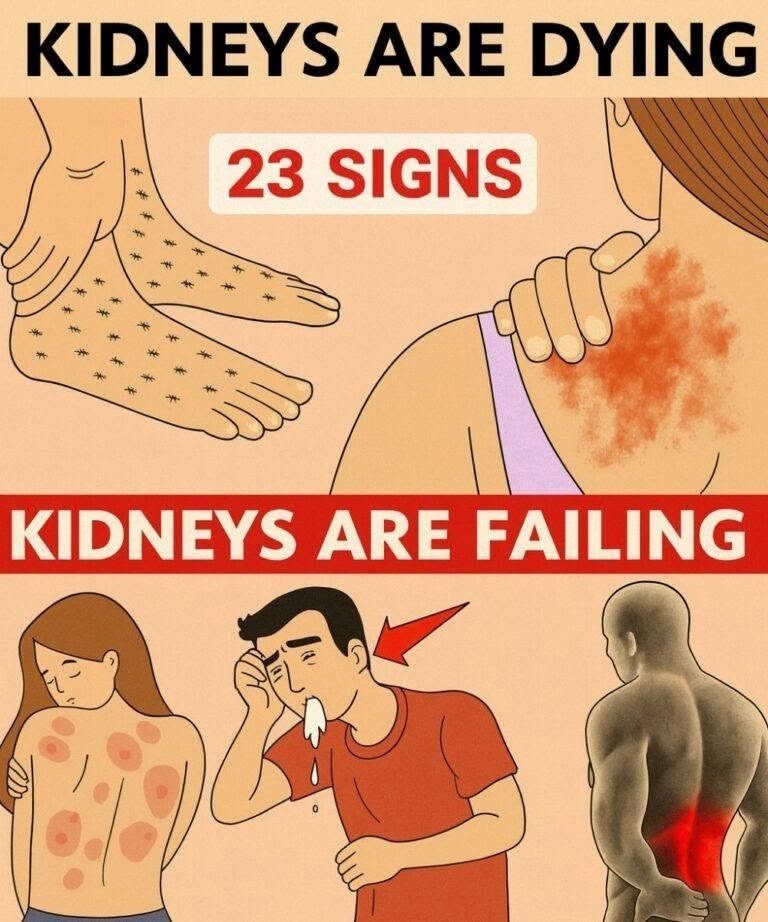
What are the warning signs of kidney damage from medication? The early signs can be subtle. Watch for swelling in your legs, ankles, or feet; a decrease in urine output; unexplained fatigue; shortness of breath; nausea; or confusion. If you experience any of these symptoms while taking a new medication, contact your healthcare provider immediately.
Is it safe to take contrast dye if I have kidney disease? It can be, but precautions are necessary. Your doctor should check your kidney function beforehand, ensure you are well-hydrated with intravenous fluids, and use the lowest possible volume of low- or iso-osmolar contrast. If you have kidney disease, always inform the medical team before any procedure that involves contrast dye.