13 Alarming Signs of Chronic Kidney Disease (Are You at Risk?)
1. Severe, Unexplained Itching (Uremic Pruritus)
As depicted in the top left image, the woman is intensely scratching her back, leaving red marks. This is a classic symptom of advanced kidney disease. When the kidneys cannot filter waste, urea and other toxins build up in the bloodstream (a condition called uremia). This causes severe irritation of the skin. Furthermore, the kidneys regulate phosphorus; when they fail, phosphorus levels rise, leading to calcium deposits in the skin that trigger maddening, deep-seated itching that does not respond to moisturizers.
2. Tingling, Numbness, and the “Ants” Sensation
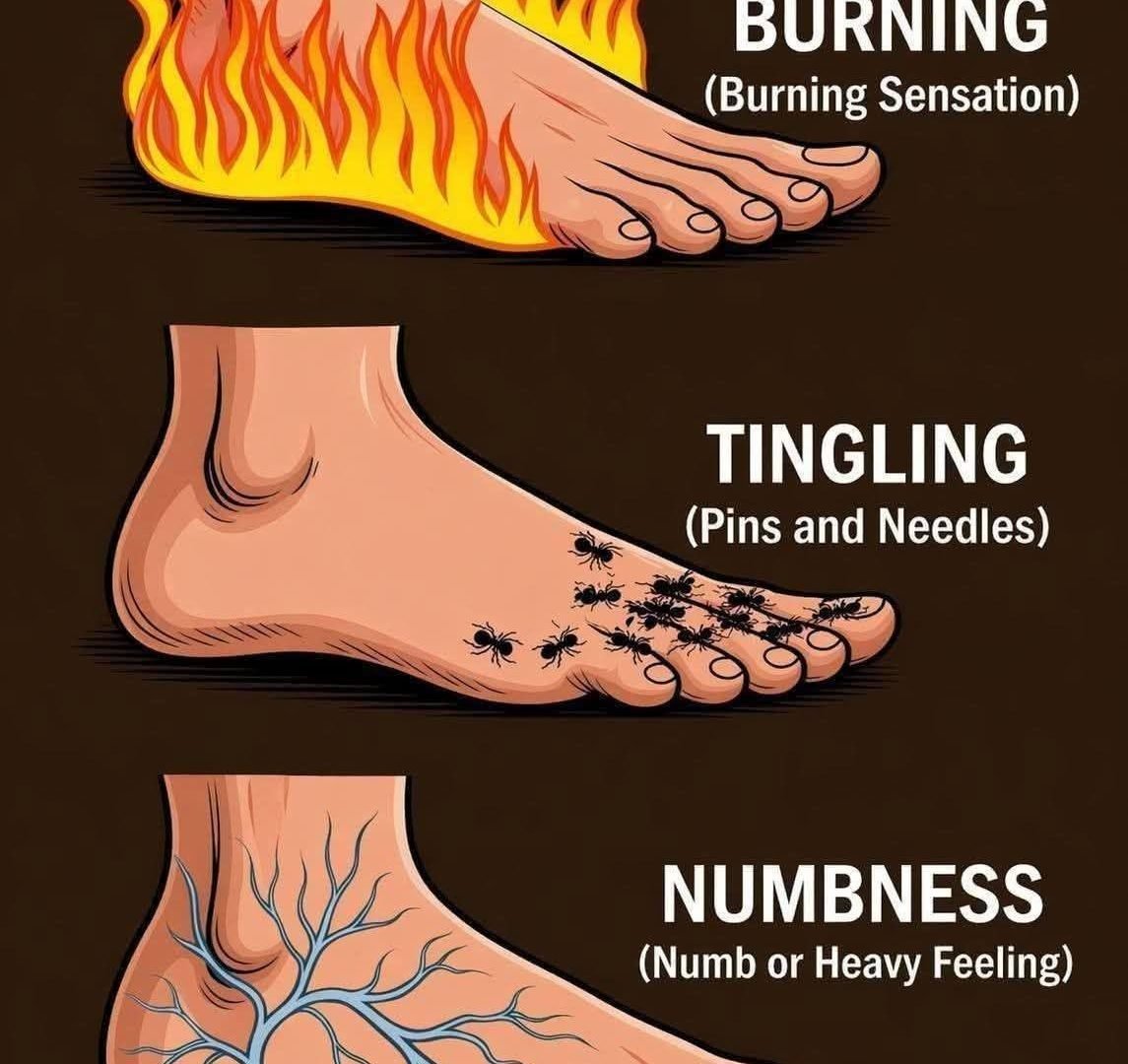
The top right image shows feet covered in ants, representing the crawling, prickling, or numb sensation known as peripheral neuropathy. When kidney function declines, the balance of electrolytes—especially calcium and potassium—is disrupted. The accumulation of uremic toxins can be toxic to the nerves, causing damage to the peripheral nervous system. This leads to tingling, a “pins and needles” sensation, or a feeling that bugs are crawling on the skin, most commonly starting in the feet and hands.
3. Deep Flank or Lower Back Pain
The image subtly highlights the lower back with a red glow. While chronic kidney disease is usually painless, severe pain in the lower back or flank (the area between the ribs and hips) can indicate specific kidney issues. This is common with kidney infections (pyelonephritis), kidney stones, or polycystic kidney disease, where large cysts press against the surrounding tissue.
4. Changes in Urination Habits
The kidneys are the primary producers of urine. When they fail, the most direct signs appear in the bathroom.
Foamy Urine: Excess bubbles that look like a beer head indicate proteinuria (protein leaking into the urine).
Nocturia: Waking up multiple times at night to urinate is an early sign of kidney failure, as the kidneys lose their ability to concentrate urine.
Reduced Output: If you are barely urinating despite drinking normal amounts of water, it could indicate acute kidney injury or end-stage renal disease.
5. Swelling in the Extremities (Edema)
The kidneys are responsible for maintaining fluid balance. When they cannot excrete excess sodium and water, fluid pools in the body’s tissues. This usually appears as swelling (edema) in the ankles, feet, and lower legs. It may also appear around the eyes (periorbital edema), especially in the morning.
6. Puffy Eyes
As mentioned above, the delicate skin around the eyes is often the first place fluid retention becomes visible. This can make the face look swollen or bloated, even if you have slept well.
7. Persistent Fatigue and Weakness
When kidneys fail, they produce less erythropoietin (EPO). This hormone tells the body to make red blood cells. A lack of EPO leads to anemia, which means less oxygen reaches the brain and muscles. This results in overwhelming fatigue, weakness, and difficulty concentrating.
8. Shortness of Breath
Feeling breathless, especially after minimal exertion, can be caused by two kidney-related issues. First, anemia reduces the oxygen-carrying capacity of the blood. Second, fluid can build up in the lungs (pulmonary edema) due to fluid retention, making it difficult to breathe, especially when lying flat.
9. Dizziness and Brain Fog
Anemia and the buildup of uremic toxins can affect the brain. People with kidney disease often report dizziness, memory problems, trouble concentrating, and a general sense of “brain fog.”
10. Metallic Taste and Bad Breath
The buildup of urea in the blood can be broken down into ammonia in the saliva. This can cause a persistent metallic taste in the mouth and a foul, ammonia-like breath (uremic fetor). It often leads to a loss of appetite and weight loss.
11. Nausea and Vomiting
The accumulation of toxins can trigger the gastrointestinal tract, leading to persistent nausea and vomiting. This is a systemic reaction to the body being unable to clear waste, and it can significantly impact nutritional intake.
12. High Blood Pressure
The kidneys help regulate blood pressure. Damaged kidneys cannot balance sodium and water, and they often produce excess renin, leading to hypertension. This is a vicious cycle: high blood pressure damages kidneys, and damaged kidneys cause high blood pressure.
13. Sleep Problems
Kidney failure is strongly linked to sleep disorders. Frequent nocturnal urination, muscle cramps, restless legs, and the psychological stress of chronic illness can all contribute to insomnia. Sleep apnea is also common in people with CKD.
Who Is At Risk? The Major Risk Factors
While anyone can develop kidney disease, certain populations are at a significantly higher risk. The two leading causes of CKD are Diabetes and High Blood Pressure.
Diabetes
Chronically high blood sugar damages the blood vessels in the kidneys, preventing them from filtering blood properly. Diabetic nephropathy is the leading cause of kidney failure worldwide.
High Blood Pressure
Hypertension damages the kidneys by narrowing and weakening the blood vessels. It is the second leading cause of kidney failure.
Other Risk Factors
Family History: A genetic predisposition to kidney disease.
Age: Risk increases significantly over the age of 60.
Obesity: Increases the risk of diabetes and hypertension.
Smoking: Damages blood vessels.
Medications: Chronic use of NSAIDs (like ibuprofen) can cause kidney damage.
Cardiovascular Disease: Heart disease increases the risk of kidney problems.
Diagnosing Kidney Disease: The Critical Tests
Because the early signs are so subtle, routine screening is essential for those at risk.
The eGFR Test
The estimated Glomerular Filtration Rate (eGFR) is a calculation based on the level of creatinine in your blood. It estimates how well the kidneys are filtering. A normal eGFR is 90 or higher. A value below 60 for three months or more indicates chronic kidney disease.
The Albumin-to-Creatinine Ratio (UACR)
This urine test measures the amount of albumin (a protein) in the urine. The presence of albumin means the filters are damaged. A normal UACR is less than 30 mg/g.
Imaging and Biopsy
If the initial tests are abnormal, doctors may perform an ultrasound, CT scan, or, in rare cases, a kidney biopsy to determine the exact cause of the damage.
Protecting Your Kidneys: Actionable Steps
If you have risk factors, protecting your kidneys is a lifelong commitment.
Control Blood Sugar: If you have diabetes, keeping your HbA1c within the target range is the most effective way to protect your kidneys.
Manage Blood Pressure: Aim for a blood pressure target below 130/80 mmHg, as recommended by the American Heart Association.
Stay Hydrated: Drink adequate water to help flush waste products.
Limit NSAIDs: Avoid taking ibuprofen or naproxen daily. Consult a doctor for alternative pain relief.
Eat a Kidney-Friendly Diet: Limit sodium, processed foods, and high-phosphorus foods (like soda and dairy).
Quit Smoking: Smoking constricts blood vessels and increases the risk of heart and kidney disease.
Exercise Regularly: Maintaining a healthy weight reduces the risk of diabetes and hypertension.