13 Alarming Signs of Chronic Kidney Disease (Are You at Risk?)
These images are not meant to shock without reason. They are visual translations of the symptoms that often go unnoticed until the kidneys have sustained irreversible damage. Chronic Kidney Disease (CKD) is often called a “silent killer” because it progresses gradually over months or years. The kidneys possess a remarkable functional reserve; they can continue to filter blood and remove toxins even when up to 90% of their function has been lost. Because of this, the early warning signs are often subtle, easily dismissed as the normal aches and pains of aging or the result of a busy lifestyle.
However, the body is always communicating. When the kidneys begin to falter, the resulting buildup of waste products, the disruption of fluid balance, and the changes in hormone production manifest in specific, observable ways. From the skin to the feet, and from the back to the breath, the signs of failing kidneys are written across the body.
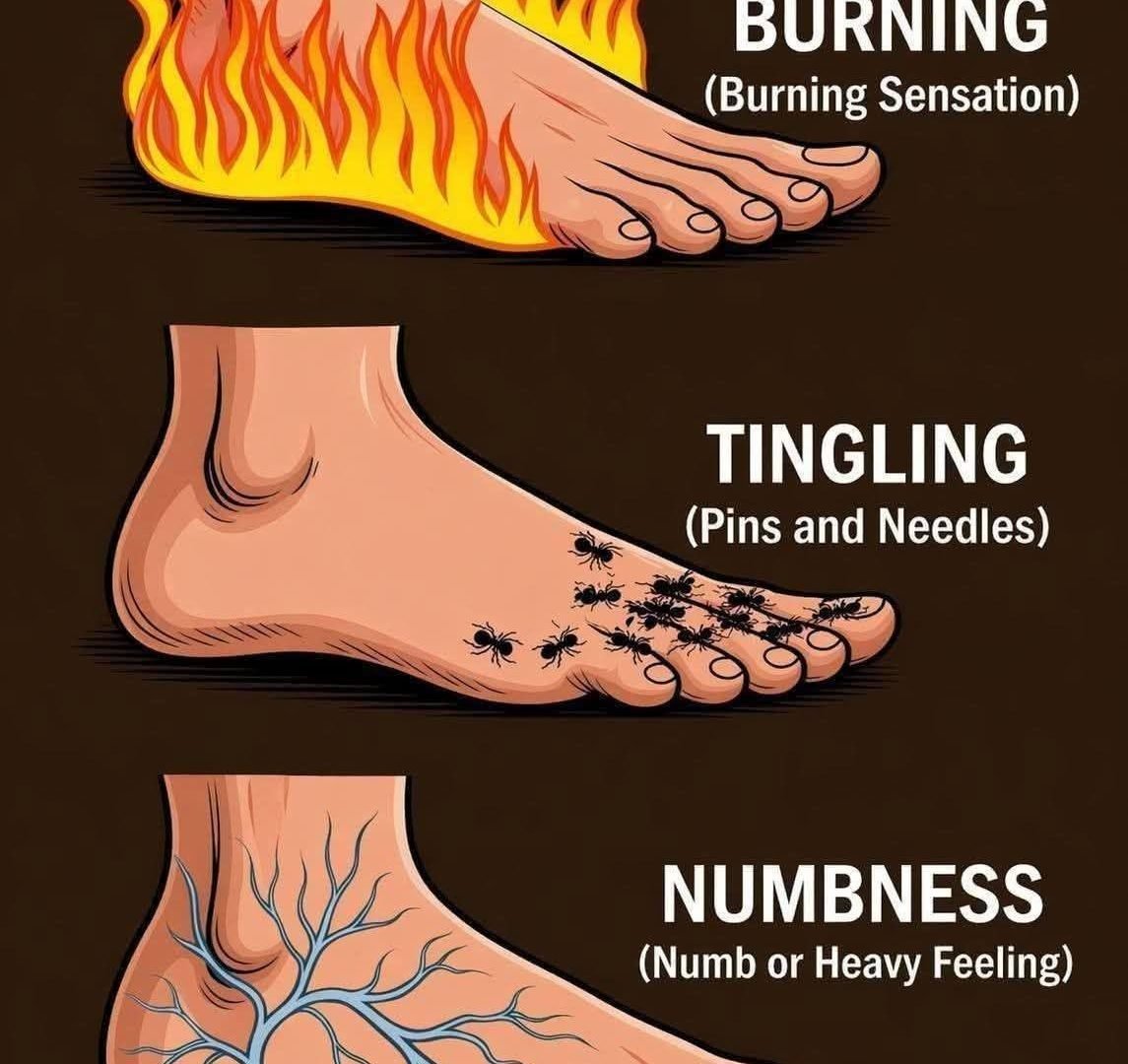
This comprehensive guide will explore the 13 alarming signs of Chronic Kidney Disease, decoding the visual evidence presented in the image and providing a detailed roadmap for recognizing the symptoms. We will also examine the critical risk factors, the diagnostic process, and the preventative measures you can take to protect these vital organs.
The Anatomy of Filtration: Understanding Your Kidneys
To appreciate why kidney failure causes such a wide array of symptoms, we must first understand what the kidneys do. Located on either side of the spine, just below the rib cage, the kidneys are sophisticated, bean-shaped organs that process approximately 200 liters of blood every day.
The Nephron: The Microscopic Filter
The functional unit of the kidney is the nephron. Each kidney contains about a million nephrons. Inside each nephron is a glomerulus—a tiny, intricate cluster of blood capillaries that acts as a microscopic sieve. This sieve allows waste products, excess salts, and water to pass through into the urine, while keeping essential proteins and blood cells in the bloodstream.
The Functions of the Kidney
The kidneys are not just filters; they are multifaceted organs with endocrine functions:
Waste Removal: They filter out urea, creatinine, and other metabolic waste products.
Fluid and Electrolyte Balance: They regulate the body’s water content and the levels of sodium, potassium, calcium, and phosphorus.
Blood Pressure Regulation: They produce a hormone called renin, which helps control blood pressure.
Red Blood Cell Production: They produce erythropoietin (EPO), a hormone that signals the bone marrow to create red blood cells.
Vitamin D Activation: They convert vitamin D into its active form, which is necessary for bone health.
As seen in the image’s diagram, a normal kidney is plump and healthy. A diseased kidney becomes shrunken, scarred (fibrotic), and unable to perform these vital functions. This systemic failure is what triggers the 13 signs detailed below.
13 Alarming Signs of Chronic Kidney Disease
While not everyone will experience all of these symptoms, and many symptoms overlap with other conditions, the presence of several of these signs should prompt a medical evaluation.