What It Really Means When an Outlet Is Installed “Upside Down” (Ground-Up vs. Ground-Down)
ground-down convention is also common and equally valid in most homes.
The electrical code generally does not mandate one orientation over the other in ordinary dwellings. Local rules, project specifications, and installer preference determine the choice. What matters far more is correct wiring, grounding, GFCI and AFCI protection, tamper resistance, and safe use. If you are curious, use a receptacle tester. If you are concerned, call an electrician. But do not panic just because an outlet is rotated. It is not a secret code—it is simply a different way of mounting the same safe device.
Frequently Asked Questions
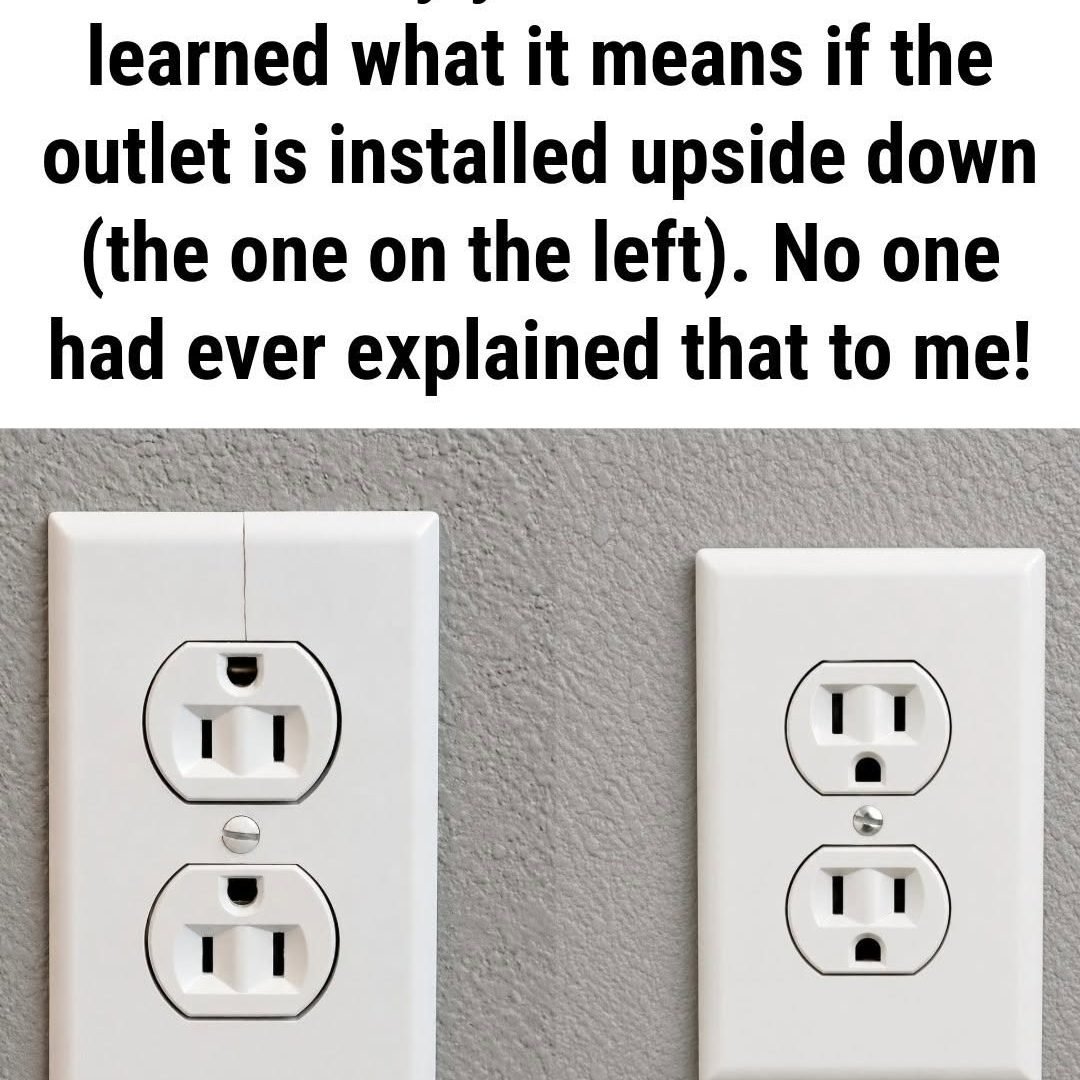
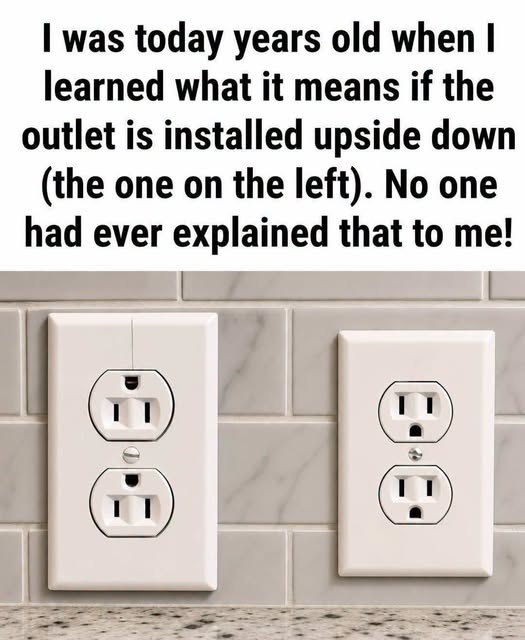
What does it mean if an outlet is installed upside down?
It usually means the outlet is installed ground-up, with the round grounding hole at the top instead of the bottom. It is a matter of orientation, not necessarily a wiring problem or code violation.
Is an upside-down outlet dangerous?
Not by itself. A correctly wired ground-up outlet is safe. The orientation may reduce one specific risk involving a falling metal object, but it does not replace proper grounding, GFCI protection, or safe use.
Is ground-up required by code?
In the United States, the National Electrical Code does not generally require ground-up or ground-down for standard duplex receptacles in dwellings. Local codes, facility standards, and project specifications may require one orientation.
Why do hospitals install outlets ground-up?
Hospitals and other institutions often choose ground-up as a safety convention and house standard. It is based on the metal-object scenario and on standardization, not on a universal code requirement.
Does ground-up mean the outlet is wired backward?
No. Orientation and wiring are separate. A ground-up outlet can be wired correctly. Use a receptacle tester or call an electrician to check polarity and grounding.
Does ground-up mean it is a special outlet?
Usually not. It is typically a standard duplex receptacle rotated 180 degrees. Special features such as GFCI, AFCI, tamper resistance, or 20-amp capacity are identified by markings, buttons, and slot shapes, not by orientation.
Can I flip my outlet to ground-up myself?
Only if you are qualified and comfortable working with electricity. Turn off the breaker, verify power is off, and follow local code. If you are unsure, hire a licensed electrician.
What is more important than outlet orientation?
Correct wiring, grounding, GFCI protection in wet areas, AFCI protection where required, tamper-resistant outlets, safe cords, and not overloading circuits are far more important than orientation.
Why do some plugs fit better in one orientation?
Some right-angle cords and plug-in devices are designed for a specific orientation. If a cord is strained, use a short extension cord or a right-angle adapter rather than forcing the plug.
When should I call an electrician?
Call an electrician if an outlet is hot, discolored, loose, buzzing, sparking, cracked, ungrounded where grounding is needed, or if a GFCI fails to trip. Also call if you are unsure about wiring or code requirements.