What It Really Means When an Outlet Is Installed “Upside Down” (Ground-Up vs. Ground-Down)
The Hospital and Commercial Connection
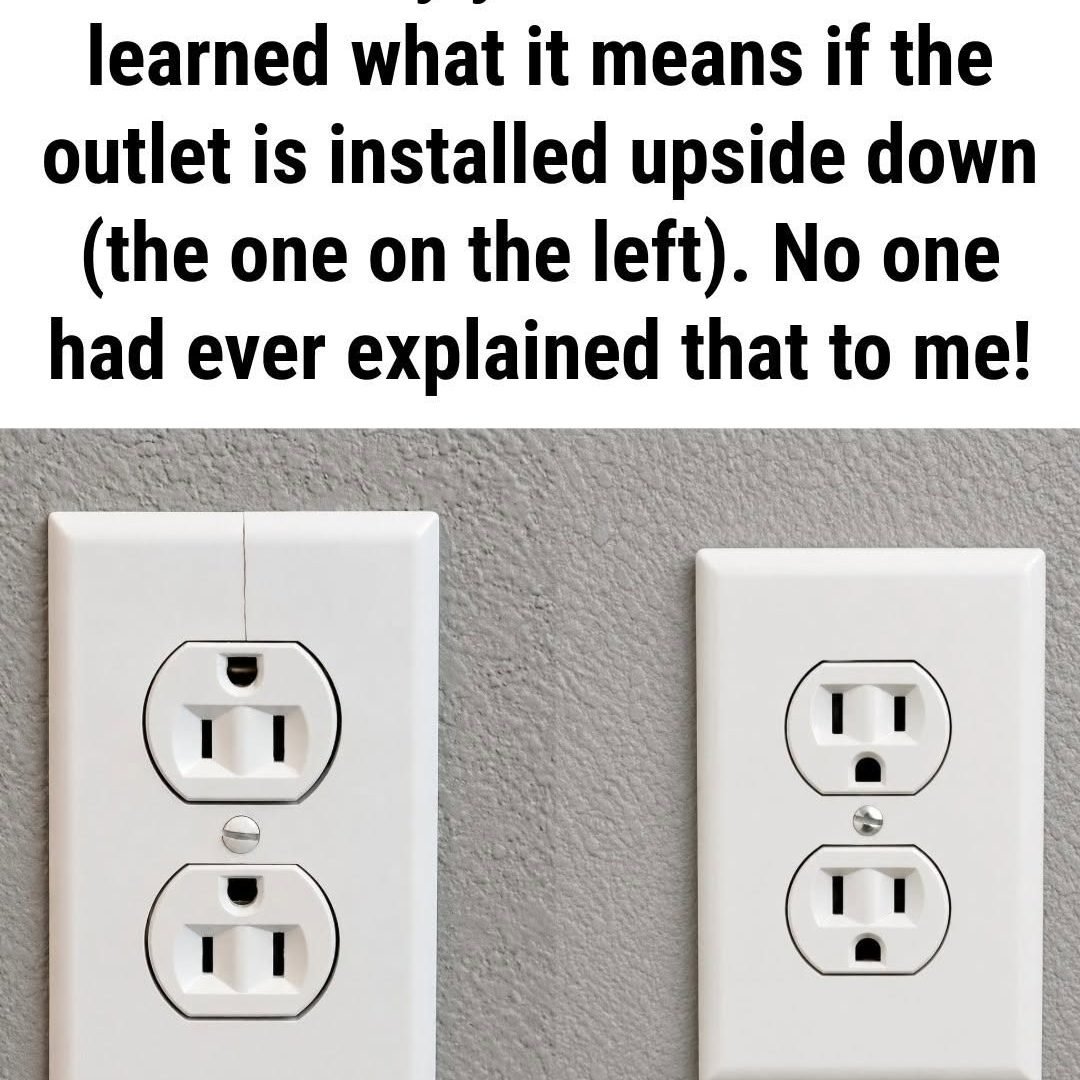
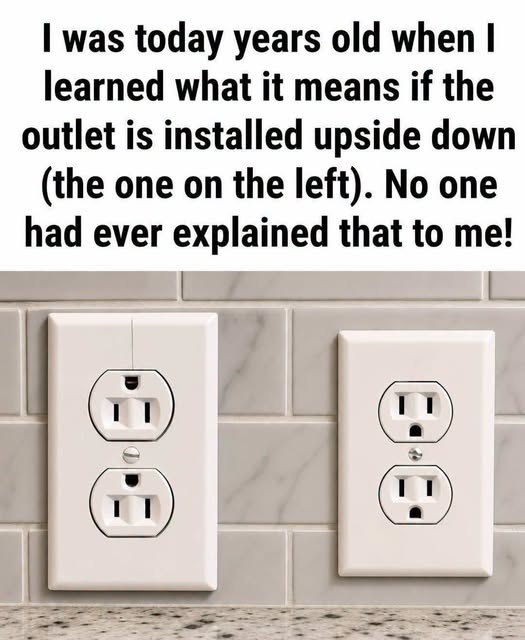
If you have ever looked at an outlet in a hospital, laboratory, or commercial kitchen and noticed that the ground pin is at the top, you are not imagining it. Many healthcare facilities and commercial buildings specify ground-up receptacles as part of their electrical standards.
This is often called a “hospital-grade” installation, but the term is misleading. “Hospital-grade” is a rating for the receptacle itself—it refers to higher durability, better contact retention, and stricter manufacturing standards. It does not mean the outlet must be installed ground-up. The orientation is a separate design choice.
Hospitals and laboratories often choose ground-up because of the metal-object rationale, because of infection-control and cleaning practices, and because standardized orientation makes inspections easier. In some facilities, ground-up is simply the house style. It is not a universal code requirement for hospitals, but it is a common institutional standard.
What the Electrical Code Actually Says
In the United States, the National Electrical Code does not generally mandate whether a standard duplex receptacle must be installed ground-up or ground-down in a dwelling. The NEC focuses on proper wiring, grounding, bonding, box fill, tamper resistance, GFCI protection, AFCI protection, and installation instructions. Orientation is usually a matter of local amendments, project specifications, manufacturer instructions, or the authority having jurisdiction.
Some local jurisdictions, builders, or facility standards may require ground-up in certain applications. Some may require ground-down. Many do not specify. The key point is that “ground-up” is not automatically a code violation, and “ground-down” is not automatically the only legal orientation. The wiring behind the outlet matters far more than the rotation of the device.
If you are installing a new receptacle, follow the manufacturer’s instructions, local code, and the requirements of your inspection authority. If you are simply observing an existing outlet, do not assume it is wrong just because it is rotated.
Does Orientation Affect Electrical Function?
No. A correctly wired receptacle will deliver power the same way whether the ground pin is at the top or the bottom. The hot slot remains hot, the neutral slot remains neutral, and the ground hole remains ground. The plug will fit either way. The device will work either way.
Orientation can affect practical matters, however. Some right-angle plugs, furniture, baseboards, and cord shapes are designed to hang downward from a ground-down outlet. If the outlet is ground-up, the cord may point upward or sideways, which can strain the cord or block adjacent outlets. Some plug-in devices, such as certain timers, adapters, or wall chargers, may fit more easily in one orientation than the other.
Orientation can also affect how easy it is to read labels or operate a switch on the plug. But these are convenience issues, not electrical ones.
The Metal-Object Scenario in Plain Language
The ground-up safety argument is easier to understand with a simple image. Picture a plug that is halfway out of the outlet. The two flat blades are exposed. If a metal object falls from above, it will hit whatever is at the top of the outlet first.