What It Really Means When an Outlet Is Installed “Upside Down” (Ground-Up vs. Ground-Down)
If a plug or cord is being strained because the outlet is oriented the “wrong” way for that device, a short extension cord or a right-angle adapter can solve the problem. Do not force a plug or modify the outlet.
Tamper-Resistant Outlets and Child Safety
Modern electrical code in many jurisdictions requires tamper-resistant receptacles in homes. These have internal shutters that block foreign objects from entering the slots unless a proper two-prong plug is inserted. TR outlets are a far more effective child-safety measure than orientation.
If you have young children, do not rely on “ground-up” as a safety strategy. Use TR receptacles, outlet covers, cord management, and GFCI protection in bathrooms, kitchens, laundry areas, and outdoors. Teach children not to play with outlets or plugs.
How to Inspect an Outlet Safely
If you are curious about an outlet’s wiring, do not remove the cover or poke inside. Use a plug-in receptacle tester, which is inexpensive and available at hardware stores. A tester can indicate open ground, open neutral, open hot, reversed polarity, and other common faults.
You can also press the TEST and RESET buttons on a GFCI outlet to confirm it trips. If it does not trip, the GFCI may be faulty or wired incorrectly. Call an electrician.
Do not use a multimeter unless you are trained and comfortable working with live electricity. Do not insert anything other than a proper plug into an outlet. Do not rely on visual orientation to judge safety.
Warning Signs That Matter More Than Orientation
An outlet’s rotation is less important than these warning signs:
The outlet is warm or hot to the touch.
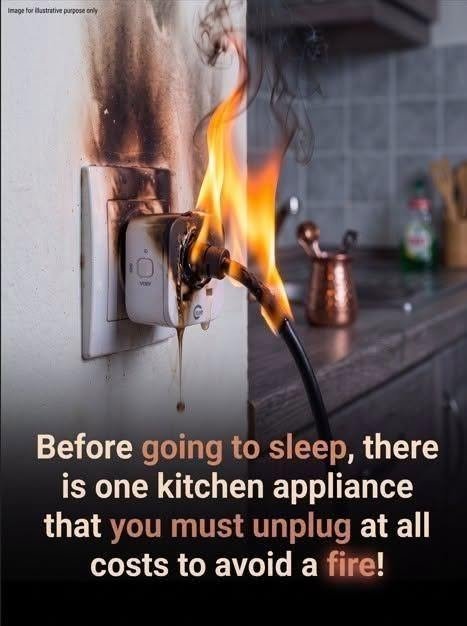
There are burn marks, scorch marks, or discoloration.
The plug fits loosely or falls out.
The outlet buzzes, crackles, or sparks.
The cover plate is cracked or missing.
The outlet is ungrounded and you need grounding for safety.
A GFCI fails to trip when tested.
The outlet is in a wet location without GFCI protection.
The circuit breaker trips repeatedly.
There is a burning smell near the outlet.
These are reasons to stop using the outlet and call a qualified electrician.
Should You Flip an “Upside Down” Outlet?
If the outlet is working, properly wired, and not required by local code or a specific standard to be ground-up or ground-down, there is usually no urgent reason to flip it. Changing orientation is a cosmetic or preference-based task, not a safety emergency. If you do want it changed, turn off the circuit breaker, verify power is off, and have a qualified electrician or experienced DIYer do the work. Never work on a live circuit.
If the outlet is loose, cracked, discolored, buzzing, hot to the touch, or has a missing cover plate, do not ignore it. Those are signs of a potential hazard. Call an electrician.
Ground-Up, Ground-Down, and Older Homes
Older homes may have two-prong outlets with no ground hole at all. In that case, orientation is not the issue. The issue is whether the circuit has a safe grounding path, whether a GFCI is protecting the circuit, and whether the wiring is in good condition. Do not assume that a ground-up outlet in an old home is safer than a ground-down outlet. The wiring behind the wall matters more.
If an older two-prong outlet has been replaced with a three-prong outlet without proper grounding, that is a real safety concern. A plug-in tester can help identify an open ground. An electrician can recommend options such as GFCI protection, proper grounding, or a grounded circuit.
Practical Takeaways
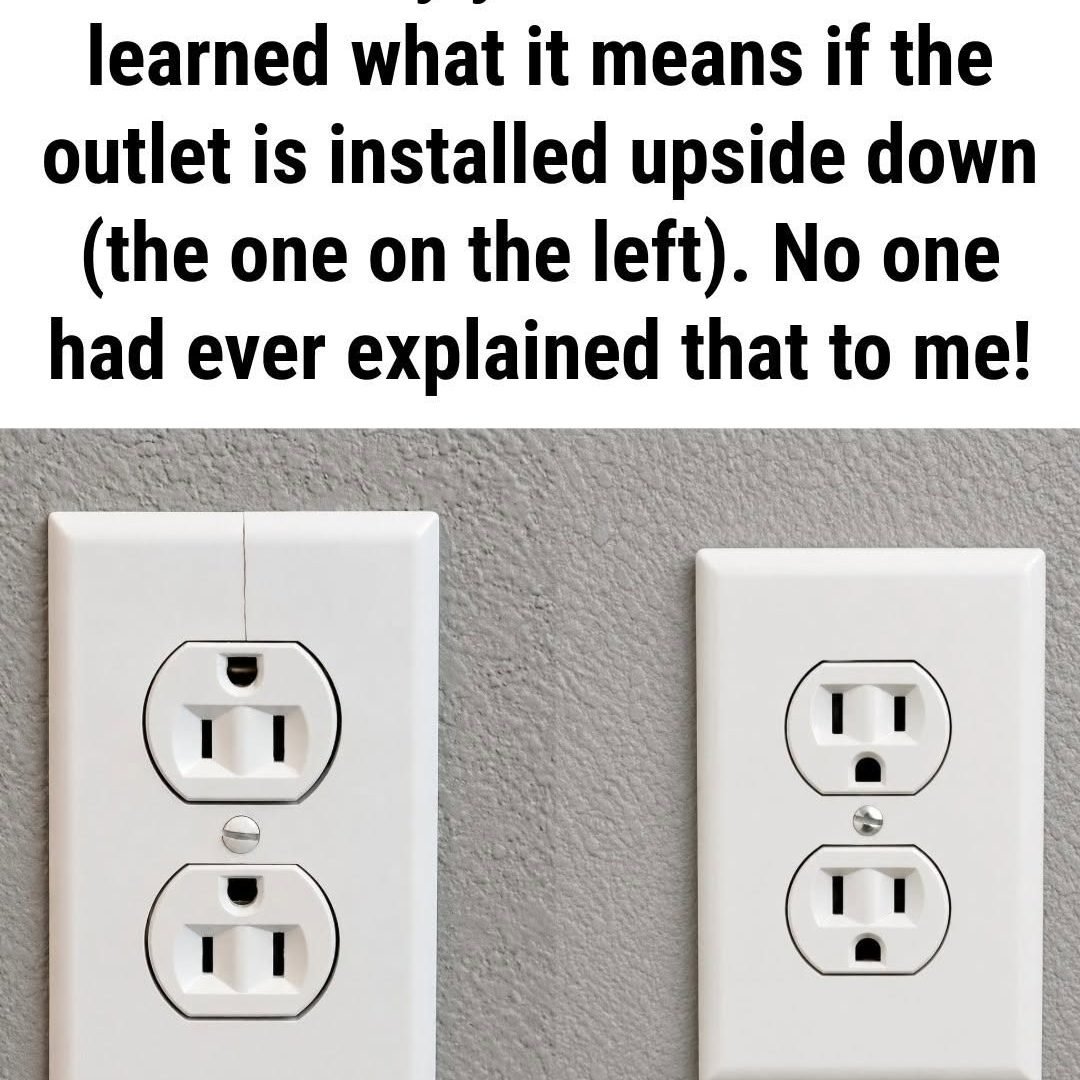
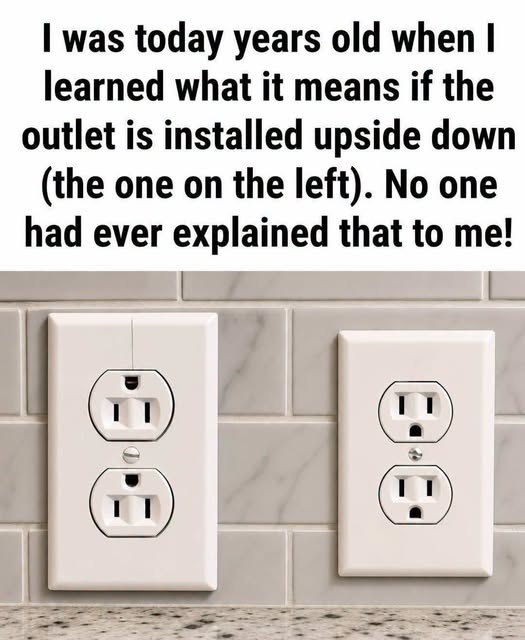
A ground-up outlet is not automatically “wrong.” It is usually a normal receptacle installed in the opposite orientation.
Ground-up may provide a small safety advantage in the specific case of a falling metal object.
Ground-down is more common in many homes but is not universally required.
The electrical code generally does not mandate one orientation for ordinary dwellings.
Correct wiring, grounding, GFCI protection, AFCI protection, tamper resistance, and safe use matter far more than orientation.
Do not judge an outlet’s safety by its rotation. Use a tester or call an electrician.
If an outlet is hot, discolored, loose, buzzing, or damaged, stop using it and seek professional help.
Conclusion: A Rotated Outlet, Not a Secret Code
The “upside down” outlet on the left is not a hidden message, a code violation, or a sign of dangerous wiring. It is a standard receptacle installed ground-up. The ground-up convention is a deliberate safety choice in some settings, based on the idea that a falling metal object is more likely to contact the grounded pin first. It is common in hospitals, laboratories, commercial buildings, and some residential installations. The