Meta Description: Make soft, rustic Hungarian nokedli from flour, eggs, water, and butter. A quick, comforting side dish for paprikash, stews, and roasted meats.
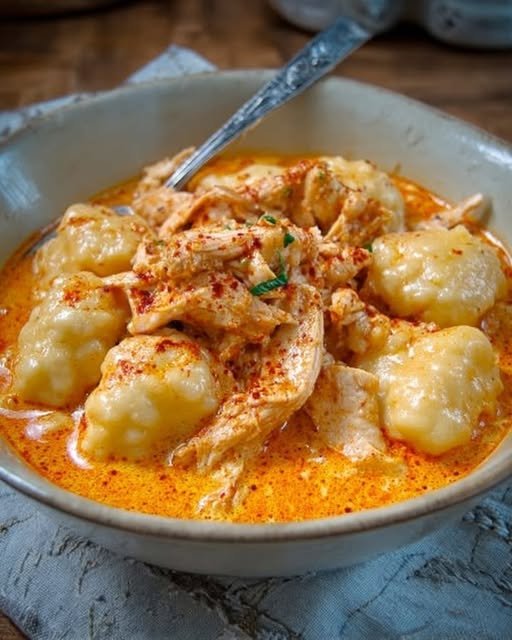
Suggested Featured Image Alt Text: A white bowl filled with soft Hungarian nokedli dumplings topped with a melting pat of butter.
Introduction
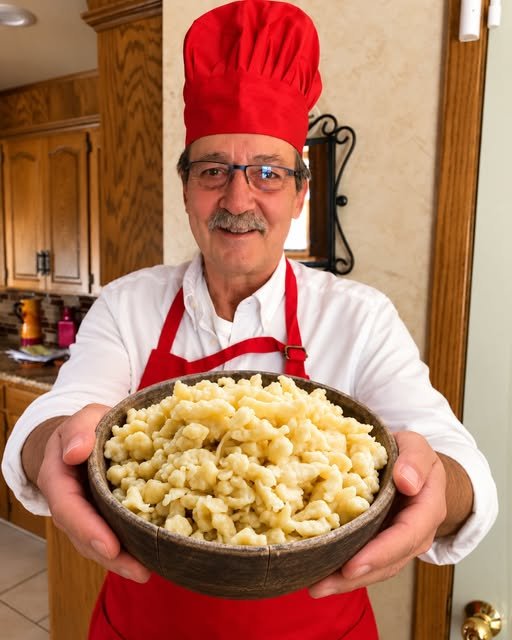
Hungarian nokedli are small, rustic egg dumplings that appear alongside some of Hungary’s most beloved dishes. They are soft, slightly chewy, and designed to catch sauce in their irregular crevices. In the photograph, a generous bowl of nokedli is topped with a pat of butter that melts into the hot dumplings, giving them a glossy finish and a rich, simple flavor. This is nokedli at its most basic and most satisfying: flour, eggs, water, salt, and butter, transformed into something comforting and genuinely useful in the kitchen.
Nokedli are not a paprika dish, and they are not meant to be the star of the plate on their own. They are a side dish, a sponge for creamy sauces, stews, and braised meats. They are also quick to make once the water boils. The dough comes together in one bowl, the dumplings cook in a few minutes, and a toss with butter is all they need before serving. That simplicity is part of their appeal. They are the kind of recipe that every Hungarian home cook knows by heart, with small variations from kitchen to kitchen.
This guide explains what nokedli are, how they differ from similar dumplings, how to make the dough reliably, how to shape and cook the dumplings, and how to serve, store, and troubleshoot them. It is written for home cooks who want a dependable method and a clear understanding of the small details that make the difference between dense, heavy dumplings and light, tender ones. Whether you are serving them with chicken paprikash, a rich beef stew, or simply a pat of butter and a sprinkle of parsley, nokedli are a practical and deeply comforting addition to the table.
Recipe Overview
Detail
Information
Preparation time
10 minutes
Cooking time
10–15 minutes
Total time
Approximately 20–25 minutes
Servings
4 side-dish servings
Difficulty level
Easy
Cooking method
Mixing, dropping dough into boiling water, tossing with butter
Cuisine
Hungarian
Course
Side dish
Estimated calories per serving
Approximately 300–350 kcal (estimate; varies with butter and portion size)
The total time is short, but it assumes that the water is already coming to a boil and that the dough is mixed quickly. The dumplings themselves cook in minutes. This is a recipe best made just before serving, because nokedli are at their best when hot, buttered, and freshly drained. They can be kept warm briefly, but they lose their texture if held for too long.
What Is Nokedli?
Nokedli are Hungarian egg dumplings made from a soft dough of flour, eggs, water, and salt. Small portions of the dough are dropped or pressed into boiling salted water, where they cook until they float. The cooked dumplings are drained and typically tossed with butter, oil, or a little fat to keep them separate and glossy. They are served as a side dish with saucy main courses, particularly paprika-based dishes such as chicken paprikash and pörkölt, as well as stews, roasted meats, and vegetable dishes.
The name nokedli is used widely in Hungary, though regional and family usage varies. Similar dumplings are also called galuska, and the terms are sometimes used interchangeably. In general, nokedli are small and irregular, while galuska can sometimes be larger or shaped differently. They are close cousins of German Spätzle and other Central European egg dumplings, but Hungarian nokedli have their own place in the cuisine and are usually softer and more rustic in shape.
Nokedli are not traditionally made with paprika, sour cream, or heavy seasoning. Their role is to provide a neutral, starchy contrast to rich, saucy dishes. A good nokedli is tender but not mushy, with enough structure to hold its shape and enough surface area to catch sauce. The buttered version in the photograph is simple and classic: the butter adds richness and helps the dumplings stay separate, while a little salt and optional parsley keep the flavor clean.
Ingredients You Will Need
This recipe makes about 4 side-dish servings. It is easy to double for a larger gathering, but cook the dumplings in batches so the pot does not become overcrowded.
For the Nokedli
2 cups (250 g) all-purpose flour
1 teaspoon kosher salt, plus 1 tablespoon kosher salt for the cooking water
3 large eggs, at room temperature
¾ cup (180 ml) water, plus more as needed
2 tablespoons (28 g) unsalted butter, for tossing the cooked dumplings, plus more for serving
Optional:1 tablespoon finely chopped fresh flat-leaf parsley, for garnish
For Serving
Extra butter, for melting over the top
Freshly ground black pepper, optional
A pinch of flaky salt, optional
Important note on consistency: The dough should be soft and sticky, not stiff. It should be thicker than pancake batter but still able to fall from a spoon or press through a spaetzle maker. If the dough is too stiff, the dumplings will be dense. If it is too thin, the dumplings will disintegrate in the water. Adjust with water or flour one tablespoon at a time.
Choosing the Best Ingredients
Nokedli are made from ordinary ingredients, so the quality of those ingredients matters more than any special product.
Flour. All-purpose flour is the standard choice. Hungarian finomliszt is a soft, fine flour that works beautifully for dumplings. If you use a high-protein bread flour, the dumplings may be slightly chewier; all-purpose flour gives a more tender result. Sifting is not necessary, but whisking the flour with salt helps distribute the salt evenly.
Eggs. Use fresh, large eggs at room temperature. Eggs provide structure, richness, and color. Cold eggs can make the dough stiffer and harder to mix smoothly. If you forget to bring them to room temperature, place them in a bowl of warm water for 10 minutes before cracking.
Water. Ordinary tap water is fine. Add it gradually, because the exact amount needed depends on the flour and the size of the eggs. The dough should be soft and sticky; you may need slightly more or less than the recipe states.
Salt. Salt the dough and salt the cooking water. The salt in the dough seasons the dumplings from within, while the salt in the water seasons them from the outside. Under-salted cooking water is a common reason nokedli taste flat.
Butter. Butter is the traditional finishing fat in many Hungarian homes, and it gives the dumplings a rich flavor and glossy appearance. Use unsalted butter so you can control the seasoning. If you prefer, you can use a combination of butter and a neutral oil, or melted lard for a more traditional flavor.
Optional parsley. Parsley is not essential, but a small amount of finely chopped fresh parsley adds freshness and color. Dried parsley is not a good substitute here; it tends to be dusty and lacks the bright flavor of fresh herbs.
Kitchen Equipment
Nokedli require very little equipment. The most important tool is a large pot with enough room for the dumplings to float freely.
Essential equipment:
A large pot (at least 4 quarts / 3.8 liters) for boiling the dumplings.
A large bowl for mixing the dough.
A whisk or wooden spoon for stirring the dough.
A colander or slotted spoon for removing the cooked dumplings from the water.
A serving bowl for tossing the dumplings with butter.
A knife and cutting board if using parsley.
Useful but optional equipment:
A spaetzle maker or a colander with large holes for pressing the dough into the water.
A bench scraper or teaspoon for shaping the dumplings.
A kitchen scale for weighing the flour, which improves consistency.
A large skillet if you want to reheat or finish the nokedli with butter.
A spaetzle maker is convenient, but it is not necessary. Many Hungarian home cooks simply use a teaspoon and a bowl of hot water to shape the dumplings. The irregular shapes are part of the charm and help the dumplings hold sauce.
Step-by-Step Cooking Instructions
Stage 1: Bring the Water to a Boil
Fill a large pot with water. Pour about 4 quarts (3.8 liters) of water into a large pot. Add 1 tablespoon of kosher salt. The water should taste mildly salty; this seasons the dumplings as they cook.
Bring to a rolling boil. Set the pot over high heat and bring the water to a rolling boil. Keep the pot covered while you mix the dough to save time.
Stage 2: Mix the Dough
Combine the dry ingredients. In a large bowl, whisk together the flour and 1 teaspoon of kosher salt.
Make a well and add the eggs. Create a well in the center of the flour. Crack the eggs into the well. Add about half of the water.
Stir to form a soft dough. Using a wooden spoon or whisk, stir the eggs and water into the flour, gradually incorporating more water as needed. Stop when the dough is soft, sticky, and thick enough to hold together but still able to fall from a spoon. It should not be stiff or dry. If the dough is too thick, add water 1 tablespoon at a time. If it is too thin, add flour 1 tablespoon at a time.
Rest the dough briefly. Let the dough rest for 5 to 10 minutes while the water comes to a boil. This short rest allows the flour to hydrate and makes the dough easier to handle.
Stage 3: Shape and Cook the Dumplings
Prepare a landing spot. Set a colander in the sink or place a large bowl near the stove. If you are using a colander, lightly grease it with a little butter or oil to prevent sticking. Have a slotted spoon ready.
Shape the dumplings. There are two reliable methods. Spoon method: Dip a teaspoon into the hot cooking water, then scoop a small amount of dough and let it drop into the boiling water. Dip the spoon into the hot water between each dumpling to prevent sticking. Spaetzle maker method: Place a spaetzle maker or a colander with large holes over the pot and press or scrape the dough through the holes into the water. Work in batches so the dumplings have room to float.
Cook until they float. The dumplings will sink initially, then rise to the surface as they cook. Once they float, let them cook for 1 to 2 minutes, until they are tender and no longer taste raw in the center. Do not overcook them; they should be soft but not mushy.
Remove the dumplings. Use a slotted spoon or pour the dumplings into the colander to drain. Shake off excess water gently. Do not rinse the dumplings unless you need to stop the cooking process; rinsing removes surface starch and can make the butter slide off.
Repeat with the remaining dough. Cook the remaining dough in batches, allowing the water to return to a boil between batches. Overcrowding the pot will lower the temperature and make the dumplings gummy.
Stage 4: Finish with Butter and Serve
Toss with butter. Transfer the drained, hot dumplings to a serving bowl. Add the 2 tablespoons of butter and toss gently until the butter melts and coats the dumplings. If the dumplings have cooled slightly, return them to the hot pot for a few seconds or toss them in a warm skillet with the butter.
Season and garnish. Taste and add a pinch of salt if needed. Add freshly ground black pepper if desired. Sprinkle with chopped parsley, if using.
Serve immediately. Top with an extra pat of butter, if you like, and serve alongside chicken paprikash, pörkölt, stew, or roasted meat. Nokedli are best eaten hot, while the butter is still glossy and the dumplings are soft.
Food safety note: The dumplings contain raw eggs, but they are fully cooked in boiling water. Cook them until they float and are tender throughout. Store leftovers as directed below.
Important Cooking Tips
Keep the dough soft and sticky. The most common mistake with nokedli is making the dough too stiff. A stiff dough produces dense, heavy dumplings. The dough should be soft enough to fall from a spoon with a gentle nudge. If it resists, add a little water.
Salt the cooking water properly. Nokedli are mild by nature, and the cooking water is the only chance to season them from the outside. Use about 1 tablespoon of salt per 4 quarts of water. If the water is under-salted, the dumplings will taste flat no matter how much butter you add.
Cook in batches. Overcrowding the pot lowers the water temperature and causes the dumplings to stick together and cook unevenly. Cook the dough in three or four batches, letting the water return to a boil between batches.
Do not overcook. Nokedli are done when they float and have simmered for 1 to 2 minutes. Cooking them longer makes them soft and mushy. Taste one dumpling from the first batch to check the texture.
Do not rinse unless necessary. Rinsing the cooked dumplings removes the surface starch that helps the butter cling. If you must hold the dumplings before serving, toss them with a little butter or oil and keep them warm in a covered bowl.
Butter generously. The butter is not just a garnish; it keeps the dumplings separate and adds richness. Toss the dumplings with butter immediately after draining, while they are still hot.
Serve immediately. Nokedli are at their best fresh. If you need to hold them, keep them warm in a covered dish over simmering water or in a low oven, but do not hold them for more than 20 to 30 minutes.
Common Mistakes to Avoid
1. Making the dough too stiff. A stiff dough is the most common cause of dense, heavy nokedli. The dough should be soft and sticky, almost like a thick cake batter. Add water gradually and stop when the dough falls from a spoon with a gentle shake.
2. Overmixing the dough. Stir the dough just until the flour is incorporated. Overmixing develops gluten and makes the dumplings tough. A few small lumps are fine.
3. Using under-salted water. Nokedli are mild, and the cooking water is the main opportunity to season them. If the water is not salty enough, the dumplings will taste bland even after buttering.
4. Crowding the pot. Too many dumplings in the pot at once will cause them to stick together and cook unevenly. Cook in batches and give the dumplings room to float.
5. Overcooking the dumplings. Nokedli should be tender but not mushy. Cook them only until they float and have simmered for 1 to 2 minutes. Overcooked dumplings fall apart and lose their texture.
6. Rinsing the dumplings. Rinsing removes the surface starch and makes the butter slide off. Drain them well but do not rinse unless you need to stop the cooking process for a make-ahead preparation.
7. Not tossing with butter immediately. Butter should be tossed with the hot dumplings so it melts and coats them evenly. If the dumplings cool before buttering, the butter will not distribute properly.
8. Using stale flour or old eggs. Fresh ingredients make a noticeable difference in a simple recipe. Check that the flour is not stale and the eggs are fresh.
Variations and Substitutions
Whole wheat nokedli. Replace half of the all-purpose flour with whole wheat flour for a slightly nuttier flavor and more fiber. The dumplings will be a little denser, so keep the dough soft and do not overcook them.
Gluten-free nokedli. Use a gluten-free all-purpose flour blend with xanthan gum. The dough will be more fragile, so handle it gently and cook the dumplings in smaller batches. The texture will be slightly different, but the method remains the same.
Dairy-free nokedli. Toss the cooked dumplings with a high-quality plant-based butter, olive oil, or a neutral oil instead of dairy butter. The flavor will be less rich, but the dumplings will still be glossy and separate.
Garlic butter nokedli. Melt the butter with a small minced garlic clove in a skillet, then toss the cooked dumplings in the garlic butter. Cook the garlic gently so it does not burn.
Parsley and lemon nokedli. Add chopped parsley and a little lemon zest to the buttered dumplings for a fresh, bright variation. This is especially good alongside roasted chicken or fish.
Cottage cheese and bacon nokedli. Toss the hot dumplings with cottage cheese, crispy bacon, and a little sour cream for a simple main dish reminiscent of túrós csusza. This is a substantial variation rather than a side dish.
Toasted breadcrumb nokedli. Melt butter in a skillet, add fine dry breadcrumbs, and toast until golden. Toss the cooked dumplings in the toasted breadcrumbs for a crisp, nutty coating.
Larger or smaller dumplings. The size of the dumplings is a matter of preference. Smaller dumplings cook more quickly and catch finer sauces; larger dumplings are more substantial and work well with hearty stews. Adjust the cooking time slightly based on size.
What to Serve with Nokedli
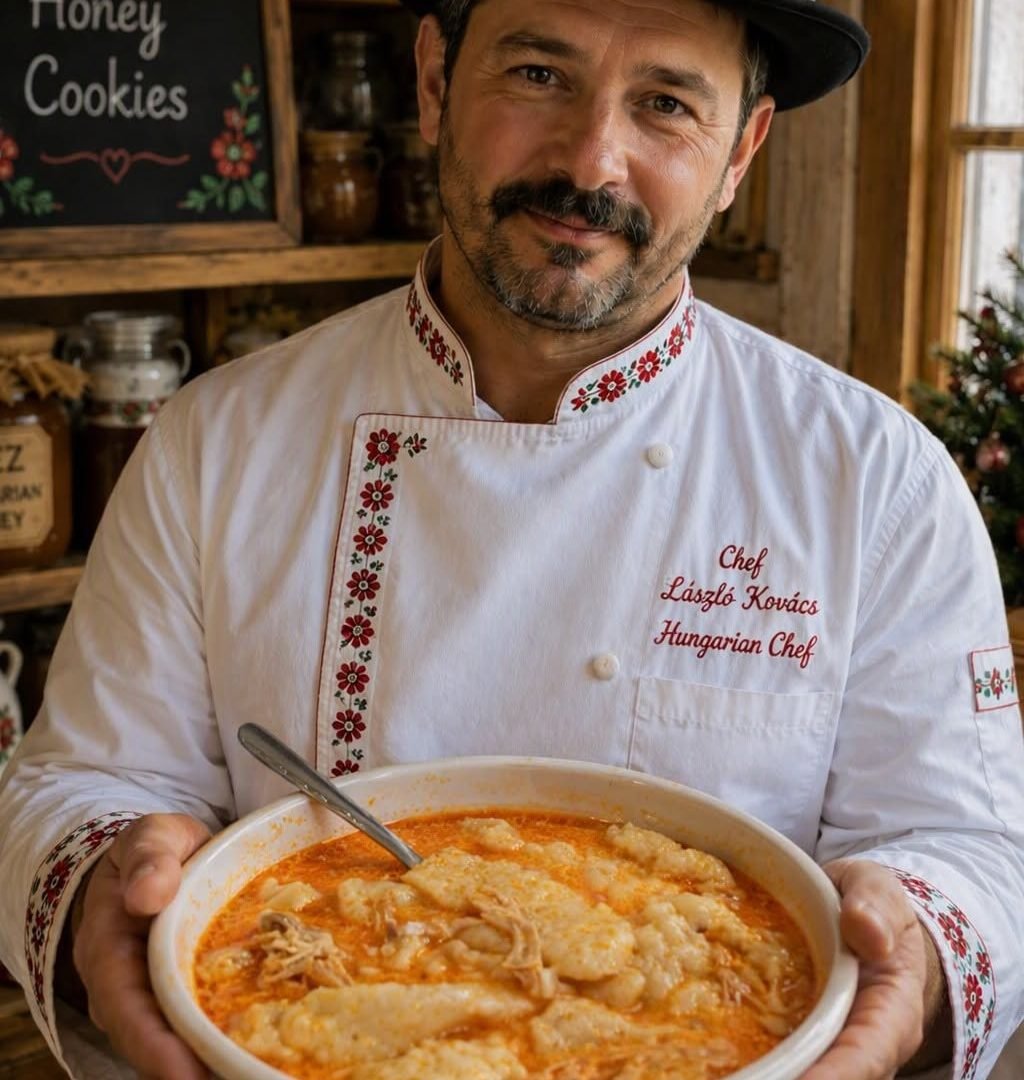
Nokedli are a side dish, and their neutral flavor makes them compatible with many main courses. The most traditional pairing is chicken paprikash, where the soft dumplings soak up the creamy paprika sauce. They are equally good with pörkölt (a thick Hungarian meat stew), beef goulash, mushroom paprikash, and roasted chicken or pork.
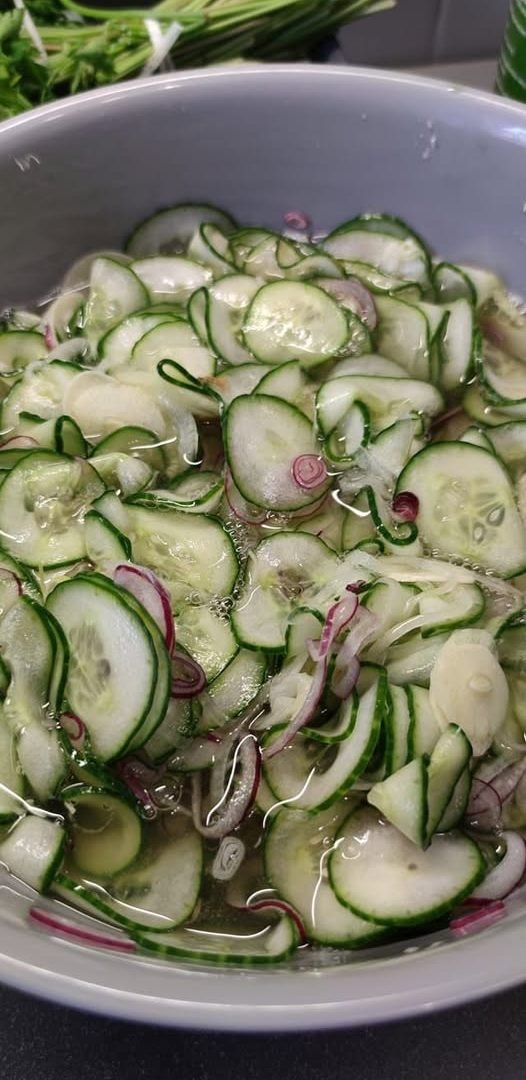
For a simple meal, serve buttered nokedli with a fresh cucumber salad dressed with sour cream and vinegar, or a green salad with a sharp vinaigrette. The acidity cuts through the butter and balances the richness. Pickled vegetables, such as pickled peppers or sauerkraut, are also traditional alongside Hungarian stews and dumplings.
If you want to build a complete Hungarian-inspired menu, start with a light soup such as húsleves (clear meat broth), serve chicken paprikash or pörkölt with nokedli and cucumber salad, and finish with a simple dessert such as jam-filled kifli or a slice of bejgli. Nokedli also work well as a base for a meatless meal: toss them with sautéed mushrooms, caramelized onions, and a little sour cream, or serve them with roasted vegetables and a fried egg.
How to Store and Reheat Leftovers
Nokedli are best fresh, but leftovers can be stored and reheated with reasonable results. Cool the dumplings to room temperature within two hours of cooking, then transfer them to an airtight container and refrigerate for up to 2 to 3 days. Toss them with a little butter or oil before storing to prevent sticking.
To reheat, warm the dumplings gently in a skillet over medium-low heat with a little butter or oil, stirring occasionally, until they are hot throughout. You can also reheat them in a covered bowl over simmering water or in the microwave in short intervals, stirring between intervals. Avoid reheating them in a hot oven without moisture, as they will dry out and become tough.
Nokedli do not freeze particularly well. The texture becomes softer and sometimes grainy after freezing and thawing. If you must freeze them, freeze the cooked, buttered dumplings in a freezer-safe container for up to 1 month, then thaw overnight in the refrigerator and reheat gently in a skillet. Freshly made nokedli are far superior.
Do not leave cooked nokedli at room temperature overnight. If you are holding them before serving, keep them warm in a covered dish over simmering water or in a low oven, and consume them within a short time.
Make-Ahead and Meal-Preparation Tips
The dough for nokedli can be mixed up to 1 hour ahead and kept covered at room temperature. Do not refrigerate the dough for long periods, as it can become stiff and difficult to work with. If the dough thickens while resting, stir in a tablespoon of water to loosen it.
The dumplings themselves are best cooked just before serving. If you need to prepare them ahead, cook and drain them, toss with a little butter or oil, and refrigerate for up to 2 days. Reheat gently in a skillet with butter or in a covered dish over simmering water. The texture will be slightly softer than freshly cooked nokedli, but still enjoyable.
For a stress-free meal, bring the water to a boil and mix the dough while the main dish finishes cooking. Nokedli take only a few minutes to cook, so they can be made while the paprikash or stew rests. A realistic timeline for a weeknight dinner is to start the main dish first, then make the nokedli in the final 15 minutes before serving.
If you are making a large batch for a gathering, cook the dumplings in batches and keep them warm in a buttered baking dish in a low oven (about 200°F / 95°C) until serving. Add a little extra butter before serving to refresh the gloss.
Troubleshooting Guide
Why did my nokedli fall apart in the water? The dough was too thin, or the dumplings were too large. Add a tablespoon or two of flour to the dough to firm it slightly, and make smaller dumplings. Also make sure the water is at a rolling boil before adding the dough; a gentle simmer can cause the dumplings to dissolve.
Why are my nokedli dense and heavy? The dough was too stiff or overmixed. Use a softer, stickier dough and stir just until the flour is incorporated. Overmixing develops gluten and makes the dumplings tough.
Why do my nokedli stick together? The pot was overcrowded, or the dumplings were not tossed with butter after draining. Cook in batches and toss the hot dumplings with butter immediately. If they have cooled, reheat them in a skillet with a little butter and separate them gently.
Why do my nokedli taste bland? The cooking water was not salted enough, or the dumplings were not seasoned after cooking. Use about 1 tablespoon of salt per 4 quarts of water, and taste a dumpling from the first batch. Add a pinch of salt to the buttered dumplings if needed.
Can I make nokedli without eggs? Eggs provide structure and richness, and omitting them changes the texture significantly. You can try replacing the eggs with a little extra water and a pinch of baking powder, but the result will be more fragile and less rich. For a vegan version, use a plant-based egg substitute and plant-based butter.
Why did my nokedli turn out mushy? They were overcooked or the dough was too thin. Cook the dumplings only until they float and have simmered for 1 to 2 minutes. Use a soft but not runny dough, and drain them well.
How do I make the dumplings more uniform? Use a spaetzle maker or a colander with large holes to press the dough into the water. If you are using a spoon, dip it in hot water between each dumpling to prevent sticking and to create a cleaner shape.
These values are estimates and will vary with the exact amount of butter, the size of the eggs, and the portion size. They are not laboratory-verified and should be treated as a general guide. Nokedli are a source of carbohydrates and protein, with fat contributed mainly by the eggs and butter. For a lighter version, reduce the butter or serve smaller portions alongside plenty of vegetables.
Frequently Asked Questions
What are nokedli? Nokedli are Hungarian egg dumplings made from flour, eggs, water, and salt. Small portions of a soft dough are dropped into boiling salted water and cooked until they float. They are served as a side dish with saucy main courses, stews, and roasted meats.
Are nokedli the same as spaetzle? They are very similar, and both are made from a soft egg dough dropped into boiling water. German spaetzle and Hungarian nokedli are close cousins, but Hungarian nokedli are often softer and more irregular in shape. The terms are sometimes used interchangeably outside Central Europe, but they belong to different culinary traditions.
What is the difference between nokedli and galuska? In Hungarian usage, the terms are sometimes used interchangeably, though regional and family differences exist. Nokedli usually refers to small, irregular dumplings, while galuska can sometimes be larger or shaped differently. Both are egg dumplings served as a side dish.
Can I make nokedli without a spaetzle maker? Yes. A teaspoon and a bowl of hot water are enough. Dip the spoon in the hot water, scoop a small amount of dough, and let it drop into the boiling water. A colander with large holes also works well. The dumplings will be rustic and irregular, which is traditional.
Why did my nokedli fall apart? The dough was probably too thin, or the dumplings were too large. Add a little flour to the dough and make smaller dumplings. Make sure the water is at a rolling boil before adding the dough.
Can I make nokedli ahead of time? The dough can be mixed up to 1 hour ahead. The cooked dumplings can be refrigerated for up to 2 days and reheated gently in a skillet with butter. They are best fresh, but leftovers are still enjoyable.
What do you serve with nokedli? Nokedli are traditionally served with chicken paprikash, pörkölt, beef goulash, mushroom paprikash, and roasted meats. They also work well with a simple cucumber salad or pickled vegetables.
Are nokedli gluten-free? Traditional nokedli are made with wheat flour and are not gluten-free. You can use a gluten-free all-purpose flour blend, but the texture will be slightly different. Look for a blend with xanthan gum for the best results.
Can I freeze nokedli? Freezing is not ideal because the texture becomes softer and sometimes grainy. If you must freeze them, freeze cooked, buttered dumplings for up to 1 month and reheat gently in a skillet. Freshly made nokedli are far superior.
Final Recipe Summary
Hungarian nokedli are a simple, honest side dish that earns its place on the table through texture and usefulness. They are soft enough to soak up a creamy paprika sauce, sturdy enough to hold their shape, and quick enough to make on a weeknight. The buttered version in the photograph is the most basic expression of the recipe: hot dumplings, a pat of butter, a little salt, and perhaps a sprinkle of parsley. It is not a complicated dish, but it is one that rewards attention to a few small details—a soft dough, well-salted water, gentle cooking, and a generous toss of butter. Serve them with chicken paprikash, a hearty stew, or a simple roasted chicken, and they will do exactly what a good side dish should: make the meal feel complete.
Printable Recipe Card
Hungarian Nokedli (Egg Dumplings) with Butter
Soft, rustic Hungarian egg dumplings tossed with butter—a quick side dish for paprikash, stews, and roasted meats.
Prep time
10 minutes
Cook time
10–15 minutes
Total time
20–25 minutes
Servings
4 side-dish servings
Cuisine
Hungarian
Course
Side dish
Ingredients
2 cups (250 g) all-purpose flour
1 teaspoon kosher salt, plus 1 tablespoon for the cooking water
Bring a large pot of water (about 4 quarts / 3.8 liters) to a rolling boil and add 1 tablespoon of salt.
In a large bowl, whisk the flour and 1 teaspoon of salt. Make a well, add the eggs and about half the water, and stir to form a soft, sticky dough. Add more water as needed. The dough should fall from a spoon but still hold together.
Let the dough rest for 5–10 minutes.
Drop small spoonfuls of dough into the boiling water, or press the dough through a spaetzle maker or colander with large holes. Cook in batches to avoid crowding.
When the dumplings float, simmer for 1–2 minutes, then remove with a slotted spoon or drain in a colander.
Toss the hot dumplings with butter until coated. Season with salt and pepper if desired, and garnish with parsley.
Serve immediately with extra butter on top.
Storage: Refrigerate leftovers in an airtight container for up to 2–3 days. Reheat gently in a skillet with butter. Freezing is not recommended for best texture.
Anchor text: “creamy Hungarian chicken paprikash” — link to the chicken paprikash recipe, the most classic pairing for nokedli.
Anchor text: “traditional Hungarian pörkölt” — link to a hearty paprika meat stew that is traditionally served with nokedli.
Anchor text: “Hungarian cucumber salad” — link to a cool, creamy salad that balances the richness of buttered dumplings and paprika dishes.
Anchor text: “homemade spaetzle-style dumplings” — link to a technique guide or related recipe for readers who want to compare nokedli with spaetzle.
Anchor text: “classic Hungarian comfort food recipes” — link to a category page or roundup featuring paprikash, goulash, töltött káposzta, and other traditional dishes.
External Source Suggestions
For food-safety guidance on egg dishes and proper storage of cooked foods, the USDA Food Safety and Inspection Service provides current recommendations. For Hungarian culinary terminology and traditional context, TasteAtlas and Wikipedia offer useful overviews of nokedli, galuska, and related Central European dumplings. For ingredient sourcing, Hungarian flour and specialty pantry items are available from Eastern European groceries and online merchants. These sources are suggestions for further reading and verification, not endorsements of specific brands or claims.