5-Minute Nokedli: The Ultimate Guide to Traditional Hungarian Dumplings
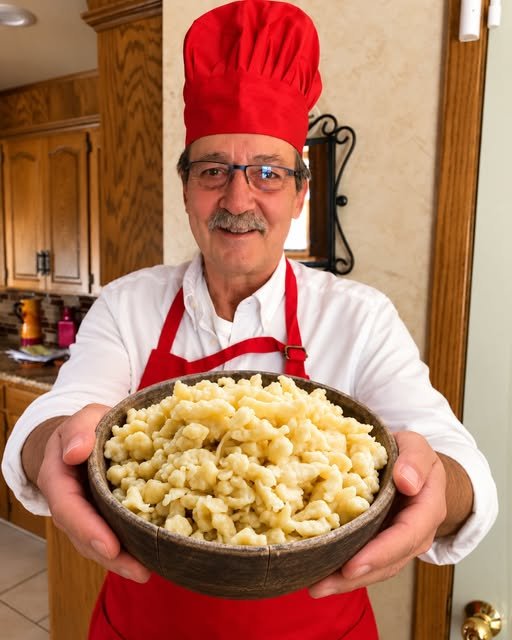
There is a unique kind of magic that happens in a kitchen when humble ingredients are transformed into something profoundly comforting. The image of a smiling chef proudly presenting a large, rustic bowl overflowing with soft, irregular, golden-yellow dumplings perfectly captures the essence of Hungarian Nokedli. These tiny, pillowy bites of dough are the ultimate comfort food, a staple that has graced Hungarian tables for generations. While they may look simple, they are a culinary marvel—light as air, delightfully chewy, and possessing a texture that truly melts in your mouth at the first bite.
For those unfamiliar with Central European cuisine, Nokedli (pronounced noh-ked-lee) is often compared to German spaetzle or Italian pasta. However, it has a distinct character and soul of its own. It is the undisputed best friend of Hungary’s most famous dishes, particularly the rich, paprika-laden Chicken Paprikash. The viral promise of a “15-minute” recipe is a tempting invitation to bring this traditional comfort food into your own home. While the boiling water needs time to heat, the actual preparation and cooking process is astonishingly fast, making it a perfect weeknight dinner solution.
This comprehensive guide will walk you through every aspect of making perfect Nokedli. We will explore the rich cultural history of these dumplings, deconstruct the simple science behind their melt-in-your-mouth texture, and provide a step-by-step masterclass on how to make them without any specialized equipment. We will also dive into the classic pairings, the art of the sweet variation, and the troubleshooting tips that guarantee success every single time. By the end of this article, you will not only have a complete recipe, but a deep appreciation for this beloved Hungarian staple.
The Cultural Heritage of Nokedli
To understand Nokedli is to understand a fundamental part of Hungarian identity. The word itself comes from the Hungarian verb nökni, which means “to grow” or “to increase,” a reference to how the small pieces of dough swell and grow as they cook in the boiling water.
A Staple of the Austro-Hungarian Empire
Nokedli’s history is deeply intertwined with the Austro-Hungarian Empire. The dish is a close cousin to the Austrian Nockerl and the German Spätzle. As culinary traditions traveled across the empire, different regions adapted the recipe to their local tastes and available ingredients. In Hungary, the dumplings evolved into the delicate, irregular shapes we know today. They were originally a food of the peasantry, made from a simple mixture of flour, eggs, and water. Over time, they became so beloved that they transcended class boundaries, becoming a fixture on the tables of aristocrats and commoners alike.
The Sunday Lunch Tradition
In Hungary, Sunday lunch is a sacred ritual, often stretching for hours and involving multiple courses. Nokedli is almost always the accompaniment to the main event. Whether it is a rich beef stew (Pörkölt) or the iconic Chicken Paprikash, the Nokedli is there to soak up the flavorful, paprika-infused sauces. It is a dish that signifies togetherness, home, and the warmth of family. The image of the chef holding the bowl is a perfect representation of this hospitality—offering a bowl of comfort to whoever is hungry.
The Science of “Melt in Your Mouth” Dumplings
What makes Nokedli so incredibly tender? The answer lies in the ratio of ingredients and the cooking method.
The Flour and Egg Balance
Nokedli is primarily made from all-purpose flour, eggs, and water. The eggs provide both structure and richness. The fat in the egg yolks coats the flour proteins (gluten), preventing them from forming long, tough strands. This is why Nokedli is soft and delicate, rather than chewy like traditional Italian pasta. The water acts as the hydrating agent, creating a thick, sticky batter.
The Boiling Technique
The magic truly happens when the dough hits the water. The dough is dropped into rapidly boiling, salted water in small, irregular pieces. The heat causes the starches in the flour to gelatinize instantly, locking in the moisture and creating a soft, puffy texture. Because the pieces are small, they cook in a matter of seconds. They float to the top when they are done, signaling that they are perfectly cooked through.
Essential Ingredients for Perfect Nokedli
The beauty of Nokedli lies in its simplicity. You likely already have all the ingredients in your pantry.
All-Purpose Flour: The foundation of the dumplings. For a slightly lighter texture, you can substitute half of the all-purpose flour with fine pastry flour.
Eggs: Use large, room-temperature eggs. They bind the dough and give it its golden color.
Water: Plain tap water is fine. Some traditionalists use sparkling water to make the dumplings even lighter, but it is not strictly necessary.
Salt: Essential for flavoring the dough and, just as importantly, for salting the boiling water.
Oil or Butter: For finishing. A generous toss in melted butter or a neutral oil after draining prevents the dumplings from sticking together and adds a luxurious richness.
The Essential Tools (And What to Use Instead)
Traditionally, Nokedli is made using a nokedli szaggató, a specialized perforated board or a metal spaetzle maker. However, you do not need to buy special equipment to make this dish at home.
The Colander Method: A large-holed metal colander is an excellent substitute. You press the batter through the holes directly into the boiling water.
The Cutting Board Method: This is the most traditional method. You spread a portion of the thick dough on a wet cutting board or a plate, and use a spoon or a knife to scrape thin strips of dough directly into the water.
The Piping Bag Method: You can place the dough in a zip-top bag, cut off the corner, and pipe small pieces into the boiling water.
Step-by-Step Recipe: 15-Minute Nokedli
This recipe serves 4 to 6 people as a side dish and takes about 15 minutes of active cooking time once the water is boiling.
Ingredients
4 cups (500g) all-purpose flour
4 large eggs
1 1/4 cups (300ml) water
1 teaspoon salt (plus more for the boiling water)
2 tablespoons butter or neutral oil, for finishing
Instructions
Bring a Large Pot of Water to a Boil: Fill a large stockpot with at least 4 quarts of water. Add a generous tablespoon of salt. The water should taste like the sea. Bring it to a rolling boil over high heat.
Mix the Dough: In a large mixing bowl, combine the flour and salt. Make a well in the center and crack in the eggs. Add the water. Using a sturdy wooden spoon or a Danish dough whisk, mix the ingredients until a thick, sticky, and smooth dough forms. The dough should be much thicker than pancake batter, but not as stiff as bread dough. It should slowly slide off the spoon.
Rest the Dough (Optional but Recommended): Let the dough rest for 5 to 10 minutes while the water comes to a boil. This allows the flour to hydrate fully and the gluten to relax, resulting in more tender dumplings.
Shape and Drop: Once the water is at a rolling boil, it is time to shape the dumplings.
If using a colander: Place a portion of the dough in the colander and press it through the holes directly into the boiling water using a spatula or spoon.
If using a cutting board: Wet a cutting board and spread a thin layer of dough on it. Hold the board over the boiling water and use a small spoon or a knife to scrape small, thin strips of dough into the pot.
If using a piping bag: Pipe small, bite-sized pieces directly into the water.
Cook the Dumplings: Stir gently to prevent the dumplings from sticking to the bottom. They will initially sink, but after about 1 to 2 minutes, they will float to the surface. Once they float, let them cook for another 30 seconds to a minute to ensure they are cooked through.
Remove and Drain: Use a slotted spoon or a spider skimmer to scoop the cooked dumplings out of the water and transfer them to a colander. Rinse them briefly with cold water to stop the cooking process and prevent them from sticking. Drain well.
Finish with Butter or Oil: Transfer the drained dumplings to a large serving bowl. Toss them with the butter or oil to coat them evenly. Season with a pinch of salt if needed. Serve immediately.
What to Serve with Nokedli: Classic Pairings
Nokedli is a versatile canvas, but it is most famous for its role alongside Hungary’s iconic stews.
Chicken Paprikash (Paprikás Csirke)
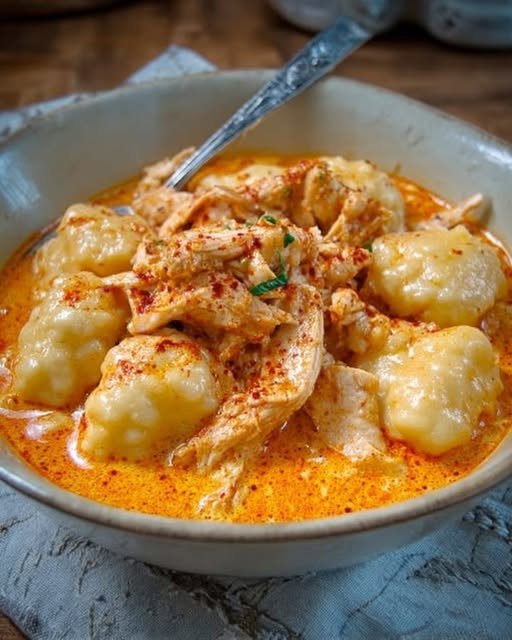
This is the ultimate pairing. The creamy, sweet, and smoky paprika sauce clings perfectly to the nooks and crannies of the dumplings. The nokedli acts as a sponge, soaking up every drop of the rich sauce.
Pörkölt (Beef or Pork Stew)
A hearty, slow-cooked stew of meat, onions, and paprika. The nokedli provides a neutral, filling base that balances the intense, savory flavor of the stew.
Goulash
While often served with bread, a hearty Hungarian Goulash (a soup-like stew) is elevated to a complete meal when served over a bed of Nokedli.
Sweet Nokedli (Édes Nokedli)
Nokedli is not just for savory dishes. A popular childhood treat in Hungary is to toss warm, cooked Nokedli with melted butter, sugar, and cinnamon. It is a simple, delightful dessert that showcases the versatility of the dumpling.
Troubleshooting Common Nokedli Mistakes
Even the simplest recipes can go awry. Here is how to fix the most common issues.
The Dough is Too Sticky
If the dough is too sticky to handle or press through the colander, add a little more flour, one tablespoon at a time, until it reaches the right consistency. It should be tacky, but not unmanageable.
The Dumplings are Mushy
Mushy dumplings are usually the result of dropping the dough into water that is not hot enough. The water must be at a rolling boil. If the water stops boiling when you add the dough, wait for it to return to a boil before adding more. Also, do not overcook them; they only need a minute after they float.
The Dumplings are Sticking Together
To prevent sticking, rinse the cooked dumplings with cold water immediately after draining, and toss them with a little butter or oil before serving. If you are cooking in batches, keep the finished dumplings in a bowl covered with a towel.
Storage and Reheating
Nokedli is best enjoyed fresh, but leftovers can be stored easily. Place the cooled dumplings in an airtight container in the refrigerator for up to 3 days. To reheat, the best method is to sauté them in a skillet with a little butter or oil until they are heated through and slightly crispy on the edges. You can also microwave them, but this may make them slightly soggy.
Conclusion
Nokedli is a testament to the beauty of simple, rustic cooking. It requires no special skills, no complex techniques, and no expensive ingredients. It is a dish born from the heart of the Hungarian home, designed to bring comfort, warmth, and a satisfied smile to the table. As you master the art of dropping the dough and watching it float to the surface, you will discover a new level of culinary satisfaction. Whether you serve it alongside a rich, paprika-spiced stew or enjoy it as a simple, buttery snack, these 15-minute Hungarian dumplings are guaranteed to become a beloved staple in your kitchen.
Frequently Asked Questions
What is Nokedli?
Nokedli are traditional Hungarian egg dumplings, similar to German spaetzle. They are made from a simple dough of flour, eggs, water, and salt, which is dropped into boiling water in small, irregular pieces. They are soft, tender, and versatile.
How do I pronounce Nokedli?
It is pronounced “noh-ked-lee,” with the emphasis on the first syllable.
Can I make Nokedli without a spaetzle maker or special equipment?
Yes. You can use a large-holed colander, a cutting board and a spoon, or a zip-top bag with the corner cut off. The traditional method involves spreading the dough on a wet cutting board and scraping it into the water.
What is the difference between Nokedli and pasta?
Nokedli is an egg-based dumpling, while traditional Italian pasta is usually made with just flour and water (or a much smaller amount of egg). Nokedli has a softer, more pillowy texture because of the high egg content and the way the dough is dropped into the water rather than rolled and cut.
Can I make Nokedli in advance?
Yes, you can make the dough in advance and keep it in the refrigerator for a few hours. You can also boil the Nokedli ahead of time, drain them, toss them with oil, and store them in the refrigerator. Reheat them in a skillet with butter before serving.
What is the best way to serve Nokedli?
Traditionally, it is served alongside Hungarian Chicken Paprikash or beef Pörkölt, as it soaks up the rich sauces beautifully. It can also be enjoyed sweet with butter, cinnamon, and sugar.
Why did my Nokedli fall apart in the water?
If your Nokedli falls apart, it usually means the dough has too much water or not enough flour. Add a little more flour to the dough to strengthen it. Also, ensure the water is at a rapid boil before dropping the dough in.
Is Nokedli gluten-free?
Traditional Nokedli is made with wheat flour and is not gluten-free. However, you can substitute a high-quality gluten-free flour blend (preferably one with xanthan gum) to make a gluten-free version. The texture may be slightly different, but it is a viable alternative.
How long does Nokedli keep in the fridge?
Cooked Nokedli can be stored in an airtight container in the refrigerator for up to 3 days. For longer storage, you can freeze the cooked dumplings for up to 2 months.