Classic Hungarian Walnut Crescent Cookies (Hókifli) Recipe
What Is This Hungarian Dish?
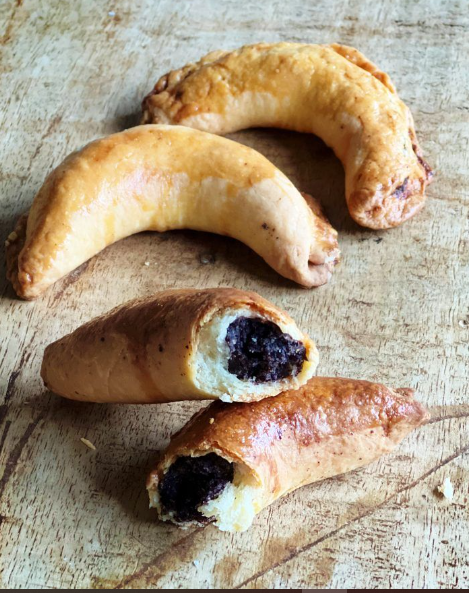
Hókifli is a classic Hungarian pastry that falls into the category of aprósütemény, meaning small cookies or biscuits. The name is a direct description of its appearance: hó means snow, and kifli means crescent roll. They are instantly recognizable by their curved shape and the thick layer of powdered sugar that coats them, resembling freshly fallen snow.
The history of the Hókifli is intertwined with the broader tradition of Central European baking. The crescent shape is a nod to the Kipferl, an Austrian and German pastry that likely originated in Vienna. Over centuries, this shape was adopted and adapted across the Austro-Hungarian Empire. Hungarian bakers perfected their own version by introducing sour cream into the shortcrust dough, which adds a subtle tanginess and ensures a remarkably tender crumb.
The defining characteristic of a great Hókifli is its texture. It should not be overly sweet, as the sweetness comes primarily from the walnut filling and the powdered sugar coating. The cookie itself should be crisp yet crumbly, yielding easily to the tooth without shattering into a mess. The filling, traditionally made from finely ground walnuts, provides a rich, earthy contrast to the buttery dough. In Hungary, these cookies are ubiquitous during the winter holidays. They are often arranged on ornate platters alongside other traditional sweets like beigli (walnut or poppy seed rolls) and mézeskalács (gingerbread), serving as a centerpiece of hospitality and celebration.
Ingredients You Will Need
To create authentic Hungarian Walnut Crescent Cookies, you need simple, high-quality ingredients. Here is the complete breakdown.
For the Dough
500 g (4 cups) all-purpose flour, plus extra for dusting
250 g (1 cup + 2 tablespoons) unsalted butter, cold and cubed (or traditional lard/shortening for a flakier texture)
120 g (1 cup) powdered sugar, plus extra for coating
2 large egg yolks, at room temperature
120 g (½ cup) sour cream, full-fat
1 teaspoon baking powder
1 pinch of salt
1 teaspoon vanilla extract (optional)
For the Walnut Filling
250 g (2 ½ cups) ground walnuts (freshly ground is best)
100 g (½ cup) granulated sugar
120 ml (½ cup) whole milk
1 teaspoon vanilla extract
1 teaspoon freshly grated lemon zest
1 pinch of salt
For the Coating
150–200 g (1 ½ to 2 cups) powdered sugar, for rolling the hot cookies
Choosing the Best Ingredients
The simplicity of Hókifli means that the quality of your ingredients directly impacts the final flavor and texture.
The Fat: Traditional Hungarian recipes often use zsír (lard) for the dough, which results in an incredibly flaky and tender cookie that stays fresh for weeks. However, high-quality unsalted butter is a more accessible and common modern alternative, offering a rich, creamy flavor. If using butter, ensure it is very cold before incorporating it into the flour.
The Flour: Standard all-purpose flour is perfect. You do not need bread flour, as you want a tender crumb rather than a chewy one.
The Sour Cream: Use full-fat sour cream (at least 20% fat). This provides the necessary moisture and a slight tang that balances the sweetness. Low-fat sour cream may make the dough too wet or cause it to become tough.
The Walnuts: Freshness is paramount. Walnuts can go rancid quickly. Taste a few before grinding them. They should be slightly sweet and nutty, not bitter. Grind them finely, but be careful not to over-process them into a paste, which would make the filling greasy.
The Powdered Sugar: Use standard powdered sugar for the dough and the coating. Do not use a powdered sugar substitute, as it will not melt or coat the cookies correctly.
Kitchen Equipment
A large mixing bowl
A food processor or a pastry cutter (essential for cutting the cold butter into the flour)
Plastic wrap or beeswax wrap
A small saucepan (for the filling)
A rolling pin
A sharp knife or a pastry wheel
Baking sheets
Parchment paper or silicone baking mats
A wire cooling rack
A shallow bowl (for the powdered sugar coating)
Step-by-Step Cooking Instructions
Step 1: Prepare the Dough
In a large mixing bowl or the bowl of a food processor, combine the flour, powdered sugar, baking powder, and pinch of salt. Whisk to combine. Add the cold, cubed butter (or lard) and pulse or cut it into the dry ingredients until the mixture resembles coarse sand. Add the egg yolks, sour cream, and vanilla extract. Mix just until the dough comes together into a cohesive ball. Do not overwork the dough.
Step 2: Chill the Dough
Divide the dough into two or three equal portions. Flatten each portion into a disk, wrap it tightly in plastic wrap, and refrigerate for at least 1 hour. This resting period is crucial. It allows the gluten to relax (preventing tough cookies) and firms up the butter, making the dough easier to roll out.
Step 3: Make the Walnut Filling
While the dough chills, prepare the filling. In a small saucepan, combine the whole milk, granulated sugar, and a pinch of salt. Heat over medium-low heat, stirring constantly, until the sugar dissolves and the milk just begins to simmer. Remove from the heat. Stir in the finely ground walnuts, vanilla extract, and lemon zest. Mix until a thick, uniform paste forms. If the mixture seems too wet, you can return it to low heat for a minute or two to evaporate some liquid. Set the filling aside to cool completely. It must be cool before assembling the cookies.
Step 4: Roll and Cut the Dough
Lightly flour your work surface. Take one disk of chilled dough and roll it out to a thickness of about ⅛ inch (3 mm). It should be quite thin, but not so thin that it tears. Using a sharp knife or a pastry wheel, cut the dough into squares or rectangles approximately 2.5 inches (6 cm) wide. Alternatively, you can cut the dough into circles and then cut each circle in half to form triangles.
Step 5: Shape the Cookies
Place about 1 teaspoon of the cooled walnut filling at the wide end of each triangle or at one edge of the square. Roll the dough over the filling, tucking the edges in slightly to seal, and roll it up towards the opposite point. Gently bend the rolled dough into a crescent shape. Place the shaped cookies onto a baking sheet lined with parchment paper, seam side down, leaving about 1 inch of space between them.
Step 6: Bake
Preheat your oven to 350°F (175°C). Bake the cookies on the middle rack for 15–18 minutes. Keep a close eye on them. These cookies should not turn brown. They are done when they are set, puffed slightly, and only the very bottom edges are a pale golden color. The tops should remain a creamy, pale color.
Step 7: Coat in Powdered Sugar
Fill a shallow bowl with a generous amount of powdered sugar. As soon as the cookies come out of the oven and are still hot to the touch, carefully roll them in the powdered sugar. Place the coated cookies on a wire rack to cool completely. This step is vital: the heat from the cookie melts the sugar slightly, creating a sticky, snowy glaze that adheres to the cookie. Once the cookies are completely cool, you can roll them in powdered sugar a second time for an extra thick “snowy” coat.
Important Cooking Tips
Keep Everything Cold: The most common reason for tough or misshapen shortcrust cookies is warm dough. If at any point the dough becomes sticky or soft while rolling, place it back in the refrigerator for 15 minutes.
Don’t Over-Mix: When adding the wet ingredients to the dry, mix just until the dough holds together. Over-mixing develops the gluten, resulting in a hard cookie.
Seal the Edges: Ensure the dough is sealed around the walnut filling. If there are gaps, the filling will leak out during baking and burn on the baking sheet.
Cool the Filling: Never put warm filling into the dough. It will melt the butter in the dough, causing the cookies to lose their shape in the oven.
The Powdered Sugar Timing: Rolling the cookies in powdered sugar while they are hot is the secret to the classic Hókifli texture and appearance. It creates a delicate, melt-in-the-mouth exterior.
Common Mistakes to Avoid
Rolling the Dough Too Thick: If the dough is too thick, the ratio of dough to filling will be off, and the cookies will be doughy rather than delicate. Roll it to about ⅛ inch (3 mm).
Using Stale Walnuts: Walnuts are high in oils and can turn rancid quickly. Always taste your walnuts before using them. If they taste bitter or smell like old paint, throw them away.
Overbaking: Because they are coated in powdered sugar, it is hard to tell if a cookie is burnt. However, overbaking will make them dry and hard. Pull them out when they are pale and just set.
Adding Too Much Liquid to the Filling: If the walnut filling is too runny, it will seep out of the cookies during baking. If your filling seems too wet, add a few more ground walnuts or return it to the stove to reduce the moisture.
Skipping the Chill Time: It might be tempting to bake the dough immediately, but chilling is necessary to prevent the cookies from spreading in the oven and losing their crescent shape.
Variations and Substitutions
Different Nut Fillings: While walnut is the most traditional, you can substitute the walnuts with finely ground pecans or hazelnuts for a slightly different flavor profile.
Poppy Seed Filling: For a completely different but equally traditional Hungarian flavor, replace the walnut filling with a sweet poppy seed filling (ground poppy seeds, sugar, and milk).
Jam Filling: For a fruity variation, omit the walnut filling and use a thick, high-quality jam (such as apricot, plum, or raspberry). Use a small amount to prevent leakage.
Lard vs. Butter: As mentioned, lard makes the cookies exceptionally flaky and helps them stay fresh longer. If you are vegetarian or simply prefer the flavor, high-quality butter is an excellent choice.
Gluten-Free: You can use a 1:1 gluten-free baking flour blend. However, expect a slightly more crumbly texture and a shorter shelf life.
What to Serve With This Dish
Hókifli is a versatile dessert that stands beautifully on its own, but it can also be part of a larger culinary experience.
Beverages: These cookies are traditionally served with strong black coffee, espresso, or a cup of black tea. For a special occasion, pair them with a glass of sweet Hungarian dessert wine, such as Tokaji Aszú.
Holiday Platters: Serve Hókifli alongside other Hungarian sweets like Beigli (walnut or poppy seed roll) and Zsírkréta (a type of butter cookie).
Ice Cream: A small scoop of vanilla bean ice cream or a dollop of whipped cream can be a wonderful accompaniment, especially if you warm the cookie slightly.
How to Store and Reheat Leftovers
Storing: Hókifli stores incredibly well. Place the cooled cookies in an airtight container and keep them at room temperature for up to 2 to 3 weeks. The powdered sugar will help preserve them. Do not refrigerate them, as the moisture can make them soggy.
Freezing: You can freeze the baked cookies, without the powdered sugar coating, for up to 3 months. Thaw them at room temperature and then roll them in powdered sugar before serving. Alternatively, you can freeze the unbaked, shaped dough on a baking sheet until solid, then transfer to a freezer bag. Bake them directly from frozen, adding a few minutes to the baking time.
Reheating: There is no need to reheat these cookies. They are best enjoyed at room temperature. If they have lost their crispness due to humidity, you can place them in a 300°F (150°C) oven for 5 minutes to dry them out slightly.
Make-Ahead and Meal-Preparation Tips
Make the Dough Ahead: The dough can be prepared and refrigerated for up to 3 days before baking. Let it sit at room temperature for 10-15 minutes before rolling.
Make the Filling Ahead: The walnut filling can be made up to a week in advance and stored in an airtight container in the refrigerator. Bring it to room temperature before using.
Assembly Line: If making a large batch, set up an assembly line. Roll out a large sheet of dough, cut it, and have one person add the filling while another rolls the crescents.
Troubleshooting Guide
Q: My dough is too crumbly and won’t hold together. What should I do? A: This usually means there isn’t enough moisture. Add a teaspoon of cold sour cream or ice water at a time until the dough just comes together. Don’t add too much, or it will become sticky.
Q: My cookies cracked open in the oven. Why? A: This often happens if the dough is too dry or if the filling is too bulky. Ensure you are not overfilling the cookies, and make sure the edges are pinched tightly to seal them. Also, ensure the dough isn’t too cold when you roll it, as it can crack.
Q: Why did my cookies turn out hard and tough? A: Overworking the dough is the primary culprit. When you mix the dough, stop as soon as it comes together. Kneading or over-mixing develops the gluten, which makes the cookies tough instead of tender.
Q: Can I use a food processor for the dough? A: Yes, a food processor makes cutting the butter into the flour very easy. Just be careful to pulse it briefly; do not let it run continuously, or the dough will become tough. Add the wet ingredients and pulse just until combined.
Q: My walnut filling leaked out of the cookies. What went wrong? A: The filling was likely too wet, or the dough was not sealed properly. Ensure the filling is thick and completely cooled before using. Pinch the seams of the dough firmly to seal the filling inside.
Nutritional Information
Please note: Nutritional values are estimates and will vary based on the specific ingredients used, the size of the cookies, and the amount of powdered sugar absorbed.
Calories: 110–130 kcal per cookie
Protein: 2 g
Carbohydrates: 12 g
Fat: 7 g
Saturated Fat: 3 g
Fiber: 0.5 g
Sugar: 5 g
Sodium: 20 mg
Frequently Asked Questions (FAQ)
1. Why are they called “Hókifli”? The name translates to “snow crescents.” “Hó” means snow, referring to the thick coating of powdered sugar, and “kifli” means crescent, referring to the shape of the cookie.
2. What is the difference between Hókifli and Kipferl? Hókifli is the Hungarian adaptation of the Austrian Kipferl. The primary difference is that the Hungarian version often includes sour cream in the dough, which makes it slightly more tender and adds a subtle tang.
3. Can I make these cookies without nuts? Yes, you can replace the walnut filling with a poppy seed filling, a thick fruit jam (like apricot or prune), or even a sweet cheese filling.
4. How thin should I roll the dough? The dough should be rolled to about ⅛ inch (3 mm) thick. If it is too thick, the cookies will be doughy; if it is too thin, they will tear and the filling will leak.
5. Do I have to use powdered sugar to coat them? Yes, the powdered sugar coating is a defining characteristic of Hókifli. Rolling them in sugar while hot creates a delicate, melt-in-the-mouth crust.
6. Can I freeze the dough? Yes, the dough freezes perfectly. Wrap it tightly in plastic wrap and freeze for up to 3 months. Thaw it in the refrigerator overnight before using.
7. Why do my cookies taste dry? Dry cookies are usually the result of overbaking. Hókifli should be removed from the oven when they are pale and just set. They will firm up as they cool. Also, ensure your dough has enough fat and moisture (from the sour cream and egg yolks).
8. Can I use margarine instead of butter? You can, but the flavor and texture will not be as rich. Butter or lard is highly recommended for the best results.
9. How long do Hókifli stay fresh? Stored in an airtight container at room temperature, they will stay fresh for 2 to 3 weeks. The powdered sugar coating helps preserve them.
10. Do I need to toast the walnuts before grinding them? Toasting the walnuts is optional but highly recommended. It enhances their natural oils and deepens the flavor. Just spread them on a baking sheet and toast at 350°F (175°C) for 5-7 minutes, then let them cool completely before grinding.
Final Recipe Summary
Hungarian Walnut Crescent Cookies, or Hókifli, are a true testament to the elegance of traditional Central European baking. With their tender, sour cream-enriched shortcrust dough and rich, aromatic walnut filling, they are a cookie that demands to be savored. The final touch—rolling them in a blizzard of powdered sugar while they are still warm—creates a snowy exterior that gives way to a melt-in-your-mouth interior. While they may look like a labor-intensive bakery treat, they are wonderfully simple to make at home. The dough is forgiving, the filling comes together in minutes, and the process of shaping the little crescents is a joy. Whether you are preparing a holiday cookie platter or simply looking for a comforting weekend baking project, these Hungarian snow crescents are guaranteed to delight. Brew a pot of tea or coffee, find a quiet moment, and enjoy the fruits of your labor.
Printable Recipe Card
Hungarian Walnut Crescent Cookies (Hókifli)
Delicate, buttery crescent cookies filled with a sweet walnut mixture and generously coated in powdered sugar.
Prep Time: 45 minutes
Cook Time: 15–18 minutes
Chill Time: 1 hour
Total Time: 2 hours 15 minutes
Servings: 40–45 cookies
Ingredients:
For the Dough:
500 g (4 cups) all-purpose flour
250 g (1 cup + 2 tbsp) cold unsalted butter (or lard)
120 g (1 cup) powdered sugar
2 large egg yolks
120 g (½ cup) full-fat sour cream
1 tsp baking powder
1 pinch salt
1 tsp vanilla extract
For the Walnut Filling:
250 g (2 ½ cups) ground walnuts
100 g (½ cup) granulated sugar
120 ml (½ cup) whole milk
1 tsp vanilla extract
1 tsp lemon zest
1 pinch salt
For the Coating:
150–200 g (1 ½ to 2 cups) powdered sugar
Instructions:
Make Dough: In a large bowl, whisk flour, powdered sugar, baking powder, and salt. Cut in cold butter until crumbly. Add egg yolks, sour cream, and vanilla; mix until dough forms. Divide into disks, wrap, and chill for 1 hour.
Make Filling: Heat milk, sugar, and salt in a saucepan until sugar dissolves. Stir in walnuts, vanilla, and lemon zest until thick. Cool completely.
Shape: Roll chilled dough thinly (⅛ inch). Cut into 2.5-inch squares or triangles. Place 1 tsp filling at the edge and roll up, sealing edges. Bend into crescents.
Bake: Preheat oven to 350°F (175°C). Bake on parchment-lined sheets for 15–18 minutes until pale and set. Do not brown.
Coat: While still hot, roll cookies in powdered sugar. Cool on a wire rack. Roll again once cool for a thicker coating.
Storage: Store in an airtight container at room temperature for up to 3 weeks.
Topic: How to Make Mézeskalács (Hungarian Gingerbread) (Anchor text: “soft Hungarian gingerbread”)
Topic: Guide to Hungarian Desserts (Anchor text: “classic Hungarian desserts”)
Topic: Working with Shortcrust Pastry (Anchor text: “tips for making shortcrust pastry”)
External Source Suggestions
Food Safety: For guidance on safe handling and storage of baked goods containing eggs and dairy, refer to the USDA Food Safety and Inspection Service (FSIS).
Ingredient Information: For details on the history and varieties of walnuts, consult resources from agricultural extensions or reputable culinary encyclopedias like TasteAtlas.
Cultural Context: For historical information about Central European baking traditions and the origins of the Kipferl, refer to culinary history journals or museums dedicated to food history.