Meta Description: Bake authentic Hungarian bejgli with sweet walnut and poppy seed fillings. A tender, golden roll perfect for Christmas, Easter, and holiday tables.
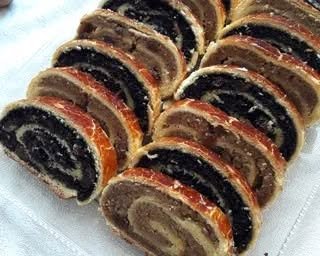
Suggested Featured Image Alt Text: Sliced Hungarian bejgli rolls with walnut and poppy seed swirls, dusted with powdered sugar on a dark plate.
Introduction
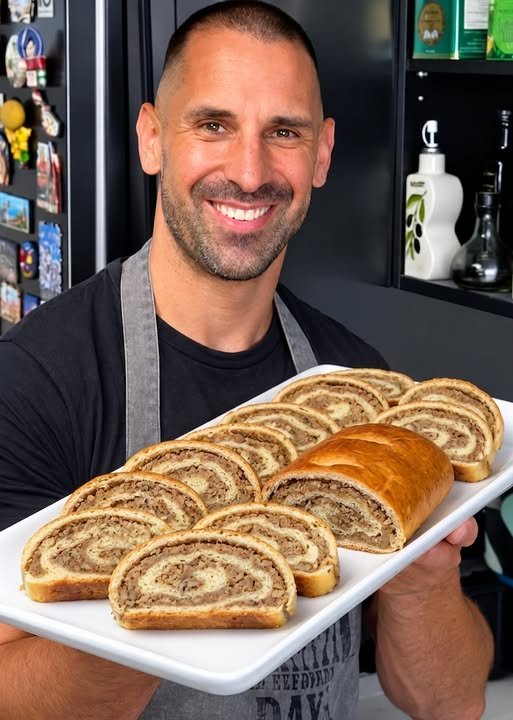
Hungarian bejgli is the centerpiece of the Hungarian holiday table. A tender, golden roll filled with a sweet, spiced walnut or poppy seed paste, it is sliced into rounds that reveal a beautiful spiral of filling and dough. In Hungary, no Christmas or Easter spread is complete without it, and many families bake several varieties—walnut (diós), poppy seed (mákos), and sometimes chestnut or apple—to serve alongside coffee, tea, and conversation. The version in the photograph shows the classic pairing: one roll filled with dark, fragrant poppy seed and another with warm, cinnamon-scented walnut, both baked to a deep golden brown and finished with a snowfall of powdered sugar.
Bejgli is a pastry that rewards patience. The dough is a rich, slightly sweet yeast dough, often enriched with butter, egg yolks, and sometimes sour cream or heavy cream. It is rolled thin, spread with a thick filling, rolled into a log, and baked until the crust is glossy and the interior is tender. The filling is the star: ground walnuts or poppy seeds cooked with sugar, milk or water, and warm spices like cinnamon and lemon zest. The result is a slice that is dense but soft, sweet but not cloying, and deeply satisfying with a cup of strong coffee or a glass of milk.
This recipe guide walks you through the entire process, from making the dough and the two classic fillings to rolling, glazing, baking, and storing the finished rolls. It covers the traditional techniques that Hungarian bakers use to prevent cracking, achieve a beautiful marbled glaze, and ensure the filling stays moist. Whether you are baking for a holiday, a weekend treat, or simply to experience a taste of Central European tradition, this bejgli recipe is designed to be reliable, detailed, and genuinely useful for home bakers of all levels.
Recipe Overview
Detail
Information
Preparation time
60 minutes (plus 1–2 hours chilling and 30 minutes proofing)
Cooking time
35–45 minutes per batch
Total time
Approximately 3–4 hours (including resting and proofing)
Servings
4 rolls (about 24–30 slices)
Difficulty level
Advanced
Cooking method
Yeast dough, rolling, filling, baking
Cuisine
Hungarian
Course
Dessert / Sweet Bread
Estimated calories per slice
Approximately 180–220 kcal (estimate; varies with filling and slice size)
The total time reflects the need to let the dough rest and chill, which improves its handling and texture. The fillings can be made ahead and chilled, and the shaped rolls can be proofed and baked in stages. This is a project best undertaken with some planning, but the active work is manageable, and the results are well worth the effort.
What Is Bejgli?
Bejgli is a traditional Hungarian sweet roll made from a rich, yeast-leavened dough that is rolled around a sweet filling, most commonly ground walnuts or ground poppy seeds. The word bejgli is derived from the German Beugel, reflecting the pastry’s Central European roots, but it has become a distinctly Hungarian tradition, especially associated with Christmas and Easter. The rolls are typically long and cylindrical, baked until golden, and sliced into rounds to reveal the spiral of filling inside.
The dough for bejgli is often described as omlós (tender or crumbly), a texture achieved by working cold fat—butter, margarine, or lard—into the flour before adding the liquid ingredients. Some recipes use a yeasted dough that is allowed to rise, while others rely on baking powder or simply the resting time in the refrigerator to develop structure. The version in this recipe uses a small amount of yeast for lift and flavor, combined with a cold-fat method that produces a tender, easy-to-roll dough.
The fillings are equally important. The walnut filling is typically made with ground walnuts, sugar, milk or water, breadcrumbs or crushed biscuits, cinnamon, and sometimes lemon zest or rum. The poppy seed filling follows a similar formula, with ground poppy seeds, sugar, liquid, breadcrumbs, lemon juice, and sometimes raisins. Both fillings are cooked briefly to thicken them and then cooled completely before spreading onto the dough. The goal is a filling that is thick enough to stay in place during rolling and slicing, but moist enough to remain soft after baking.
Ingredients You Will Need
This recipe makes four rolls—two walnut and two poppy seed—which is a practical batch for a holiday platter or for sharing. The dough is enough for four rolls of about 50 cm (20 inches) each, or you can divide it into smaller portions for more, shorter rolls.
For the Dough
750 g (6 cups) all-purpose flour
250 g (1 cup plus 2 tablespoons) cold unsalted butter or margarine, cubed
125 g (½ cup plus 1 tablespoon) cold lard or additional butter (lard is traditional and produces an especially tender dough)
100 g (½ cup) powdered sugar
25 g (0.9 oz) fresh yeast (or 8 g / 2½ teaspoons active dry yeast)
240 ml (1 cup) cold milk or water, plus more as needed
120 ml (½ cup) cold heavy cream (at least 30% fat)
2 large egg yolks
1 pinch fine salt
Grated zest of 1 lemon (optional)
For the Walnut Filling (Makes Enough for 2 Rolls)
400 g (3½ cups) finely ground walnuts
250 g (1¼ cups) granulated sugar (adjust to taste)
75 g (¾ cup) fine breadcrumbs or crushed plain biscuits
250 ml (1 cup) water or milk
2 heaping teaspoons ground cinnamon
Grated zest of 1 lemon (optional)
1 tablespoon rum or rum extract (optional)
For the Poppy Seed Filling (Makes Enough for 2 Rolls)
400 g (3½ cups) finely ground poppy seeds
250 g (1¼ cups) granulated sugar (adjust to taste)
75 g (¾ cup) fine breadcrumbs or crushed plain biscuits
250 ml (1 cup) water
Juice and grated zest of 1 lemon
50 g (¼ cup) raisins (optional)
For the Glaze
1 large egg yolk, beaten with 1 tablespoon water, for the first glaze
1 large egg white, beaten until frothy, for the second glaze
For Dusting
Powdered sugar, for serving
Important note on filling consistency: The fillings must be completely cooled before spreading onto the dough. Warm filling will soften the dough and make rolling difficult. If the filling seems too loose, cook it a few minutes longer until it holds its shape on a spoon. If it seems too stiff, stir in a tablespoon of water or milk.
Choosing the Best Ingredients
The quality of a bejgli depends on fresh ingredients and proper technique. Here is what to look for.
Walnuts. Use fresh, high-quality walnuts. Stale or rancid walnuts will ruin the filling. Buy whole walnuts and grind them yourself in a food processor for the best flavor and texture, or purchase freshly ground walnuts from a reliable source. The walnuts should smell sweet and nutty, not sharp or bitter.
Poppy seeds. Poppy seeds lose their flavor over time, so buy them from a source with good turnover. Grind them finely in a spice grinder or food processor. Pre-ground poppy seeds are convenient but often less flavorful; if you use them, taste them first to make sure they are fresh.
Flour. All-purpose flour works well. Hungarian finomliszt is a soft, fine flour that is ideal for pastries. If you are using a high-protein flour, the dough may be slightly tougher; in that case, reduce the mixing time and handle the dough gently.
Fat. The combination of butter and lard is traditional and produces a tender, flavorful dough. If you prefer not to use lard, use all butter or a high-quality margarine. Cold fat is essential; keep it refrigerated until you are ready to cut it into the flour.
Sugar. Granulated sugar is used in the fillings, and powdered sugar is used in the dough. Do not reduce the sugar in the fillings too much, as it also helps preserve the rolls and contributes to the texture.
Spices and flavorings. Cinnamon is traditional in the walnut filling, while lemon juice and zest brighten the poppy seed filling. Use fresh spices and real vanilla or rum extract if possible. These small details make a noticeable difference in the final flavor.
Kitchen Equipment
Bejgli requires no specialized equipment, but a few tools make the process smoother.
Essential equipment:
A large mixing bowl for the dough.
A pastry blender or your fingertips for cutting the cold fat into the flour.
A rolling pin for rolling the dough thin.
A sharp knife or pastry wheel for cutting the dough and slicing the baked rolls.
Baking sheets lined with parchment paper.
A wire cooling rack.
Plastic wrap for chilling the dough.
A pastry brush for applying the egg glazes.
Useful but optional equipment:
A stand mixer with a dough hook for kneading, though the dough can be made by hand.
A kitchen scale for accurate measuring, especially for the flour and fillings.
A bench scraper for lifting and handling the rolled dough.
A spice grinder or food processor for grinding the walnuts and poppy seeds.
A fine-mesh sieve for dusting powdered sugar.
Do not use a food processor for the dough itself; it can overwork the gluten and warm the fat, resulting in a tough pastry. A pastry blender or your hands gives you the control you need.
Step-by-Step Cooking Instructions
Stage 1: Make the Fillings
Prepare the walnut filling. In a medium saucepan, combine the water or milk, sugar, and ground walnuts. Cook over medium heat, stirring constantly, until the mixture thickens and bubbles gently, about 5–7 minutes. Stir in the breadcrumbs, cinnamon, lemon zest, and rum (if using). Cook for another 2 minutes, until the filling pulls away from the sides of the pan. Transfer to a bowl and let it cool completely. The filling should be thick enough to hold its shape on a spoon.
Prepare the poppy seed filling. In a separate saucepan, combine the water, sugar, and ground poppy seeds. Cook over medium heat, stirring constantly, until thickened, about 5–7 minutes. Stir in the breadcrumbs, lemon juice, lemon zest, and raisins (if using). Cook for another 2 minutes, then transfer to a bowl and cool completely.
Chill the fillings. Once cooled, cover the bowls and refrigerate the fillings until you are ready to assemble the rolls. Cold fillings are easier to spread and less likely to tear the dough.
Stage 2: Make the Dough
Combine the dry ingredients. In a large bowl, whisk together the flour, powdered sugar, and salt. Add the lemon zest, if using.
Cut in the cold fat. Add the cold, cubed butter and lard to the flour mixture. Using a pastry blender or your fingertips, work the fat into the flour until the mixture resembles coarse crumbs with some pea-sized pieces remaining. Keep the mixture cool; if the fat begins to soften, return the bowl to the refrigerator for 10 minutes.
Activate the yeast. In a small bowl, combine the cold milk, heavy cream, and fresh yeast. Stir until the yeast is dissolved. If using active dry yeast, let it sit for 5 minutes until foamy.
Add the wet ingredients. Pour the yeast mixture and the egg yolks into the flour mixture. Stir with a wooden spoon or your hands until a soft, slightly sticky dough forms. Add a tablespoon of cold milk if the dough seems dry, or a tablespoon of flour if it seems too wet. Do not overmix.
Chill the dough. Shape the dough into a flat disk, wrap it tightly in plastic wrap, and refrigerate for at least 1 hour, or up to 2 hours. Chilling firms the fat and makes the dough easier to roll.
Stage 3: Roll, Fill, and Shape
Preheat the oven and prepare the workspace. Preheat the oven to 180°C (350°F). Line two baking sheets with parchment paper. Lightly flour a clean work surface.
Divide the dough. Remove the dough from the refrigerator and divide it into four equal portions. Work with one portion at a time and keep the rest refrigerated.
Roll out the dough. On the floured surface, roll one portion of dough into a rectangle about 3–5 mm (⅛–¼ inch) thick and about 25 cm (10 inches) wide. The length will vary depending on the size of your baking sheet; aim for a rectangle that will fit comfortably.
Spread the filling. Spread a quarter of the walnut or poppy seed filling evenly over the dough, leaving a 2 cm (¾ inch) border around the edges. Do not spread the filling too thickly; a thin, even layer is easier to roll and bakes more evenly.
Roll the dough. Starting from one long edge, roll the dough gently and tightly into a log. Pinch the seam to seal. Fold the ends under slightly to contain the filling. Repeat with the remaining dough and fillings.
Arrange on the baking sheet. Place the rolls seam-side down on the prepared baking sheets, leaving space between them. If the rolls are very long, you can curve them slightly or cut them in half to fit.
Stage 4: Glaze, Proof, and Bake
Apply the first glaze. Brush the rolls with the beaten egg yolk mixture. Place them in a cool place (the refrigerator or a cool room) for 15–20 minutes to let the glaze dry.
Apply the second glaze. Brush the rolls with the frothy egg white. This creates the traditional marbled, glossy finish. Let the glaze dry again for 10–15 minutes.
Bake. Bake the rolls in the preheated oven for 35–45 minutes, until they are deep golden brown and sound hollow when tapped on the bottom. If the tops are browning too quickly, cover them loosely with aluminum foil after 20 minutes.
Cool. Remove the rolls from the oven and transfer them to a wire rack to cool completely before slicing. Slicing while hot will cause the filling to crumble and the slices to fall apart.
Important Baking Tips
Keep the dough cold. Cold dough is easier to roll, less likely to stick, and holds its shape better in the oven. Work quickly and return the dough to the refrigerator if it becomes warm.
Do not overfill. A thin, even layer of filling is better than a thick one. Overfilled rolls crack open during baking and are difficult to slice.
Seal the seams well. Pinch the seam firmly to prevent the filling from leaking. Fold the ends under to contain the filling at the edges.
Use the double-glaze technique. The egg yolk glaze creates a rich base, and the egg white glaze creates a glossy, marbled finish. Letting each layer dry before applying the next is key to the traditional appearance.
Bake at a moderate temperature. 180°C (350°F) is the standard temperature for bejgli. A higher temperature can cause the crust to brown before the filling is cooked, while a lower temperature can dry out the dough.
Cool completely before slicing. Warm bejgli will crumble and the filling will smear. Let the rolls cool on a wire rack for at least 1 hour before slicing with a sharp, serrated knife.
Common Mistakes to Avoid
1. Using warm or soft fat. The fat must be cold when it is cut into the flour. Warm fat produces a greasy, tough dough. Keep the butter and lard refrigerated until the last moment.
2. Overmixing the dough. Mix just until the dough comes together. Overmixing develops gluten and results in a tough, chewy pastry instead of a tender one.
3. Using warm filling. Warm filling softens the dough and makes rolling difficult. Cool the fillings completely and chill them before spreading.
4. Overfilling the rolls. A thick layer of filling will cause the rolls to crack and the filling to spill out during baking. Spread a thin, even layer.
5. Skipping the resting time. Chilling the dough and letting the glazed rolls rest before baking are not optional steps. They affect both the texture and the appearance of the finished bejgli.
6. Slicing while hot. Hot bejgli will crumble and the filling will not hold its shape. Wait until the rolls are completely cool before slicing.
7. Not sealing the seams. An unsealed seam will open during baking and release the filling. Pinch the seam firmly and fold the ends under.
8. Baking at too high a temperature. A hot oven will brown the crust before the filling is fully cooked. Stick to 180°C (350°F) and check the rolls after 30 minutes.
Variations and Substitutions
Chestnut filling. A popular modern variation uses sweet chestnut puree mixed with rum and vanilla. Use about 250 g (1 cup) of chestnut puree per roll, softened with a tablespoon of rum or milk.
Apple filling. Grated apple cooked with sugar, cinnamon, and a little breadcrumbs makes a moist, sweet filling. This is less traditional but delicious.
Walnut and poppy seed together. Some bakers spread a layer of walnut filling and a layer of poppy seed filling in the same roll for a marbled effect. This requires a gentle hand and a thinner layer of each filling.
Gluten-free adaptation. Use a gluten-free all-purpose flour blend with xanthan gum. The dough will be more fragile, so handle it gently and chill it thoroughly. The texture will be slightly different, but the flavor will still be excellent.
Dairy-free adaptation. Substitute the butter and lard with a high-fat plant-based butter or coconut oil. Use a plant-based milk and cream. The dough will be slightly less rich, but it will still work.
Different sizes. The rolls can be made smaller for individual servings or larger for a dramatic centerpiece. Adjust the baking time accordingly; smaller rolls will bake more quickly.
Sweetener adjustments. The sugar in the fillings can be reduced by up to 25% if you prefer a less sweet bejgli. Do not reduce it too much, as sugar contributes to the texture and preservation of the filling.
What to Serve with Bejgli
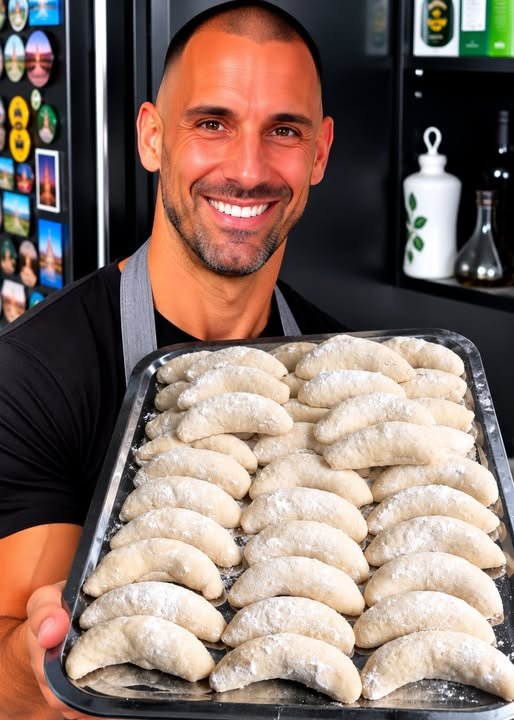
Bejgli is traditionally served with coffee, tea, or a glass of milk. It is a staple of the Hungarian Christmas table, where it sits alongside mézeskalács (honey cookies), hókifli (snow crescents), and zserbó (layered apricot-walnut cake). At Easter, it is often served with sliced ham, boiled eggs, and fresh spring vegetables.
For a simple dessert, serve slices of bejgli on a platter with a dusting of powdered sugar and a bowl of fresh fruit—clementines, apples, or grapes. A small glass of pálinka (fruit brandy) or a cup of strong black coffee is a traditional accompaniment for adults. In the afternoon, bejgli is perfect with a pot of tea or a café au lait.
If you want to build a complete Hungarian-inspired meal, start with a light soup such as húsleves (clear meat broth), followed by a main course of chicken paprikash or pörkölt, and finish with bejgli and coffee. The richness of the bejgli is best appreciated after a lighter meal.
How to Store and Reheat Leftovers
Bejgli keeps well and actually improves after a day or two, as the flavors meld and the filling softens. Store the cooled rolls, wrapped tightly in plastic wrap or aluminum foil, at room temperature for up to 5–7 days. For longer storage, refrigerate for up to 2 weeks or freeze for up to 3 months.
To freeze, slice the rolls or leave them whole, wrap them tightly in plastic wrap and then in a freezer bag. Thaw at room temperature for several hours or overnight. Do not thaw in the microwave, as the filling will become too hot and the dough will toughen.
Bejgli is traditionally served at room temperature, not reheated. If you prefer it slightly warm, place slices in a low oven (about 120°C / 250°F) for 5–10 minutes, but be careful not to dry them out. Do not reheat in a microwave, as the filling can become molten and the dough can become rubbery.
Dust with fresh powdered sugar just before serving, as the original dusting will absorb into the surface during storage.
Make-Ahead and Meal-Preparation Tips
Bejgli is an excellent make-ahead project. The dough can be made and chilled for up to 24 hours. The fillings can be made and refrigerated for up to 3 days. The shaped, glazed, unbaked rolls can be frozen on a baking sheet until firm, then transferred to a freezer bag and baked directly from frozen, adding 10–15 minutes to the baking time.
For a stress-free holiday, make the fillings one day, the dough the next, and bake on the third day. A realistic timeline is to make the fillings in the morning, mix the dough in the afternoon, and chill it overnight. The next day, roll, fill, glaze, and bake. The baked rolls will keep for a week, so you can bake them several days before your event.
If you are making multiple batches, label the fillings clearly. Walnut and poppy seed fillings look different, but it is easy to mix them up if they are stored in similar containers.
Troubleshooting Guide
Why did my bejgli crack during baking? Cracking usually happens when the rolls are overfilled or when the dough is too dry. Use a thinner layer of filling and make sure the dough is soft and pliable. Sealing the seam well and folding the ends under also helps. Some cracking is normal, but if the filling spills out, reduce the amount of filling next time.
Why is my dough tough? Overmixing or using warm fat can make the dough tough. Mix just until the dough comes together, and keep the fat cold. A few streaks of fat in the dough are desirable; they create tenderness.
Why did the filling leak out? The filling may have been too thin, or the seam was not sealed properly. Cook the filling until it is thick enough to hold its shape, and pinch the seam firmly. Folding the ends under also helps contain the filling.
Why is my bejgli dry? Overbaking is the most common cause of dryness. Check the rolls after 30 minutes and remove them as soon as they are golden brown and sound hollow. Covering the tops with foil during baking also helps prevent excessive drying.
Why didn’t the glaze become glossy? The egg white glaze must be applied to a dry surface to create the marbled effect. Let the egg yolk glaze dry completely before applying the egg white, and let the egg white dry before baking.
Can I use a different filling? Yes. Chestnut, apple, and even chocolate fillings are popular variations. Adjust the consistency of the filling so it is thick enough to spread and roll.
How do I slice bejgli without it crumbling? Use a sharp serrated knife and slice with a gentle sawing motion. Do not press down hard. Make sure the rolls are completely cool before slicing.
These values are estimates and will vary with the exact size of the slices, the type of filling, and the specific ingredients used. They are not laboratory-verified and should be treated as a general guide.
Frequently Asked Questions
What is the difference between bejgli and a nut roll? Bejgli is a Hungarian sweet roll with a yeast dough and a walnut or poppy seed filling. It is similar to a nut roll, but the dough is typically richer and more tender, and the fillings are cooked before spreading. The traditional Hungarian version often uses a combination of butter and lard for a distinctively crumbly texture.
Is bejgli the same as potica or povitica? Bejgli, potica, and povitica are all Central European rolled pastries with nut or seed fillings, but they come from different culinary traditions and have slightly different doughs and fillings. Bejgli is Hungarian, potica is Slovenian, and povitica is Croatian. They are cousins rather than identical twins.
Can I make bejgli without yeast? Yes. Some traditional recipes use a simple pastry dough without yeast, relying on the cold fat and resting time for texture. The version in this recipe uses a small amount of yeast for lift, but you can omit it and add an extra egg yolk for richness.
How long does bejgli last? Stored tightly wrapped at room temperature, bejgli lasts for 5–7 days. In the refrigerator, it lasts for up to 2 weeks. It also freezes well for up to 3 months.
Can I use store-bought filling? Yes, but the quality varies. If you use a store-bought walnut or poppy seed filling, taste it first and adjust the sugar and spices as needed. Homemade filling is generally superior in flavor and texture.
Why does bejgli have a marbled glaze? The marbled effect comes from applying an egg yolk glaze, letting it dry, and then applying an egg white glaze. The egg white creates a glossy, slightly translucent finish that contrasts with the golden yolk glaze beneath.
Can I make bejgli ahead of time? Yes. The dough and fillings can be made ahead, and the baked rolls keep for several days. You can also freeze the shaped, unbaked rolls and bake them directly from frozen.
What is the best way to slice bejgli? Use a sharp serrated knife and a gentle sawing motion. Slice the roll into rounds about 1–2 cm (½–¾ inch) thick. Do not press down hard, or the filling will crumble.
Is bejgli gluten-free? Traditional bejgli is made with wheat flour and is not gluten-free. You can substitute a gluten-free all-purpose flour blend, but the texture will be slightly different. Look for a blend with xanthan gum for the best results.
Final Recipe Summary
Traditional Hungarian bejgli is a pastry that embodies the warmth and generosity of Central European baking. The tender yeast dough, the sweet, spiced walnut and poppy seed fillings, and the glossy, marbled glaze come together to create a roll that is as beautiful to look at as it is satisfying to eat. It is a project that rewards careful technique and a little patience, but the result—a platter of golden, sugar-dusted slices—is the kind of thing that makes a holiday table feel complete. Whether you are baking for Christmas, Easter, or simply a quiet weekend, this bejgli recipe gives you a reliable path to an authentic-tasting Hungarian classic.
Printable Recipe Card
Traditional Hungarian Bejgli (Walnut & Poppy Seed Roll)
Tender yeast dough filled with sweet walnut or poppy seed paste, glazed and baked to golden perfection.
Prep time
60 minutes (plus 1–2 hours chilling)
Cook time
35–45 minutes per batch
Total time
Approximately 3–4 hours
Servings
4 rolls (about 24–30 slices)
Cuisine
Hungarian
Course
Dessert / Sweet Bread
Ingredients
For the dough:
750 g (6 cups) all-purpose flour
250 g (1 cup plus 2 tbsp) cold unsalted butter or margarine, cubed
125 g (½ cup plus 1 tbsp) cold lard or additional butter
100 g (½ cup) powdered sugar
25 g (0.9 oz) fresh yeast (or 8 g / 2½ tsp active dry yeast)
240 ml (1 cup) cold milk or water
120 ml (½ cup) cold heavy cream (at least 30% fat)
2 large egg yolks
1 pinch fine salt
For the walnut filling (2 rolls):
400 g (3½ cups) finely ground walnuts
250 g (1¼ cups) granulated sugar
75 g (¾ cup) fine breadcrumbs
250 ml (1 cup) water or milk
2 heaping tsp ground cinnamon
Grated zest of 1 lemon (optional)
For the poppy seed filling (2 rolls):
400 g (3½ cups) finely ground poppy seeds
250 g (1¼ cups) granulated sugar
75 g (¾ cup) fine breadcrumbs
250 ml (1 cup) water
Juice and zest of 1 lemon
50 g (¼ cup) raisins (optional)
For the glaze:
1 egg yolk, beaten with 1 tbsp water
1 egg white, beaten until frothy
Powdered sugar, for dusting
Instructions
Make the fillings: Cook the walnuts or poppy seeds with the sugar, liquid, breadcrumbs, and flavorings until thickened. Cool completely.
Make the dough: Combine the flour, sugar, and salt. Cut in the cold butter and lard until crumbly. Dissolve the yeast in the milk and cream, then add to the flour with the egg yolks. Mix until a soft dough forms. Wrap and chill for 1–2 hours.
Divide the dough into 4 portions. Roll each portion into a thin rectangle. Spread a thin layer of filling over the dough, leaving a border. Roll up tightly and seal the seam.
Place the rolls on lined baking sheets. Brush with egg yolk glaze and let dry. Brush with egg white glaze and let dry again.
Bake at 180°C (350°F) for 35–45 minutes, until deep golden brown. Cool completely before slicing.
Dust with powdered sugar before serving.
Storage: Store wrapped at room temperature for 5–7 days, refrigerate for up to 2 weeks, or freeze for up to 3 months.
Nutrition per slice (estimate): 180–220 kcal; Protein 3–4 g; Carbohydrates 20–25 g; Fat 10–14 g; Sugar 9–13 g.
Internal Linking Suggestions
Anchor text: “traditional Hungarian chicken paprikash” — link to a savory main course recipe for a complete Hungarian meal.
Anchor text: “Hungarian jam-filled kifli cookies” — link to another classic Hungarian holiday cookie for a varied dessert platter.
Anchor text: “how to make lekvar (fruit butter)” — link to a guide on making thick fruit preserves, useful for other Hungarian pastries.
Anchor text: “Hungarian Christmas cookie recipes” — link to a roundup of holiday baking, including mézeskalács and hókifli.
Anchor text: “working with yeast doughs” — link to a technique guide for beginners on proofing, kneading, and shaping yeast dough.
External Source Suggestions
For food-safety guidance on egg-containing baked goods and proper storage, the USDA Food Safety and Inspection Service provides current recommendations. For Hungarian culinary terminology and traditional context, TasteAtlas and Wikipedia offer useful overviews of bejgli and related pastries. For ingredient sourcing, specialty walnuts, poppy seeds, and Hungarian flour are available from Eastern European groceries and online merchants. These sources are suggestions for further reading and verification, not endorsements of specific brands or claims.