Traditional Hungarian Lángos Recipe (Crispy Fried Flatbread)
Introduction
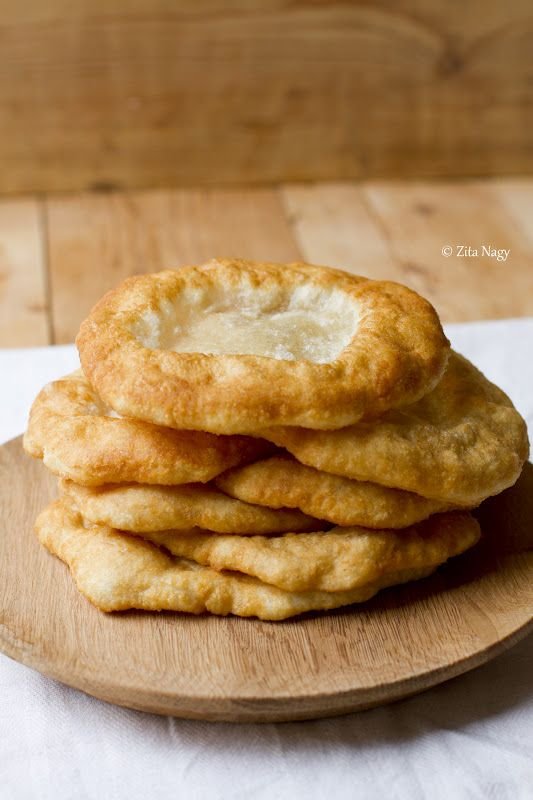
Few foods capture the soul of Hungarian street food like lángos (pronounced LOWN-gosh). This deep-fried flatbread is a study in glorious contrasts: a shatteringly crisp golden crust gives way to a soft, chewy, and slightly bubbly interior. It is simple, hearty, and utterly irresistible. If you have ever wandered through a Hungarian market, festival, or a bustling Budapest square in summer, you have likely seen the queues forming at lángos stands, drawn by the promise of this warm, garlicky, and satisfying treat.
While its origins lie in the leftover bread dough baked near the flames of a brick oven—its name comes from the Hungarian word láng, meaning “flame”—the modern lángos is a deep-fried masterpiece. The most iconic version is rubbed with fresh garlic and slathered with cool sour cream (tejföl) and a generous snowfall of grated cheese. The hot, oily bread melts the cheese and tempers the sharp bite of the garlic, creating a flavor combination that is both rich and refreshing.
This recipe will guide you through making authentic lángos from scratch. We will cover the simple dough, the crucial frying technique, and the classic toppings that make this Hungarian specialty a beloved comfort food worldwide. Whether you are a seasoned home cook or a beginner, this detailed guide will help you recreate the magic of a Hungarian street fair in your own kitchen.
Recipe Overview
Preparation Time: 30 minutes
Cooking Time: 20–30 minutes (including frying in batches)
Resting Time: 1 hour 20 minutes (for the dough to rise)
Total Time: Approximately 2 hours 20 minutes
Servings: Makes 8 medium-sized lángos
Difficulty Level: Intermediate
Cooking Method: Deep-frying
Cuisine: Hungarian
Course: Snack, Street Food, Appetizer
Estimated Calories per Serving: Approximately 350–450 kcal (depending on toppings and oil absorption)
What Is Hungarian Lángos?
Lángos is Hungary’s quintessential fried flatbread. At its core, it is a simple yeast dough—similar to pizza dough but richer—that is stretched into a disk and deep-fried until puffed and golden. The result is a bread that is simultaneously crunchy and airy, with a texture that is perfect for holding onto toppings.
Its history is deeply rooted in Hungarian home baking. Up until the mid-20th century, bread was baked once a week in large brick ovens. To test the oven’s heat or to use up the last bits of dough, families would bake small, flat pieces of bread near the flames. These were the original lángos, served hot for breakfast on baking day. As communal bread-baking declined, the lángos evolved. After the 1950s, small market stalls began selling a new version—deep-fried in lard or sunflower oil—which quickly became a beloved street food.
Today, lángos is more than just a snack; it is a cultural icon. It is enjoyed at summer lakesides, Christmas markets, and festivals year-round. While the classic garlic-sour cream-cheese combination remains the gold standard, the toppings are limited only by imagination, ranging from sausage and bacon to even sweet versions with jam or Nutella. The version most commonly found today is known as krumplis lángos (potato lángos) when mashed potato is added to the dough, which gives it an extra tender and fluffy interior. Our recipe below uses a classic, straightforward dough that is both foolproof and delicious.
Ingredients You Will Need
For the Dough
500 g (4 cups) all-purpose flour, plus extra for dusting
1 teaspoon (5 g) sugar
2 ¼ teaspoons (7 g / one 0.25 oz packet) active dry yeast or instant yeast
300 ml (1 ¼ cups) lukewarm water (or a mix of water and milk for a richer dough)
1 teaspoon (6 g) fine sea salt
2 tablespoons (30 ml) vegetable oil (such as sunflower or canola), plus more for the bowl
For Frying
1 liter (4 cups) sunflower oil, canola oil, or lard, for deep-frying (enough to fill your pot to a depth of at least 2 inches / 5 cm)
For the Classic Toppings
2–3 cloves fresh garlic, minced or crushed into a paste
240 g (1 cup) sour cream (tejföl)
200 g (2 cups) grated cheese (Trappista, Edam, Gouda, or a mild cheddar)
Optional: A pinch of salt, chopped fresh dill, or a sprinkle of Hungarian sweet paprika
Choosing the Best Ingredients
The beauty of lángos lies in its simplicity, so the quality of your basic ingredients matters more than you might think.
Flour: Standard all-purpose flour works perfectly. Sifting it before mixing, as recommended by traditional recipes, helps incorporate air and results in a lighter, bubblier dough.
Yeast: Always check the expiration date on your yeast. If using active dry yeast, you must proof it in the lukewarm water with the sugar first. If using instant yeast, you can mix it directly with the flour. The water should feel slightly warm to the touch, like a baby’s bath—too hot and it will kill the yeast; too cold and it will not activate.
Water vs. Milk: The most basic lángos dough uses water. However, substituting a portion of the water with milk (about 100 ml / ⅓ cup) will yield a slightly softer and richer dough.
Potatoes (for Krumplis Lángos): If you want to make the potato version, use a starchy russet or Idaho potato. Boil and mash it finely, then add it to the dough. The starch from the potato makes the interior exceptionally soft and fluffy. Reduce the water by about 50 ml (¼ cup) to compensate for the moisture in the potato.
Oil for Frying: A neutral oil with a high smoke point is essential. Sunflower oil is the traditional choice in Hungary, but canola, vegetable, or peanut oil all work well. Lard (zsír) is also traditional and adds a wonderful, rich flavor, but it is optional.
Kitchen Equipment
A large mixing bowl
A wooden spoon or a stand mixer with a dough hook
A clean kitchen towel or plastic wrap
A heavy-bottomed pot or a deep skillet (at least 4 inches / 10 cm deep)
A deep-fry thermometer (highly recommended for accuracy)
A slotted spoon or spider skimmer
A wire rack set over a baking sheet, or a plate lined with paper towels
A rolling pin (optional) or just your well-floured hands
Step-by-Step Cooking Instructions
Step 1: Activate the Yeast
In a small bowl or measuring cup, combine the lukewarm water (and milk, if using) with the sugar and yeast. Stir gently and let it sit for 5–10 minutes until the mixture becomes frothy on top. This step, called “proofing,” confirms that your yeast is alive and ready to make the dough rise. If using instant yeast, you can skip this separate proofing step and add it directly to the flour, but proofing is a good habit for consistent results.
Step 2: Make the Dough
In a large mixing bowl, combine the sifted flour and salt. Make a well in the center. Pour the frothy yeast mixture and the 2 tablespoons of oil into the well. Using a wooden spoon or your hands, gradually incorporate the flour into the liquid from the center outwards. Mix until a shaggy, sticky dough forms.
Step 3: Knead the Dough
Turn the dough out onto a lightly floured surface. Knead it for 8–10 minutes until it becomes smooth, elastic, and only slightly tacky. If the dough is too sticky to handle, add a little more flour, one tablespoon at a time, but be careful not to add too much, as this will make the lángos dense. The dough should be soft and pliable. Shape it into a ball.
Step 4: Let the Dough Rise
Lightly oil the inside of your mixing bowl. Place the dough ball in the bowl, turning it once to coat it in oil. Cover the bowl with a clean kitchen towel or plastic wrap and place it in a warm, draft-free spot. Let it rise for 1 hour, or until it has doubled in size. In a warm kitchen, this might take less time; in a cooler one, it might take a little longer.
Step 5: Shape the Lángos
Once the dough has risen, punch it down gently to release the air. Turn it out onto a lightly floured surface. Divide the dough into 8 equal portions. Shape each portion into a smooth ball. Cover the balls with a towel and let them rest for 10–15 minutes. This short rest makes the dough easier to stretch without it springing back.
Step 6: Heat the Oil
While the dough balls are resting, pour the frying oil into your heavy-bottomed pot or deep skillet. The oil should be at least 2 inches (5 cm) deep. Heat the oil over medium-high heat until it reaches a temperature of 350°F to 365°F (175°C to 185°C). If you don’t have a thermometer, you can test the oil by dropping in a small piece of dough. If it sizzles immediately and floats to the surface, the oil is ready.
Step 7: Stretch and Fry
Lightly oil your hands or a rolling pin. Take one dough ball and stretch or roll it into an oval or round disk, about 6 to 8 inches (15–20 cm) in diameter and ¼ inch (½ cm) thick. Do not make it too thin, or it will become brittle; the edges should be slightly thicker than the center. Carefully slide the stretched dough into the hot oil. It should immediately begin to puff and sizzle.
Step 8: Fry Until Golden
Fry the lángos for 1–2 minutes on the first side, or until the bottom is a deep golden brown and the top is covered in bubbles. Using a slotted spoon or tongs, flip it over and fry for another 1–2 minutes on the other side. The total frying time should be about 3–5 minutes. Adjust the heat as needed to keep the oil at the right temperature. If the oil is too hot, the outside will burn before the inside is cooked; if it is too cool, the lángos will absorb too much oil and become greasy.
Step 9: Drain and Keep Warm
Remove the finished lángos from the oil with a slotted spoon and place it on a wire rack or a plate lined with paper towels to drain any excess oil. If you are frying in batches, keep the finished lángos warm in a low oven (around 200°F / 90°C) while you cook the rest. Serve them as soon as possible while they are still hot and crispy.
Important Cooking Tips
Oil Temperature is Everything: The single most important factor for non-greasy, perfectly cooked lángos is maintaining the correct oil temperature. Use a thermometer for accuracy. If the temperature drops below 350°F (175°C) after adding the dough, increase the heat slightly. If it starts smoking, reduce the heat.
Stretch, Don’t Roll: While you can use a rolling pin, stretching the dough by hand gives you better control over the thickness, allowing you to keep the edges a bit thicker for that characteristic chewy rim.
Do Not Overcrowd the Pot: Fry only one or two lángos at a time, depending on the size of your pot. Crowding the pot will cause the oil temperature to drop dramatically, resulting in soggy, oily bread.
Serve Immediately: Lángos is at its absolute best when eaten hot and fresh. The contrast between the crispy exterior and the soft interior is fleeting. If you must wait, keep them warm in a single layer in a low oven—stacking them will trap steam and make them soggy.
Common Mistakes to Avoid
Adding Salt Directly to the Yeast: Salt can kill yeast. Always mix the salt with the flour first before adding the yeast mixture, or keep them separate until the dough comes together.
Using Cold or Overly Hot Water: Water that is too cold will not activate the yeast, and water that is too hot (above 115°F / 46°C) will kill it. Stick to lukewarm water, around 100°F–110°F (38°C–43°C).
Under-Kneading the Dough: Kneading develops the gluten, which gives the lángos its structure. If you don’t knead enough, the dough will be difficult to stretch and the final texture will be dense rather than chewy.
Frying at the Wrong Temperature: As mentioned, oil that is too cool leads to greasy lángos, and oil that is too hot leads to a burnt crust with a raw center. Invest in a deep-fry thermometer; it is a game-changer.
Skipping the Rest Periods: The initial rise is crucial for flavor and texture, and the short rest after shaping makes the dough manageable. Do not rush these steps.
Overloading with Toppings: While it is tempting to pile on the toppings, start with a moderate amount. Too much sour cream and cheese can weigh down the bread and make it soggy before you can enjoy it.
Variations and Substitutions
Krumplis Lángos (Potato Lángos): For a softer, more tender crumb, add 1 cup of finely mashed, cooled potato to the dough. Reduce the water by about ¼ cup. This is a very popular variation in Hungary.
Whole Wheat Lángos: Substitute up to half of the all-purpose flour with whole wheat flour for a slightly nuttier flavor and more fiber. The texture will be a bit denser.
Dairy-Free: Use water instead of milk in the dough and serve with a dairy-free sour cream alternative. The classic toppings can be adapted to suit dietary needs.
Gluten-Free: Making gluten-free lángos is challenging because the gluten network is essential for the chewy texture. You can try a 1:1 gluten-free flour blend, but the results will be quite different. A better option might be a gluten-free flatbread recipe.
Topping Variations:
The “Everything” Lángos: Top with sour cream, cheese, crispy bacon bits, and finely chopped red onion.
Liptauer Lángos: Spread with Liptauer, a spicy Hungarian cheese spread flavored with paprika and caraway seeds.
Mushroom Lángos: Top with sautéed mushrooms and a dollop of sour cream.
Sweet Lángos: For dessert, skip the garlic and savory toppings. Instead, spread with apricot or plum jam, or a dusting of powdered sugar.
What to Serve With This Dish
Lángos is a meal in itself, but it can be part of a larger spread.
A Fresh Salad: A simple cucumber salad with sour cream and dill (uborkasaláta) is a classic Hungarian pairing that cuts through the richness of the fried bread.
Pickles: Crunchy pickled vegetables, like gherkins or pickled peppers, add a tangy contrast.
A Cold Beverage: A cold beer, a glass of dry white wine, or a refreshing soda like Fröccs (wine spritzer) are popular choices in Hungary.
For a Complete Meal: Serve lángos as a starter or side to a bowl of hearty Hungarian goulash soup (gulyásleves), but be mindful that it is quite filling.
How to Store and Reheat Leftovers
Lángos is best enjoyed fresh, but if you have leftovers, here is how to handle them:
Refrigeration: Allow the lángos to cool completely, then store them in an airtight container in the refrigerator for up to 2 days. They will lose their crispness.
Freezing: Lángos freezes surprisingly well. Place cooled lángos in a single layer on a baking sheet and freeze until solid. Then transfer them to a freezer-safe bag or container for up to 2 months.
Reheating: The best way to revive a leftover lángos is to reheat it in a hot oven or toaster oven at 400°F (200°C) for 5–7 minutes, or until it is hot and crispy again. Avoid the microwave, as it will make the bread rubbery. For frozen lángos, reheat directly from frozen in the oven.
Make-Ahead and Meal-Preparation Tips
Make the Dough Ahead: You can prepare the dough through the first rise, then punch it down, cover it tightly, and refrigerate it overnight. The next day, let it come to room temperature for about 30 minutes before shaping and frying. This slow fermentation actually improves the flavor.
Freeze the Shaped Dough: You can shape the dough into disks, place them on a parchment-lined baking sheet, and freeze. Once frozen, stack them with parchment paper between each one and store in a freezer bag. Fry them directly from frozen, adding a minute or two to the cooking time.
Prepare Toppings in Advance: Grate the cheese, mix the garlic into the sour cream, and chop any fresh herbs ahead of time. This makes the final assembly quick and easy when your guests are ready to eat.
Troubleshooting Guide
Q: My lángos turned out greasy and soggy. What went wrong? A: This is almost always due to the oil not being hot enough. When the oil temperature is below 350°F (175°C), the dough absorbs the oil instead of sealing immediately. Use a thermometer to ensure the oil is at the correct temperature before adding the dough, and try not to overcrowd the pot, as this causes the temperature to drop.
Q: My dough is too sticky to handle. Can I add more flour? A: Yes, but add it gradually, one tablespoon at a time. The dough should be soft and slightly tacky, but not unmanageable. Adding too much flour will result in a dense, heavy lángos. Lightly oiling your hands before shaping the dough can also help prevent sticking.
Q: Why didn’t my lángos puff up? A: There are a few possible reasons. Your yeast might be dead (always proof it first). The dough might not have been kneaded enough to develop gluten. Or, the oil might not have been hot enough to create the steam that causes the dough to puff.
Q: Can I bake lángos instead of frying it? A: Traditional lángos is deep-fried. However, you can bake the dough in a very hot oven (around 475°F / 240°C) on a preheated pizza stone or baking sheet until puffed and golden. The texture will be more like a flatbread or pita than a fried lángos, but it is a healthier alternative.
Q: How spicy is lángos? A: The basic lángos is not spicy at all. The flavor comes from the garlic and the tang of the sour cream. If you want heat, you can add a sprinkle of hot Hungarian paprika (erős paprika) or a dash of hot sauce to your toppings.
Nutritional Information
Please note: Nutritional values are estimates and will vary based on exact ingredients, portion sizes, and the amount of oil absorbed during frying.
Calories: 350–450 kcal per serving (one lángos with classic toppings)
Protein: 10–12 g
Carbohydrates: 45–55 g
Fat: 15–20 g
Saturated Fat: 5–7 g
Fiber: 1–2 g
Sugar: 2–3 g
Sodium: 400–500 mg
Frequently Asked Questions (FAQ)
1. What is the difference between lángos and pizza? While both start with a yeast dough, lángos is deep-fried, whereas pizza is baked. Lángos dough is also typically simpler and does not contain the rich tomato sauce and vast array of toppings of a pizza. It is more akin to a fried flatbread or a savory doughnut.
2. Is lángos eaten as a main course or a snack? In Hungary, it is most commonly eaten as a snack or street food. However, a large lángos with generous toppings can certainly serve as a satisfying lunch or a casual dinner.
3. Can I use a bread machine to make the dough? Yes, absolutely. You can add all the dough ingredients to your bread machine in the order recommended by the manufacturer and use the “Dough” cycle. Let it complete the kneading and first rise, then proceed with the recipe from Step 5.
4. What is the best cheese for lángos? Traditionally, a Hungarian cheese like Trappista or Edam is used. These are semi-hard cheeses that melt well and have a mild, slightly nutty flavor. Gouda, mozzarella, or a mild cheddar are good substitutes.
5. How do I pronounce “lángos”? It is pronounced LOWN-gosh. The “á” is a long “a” sound, and the “s” is pronounced like “sh”.
6. Is lángos gluten-free? No, traditional lángos is made with wheat flour and contains gluten. It is not suitable for a gluten-free diet unless you use a specialized gluten-free flour blend, which will alter the texture significantly.
7. Can I prepare the dough the night before? Yes. After the first rise, punch down the dough, cover it tightly, and refrigerate overnight. The next day, let it come to room temperature for 30 minutes before shaping and frying. This makes the dough easier to work with and develops a slightly deeper flavor.
8. What is krumplis lángos? Krumplis lángos is the potato version of lángos. Mashed potato is added to the dough, which makes the interior of the fried bread even softer and more tender. It is a very popular variation.
9. Why is my lángos not crispy? The most common reason is that the oil was not hot enough. The dough needs to hit oil that is around 350°F–365°F (175°C–185°C) to immediately sear and form a crispy crust. If the oil is too cool, the bread will absorb oil and become soggy.
10. Can I add toppings before frying? Generally, no. Lángos is fried plain and then topped after it comes out of the oil. Adding wet toppings like sour cream before frying would cause the oil to splatter and the toppings to burn.
Final Recipe Summary
Making lángos at home is a rewarding culinary project that brings a taste of Hungary straight to your kitchen. The dough is simple, the frying is quick, and the result is a deeply satisfying food that is perfect for sharing—or not. With a golden, crispy exterior and a soft, chewy heart, topped with the classic trio of garlic, sour cream, and cheese, this traditional Hungarian lángos recipe is a must-try for any lover of bread and street food. It is a taste of Hungarian hospitality and a delicious reminder that some of the best foods are born from the simplest of ingredients. Give it a try, and enjoy the irresistible flavors of a Hungarian summer festival, no matter where you are.
Printable Recipe Card
Traditional Hungarian Lángos
Golden, crispy fried flatbread rubbed with garlic and topped with sour cream and grated cheese.
Prep Time: 30 minutes
Cook Time: 20–30 minutes
Resting Time: 1 hour 20 minutes
Total Time: 2 hours 20 minutes
Servings: 8
Ingredients:
For the Dough:
500 g (4 cups) all-purpose flour
1 tsp (5 g) sugar
2 ¼ tsp (7 g) active dry yeast
300 ml (1 ¼ cups) lukewarm water
1 tsp (6 g) sea salt
2 tbsp (30 ml) vegetable oil
For Frying:
1 liter (4 cups) sunflower or canola oil, for deep-frying
For Toppings:
2–3 cloves garlic, minced
240 g (1 cup) sour cream
200 g (2 cups) grated cheese (Trappista, Edam, or Gouda)
Instructions:
In a small bowl, combine lukewarm water, sugar, and yeast. Let sit for 5–10 minutes until frothy.
In a large bowl, mix flour and salt. Make a well in the center and pour in the yeast mixture and oil. Mix until a sticky dough forms.
Knead the dough on a floured surface for 8–10 minutes until smooth and elastic. Place in an oiled bowl, cover, and let rise for 1 hour, or until doubled in size.
Punch down the dough and divide into 8 equal portions. Shape into balls and let rest for 10–15 minutes.
Heat oil in a deep pot to 350°F–365°F (175°C–185°C).
Stretch each dough ball into a disk about ¼ inch thick. Carefully slide into the hot oil.
Fry for 1–2 minutes per side, until golden brown and puffed. Drain on paper towels.
While still hot, rub with minced garlic. Top with a generous dollop of sour cream and a handful of grated cheese. Serve immediately.
Storage: Best served fresh. Leftovers can be refrigerated for up to 2 days and reheated in a hot oven at 400°F (200°C) for 5–7 minutes.
Food Safety: For guidance on safe deep-frying temperatures and oil handling, refer to the USDA Food Safety and Inspection Service (FSIS) guidelines on deep-frying.
Ingredient Information: For details on the history and varieties of Hungarian paprika, consult resources from the Hungarian government’s agricultural or culinary heritage websites.
Cultural Context: For historical information about lángos and its role in Hungarian cuisine, refer to articles from the Smithsonian Folklife Festival or reputable culinary encyclopedias like TasteAtlas.