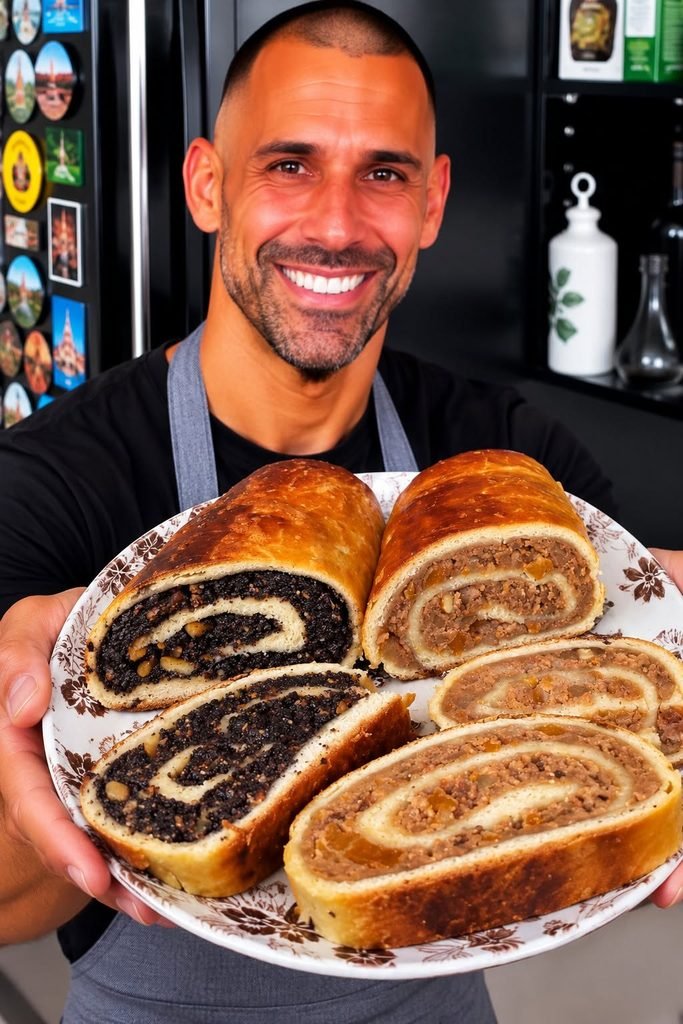
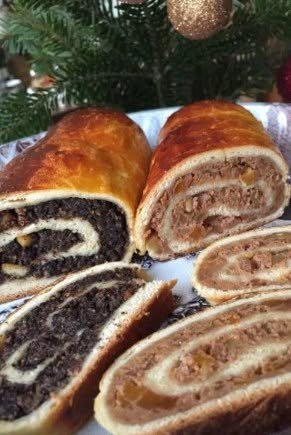
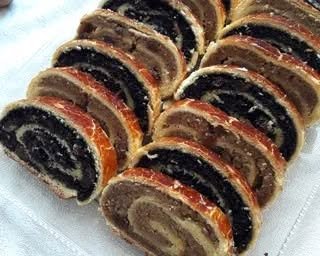
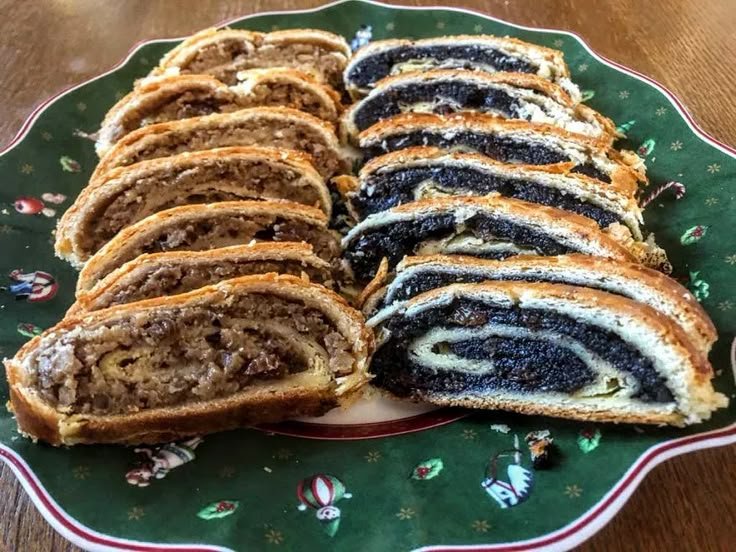
There are few baked goods as deeply woven into the fabric of Hungarian culture as Beigli (pronounced BAY-glee). This iconic sweet roll, with its tender, buttery dough and generous swirls of rich poppy seed or fragrant walnut filling, is the undisputed star of the Hungarian holiday table, especially at Christmas and Easter. 🎄🐰 A single slice, revealing its beautiful spiral interior, is a work of art that promises a melt-in-your-mouth experience with every bite.
Unlike a quick bread or a simple cake, Beigli is a labor of love that rewards patience and technique. It is a yeasted pastry, enriched with butter and sour cream, that bakes into a soft, almost flaky crust with a stunning, crackly, mahogany-colored finish. The fillings—a sweet, spiced walnut paste (dios) and a deep, aromatic poppy seed mixture (mákos)—are the heart and soul of the roll. The contrast between the slightly tart, tender dough and the sweet, intense filling is nothing short of magical.
In this comprehensive guide, we will walk you through the entire process of creating this traditional Hungarian masterpiece from scratch. We will demystify the yeasted dough, share the secrets to achieving that flawless, crack-free crust, and provide you with a foolproof, step-by-step method. Whether you are a seasoned baker looking to expand your repertoire or a beginner ready to tackle your first yeasted pastry, this recipe will give you the confidence to bake a Beigli that would make any Hungarian nagymama (grandmother) proud. Get ready to fill your kitchen with the warm, comforting aromas of cinnamon, walnuts, and fresh bread. 🥮💖
Number of Servings: Makes 2 large rolls (about 12–16 slices each)
Difficulty Level: Intermediate
Cooking Method: Baking
Cuisine: Hungarian / Central European
Course: Dessert, Snack, Breakfast
Estimated Calories per Serving: Approximately 250–300 calories per slice (depending on slice size and filling).
Note: Nutritional values are estimates and will vary based on specific ingredients and portion sizes. 📊
E. WHAT IS HUNGARIAN BEIGLI? 🇭🇺
To understand Beigli is to understand a cornerstone of Hungarian baking tradition. It is a sweet, yeasted roll, similar in some ways to a strudel or a nut roll, but with a distinct character all its own. The name “Beigli” is derived from the Austrian “Beugel,” meaning a crescent or a bend, though the modern Hungarian version is typically baked as a straight or slightly curved log. 🥨
The Heart of Hungarian Celebrations
Beigli is inextricably linked to holidays. For many Hungarian families, Christmas is not complete without a platter of sliced Beigli, alongside other sweets like Zserbó and mézeskalács (gingerbread). It is also a staple at Easter. The two most classic fillings are Diós (walnut) and Mákos (poppy seed). The poppy seed version is particularly significant, as poppy seeds are considered a symbol of prosperity and abundance in Hungarian folklore. 🌟
The Dough and the Crust
What sets Beigli apart from other nut rolls is its dough. It is a rich, yeasted dough that often includes a combination of butter and lard (or sometimes just butter or lard), along with sour cream or egg yolks. This enrichment creates a dough that is tender, slightly flaky, and incredibly flavorful. The most prized characteristic of a perfectly baked Beigli is its crackly, glossy, mahogany-colored crust. This is achieved through a specific two-step egg wash process that creates a delicate “skin” on the dough, allowing it to expand and crack beautifully in the oven without tearing apart. ✨
A Note on Fillings
The fillings are not simply ground nuts or seeds mixed with sugar. They are cooked, almost like a thick jam or paste. The nuts or seeds are simmered with milk, sugar, and often warm spices like cinnamon and a hint of lemon zest or rum. This cooking process hydrates the ingredients, melds the flavors, and creates a rich, dense filling that slices cleanly and tastes incredible. 🥜🍋
F. INGREDIENTS YOU WILL NEED 🛒
To bake a truly authentic Beigli, precision in measuring is key. Here is the complete list of ingredients for the dough and both classic fillings.
For the Yeasted Dough:
4 cups (500g) all-purpose flour (plus more for dusting)
1 cup (225g) cold unsalted butter, cut into cubes (You can also use a combination of butter and lard for the most traditional texture, e.g., 150g butter + 75g lard) 🧈
2 teaspoons (7g) active dry yeast (or 10g fresh yeast)
1/4 cup (50g) granulated sugar
1/2 cup (120ml) lukewarm milk (110°F / 43°C)
2 large egg yolks
1/2 cup (120g) full-fat sour cream 🥛
1/2 teaspoon kosher salt
For the Walnut Filling (Diós):
3 cups (300g) walnuts, finely ground
1 cup (200g) granulated sugar
2/3 cup (160ml) whole milk
1/2 cup (75g) golden raisins (optional, but traditional)
1 teaspoon vanilla extract
Zest of 1 lemon
1 tablespoon apricot jam (helps bind and adds flavor)
For the Poppy Seed Filling (Mákos):
2 cups (250g) ground poppy seeds (grind in a coffee grinder or buy pre-ground)
3/4 cup (150g) granulated sugar
1 cup (240ml) whole milk
1 tablespoon honey 🍯
Zest of 1/2 lemon
1/4 teaspoon ground cinnamon (optional)
1/4 cup (30g) fine dry breadcrumbs or crushed vanilla cookies (to absorb moisture)
For the Egg Wash & Garnish:
1 large egg white, beaten
1 large egg yolk, beaten
Powdered sugar (for dusting) ❄️
G. CHOOSING THE BEST INGREDIENTS 🥚
The quality of your ingredients directly impacts the final flavor and texture of your Beigli. Here is what to look for:
The Fat: The combination of butter and lard is what gives Beigli its signature flaky, tender crumb. Lard (100% pork fat) is traditional and highly recommended for the best texture. If you prefer not to use lard, high-quality unsalted butter is a perfectly acceptable substitute, though the result will be slightly less delicate.
The Yeast: Always check the expiration date on your yeast. Fresh yeast (available in cubes in the refrigerated section) is excellent, but active dry yeast is more convenient and works perfectly. Proofing it in warm milk with a pinch of sugar ensures it is alive and active.
The Flour: Standard all-purpose flour is ideal. Some traditional recipes use a blend of all-purpose and cake flour for an even more tender crumb, but all-purpose alone works beautifully.
The Nuts and Seeds: For the walnut filling, use fresh, high-quality walnuts. Old or rancid walnuts will ruin the flavor of your Beigli. For the poppy seed filling, ensure your poppy seeds are fresh. Grinding them yourself in a coffee grinder releases the most flavor.
The Dairy: Use full-fat sour cream and whole milk. The fat content is crucial for a rich, tender dough and a creamy filling.
The Spices: Use fresh cinnamon and real vanilla extract. The zest of a fresh, unwaxed lemon adds a bright, aromatic note that cuts through the richness of the fillings. 🍋
H. KITCHEN EQUIPMENT 🍳
Having the right tools on hand makes the process of baking Beigli much smoother and more enjoyable. 🛠️
Stand Mixer with Dough Hook (Optional but helpful): While you can make the dough by hand, a stand mixer makes quick work of incorporating the cold butter into the flour and kneading the dough.
Large Mixing Bowls: For mixing the dough and preparing the fillings.
Rolling Pin: Essential for rolling out the dough into thin rectangles.
Baking Sheets: Two large baking sheets lined with parchment paper.
Pastry Brush: For applying the egg wash.
Sharp Knife or Bench Scraper: For cutting the dough and slicing the baked Beigli.
Plastic Wrap: For wrapping and chilling the dough.
Wire Cooling Rack: To cool the rolls completely after baking. 🧊
I. STEP-BY-STEP COOKING INSTRUCTIONS 🥣
Follow these detailed instructions carefully to achieve the perfect Beigli.
Step 1: Activate the Yeast In a small bowl, dissolve 1 tablespoon of the granulated sugar in the lukewarm milk. Sprinkle the yeast over the top and let it sit for 5–10 minutes until it becomes foamy. This step, called “proofing,” confirms your yeast is active.
Step 2: Make the Dough In a large bowl, whisk together the flour and salt. Add the cold, cubed butter (and lard, if using). Using your fingertips or a pastry cutter, rub the fat into the flour until the mixture resembles coarse breadcrumbs.
Step 3: Combine Wet and Dry Ingredients Make a well in the center of the flour mixture. Pour in the foamy yeast mixture, the egg yolks, and the sour cream. Mix with a fork, gradually incorporating the flour from the sides, until a shaggy dough forms.
Step 4: Knead the Dough Turn the dough out onto a lightly floured surface. Knead for just 2–3 minutes until it comes together into a smooth ball. Be careful not to over-knead, as this can make the pastry tough.
Step 5: Chill the Dough Divide the dough in half. Flatten each piece into a disk, wrap tightly in plastic wrap, and refrigerate for at least 1 hour. This chilling step is crucial for making the dough easy to roll out and for developing a tender texture.
Step 6: Prepare the Walnut Filling While the dough chills, make the fillings. In a medium saucepan, combine the milk, sugar, and raisins (if using) for the walnut filling. Heat over medium heat until the sugar dissolves. Pour this hot mixture over the ground walnuts and stir well. Add the vanilla extract, lemon zest, and apricot jam. Mix until thoroughly combined. Set aside to cool completely.
Step 7: Prepare the Poppy Seed Filling In another saucepan, heat the milk, sugar, and honey for the poppy seed filling until the sugar dissolves. Pour the hot liquid over the ground poppy seeds. Stir in the lemon zest, cinnamon (if using), and breadcrumbs. Mix well and set aside to cool completely. The breadcrumbs help absorb excess moisture and prevent the filling from oozing out during baking.
Step 8: Roll Out the Dough Preheat your oven to 350°F (175°C). Remove one piece of dough from the refrigerator. On a lightly floured surface, roll it out into a rectangle approximately 10 x 12 inches (25 x 30 cm) and about 1/4-inch thick.
Step 9: Fill and Roll Spread half of the cooled walnut filling evenly over the dough, leaving a 1-inch border on all sides. Starting from the short side closest to you, roll the dough up tightly into a cylinder. Pinch the seam to seal. Place the roll, seam-side down, on a parchment-lined baking sheet. Repeat with the second piece of dough and the poppy seed filling.
Step 10: The Two-Step Egg Wash This is the secret to a crackly crust. First, brush the entire surface of each roll with the beaten egg white. Loosely cover the rolls with greased plastic wrap and let them rest at warm room temperature for about 40 minutes. Then, brush the rolls with the beaten egg yolk. Chill the rolls, uncovered, in the refrigerator for 30 minutes. This creates a strong, flexible “skin” that will crack beautifully in the oven.
Step 11: Prick and Bake After chilling, use a fork or a skewer to prick the rolls evenly along the top and sides. This allows steam to escape and prevents large, explosive cracks. Bake for 35–40 minutes, or until the rolls are a deep, glossy golden brown and sound hollow when tapped on the bottom.
Step 12: Cool and Serve Transfer the baked Beigli to a wire rack to cool completely before slicing. This is important, as slicing a hot roll will cause it to crumble. Once cool, slice into 1/2-inch thick pieces and dust with powdered sugar. ✨
J. IMPORTANT COOKING TIPS 💡
Keep Everything Cold: The dough should be cold when it goes into the oven. Chilling the dough and the formed rolls helps create the signature flaky texture and prevents the rolls from spreading too much. ❄️
The Two-Step Egg Wash is Non-Negotiable: Do not skip the egg white wash, the resting period, or the egg yolk wash. This process is the key to achieving the beautiful, crackly, marbled crust that Beigli is famous for.
Don’t Overfill: While it’s tempting to use a heavy hand with the filling, too much filling can cause the roll to burst open during baking. Spread the filling evenly, leaving a clean border around the edges.
Prick the Dough: Poking holes in the top of the rolls before baking allows steam to escape, which helps prevent unsightly blowouts.
Cool Completely Before Slicing: This is the hardest part! But slicing a hot Beigli will result in a crumbly mess. Let it cool completely on a wire rack for the cleanest slices.
K. COMMON MISTAKES TO AVOID ❌
Dough is Too Warm: If your dough is too warm, it will be soft and sticky, making it difficult to roll out and resulting in a less flaky texture. Always chill it thoroughly. 🧊
Over-Kneading: Over-kneading develops too much gluten, which makes the dough tough and chewy instead of tender and flaky. Knead just until the dough comes together.
Wet Fillings: If your fillings are too runny, they will leak out during baking. Ensure the fillings are cooked and cooled to a thick, paste-like consistency. The breadcrumbs in the poppy seed filling and the jam in the walnut filling help with this.
Skipping the Resting Period: The final proof (resting the formed rolls) allows the yeast to do its final work, creating a lighter texture. Don’t rush this step.
Slicing While Hot: As mentioned, patience is key. Let the Beigli cool completely for the cleanest, most beautiful slices. 🔪
Not Pricking the Dough: The holes are not just decorative; they are functional. They allow steam to escape and prevent the crust from cracking open in an uncontrolled way.
L. VARIATIONS AND SUBSTITUTIONS 🔄
Dietary Substitutions
Gluten-Free: You can substitute the all-purpose flour with a high-quality 1-to-1 gluten-free baking flour blend. The texture will be slightly different, but it will still be a delicious treat. Ensure your yeast and other ingredients are also gluten-free.
Dairy-Free: Use a high-quality plant-based butter and unsweetened almond or oat milk instead of dairy milk. Use a dairy-free sour cream alternative. The texture may be slightly denser, but it will still be enjoyable.
Filling Variations
The Classic Trio: Add a third roll filled with a sweet poppy seed and apple mixture (mákos-almás). Grate a tart apple into the poppy seed filling for a fruity twist. 🍎
Nut-Free: For a nut-free version, try a filling made from ground sunflower seeds or pumpkin seeds, sweetened with honey and cinnamon.
Dried Fruit: Add chopped dried apricots or prunes to either filling for an extra layer of sweetness and texture.
Savory Adaptations
While Beigli is almost always sweet, you can use the same dough to make a savory roll. Fill it with sautéed mushrooms, caramelized onions, and a touch of thyme, or try a savory cheese and spinach filling. 🍄🧀
M. WHAT TO SERVE WITH THIS DISH ☕
Beigli is a versatile pastry that can be enjoyed at any time of day.
The Classic Pairing: Serve a slice of Beigli with a strong cup of Hungarian coffee, a cappuccino, or a hot cup of black tea. ☕ The bitterness of the coffee perfectly balances the sweetness of the pastry.
For Breakfast or Brunch: Enjoy a slice alongside a bowl of fresh fruit or a dollop of thick yogurt.
As a Dessert: Serve it as part of a holiday dessert platter alongside other Hungarian favorites like Zserbó or Krémes.
With Wine: A small glass of sweet Tokaji Aszú, a famous Hungarian dessert wine, is a luxurious pairing. 🍷
N. HOW TO STORE AND REHEAT LEFTOVERS 🧊
Room Temperature: Beigli keeps remarkably well. Store it wrapped tightly in plastic wrap or in an airtight container at room temperature for up to 3–4 days.
Refrigerator: For longer storage, you can refrigerate it for up to a week. Bring it to room temperature before serving for the best flavor and texture.
Freezer: Beigli freezes beautifully. Wrap the whole roll or individual slices tightly in plastic wrap, then place in a freezer bag. It will keep for up to 3 months. Thaw overnight in the refrigerator or at room temperature.
Reheating: To refresh the crust, warm slices in a toaster oven or a conventional oven at 300°F (150°C) for 5–10 minutes. Avoid the microwave, as it will make the pastry soggy. ♨️
O. MAKE-AHEAD AND MEAL-PREPARATION TIPS 🗓️
Make the Dough Ahead: The dough can be made and refrigerated for up to 24 hours before rolling and baking. This is a great time-saver during busy holidays.
Prepare the Fillings: Both the walnut and poppy seed fillings can be made 2–3 days in advance and stored in the refrigerator in airtight containers. Just bring them to room temperature before spreading.
Freeze the Baked Rolls: Bake the Beigli, cool completely, and freeze. This allows you to have a fresh-tasting homemade treat ready whenever you need it. 🥮
P. TROUBLESHOOTING GUIDE 🛠️
Why did my Beigli crack open during baking? This is usually due to insufficient pricking of the dough, or the filling being too wet. Ensure you prick the rolls thoroughly and that your fillings are cooked down to a thick consistency. The two-step egg wash also helps prevent large, uncontrolled cracks.
Why is my dough tough? Over-kneading or using ingredients that are too warm can make the dough tough. Handle the dough gently and keep it cold.
Why did my filling leak out? The filling may have been too runny, or you may have overfilled the roll. Make sure the fillings are cooled and thick, and leave a clean border around the edges when spreading. Sealing the seam well is also crucial.
Can I use a different type of flour? Bread flour will make the dough too tough. Cake flour will make it too delicate. All-purpose flour is the best choice for a balanced texture.
My Beigli didn’t get a shiny crust. What went wrong? The glossy crust comes from the egg yolk wash. Make sure you brush it on generously after the egg white wash and chilling period. A hot oven is also essential for a deep golden color. ✨
Q. NUTRITIONAL INFORMATION 📊
Please note: The following nutritional information is an estimate per slice (assuming 12 slices per roll). Actual values will vary based on specific ingredients and portion sizes.📊
Calories: 280 kcal
Protein: 6 g
Carbohydrates: 30 g
Fat: 16 g
Saturated Fat: 6 g
Fiber: 2 g
Sugar: 12 g
Sodium: 80 mg
(Note: This does not include the nutritional impact of added powdered sugar or other garnishes).
R. FREQUENTLY ASKED QUESTIONS ❓
1. What is the difference between Beigli and a nut roll? Beigli is a specific type of Hungarian nut roll. While similar pastries exist across Central Europe (like the Polish makowiec or the Slovak orechovník), Beigli is distinguished by its rich, yeasted dough made with butter and sour cream, and its signature crackly, mahogany crust achieved through a unique two-step egg wash.
2. Can I make Beigli without lard? Yes, you can substitute the lard with an equal amount of unsalted butter. The result will still be delicious, though slightly less flaky and tender than the traditional version.
3. Why is my poppy seed filling dry? Poppy seeds need moisture to become palatable. The hot milk and honey mixture is essential for hydrating the seeds. If the mixture seems too dry after adding the milk, you can add a little more warm milk until it reaches a thick, paste-like consistency. 🥛
4. Can I prepare the dough by hand? Absolutely. While a stand mixer is convenient, you can rub the cold butter into the flour with your fingertips and knead the dough on a floured surface until smooth. It just requires a bit more elbow grease!
5. How do I get the perfect swirl? The key to a tight, even swirl is to spread the filling evenly and roll the dough up tightly from the short side. Don’t roll it too loosely, or you’ll get large air pockets.
6. Can I freeze Beigli? Yes, Beigli freezes very well. Wrap the whole roll or individual slices tightly in plastic wrap and foil, and freeze for up to 3 months. Thaw overnight in the refrigerator.
S. FINAL RECIPE SUMMARY 🥮
Baking a traditional Hungarian Beigli is a rewarding culinary project that connects you to centuries of Central European baking tradition. The process, from making the rich, buttery dough to preparing the aromatic walnut and poppy seed fillings, is a labor of love that yields a truly spectacular result. The moment you slice into that beautiful, crackly crust to reveal the perfect spiral of filling inside is a moment of pure baking pride. ✨
We hope this comprehensive guide inspires you to try your hand at this iconic pastry. Whether you bake it for a special holiday celebration or simply to enjoy a taste of Hungarian comfort food, Beigli is sure to become a cherished recipe in your home. Share it with family and friends, and savor every delicious, melt-in-your-mouth bite. 🇭🇺💖
T. PRINTABLE RECIPE CARD 🖨️
Traditional Hungarian Beigli (Poppy Seed & Walnut Rolls) 🇭🇺
Sweet, yeasted rolls filled with rich walnut and poppy seed paste, baked to a glossy, crackly golden-brown perfection.
Activate Yeast: Dissolve 1 tbsp sugar in warm milk. Sprinkle yeast over top; let sit 5–10 min until foamy.
Make Dough: Rub cold butter into flour and salt until it resembles breadcrumbs. Add yeast mixture, egg yolks, and sour cream. Mix until a shaggy dough forms.
Knead & Chill: Knead dough gently for 2–3 min until smooth. Divide in half, flatten into disks, wrap in plastic, and refrigerate for 1 hour.
Make Fillings: Cook milk and sugar for each filling; pour over nuts/seeds. Mix in remaining ingredients. Cool completely.
Roll & Fill: Roll one dough piece into a 10×12-inch rectangle. Spread half the walnut filling, leaving a 1-inch border. Roll up tightly from the short side. Seal seam. Repeat with poppy seed filling.
Egg Wash & Rest: Brush rolls with beaten egg white. Cover loosely and rest at room temp for 40 min. Brush with beaten egg yolk. Chill uncovered for 30 min.
Bake: Preheat oven to 350°F (175°C). Prick rolls with a fork. Bake for 35–40 min until deep golden brown.
Cool & Serve: Cool completely on a wire rack before slicing. Dust with powdered sugar. ✨
Storage: Store wrapped at room temperature for 3–4 days, or freeze for up to 3 months.
U. INTERNAL LINKING SUGGESTIONS 🔗
To enhance the reader’s experience and keep them on your website, link to these complementary topics:
Anchor Text: “traditional Hungarian desserts” -> Link to a category page featuring Dobos Torta, Somlói Galuska, and other sweets. 🍰
Anchor Text: “Hungarian Christmas baking” -> Link to a roundup of holiday cookies and treats like mézeskalács and zserbó. 🎄
Anchor Text: “homemade poppy seed filling” -> Link to a detailed guide on working with poppy seeds in baking.
Anchor Text: “sweet yeasted breads” -> Link to recipes for other enriched doughs like babka or brioche. 🍞
Anchor Text: “Hungarian coffee culture” -> Link to an article about traditional Hungarian coffee and cafe culture. ☕
V. EXTERNAL SOURCE SUGGESTIONS 🌐
For factual verification and further reading, consider referencing these types of sources:
Food Safety: USDA Food Safety and Inspection Service (for safe handling of eggs and dairy).
Cultural Context: Reputable culinary encyclopedias or Hungarian heritage sites for the history and cultural significance of Beigli.
Baking Science: Sources like King Arthur Baking for understanding the role of yeast, gluten, and fats in pastry dough.