Heavenly Hungarian Chicken Paprikash Recipe (Creamy Paprika Chicken with Dumplings)
There are few dishes that embody the warmth, comfort, and rich culinary heritage of Hungary quite like Chicken Paprikash. Known locally as Csirkepaprikás, this iconic meal is a masterpiece of simple, rustic cooking. It features tender chicken simmered in a velvety, vibrant red-orange sauce made from an abundance of sweet Hungarian paprika, sautéed onions, and a generous swirl of tangy sour cream. Served alongside pillowy, homemade egg dumplings known as nokedli (or galuska), it is a dish that truly “melts in your mouth at the first bite.”
While the social media caption that inspired this article playfully promises a recipe that takes “5 minutes,” the truth is that authentic Hungarian Chicken Paprikash is a labor of love. It requires a bit of patience—allowing the onions to slowly caramelize, the chicken to simmer until fork-tender, and the flavors to meld into a deeply savory, silky sauce. However, the actual techniques involved are wonderfully straightforward. It is a one-pot comfort food classic that relies on the quality of its ingredients rather than complex cooking methods.
This comprehensive guide will walk you through every step of creating this heavenly dish in your own kitchen. From understanding the crucial difference between sweet and hot paprika to mastering the delicate art of tempering sour cream, we will ensure your Paprikash turns out perfectly rich and creamy every single time. Whether you are looking to recreate a cherished family recipe or simply want to explore the best of Central European cuisine, this Chicken Paprikash with Dumplings is guaranteed to become a staple in your home.
Recipe Overview
Preparation Time: 20 minutes
Cooking Time: 50–60 minutes
Total Time: Approximately 1 hour 20 minutes
Servings: 4–6 servings
Difficulty Level: Intermediate
Cooking Method: Simmering, Boiling
Cuisine: Hungarian
Course: Main Course
Estimated Calories per Serving: Approximately 450–550 kcal (depending on the cut of chicken, portion size, and amount of sour cream used)
What Is This Hungarian Dish?
Csirkepaprikás is one of the holy trinity of Hungarian paprika dishes, alongside Gulyás (goulash soup) and Pörkölt (a thick, sour-cream-free meat stew). The defining characteristic of a Paprikás is the use of sour cream (tejföl) to finish the sauce, giving it a luxurious, velvety texture and a slight tang that perfectly balances the sweetness of the paprika.
Historically, this dish became popular in the 19th century as paprika became widely available and affordable in Hungary. It was a way for families to transform simple, inexpensive ingredients—like a whole chicken and some onions—into a feast.
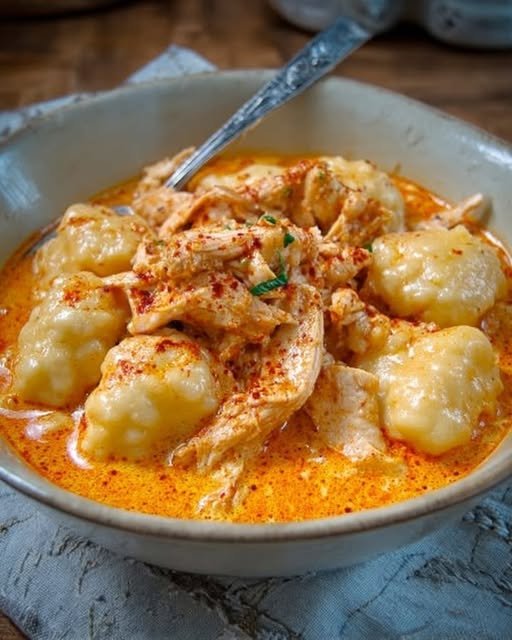
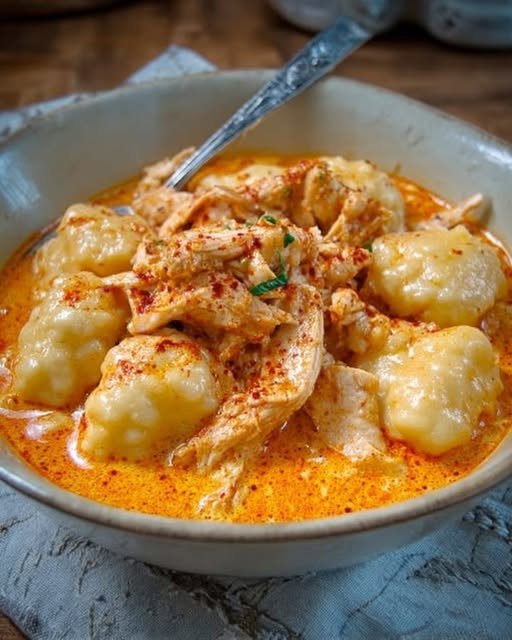
In the photograph provided, the dish features shredded or pulled chicken rather than whole pieces, and the sauce is particularly rich and abundant, almost soup-like in its consistency. This is a very common home-style variation, often referred to as Paprikás Csirke when made with shredded meat. The large, pillowy dumplings soaking up the vibrant, orange-tinged sauce are the perfect vehicle for delivering maximum flavor in every bite. It is a deeply comforting, unapologetically rustic meal that highlights the very best of Hungarian country cooking.
Ingredients You Will Need
To create the perfect Chicken Paprikash, you need a balance of high-quality chicken, fresh aromatics, and authentic Hungarian spices.
For the Chicken Paprikash
1.5 kg (about 3 lbs) chicken pieces (thighs and drumsticks are best for flavor and tenderness; you can also use a whole cut-up chicken)
2 tablespoons lard or vegetable oil
2 large yellow onions, very finely chopped
3 cloves garlic, minced
3 tablespoons Hungarian sweet paprika (do not substitute with regular paprika)
1 teaspoon Hungarian hot paprika (optional, for a little kick)
1 large tomato, peeled and chopped (or 1 tablespoon tomato paste)
1 Hungarian wax pepper (or 1 small green bell pepper), chopped
1 teaspoon salt (plus more to taste)
1/2 teaspoon freshly ground black pepper
500 ml (2 cups) chicken broth or water
240 g (1 cup) full-fat sour cream
2 tablespoons all-purpose flour (for thickening)
Fresh parsley, chopped for garnish
For the Nokedli (Dumplings)
300 g (2 ½ cups) all-purpose flour
3 large eggs
1 teaspoon salt
150–200 ml (⅔ to ¾ cup) water
1 tablespoon vegetable oil (for the boiling water)
Choosing the Best Ingredients
The magic of Chicken Paprikash lies in its simplicity, meaning the quality of your ingredients is paramount.
The Paprika: This is the soul of the dish. Authentic Hungarian sweet paprika (édesnemes) has a vibrant, deep red color and a rich, sweet, slightly fruity flavor. Avoid generic supermarket paprika, which is often flavorless and dusty. Store your paprika in a cool, dark place to preserve its potency. If you want a little heat, add a teaspoon of Hungarian hot paprika (erős).
The Chicken: Bone-in, skin-on chicken thighs and drumsticks provide the best flavor because the bones and skin add richness to the sauce. However, if you prefer white meat, use bone-in chicken breasts and be careful not to overcook them. For the shredded variation shown in the image, boneless thighs or breasts work perfectly.
The Sour Cream: Use full-fat, high-quality sour cream (at least 20% fat). Low-fat or fat-free sour cream will curdle when heated, ruining the texture of the sauce. Hungarian tejföl is slightly thicker and tangier, but a good domestic sour cream works beautifully.
The Onions: Yellow or sweet onions are essential. They melt down to create the sweet, savory base of the sauce. Do not rush the sautéing process.
Kitchen Equipment
A large, heavy-bottomed Dutch oven or deep pot (for the chicken)
A large pot (for boiling the dumplings)
A large mixing bowl (for the dumpling batter)
A wooden spoon or spatula
A whisk
A spaetzle maker, potato ricer, or a large colander with large holes (for making the nokedli)
A sharp knife and cutting board
A small bowl (for tempering the sour cream)
A slotted spoon
Step-by-Step Cooking Instructions
Step 1: Prepare the Base
In your heavy-bottomed Dutch oven, heat the lard or vegetable oil over medium heat. Add the finely chopped onions and a pinch of salt. Sauté the onions for about 8–10 minutes, stirring frequently, until they are soft, translucent, and golden brown. This step is crucial; the onions provide the sweet, rich foundation for the sauce.
Step 2: Add the Paprika
This is the most critical step. Remove the pot from the heat completely. Add the minced garlic and the Hungarian sweet and hot paprika to the onions. Stir vigorously for about 30 seconds. The residual heat in the pot will bloom the spices, releasing their vibrant color and aroma. Do not add the paprika over direct heat, as it will scorch and turn bitter instantly, ruining the entire dish.
Step 3: Sear the Chicken
Return the pot to medium heat. Add the chicken pieces to the pot, skin-side down if using skin-on chicken. Season generously with salt and black pepper. Brown the chicken for about 3–4 minutes per side. You don’t need to cook the chicken through at this point; you just want to seal in the juices and coat it in the paprika mixture.
Step 4: Simmer the Stew
Add the chopped tomato and the sliced Hungarian wax pepper (or bell pepper) to the pot. Pour in the chicken broth. Bring the liquid to a gentle simmer, then reduce the heat to low. Cover the pot and simmer for 35–40 minutes, or until the chicken is cooked through and incredibly tender. The internal temperature of the chicken should reach 165°F (74°C).
Step 5: Shred the Chicken (Optional)
If you are following the style shown in the photograph, carefully remove the chicken from the pot. Once it is cool enough to handle, remove the skin and bones (if using bone-in chicken) and use two forks to shred the meat. Set it aside. If you prefer whole pieces, you can skip this step and leave the chicken in the pot.
Step 6: Make the Nokedli Batter
While the chicken simmers, prepare the dumplings. In a large bowl, whisk together the flour and salt. Make a well in the center and crack in the eggs. Add the water. Using a wooden spoon, mix everything together until you have a thick, sticky, and somewhat lumpy batter. It should be slightly softer than cookie dough but thick enough to hold its shape. Let the batter rest for 15 minutes.
Step 7: Temper the Sour Cream
Once the chicken is cooked (and shredded, if you chose to do so), remove the pot from the heat. In a small bowl, whisk the sour cream and the tablespoon of flour together until smooth. To prevent the sour cream from curdling, you must “temper” it. Take a ladleful of the hot paprika sauce from the pot and slowly whisk it into the sour cream mixture. Repeat this process with another ladleful of sauce. Now, pour the tempered sour cream mixture back into the pot. Stir gently to combine.
Step 8: Boil the Nokedli
Bring a large pot of salted water to a rolling boil and add the tablespoon of oil (this prevents sticking). Use a traditional nokedli maker, a potato ricer, or a colander to drop the batter into the water. Press the batter through the holes directly into the boiling water. The dumplings will sink to the bottom, then float to the surface. Let them boil for 2–3 minutes after they float. Remove them with a slotted spoon and place them in a bowl. Toss with a little oil or butter to prevent sticking.
Step 9: Serve and Enjoy
Gently warm the chicken and sauce over low heat for a few minutes, but do not let it boil. Taste and adjust the seasoning. Serve the Chicken Paprikash over a generous portion of hot nokedli. Garnish with a sprinkle of fresh parsley and a dollop of extra sour cream if desired.
Important Cooking Tips
Never Boil Paprika: Always remove the pot from the heat before adding the paprika. If it burns, the entire dish will taste acrid.
Temper the Sour Cream: Adding cold sour cream directly to a hot sauce will cause it to curdle. Always mix the sour cream with a little flour and temper it with hot sauce before adding it to the pot.
Do Not Overcook the Chicken: Bone-in thighs and drumsticks are forgiving, but chicken breasts can dry out quickly. Check the internal temperature and remove the chicken as soon as it hits 165°F (74°C).
Let the Batter Rest: Resting the nokedli batter allows the flour to hydrate and the gluten to relax, resulting in lighter, fluffier dumplings.
Keep the Nokedli Warm: Place the cooked dumplings in a covered bowl or a low oven (around 200°F / 90°C) while you finish the sauce.
Common Mistakes to Avoid
Burning the Paprika: This is the most common mistake. If the paprika turns dark brown or black, it is burnt and will taste bitter. Throw it out and start over. The dish should be bright red, not brown.
Curdling the Sauce: This happens when the sour cream is added to a boiling sauce. Make sure the heat is off or very low, and always temper the sour cream first.
Using Boneless, Skinless Chicken Breasts: While you can use them, they lack the fat and collagen of bone-in dark meat, resulting in a less flavorful sauce and drier meat. If you do use them, reduce the simmering time significantly.
Skipping the Tomato and Pepper: These ingredients add essential acidity, sweetness, and depth. The tomato provides umami, while the pepper adds a subtle, fresh vegetal note.
Overmixing the Dumpling Batter: Mix the nokedli batter just until it comes together. Overmixing will develop the gluten, making the dumplings tough and chewy instead of light and fluffy.
Variations and Substitutions
Boneless Chicken: If you prefer boneless chicken, use boneless skinless thighs. Reduce the simmering time to about 20–25 minutes.
Turkey Paprikash: You can substitute turkey thighs or breast for the chicken. Adjust cooking times accordingly.
Mushroom Paprikash (Vegetarian): Sauté 500g (1 lb) of mixed mushrooms (cremini, oyster, button) instead of chicken. Use vegetable broth and add a splash of soy sauce for umami.
Spicier Version: Add a finely chopped jalapeño or serrano pepper along with the green pepper, or increase the amount of hot paprika.
Dairy-Free: Substitute the sour cream with a high-quality, unflavored coconut cream or a dairy-free sour cream alternative. Note that this will change the flavor profile slightly.
Different Dumplings: If you don’t want to make nokedli, serve the Paprikash over egg noodles, mashed potatoes, or rice.
What to Serve With This Dish
The traditional accompaniment is, of course, Nokedli. These small, irregular egg dumplings are perfect for soaking up the rich, creamy sauce.
Other excellent pairings include:
Crusty Bread: A thick slice of sourdough or rustic white bread is perfect for cleaning the plate.
Pickles: A side of Hungarian pickled cucumbers (csemege uborka) or pickled peppers provides a crunchy, acidic contrast that cuts through the richness of the dish.
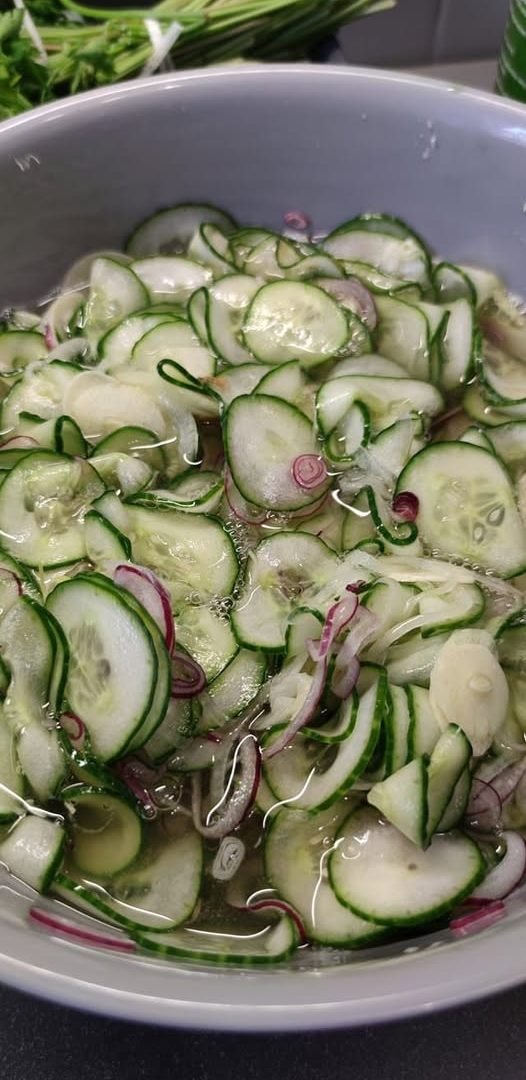
Simple Salad: A fresh cucumber salad with sour cream and dill (uborkasaláta) is a classic Hungarian pairing.
A Glass of Wine: A dry, crisp white wine like Olaszrizling or Furmint pairs beautifully, or a light red wine like Kadarka.
How to Store and Reheat Leftovers
Refrigerator: Store leftovers in an airtight container in the refrigerator for up to 3 to 4 days. The flavors often deepen and improve the next day.
Freezer: You can freeze the Chicken Paprikash sauce and chicken for up to 2 months. However, the sour cream may separate slightly upon thawing. Reheat gently and whisk in a little fresh sour cream to restore the texture. Do not freeze the nokedli, as it will become mushy.
Reheating: Reheat the chicken and sauce gently on the stovetop over low heat. Do not bring it to a boil, as this will curdle the sour cream. Reheat leftover nokedli by sautéing it in a little butter or oil in a hot skillet until warmed through and slightly crispy.
Make-Ahead and Meal-Preparation Tips
Make the Sauce Ahead: You can cook the chicken and make the base sauce a day in advance. Store it in the refrigerator. When ready to serve, reheat gently and add the tempered sour cream just before serving.
Prep the Vegetables: Chop the onions, garlic, tomato, and pepper a day in advance and store them in an airtight container in the fridge.
Make the Nokedli Fresh: While you can make the batter ahead, it is best to boil the dumplings just before serving so they are fresh and fluffy.
Troubleshooting Guide
Q: My sauce turned out too thin. How can I thicken it? A: If the sauce is too thin after adding the sour cream, you can make a slurry by whisking a tablespoon of flour with a little cold water or milk. Stir it into the simmering sauce and cook for a few minutes until thickened. Alternatively, remove the lid and simmer the sauce to reduce it before adding the sour cream.
Q: Why did my sour cream curdle? A: The sauce was likely too hot when the sour cream was added. Always remove the pot from the heat and temper the sour cream by whisking in a few spoonfuls of the hot sauce before adding it to the pot. Also, ensure you are using full-fat sour cream.
Q: My chicken is tough. What went wrong? A: The chicken was likely undercooked or cooked at too high a temperature. Chicken thighs need time to break down their connective tissue. Simmer them gently over low heat for at least 35–40 minutes until fork-tender.
Q: The dish tastes bitter. Why? A: The paprika was likely burned. Unfortunately, if the paprika burns, the entire dish will taste bitter. You cannot fix this; you must start over with fresh ingredients and ensure you add the paprika off the heat.
Q: Can I use regular paprika instead of Hungarian? A: You can, but the flavor will not be authentic. Hungarian paprika is sweeter, more vibrant, and richer in flavor. It is worth seeking out for this recipe.
Nutritional Information
Please note: Nutritional values are estimates and will vary based on the specific ingredients used, portion sizes, and the amount of sour cream and dumplings served.
Calories: 450–550 kcal per serving
Protein: 30 g
Carbohydrates: 40 g
Fat: 20 g
Saturated Fat: 8 g
Fiber: 2 g
Sugar: 5 g
Sodium: 600 mg
Frequently Asked Questions (FAQ)
1. What is the difference between Chicken Paprikash and Chicken Goulash? Chicken Paprikash is a creamy dish made with sour cream and served with dumplings. Chicken Goulash is typically a soup or a thicker stew made with potatoes, caraway seeds, and no sour cream.
2. Do I have to use bone-in chicken? While bone-in chicken provides the best flavor and texture, you can use boneless chicken thighs. Just reduce the simmering time to about 20 minutes to prevent the meat from drying out.
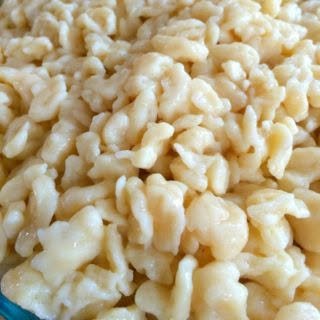
3. What is Nokedli? Nokedli (also called galuska) are small, irregular egg dumplings. They are a staple in Hungarian cuisine and are the traditional accompaniment to Paprikash.
4. Can I make this recipe gluten-free? Yes. Use a 1:1 gluten-free flour blend for both the sauce and the dumplings. For the dumplings, you may need to adjust the water ratio slightly.
5. Is Chicken Paprikash spicy? Traditional Chicken Paprikash is not spicy. It gets its flavor from sweet Hungarian paprika. If you want heat, you can add a pinch of hot paprika or a chopped chili pepper.
6. Can I freeze the leftovers? The chicken and sauce can be frozen for up to 2 months, though the texture of the sour cream may change slightly. It is best to add fresh sour cream when reheating. The dumplings do not freeze well.
7. What can I use instead of lard? Vegetable oil or butter are excellent substitutes for lard. Butter will add a slightly richer flavor.
8. How do I make the dumplings without a spaetzle maker? You can use a colander with large holes, a potato ricer, or simply use a teaspoon to drop small dollops of batter into the boiling water.
9. How long does it take to make Chicken Paprikash? From start to finish, it takes about 1 hour and 20 minutes, including prep and cooking time.
10. Can I add vegetables to the dish? Yes, you can add sliced bell peppers, mushrooms, or even peas to the sauce during the last 10 minutes of simmering.
Final Recipe Summary
Hungarian Chicken Paprikash is a dish that embodies the soul of Central European cooking. It is simple, rustic, and relies on the quality of a few key ingredients—most notably, the vibrant Hungarian paprika—to create a meal that is both comforting and deeply flavorful. The combination of fall-apart tender chicken, a velvety, tangy sour cream sauce, and light, fluffy dumplings is nothing short of magical. Whether you are cooking for a cozy family dinner or a special occasion, this Chicken Paprikash recipe is guaranteed to delight. Embrace the process, savor the aromas, and enjoy a true taste of Hungary in your own home.
Printable Recipe Card
Heavenly Hungarian Chicken Paprikash with Dumplings
A rich and creamy traditional Hungarian dish featuring tender shredded chicken simmered in a sweet paprika sauce, served over light egg dumplings.
Prep Time: 20 minutes
Cook Time: 50–60 minutes
Total Time: 1 hour 20 minutes
Servings: 4–6
Ingredients:
For the Chicken Paprikash:
1.5 kg (3 lbs) bone-in, skin-on chicken thighs and drumsticks
2 tbsp lard or vegetable oil
2 large yellow onions, finely chopped
2 tbsp Hungarian sweet paprika
1 tsp hot paprika (optional)
2 cloves garlic, minced
1 medium tomato, chopped
1 Hungarian wax pepper, sliced
240 ml (1 cup) chicken broth
240 g (1 cup) full-fat sour cream
1 tbsp all-purpose flour
Salt and black pepper
For the Nokedli (Dumplings):
300 g (2 ½ cups) all-purpose flour
3 large eggs
120–180 ml (½–¾ cup) water
1 tsp salt
1 tbsp vegetable oil
Instructions:
Sauté Onions: Heat oil in a large pot over medium heat. Sauté onions until translucent and golden (about 8-10 mins).
Add Paprika: Remove pot from heat. Stir in garlic, sweet paprika, and hot paprika for 30 seconds.
Sear Chicken: Return to heat. Add chicken, season with salt and pepper, and brown for 3-4 minutes per side.
Simmer: Add tomato, pepper, and broth. Simmer covered on low for 35-40 minutes until chicken is tender and reaches 165°F (74°C). Remove chicken, shred the meat, and discard bones/skin. Return meat to pot.
Make Dumplings: Mix flour, salt, eggs, and water into a thick batter. Rest for 15 mins. Drop batter into boiling salted water. Boil for 2-3 mins until they float. Drain.
Temper Sour Cream: Remove chicken pot from heat. Whisk sour cream with flour. Temper by whisking in a ladleful of hot sauce, then stir the mixture back into the pot.
Serve: Serve the chicken and creamy sauce over hot nokedli. Garnish with parsley if desired.
Storage: Store leftovers in an airtight container in the refrigerator for up to 3-4 days. Do not freeze dumplings.
Topic: How to Make Authentic Hungarian Lángos (Anchor text: “crispy Hungarian lángos”)
Topic: Hungarian Apple Pite Recipe (Anchor text: “traditional Hungarian apple pite”)
Topic: Guide to Hungarian Paprika (Anchor text: “essential guide to Hungarian paprika”)
Topic: Hungarian Walnut Crescent Cookies (Anchor text: “Hókifli walnut cookies”)
External Source Suggestions
Food Safety: For guidance on safe internal temperatures for poultry, refer to the USDA Food Safety and Inspection Service (FSIS).
Cultural Context: For historical information about Hungarian cuisine and the role of paprika, refer to culinary history resources or reputable encyclopedias like TasteAtlas.
Ingredient Information: For details on the different types of Hungarian paprika and their uses, consult resources from the Hungarian Paprika Museum or agricultural extension websites.