Traditional Hungarian Bean Goulash Recipe (Babgulyás)
Introduction
When the cold winds blow across the Hungarian plains, there is one dish that offers the ultimate defense against the chill: Babgulyás, or Hungarian Bean Goulash. While the social media caption that inspired this article playfully promises a dish that takes “5 minutes” to make and “melts in your mouth,” the reality is that a truly authentic, deeply flavorful Bean Goulash is a slow-cooked masterpiece. It is a hearty, robust stew that requires time for the flavors to meld, the beans to become tender, and the rich, paprika-infused broth to thicken into a comforting, soul-warming meal.
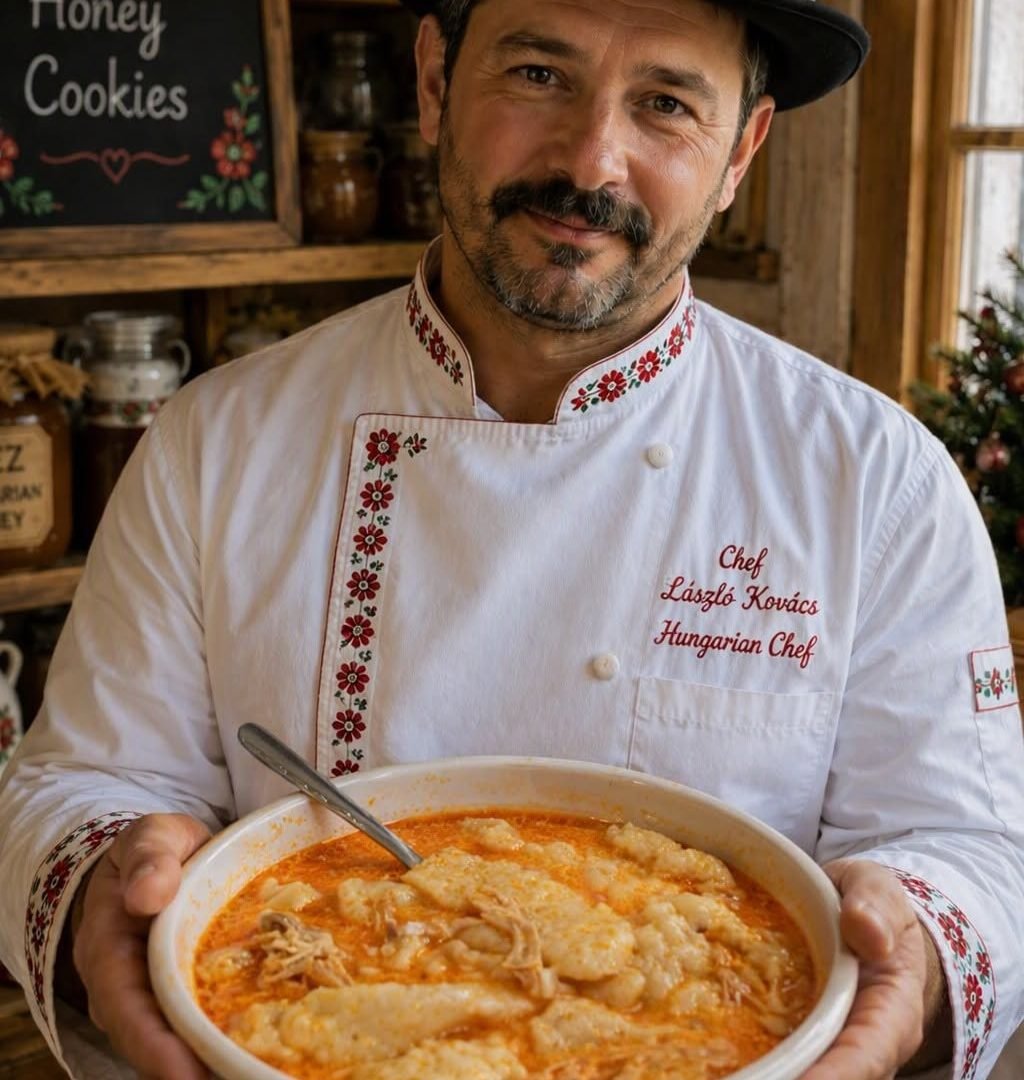
In the photograph provided, you can see a magnificent bowl of this classic dish, held by a chef. The visual is a testament to its hearty nature: a vibrant, reddish-orange broth loaded with plump beans, tender chunks of meat, sweet root vegetables, and sliced smoked sausage, all garnished with a sprinkle of fresh parsley. It is a meal designed to feed a crowd, utilizing humble, inexpensive ingredients to create something truly spectacular.
While Gulyás (goulash soup) is famous worldwide as a thinner, brothy soup, Babgulyás is its thicker, more substantial cousin. The addition of beans and root vegetables transforms it into a rich, almost stew-like consistency. It is a staple of Hungarian country cooking, often prepared outdoors in a traditional bogrács (a heavy cast-iron kettle) over an open fire, though it is easily adapted for the home kitchen. This comprehensive guide will walk you through the process of creating this iconic Central European comfort food, from selecting the right cuts of meat and soaking the beans to mastering the delicate art of cooking with paprika.
Recipe Overview
Preparation Time: 20 minutes (plus overnight soaking for dried beans)
Cooking Time: 1 hour 30 minutes to 2 hours
Total Time: Approximately 2 hours 30 minutes (if soaking beans overnight)
Servings: 6–8 generous servings
Difficulty Level: Beginner to Intermediate
Cooking Method: Simmering
Cuisine: Hungarian
Course: Main Course, Soup, Stew
Estimated Calories per Serving: Approximately 350–450 kcal per serving
What Is This Hungarian Dish?
Babgulyás is a beloved variation of the classic Hungarian goulash. The word bab means bean, and gulyás originally referred to the soup made by herdsmen (gulyás). Over time, the word came to denote the paprika-based soup we know today. The addition of beans makes this version even more filling and nutritious.
Historically, this dish was born of practicality. Hungarian herdsmen and farmers needed meals that were portable, affordable, and could be cooked in a single pot over an open flame. Beans were a staple crop, providing essential protein and carbohydrates, while root vegetables like carrots, parsnips, and potatoes were readily available from the autumn harvest. The smoked sausage (kolbász) and beef provided the savory depth.
Unlike the famous Pörkölt (a thick meat stew) or standard Gulyás (a thinner soup), Babgulyás strikes a balance between the two. It has a rich, hearty consistency, thickened naturally by the starch from the beans and potatoes. The flavor profile is deeply savory, smoky from the sausage, sweet from the root vegetables, and vibrant from the generous use of Hungarian sweet paprika. It is the ultimate one-pot meal, traditionally served with a dollop of sour cream and a thick slice of crusty bread to soak up every last drop.
Ingredients You Will Need
To create an authentic and deeply flavorful Hungarian Bean Goulash, you need a combination of high-quality meats, vegetables, and authentic spices.
For the Goulash
300 g (10.5 oz) dried pinto, kidney, or cranberry beans (or 2 cans of beans, rinsed and drained)
500 g (1 lb) beef chuck or shin, cut into 1-inch (2.5 cm) cubes
200 g (7 oz) smoked Hungarian sausage (kolbász) or kielbasa, sliced into rounds
2 tablespoons lard or vegetable oil
2 large yellow onions, finely chopped
3 cloves garlic, minced
2 large carrots, peeled and sliced into rounds
1 medium parsnip or parsley root, peeled and sliced
2 medium potatoes, peeled and cut into 1-inch cubes
3 tablespoons Hungarian sweet paprika
1/2 teaspoon Hungarian hot paprika (optional, for a bit of heat)
1 teaspoon caraway seeds, lightly crushed
2 bay leaves
1 large tomato, chopped
1 Hungarian wax pepper (or green bell pepper), chopped
2 liters (8 cups) beef broth or water
Salt and freshly ground black pepper to taste
Fresh parsley, chopped for garnish
For Serving
Sour cream (tejföl)
Crusty white bread
Fresh hot peppers (optional)
Choosing the Best Ingredients
The quality of your ingredients will directly impact the depth of flavor in your Bean Goulash.
The Beans: Dried beans are highly recommended for this recipe. They yield a much better texture and naturally thicken the broth as they cook. If you are short on time, canned beans are an acceptable substitute, but add them during the last 15 minutes of cooking to prevent them from turning mushy. If using dried beans, soak them overnight in plenty of water.
The Meat: Beef chuck, shin, or brisket are the best choices. These cuts are rich in collagen, which breaks down during the long simmering process, making the meat incredibly tender and adding a silky richness to the broth.
The Sausage: A good quality smoked sausage is essential for the smoky, savory base of the dish. Hungarian kolbász is the traditional choice, but a high-quality smoked kielbasa works perfectly.
The Paprika: This is the soul of the dish. Use authentic Hungarian sweet paprika for a vibrant color and rich, sweet flavor.
Kitchen Equipment
A large, heavy-bottomed Dutch oven or stockpot (at least 5 quarts)
A wooden spoon or spatula
A sharp knife and a cutting board
A small bowl (for the spices)
A colander (for draining the soaked beans)
Step-by-Step Cooking Instructions
Step 1: Prepare the Beans
If you are using dried beans, rinse them thoroughly and pick out any stones or debris. Place them in a large bowl, cover them with cold water, and let them soak overnight (or for at least 8 hours). Drain and rinse before using.
Step 2: Sauté the Onions
In your large Dutch oven, heat the lard or vegetable oil over medium heat. Add the finely chopped onions and a pinch of salt. Sauté for about 8–10 minutes until they are soft, translucent, and golden brown. This step builds the sweet, savory foundation of the stew.
Step 3: Add the Paprika
This is the most critical step. Remove the pot from the heat completely. Add the minced garlic, sweet paprika, hot paprika (if using), and crushed caraway seeds to the onions. Stir vigorously for about 30 seconds. The residual heat will bloom the spices, releasing their vibrant color and aroma. Do not add the paprika over direct heat, as it will scorch and turn bitter, ruining the dish.
Step 4: Brown the Meat
Return the pot to medium heat. Add the cubed beef to the pot, season with salt and black pepper, and brown the meat for about 5 minutes, stirring occasionally. Add the sliced smoked sausage and cook for another 2–3 minutes until it releases its fat and flavors.
Step 5: Add the Vegetables and Liquid
Add the chopped tomato, Hungarian wax pepper, carrots, and parsnip to the pot. Pour in the beef broth or water. Add the bay leaves. Bring the liquid to a boil, then reduce the heat to low. Cover the pot and simmer gently for 1 hour.
Step 6: Add the Beans and Potatoes
After the beef has simmered for an hour, add the drained, soaked beans and the cubed potatoes. Stir to combine. Continue to simmer, covered, for another 30–45 minutes, or until the beans are tender and the beef is fall-apart soft. If the stew becomes too thick, add a little more broth or water.
Step 7: Season and Serve
Taste the stew and adjust the seasoning with salt and black pepper. If you are using canned beans, add them now and simmer for 10–15 minutes just to heat them through. Remove the bay leaves.
Ladle the hot Bean Goulash into deep bowls. Garnish with a generous sprinkle of fresh parsley. Serve with a dollop of cool sour cream and a thick slice of crusty bread for dipping.
Important Cooking Tips
Soak Your Beans: If you are using dried beans, do not skip the soaking step. It reduces cooking time, ensures even cooking, and makes the beans easier to digest.
Don’t Salt the Beans Too Early: If you are using dried beans, add salt only after they have become tender. Salting the water early can prevent the beans from softening properly.
Skim the Fat: As the stew simmers, a layer of fat may rise to the surface. Use a spoon to skim off any excess fat before serving for a cleaner broth.
Thicken Naturally: The starch from the potatoes and beans will naturally thicken the broth as they cook. If you want an even thicker stew, you can mash a few of the beans against the side of the pot with a spoon.
Common Mistakes to Avoid
Burning the Paprika: This is the most common mistake. If the paprika turns dark brown or black, it is burnt and will taste acrid. Throw it out and start over. The dish should be bright red, not brown.
Adding Acidic Ingredients Too Early: If you are using tomatoes or vinegar, add them after the beans are mostly cooked. Acid can prevent the beans from softening.
Using the Wrong Cut of Meat: Using a lean cut like sirloin will result in tough, dry meat. Stick to collagen-rich cuts like chuck or shin.
Overcrowding the Pot: If you are doubling the recipe, make sure your pot is large enough. An overcrowded pot will not simmer properly, and the flavors will not develop as well.
Not Letting it Rest: Like most stews, Bean Goulash tastes even better the next day. Letting it rest for a few hours or overnight allows the flavors to meld beautifully.
Variations and Substitutions
Vegetarian Bean Goulash: Omit the beef and sausage. Use vegetable broth and add extra root vegetables, mushrooms, or a splash of soy sauce for umami.
Slow Cooker Version: Brown the meat and sauté the onions on the stovetop first. Transfer everything to a slow cooker, add the broth, and cook on low for 6–8 hours or on high for 4 hours. Add the potatoes and canned beans in the last hour of cooking.
Different Beans: You can use any variety of dried or canned beans you prefer, such as navy beans, black beans, or a mix of beans.
Spicier Version: Add a finely chopped jalapeño or serrano pepper along with the Hungarian wax pepper, or increase the amount of hot paprika.
What to Serve With This Dish
Crusty Bread: Essential for soaking up the rich, paprika-infused broth.
Sour Cream: A dollop of sour cream cuts through the richness of the meat and adds a tangy, creamy finish.
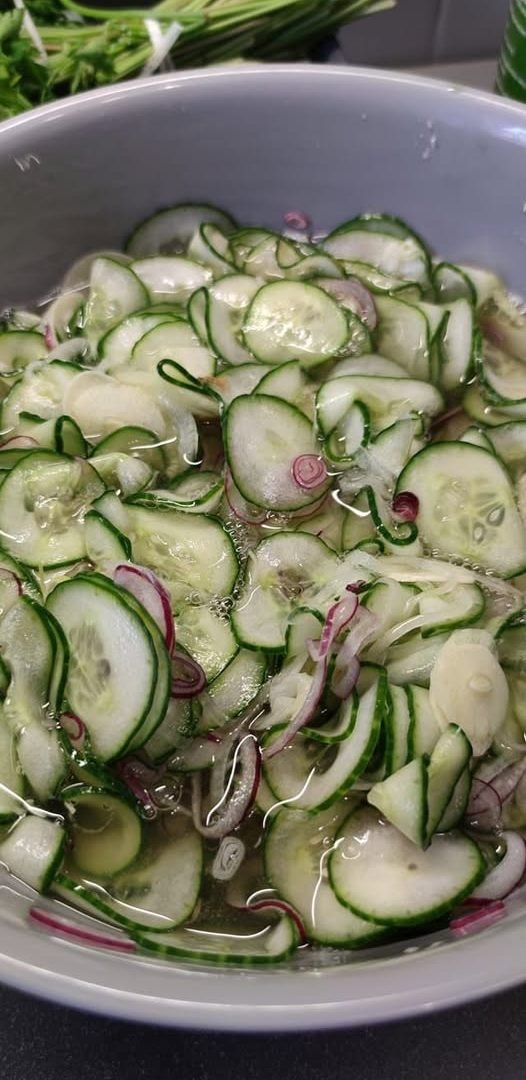
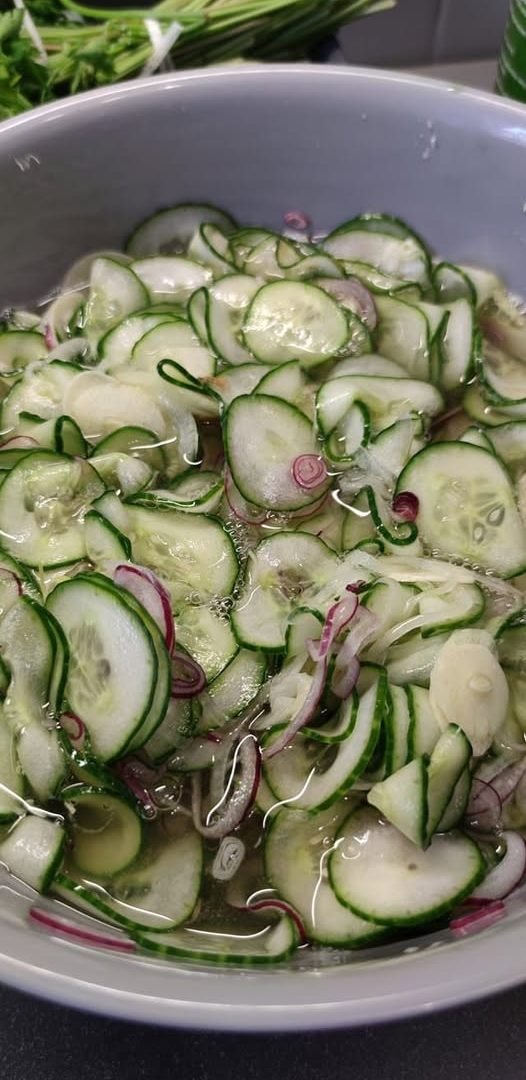
Pickles: A side of Hungarian pickled cucumbers or peppers adds a nice crunchy, acidic contrast.
A Glass of Red Wine: A medium-bodied red wine, like Kadarka or a light Pinot Noir, pairs beautifully with the smoky, paprika flavors.
How to Store and Reheat Leftovers
Refrigeration: Store leftover Bean Goulash in an airtight container in the refrigerator for up to 4 days. The flavors will deepen and improve over time.
Freezing: This stew freezes exceptionally well. Place it in a freezer-safe container and freeze for up to 3 months. Thaw overnight in the refrigerator.
Reheating: Reheat gently on the stovetop over low heat, adding a splash of broth or water if it has thickened too much.
Make-Ahead and Meal-Preparation Tips
Make it Ahead: Bean Goulash is the perfect make-ahead meal. You can make it up to 3 days in advance and store it in the refrigerator.
Prep the Ingredients: Chop all the vegetables, cube the meat, and measure out your spices a day in advance to make the cooking process quicker.
Troubleshooting Guide
Q: My beans are still hard after hours of cooking. Why? A: This can happen if the beans are very old, or if you added salt or acidic ingredients (like tomatoes) too early in the cooking process. Make sure to use fresh beans and add acidic ingredients only when the beans are tender.
Q: The stew is too watery. How can I thicken it? A: Remove the lid and simmer for an additional 15-20 minutes to reduce the liquid. Alternatively, mash a few of the cooked beans against the side of the pot to release their starch and thicken the broth.
Q: Can I use canned beans instead of dried beans? A: Yes, you can. Use two 15-oz cans of beans, rinsed and drained. Add them during the last 15-20 minutes of cooking so they don’t turn to mush.
Q: The stew tastes too spicy. How can I cool it down? A: Add a dollop of sour cream to the bowl when serving. You can also add a peeled, diced potato to the pot and simmer until tender; the potato will absorb some of the heat.
Nutritional Information
Please note: Nutritional values are estimates and will vary based on the specific ingredients used and portion sizes.
Calories: 350–450 kcal per serving
Protein: 25 g
Carbohydrates: 30 g
Fat: 15 g
Saturated Fat: 6 g
Fiber: 8 g
Sugar: 6 g
Sodium: 800 mg
Frequently Asked Questions (FAQ)
1. What is the difference between Hungarian Bean Goulash and regular Goulash? Hungarian Bean Goulash (Babgulyás) is a thicker, stew-like variation of the classic goulash soup, made with the addition of beans and root vegetables. Regular goulash is typically thinner and sometimes contains potatoes but no beans.
2. Do I have to soak the beans overnight? If you are using dried beans, yes, soaking them overnight is highly recommended. It ensures they cook evenly and become tender. If you are short on time, you can use the quick-soak method: boil the beans for 2 minutes, then remove from the heat and let them sit in the hot water for 1 hour.
3. Can I make this recipe in a slow cooker? Yes. Brown the meat and sauté the onions as directed. Transfer everything to a slow cooker, add the broth and beans, and cook on low for 6-8 hours. Add the potatoes and sausage in the last 2 hours of cooking.
4. What is the best cut of beef for Bean Goulash? Beef chuck, shin, or brisket are the best choices because they are rich in collagen, which breaks down during the long simmering process, making the meat incredibly tender.
5. Can I freeze Bean Goulash? Yes, it freezes beautifully. Store it in an airtight container in the freezer for up to 3 months.
Final Recipe Summary
Hungarian Bean Goulash is the ultimate comfort food—a hearty, rustic stew that warms you from the inside out. It is a celebration of simple, honest ingredients: humble beans, tender beef, sweet root vegetables, and the magical touch of Hungarian paprika. While it takes a bit of time to simmer and develop its deep, smoky flavors, the process is mostly hands-off, and the result is a meal that feeds a crowd and satisfies the soul. Whether you are cooking for a cozy family dinner or a weekend gathering, this authentic Babgulyás recipe is guaranteed to become a cherished favorite in your kitchen.
Printable Recipe Card
Traditional Hungarian Bean Goulash (Babgulyás)
A hearty, paprika-rich stew loaded with tender beef, smoked sausage, beans, and root vegetables.
Prep Time: 20 minutes (plus overnight soaking)
Cook Time: 2 hours
Total Time: 2 hours 20 minutes
Servings: 6-8
Ingredients:
300 g (10.5 oz) dried pinto or kidney beans (soaked overnight)
500 g (1 lb) beef chuck, cubed
200 g (7 oz) smoked sausage, sliced
2 tbsp lard or vegetable oil
2 large onions, chopped
3 cloves garlic, minced
2 large carrots, sliced
1 parsnip, sliced
2 medium potatoes, cubed
3 tbsp Hungarian sweet paprika
1/2 tsp hot paprika
1 tsp caraway seeds, crushed
2 bay leaves
1 tomato, chopped
1 green pepper, chopped
2 liters (8 cups) beef broth or water
Salt and pepper to taste
Fresh parsley, for garnish
Instructions:
Sauté Onions: Heat oil in a large pot. Sauté onions until golden.
Bloom Paprika: Remove from heat. Stir in garlic, paprika, and caraway seeds for 30 seconds.
Brown Meat: Return to heat. Add beef and sausage; brown for 5-7 minutes.
Simmer: Add tomato, green pepper, carrots, parsnip, and broth. Cover and simmer for 1 hour.
Add Beans & Potatoes: Add soaked beans and potatoes. Simmer for another 30-45 minutes until beans and meat are tender.
Serve: Season to taste. Garnish with parsley. Serve with sour cream and crusty bread.
Storage: Refrigerate for up to 4 days. Freeze for up to 3 months.
Food Safety: For guidance on safe storage and reheating of soups and stews, refer to the USDA Food Safety and Inspection Service (FSIS).
Cultural Context: For historical information about Hungarian cuisine and the role of goulash in Hungarian culture, refer to culinary history resources or reputable encyclopedias like TasteAtlas.
Ingredient Information: For details on the different types of Hungarian paprika and their uses, consult resources from the Hungarian Paprika Museum or agricultural extension websites.