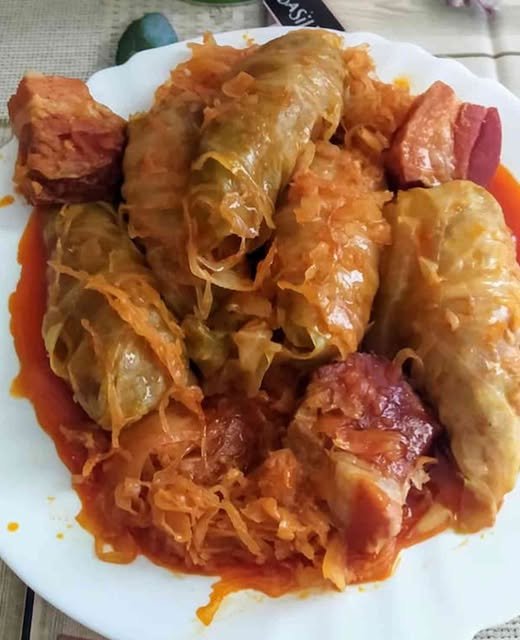
There is perhaps no dish more deeply rooted in Hungarian culinary tradition and family heritage than Töltött Káposzta, or Hungarian Stuffed Cabbage Rolls. This hearty, comforting meal is a cornerstone of Central European cooking, particularly beloved during the cold winter months and featured prominently on holiday tables for Christmas and Easter. While the social media caption that inspired this article playfully suggests a “5-minute” recipe that “melts in your mouth,” the reality of making authentic Töltött Káposzta is a true labor of love. It requires a bit of patience—blanching cabbage leaves, carefully rolling the savory filling, and allowing the flavors to slowly meld over a gentle simmer—but the resulting dish is a spectacular, melt-in-your-mouth culinary masterpiece that is worth every minute of effort.
What sets Hungarian Stuffed Cabbage Rolls apart from the variations found across Poland, Romania, and the Balkans is the generous use of high-quality Hungarian sweet paprika and the foundational layer of fermented sauerkraut. The cabbage leaves are blanched until tender, then wrapped tightly around a mixture of ground pork, rice, onions, and spices. These parcels are nestled into a pot layered with shredded sauerkraut, often accompanied by smoked sausage or bacon for a deeply savory depth. Everything is then smothered in a rich, paprika-infused tomato sauce and slow-cooked until the cabbage is impossibly soft and the filling is juicy and flavorful. Served with a cooling dollop of sour cream and a slice of crusty bread, it is the ultimate definition of Eastern European comfort food.
This comprehensive guide will walk you through every step of creating this iconic Hungarian dish in your own kitchen. We will cover everything from selecting the perfect cabbage and balancing the tanginess of the sauerkraut, to mastering the rolling technique and building a deeply flavorful, velvety sauce that will have your family coming back for seconds.
Recipe Overview
Preparation Time: 45 minutes
Cooking Time: 2 hours 30 minutes
Total Time: Approximately 3 hours 15 minutes
Servings: Makes 10–12 large cabbage rolls (serves 5-6 people)
Difficulty Level: Intermediate
Cooking Method: Simmering / Baking
Cuisine: Hungarian
Course: Main Course
Estimated Calories per Serving: Approximately 450–550 kcal per serving (depending on the meat-to-rice ratio and use of smoked meats)
What Is This Hungarian Dish?
Töltött Káposzta is a quintessential Hungarian dish, though variations of stuffed cabbage are found throughout the Balkans, Eastern Europe, and Scandinavia. The Hungarian version is distinguished by its vibrant red sauce, which gets its color and flavor from high-quality Hungarian sweet paprika and tomato paste.
Historically, this dish was a way to preserve and utilize the autumn harvest. Cabbage is a hardy vegetable that stores well, and fermenting it into sauerkraut was a traditional method of preservation before refrigeration was widely available. The dish typically features a mix of fresh, blanched cabbage leaves for rolling, and a bed of shredded sauerkraut which acts as a flavorful, acidic base for the meat. The acidity of the sauerkraut cuts through the richness of the pork and the sweetness of the paprika, creating a beautifully balanced flavor profile.
In Hungary, there are two main variations: one made entirely with fresh cabbage (often called friss káposztás), and the more traditional winter version made with fermented sauerkraut leaves and shredded sauerkraut. This recipe focuses on the classic winter version, incorporating both fresh cabbage for rolling and sauerkraut for the base. It is a dish designed to feed a crowd, and the flavors arguably improve the next day as the spices continue to marry. It is not uncommon for Hungarian families to make a massive pot of this on a Saturday, eating it for Sunday lunch and then throughout the week.
Ingredients You Will Need
For the Cabbage and Rolls
1 large head of green cabbage (about 1.5 to 2 kg / 3 to 4 lbs) for the rolling leaves
1 tablespoon salt (for the blanching water)
500 g (1 lb) ground pork (or a mix of pork and beef)
75 g (1/3 cup) long-grain white rice, rinsed
1 medium yellow onion, very finely chopped
1 large egg
2 cloves garlic, minced
1 tablespoon Hungarian sweet paprika
1/2 teaspoon Hungarian hot paprika (optional, for a little heat)
1 teaspoon salt
1/2 teaspoon freshly ground black pepper
For the Sauce and Layering
500 g (about 2 cups) shredded sauerkraut, drained but not rinsed
2 tablespoons vegetable oil or lard
1 large yellow onion, chopped
2 tablespoons Hungarian sweet paprika
2 tablespoons all-purpose flour
2 tablespoons tomato paste
1 liter (4 cups) water or chicken broth
150 g (5 oz) smoked sausage (like Hungarian kolbász or kielbasa), sliced into rounds (optional but highly recommended for flavor)
100 g (3.5 oz) smoked bacon, chopped (optional)
2 bay leaves
Salt and black pepper to taste
For Serving
240 g (1 cup) full-fat sour cream
Crusty white bread
Choosing the Best Ingredients
The quality of your ingredients is crucial for achieving authentic flavor.
The Cabbage: Look for a large, heavy head of green cabbage with crisp, unblemished leaves. Savoy cabbage can also be used, but its crinkly leaves can be harder to roll tightly. If you are using sauerkraut leaves from a jar, ensure they are large and intact. The fresher the cabbage, the more pliable the leaves will be after blanching.
The Meat: Ground pork with a moderate fat content (around 20%) is ideal. It keeps the filling moist and flavorful during the long cooking process. You can substitute ground turkey or chicken, but the dish will be noticeably leaner and less rich.
The Rice: Standard long-grain white rice works best. It absorbs the juices from the meat and sauce without becoming overly sticky or mushy. Do not use instant rice, as it will disintegrate during the long cooking time.
The Sauerkraut: High-quality fermented sauerkraut is essential. It provides the signature tangy flavor. Avoid sauerkraut that contains added sugar or excessive preservatives. If using jarred whole sauerkraut leaves, they will also add a distinct fermented flavor to the rolls themselves.
The Paprika: Use authentic Hungarian sweet paprika for a vibrant color and rich, sweet flavor. It is the backbone of the sauce.
Kitchen Equipment
A large pot (large enough to submerge the whole cabbage head)
A large, heavy-bottomed Dutch oven or a deep baking dish with a lid (about 4-5 quart capacity)
A sharp knife and a cutting board
A large mixing bowl
A wooden spoon
A ladle
Toothpicks (optional, for securing the rolls)
A fine-mesh strainer (for draining the sauerkraut)
Step-by-Step Cooking Instructions
Step 1: Prepare the Cabbage Leaves
Bring a large pot of water to a boil and add 1 tablespoon of salt. Core the cabbage by cutting a deep cone shape around the stem. Carefully lower the whole cabbage into the boiling water. Boil for 3-4 minutes, then turn it over and boil for another 3-4 minutes. As the outer leaves become soft and pliable, carefully peel them off with tongs and set them aside on a towel to drain. Continue boiling and peeling until you have 12-14 large, unbroken leaves. Reserve 2-3 of the smaller inner leaves to line the bottom of the pot.
Step 2: Make the Filling
In a large bowl, combine the ground pork, rinsed rice, finely chopped onion, egg, minced garlic, sweet paprika, hot paprika (if using), salt, and black pepper. Mix everything together with your hands until well combined, but do not overwork the meat, or it will become tough. The mixture should be slightly sticky and hold together well.
Step 3: Roll the Cabbage
Take one blanched cabbage leaf and lay it flat on a cutting board. Using a sharp knife, thinly slice off the thick, hard stem at the base of the leaf so it lies completely flat. Place about 2-3 tablespoons of the meat filling at the base of the leaf, near the stem end. Fold the sides of the leaf inward over the filling, then roll it up tightly from the bottom to the top, like a burrito. Secure the roll with a toothpick if necessary. Repeat with the remaining leaves and filling.
Step 4: Prepare the Sauce Base
In your heavy-bottomed Dutch oven, heat the oil or lard over medium heat. Add the chopped onion and sauté until translucent and soft, about 5-7 minutes. Remove the pot from the heat. Stir in the sweet paprika and flour, mixing well to form a smooth paste. Add the tomato paste and stir to combine. Gradually whisk in the water or chicken broth to prevent lumps. Return the pot to the heat and bring the sauce to a gentle simmer. Season with salt and black pepper.
Step 5: Layer the Pot
Line the bottom of the pot with the reserved inner cabbage leaves. Spread half of the drained shredded sauerkraut evenly over the bottom. Arrange the cabbage rolls in a single, tight layer on top of the sauerkraut. Sprinkle the sliced smoked sausage and bacon (if using) over the rolls. Add the bay leaves. Spread the remaining shredded sauerkraut over the top of the rolls.
Step 6: Add the Sauce and Simmer
Pour the hot tomato-paprika sauce over the layered cabbage and sauerkraut. The liquid should almost cover the rolls, but not entirely submerge them. Bring the pot to a gentle boil, then reduce the heat to low, cover, and simmer gently for 2 to 2.5 hours. Alternatively, you can bake it in a preheated oven at 350°F (175°C) for the same amount of time. The dish is done when the cabbage is incredibly tender and the flavors have melded.
Step 7: Serve
Carefully remove the cabbage rolls from the pot. Serve them hot with a generous spoonful of the sauerkraut and sauce from the pot. Top each serving with a dollop of sour cream and serve with fresh, crusty bread to soak up the juices.
Important Cooking Tips
Do Not Skip the Stem Trimming: Trimming the thick stem from the cabbage leaf is crucial. It allows the leaf to roll tightly without tearing and ensures the roll cooks evenly.
Don’t Overfill: Resist the urge to overstuff the cabbage leaves. Too much filling will cause the leaves to burst during the long cooking process.
Layer for Flavor: The bottom layer of sauerkraut is not just for flavor; it also acts as a protective barrier to prevent the cabbage rolls from burning on the bottom of the pot.
Low and Slow: This dish relies on slow simmering to break down the collagen in the meat and tenderize the cabbage. Do not rush the cooking time by turning up the heat.
Common Mistakes to Avoid
Not Blanching the Cabbage Enough: If the leaves are not soft and pliable, they will crack and tear when you try to roll them. Make sure they are fully wilted before removing them from the boiling water.
Using Dry Rice: The rice should be rinsed but not pre-cooked. It will absorb the juices from the meat and sauce as it cooks, becoming perfectly tender.
Forgetting to Temper the Sauce: When adding the paprika to the hot pan, make sure to remove the pot from the heat first to prevent the paprika from burning and becoming bitter.
Not Draining the Sauerkraut: While you want to keep the tangy flavor, excess liquid from the sauerkraut can make the dish overly sour and watery. Drain it well, but do not rinse it.
Variations and Substitutions
Fresh Cabbage Version: If you don’t have sauerkraut, you can use all fresh cabbage. Sauté the shredded fresh cabbage with a splash of vinegar and sugar to mimic the tanginess of sauerkraut.
Beef and Pork Mix: For a richer flavor, use a 50/50 blend of ground beef and ground pork.
Vegetarian: Use a meat substitute like lentils or a commercially available plant-based ground meat. Substitute the chicken broth with vegetable broth and omit the smoked meats.
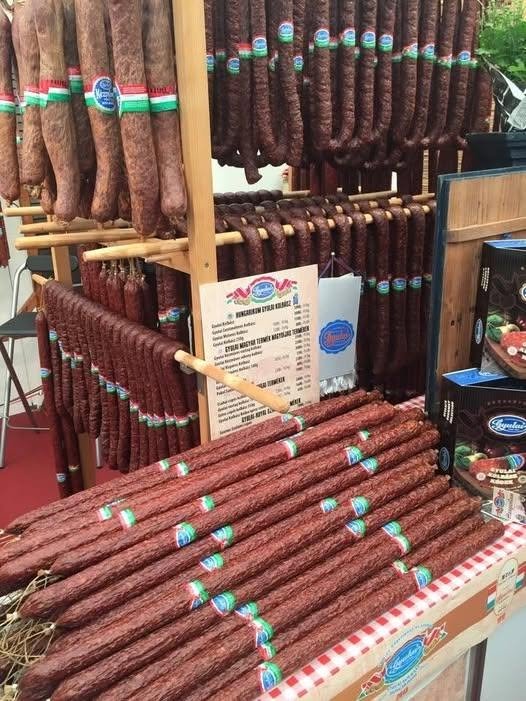
Smoked Sausage: Adding sliced Hungarian kolbász or a good quality smoked sausage is a traditional way to add incredible depth of flavor to the dish.
What to Serve With This Dish
Sour Cream: A mandatory accompaniment to balance the richness and acidity of the dish.
Fresh Bread: A thick slice of rustic white bread or sourdough is perfect for soaking up the delicious paprika sauce.
Pickles: A side of pickled cucumbers or peppers adds a nice crunchy texture.
How to Store and Reheat Leftovers
Refrigeration: Store the cabbage rolls and sauce in an airtight container in the refrigerator for up to 4 days. The flavors often taste even better the next day.
Freezing: These cabbage rolls freeze exceptionally well. Place them in a freezer-safe container with plenty of sauce. Freeze for up to 3 months. Thaw overnight in the refrigerator.
Reheating: Reheat gently on the stovetop or in the microwave. If the sauce has thickened too much, add a splash of water or broth.
Make-Ahead and Meal-Preparation Tips
Make Ahead: You can prepare the entire dish up to two days in advance. Bake or simmer it, let it cool completely, and store it in the refrigerator. Reheat gently before serving.
Prep the Cabbage: You can blanch and peel the cabbage leaves a day ahead. Store them in an airtight container in the refrigerator.
Troubleshooting Guide
Q: My cabbage rolls burst open during cooking. Why? A: The most common causes are overfilling the leaves or not trimming the thick stems. Make sure to use a moderate amount of filling and always trim the hard stems so the leaves roll smoothly.
Q: The dish is too sour. How can I fix it? A: The sauerkraut was likely too acidic. To balance the flavor, add a pinch or two of sugar to the sauce. You can also add a bit more sour cream when serving.
Q: The sauce is too thin. How do I thicken it? A: Remove a ladleful of the sauce from the pot and whisk it with a tablespoon of flour or cornstarch. Stir this slurry back into the pot and simmer for a few minutes until thickened.
Nutritional Information
Please note: Nutritional values are estimates and will vary based on the specific ingredients used, portion sizes, and the amount of smoked meats added.
Calories: 450–550 kcal per serving
Protein: 25 g
Carbohydrates: 20 g
Fat: 30 g
Saturated Fat: 10 g
Fiber: 5 g
Sugar: 6 g
Sodium: 1200 mg
Frequently Asked Questions (FAQ)
1. Can I use ground turkey instead of pork? Yes, you can substitute ground turkey or chicken, but the filling will be drier. Consider adding a little extra fat or a splash of broth to the meat mixture.
2. What is the difference between Hungarian stuffed cabbage and Polish Golabki? Hungarian Töltött Káposzta is typically characterized by the heavy use of sweet paprika and a layer of sauerkraut, and it is often served with sour cream. Polish Golabki is usually made with fresh cabbage and served in a simple tomato sauce.
3. Do I have to use sauerkraut? While traditional, you can make a version using only fresh cabbage. Just be sure to season the sauce well to compensate for the lack of acidity.
4. How long do I need to cook the cabbage rolls? They need to simmer gently for at least 2 hours to allow the cabbage to become tender and the flavors to develop.
5. Can I cook this in a slow cooker? Yes, after assembling the ingredients in the pot, you can cook them on low in a slow cooker for 6-8 hours.
Final Recipe Summary
Hungarian Stuffed Cabbage Rolls are a true labor of love that yields a deeply satisfying, comforting meal. The combination of tender, tangy cabbage, savory meat and rice filling, and a rich, paprika-infused tomato sauce is a triumph of traditional Central European cooking. While it takes a bit of time to prepare, the process is straightforward, and the results are worth every minute. Whether you are making it for a holiday feast or a cozy weekend dinner, this recipe is sure to become a cherished favorite.
A traditional Hungarian dish of cabbage leaves stuffed with savory pork and rice, slow-cooked with sauerkraut in a rich paprika tomato sauce.
Prep Time: 45 minutes
Cook Time: 2 hours 30 minutes
Total Time: 3 hours 15 minutes
Servings: 10-12 rolls
Ingredients:
For the Rolls:
1 large green cabbage
500 g ground pork
75 g long-grain rice, rinsed
1 medium onion, finely chopped
1 large egg
2 cloves garlic, minced
1 tbsp Hungarian sweet paprika
Salt and pepper to taste
For the Sauce:
500 g shredded sauerkraut, drained
2 tbsp vegetable oil
1 large onion, chopped
2 tbsp Hungarian sweet paprika
2 tbsp all-purpose flour
2 tbsp tomato paste
1 liter water or chicken broth
150 g smoked sausage, sliced (optional)
2 bay leaves
Instructions:
Boil the whole cabbage in salted water for 3-4 minutes, then peel off 12-14 large leaves. Trim the hard stems.
Mix the ground pork, rice, onion, egg, garlic, paprika, salt, and pepper in a bowl.
Place 2-3 tbsp of filling on each cabbage leaf, fold the sides in, and roll tightly.
In a large pot, sauté the onion in oil. Off the heat, stir in paprika and flour. Add tomato paste and whisk in the broth. Simmer.
Layer the bottom of the pot with inner cabbage leaves and half the sauerkraut. Add the cabbage rolls, sprinkle with sausage, and top with the remaining sauerkraut.
Pour the sauce over everything. Cover and simmer on low for 2-2.5 hours.
Food Safety: For guidance on safe internal temperatures for pork and poultry, refer to the USDA Food Safety and Inspection Service (FSIS).
Cultural Context: For historical information about Hungarian cuisine and the role of sauerkraut, refer to culinary history resources or reputable encyclopedias like TasteAtlas.
Ingredient Information: For details on the different types of Hungarian paprika and their uses, consult resources from the Hungarian Paprika Museum or agricultural extension websites.