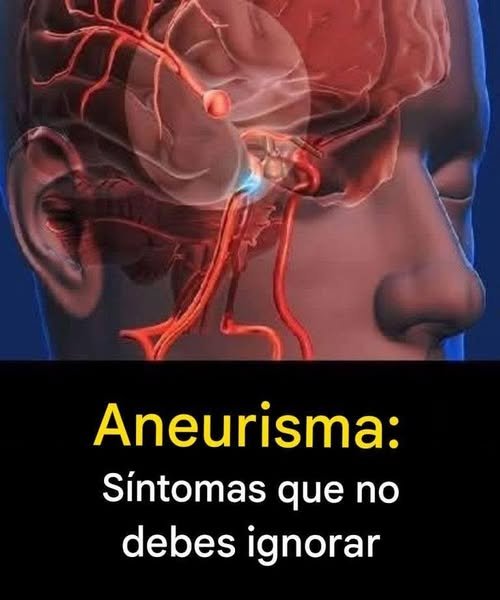
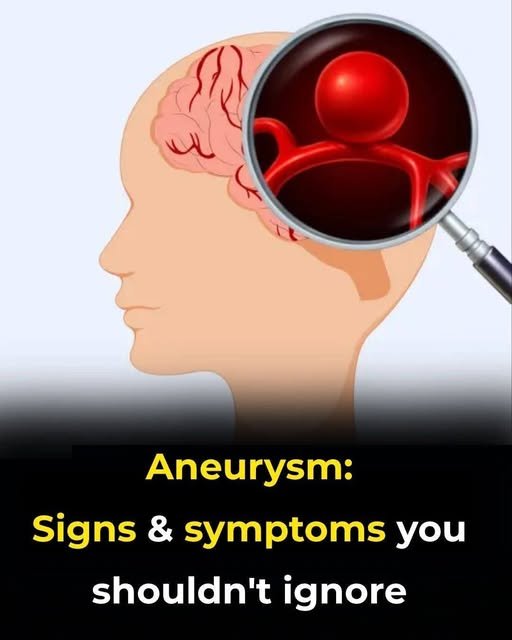
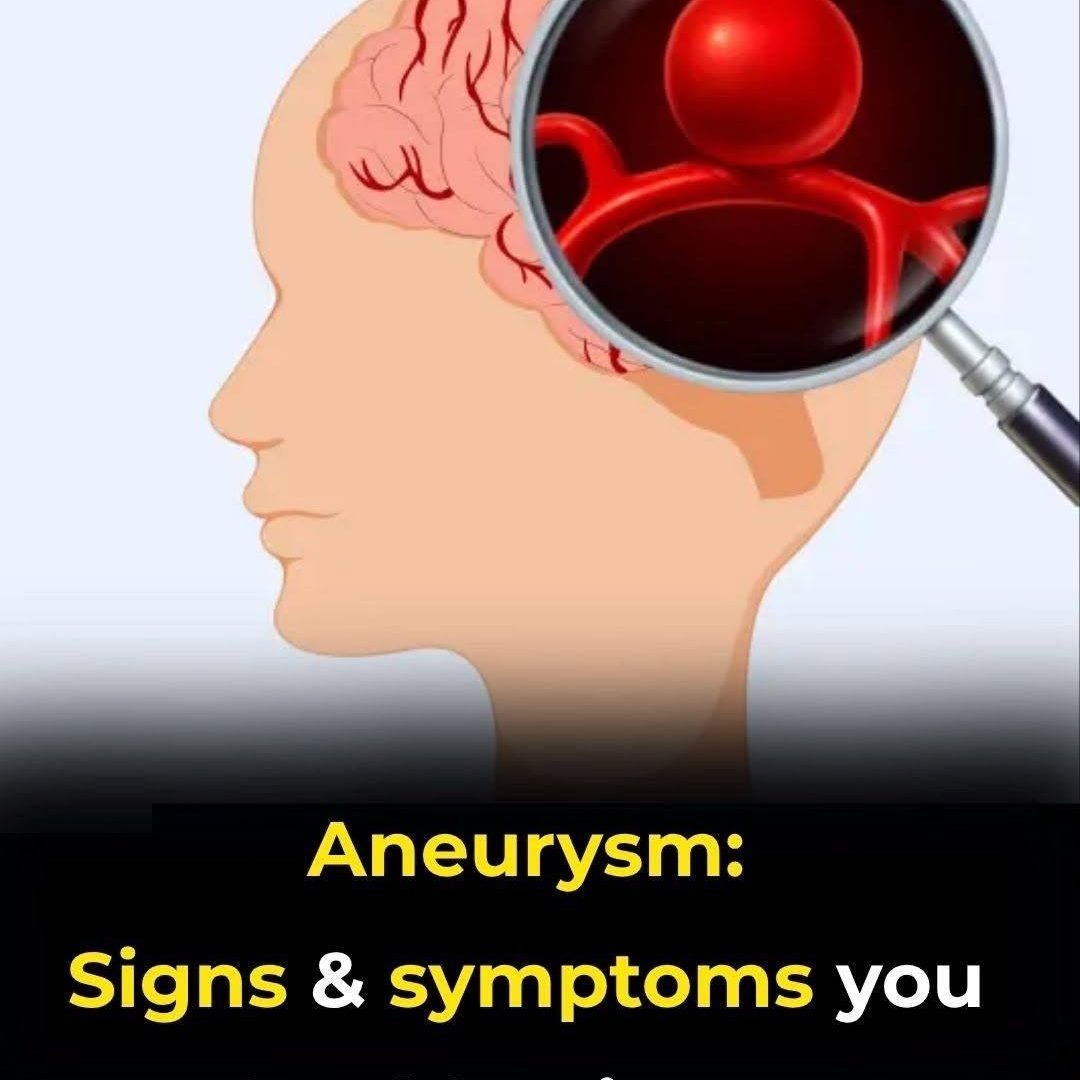
An aneurysm is a bulge or “ballooning” in the wall of a blood vessel. It can happen in any blood vessel, but it most commonly occurs in the brain (cerebral aneurysm) or the main artery of the body (aortic aneurysm).
The danger of an aneurysm is that it often has no symptoms until it becomes large or ruptures. A ruptured aneurysm is a life-threatening medical emergency that requires immediate treatment. Knowing the warning signs can save a life. 👇
Disclaimer: This post is for informational purposes only and is not a substitute for professional medical advice. If you or someone you know is experiencing symptoms of an aneurysm, call emergency services immediately.
⚠️ Symptoms You Should Never Ignore
1. Sudden, Severe Headache The most common symptom of a ruptured brain aneurysm is a sudden, extremely severe headache. Many people describe it as “the worst headache of my life” or a “thunderclap” headache. This is a medical emergency.
2. Nausea and Vomiting A ruptured aneurysm can cause nausea and vomiting, often accompanied by the severe headache.
3. Stiff Neck A stiff neck, especially when accompanied by a severe headache, can be a sign of bleeding in the brain.
4. Blurred or Double Vision An aneurysm that presses on the nerves that control vision can cause blurred or double vision.
5. Sensitivity to Light Photophobia (sensitivity to light) is a common symptom of a ruptured aneurysm.
6. Loss of Consciousness A ruptured aneurysm can cause a sudden loss of consciousness, confusion, or seizures.
7. Pain Above or Behind the Eye An unruptured aneurysm that is growing may press on nerves and cause pain above or behind the eye.
8. Drooping Eyelid A drooping eyelid (ptosis) can be a sign of an aneurysm pressing on the nerves that control the eyelid.
9. Aortic Aneurysm Symptoms An aortic aneurysm may cause a pulsating feeling in the abdomen, back pain, or a deep, boring pain in the chest or back.
Important: Many aneurysms are discovered incidentally during tests for other conditions. If you have risk factors (like high blood pressure, smoking, or a family history), talk to your doctor about screening.
❓ Frequently Asked Questions
What is an aneurysm? An aneurysm is a bulge or weakness in the wall of a blood vessel. It can burst and cause dangerous bleeding.
What causes an aneurysm? The most common causes are high blood pressure, smoking, atherosclerosis (hardening of the arteries), and genetics.
Can an aneurysm be treated? Yes — unruptured aneurysms can be monitored or treated with surgery or minimally invasive procedures. A ruptured aneurysm requires emergency treatment.
What is the survival rate of a ruptured brain aneurysm? A ruptured brain aneurysm is very serious. About 50% of cases are fatal, and many survivors have permanent neurological damage.
Who is at risk for an aneurysm? People with high blood pressure, smokers, those with a family history of aneurysms, and people over 40 are at higher risk.
Can an aneurysm be prevented? You can reduce your risk by controlling blood pressure, not smoking, eating a healthy diet, and getting regular check-ups.
When should I see a doctor? If you experience a sudden, severe headache, loss of consciousness, or other symptoms listed above, seek emergency medical care immediately.
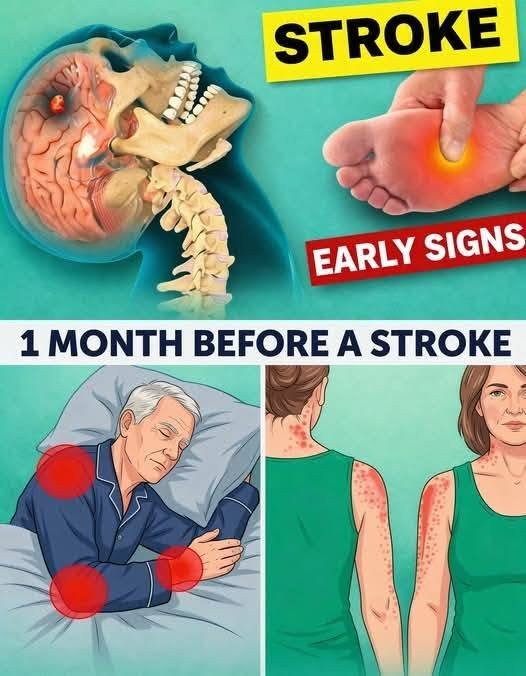
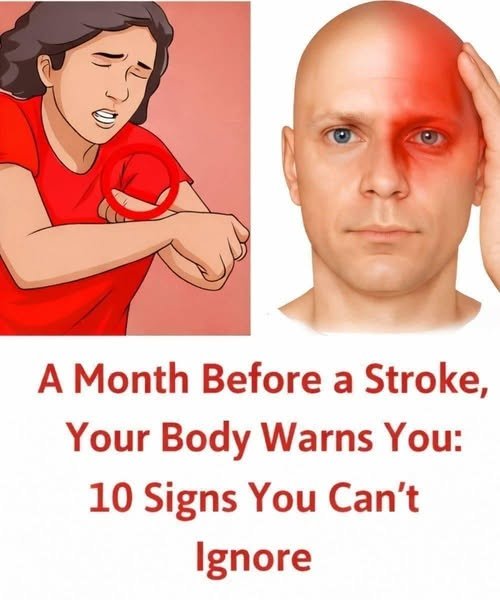
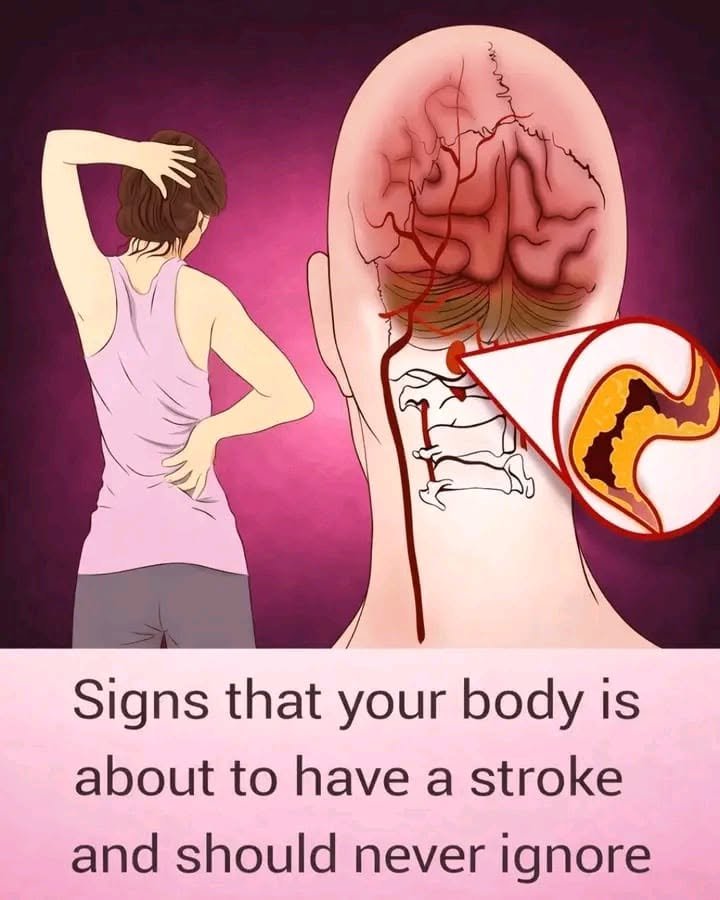
Can an aneurysm cause a stroke? Yes — a ruptured brain aneurysm can cause a hemorrhagic stroke.
Are there screening tests for aneurysms? Yes — CT scans, MRI, and ultrasound can detect aneurysms. Talk to your doctor if you have risk factors.