9 Foot Symptoms You Shouldn’t Ignore: What Burning, Tingling, Numbness and Other Changes Can Mean
The human foot is a biological marvel. Composed of 26 bones, 33 joints, and more than a hundred muscles and ligaments, it serves as our foundation, absorbing the impact of every step we take. Yet, despite their critical role, our feet are often the most neglected part of our bodies. We stuff them into tight shoes, ignore minor aches and pains, and rarely give them the attention they deserve until they are screaming for help.
However, the feet are not just for walking; they are a highly sensitive diagnostic window into the overall health of the body. Because they are located at the furthest extremities from the heart, they are often the first to exhibit signs of systemic issues, ranging from circulatory problems and nerve damage to metabolic disorders and infections.
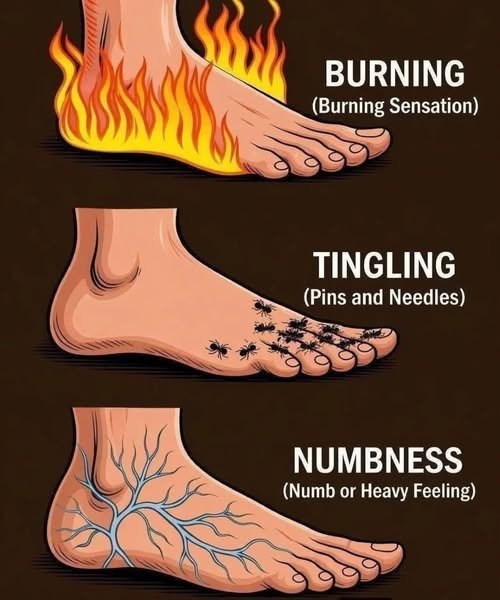
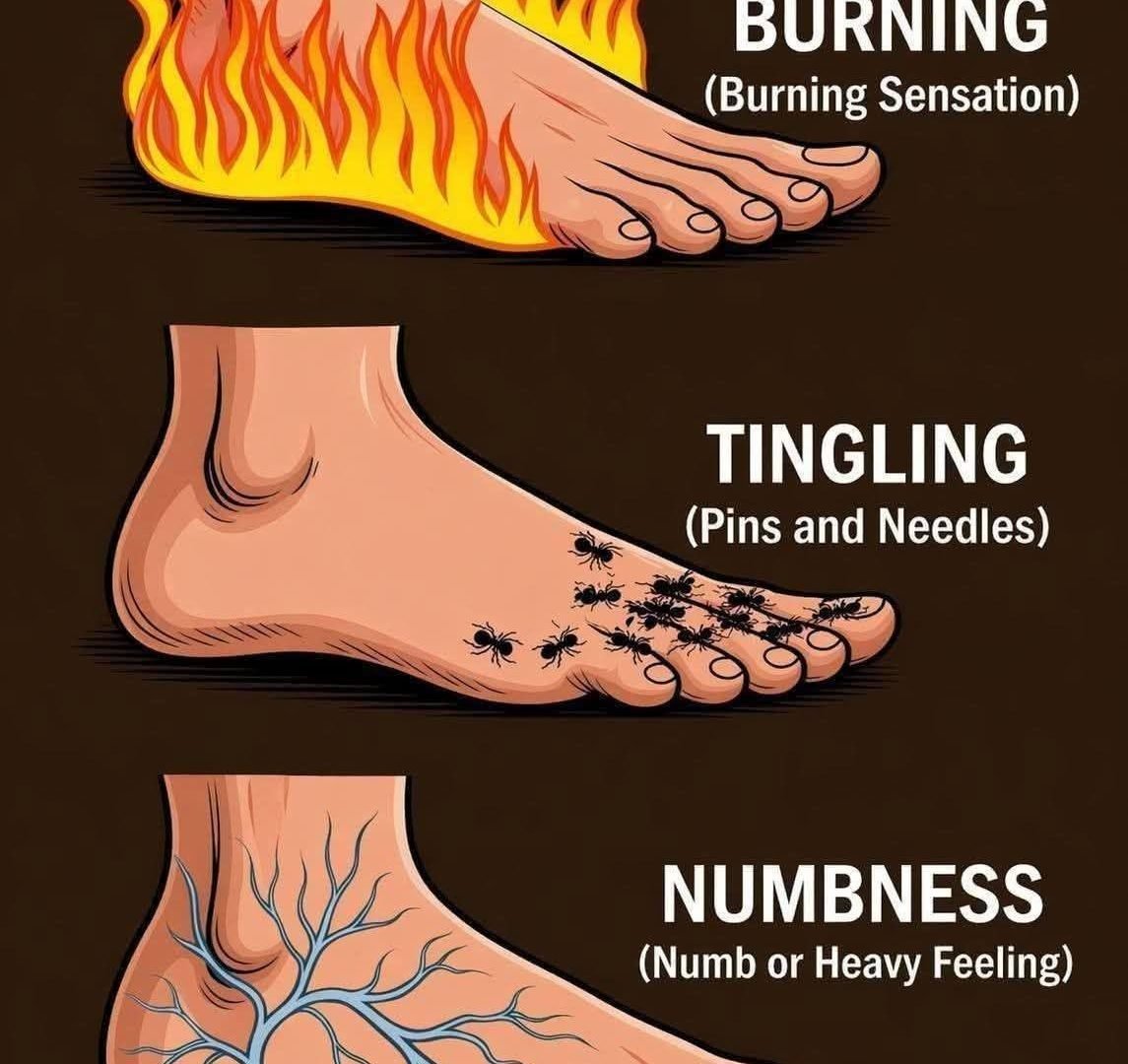
The visual guide provided illustrates three of the most common and telling neurological symptoms: the fiery sensation of Burning, the “pins and needles” feeling of Tingling, and the heavy, lifeless sensation of Numbness. These are not just minor annoyances; they are the language your nervous and vascular systems use to communicate distress.
This comprehensive guide will explore nine specific foot symptoms, starting with the three highlighted in the image, and delve into what they can mean for your health. By understanding these warning signs, you can take proactive steps to address potential underlying conditions and protect your mobility and well-being.
The Foot as a Diagnostic Gateway
Before exploring the specific symptoms, it is helpful to understand why the feet are so vulnerable and why they act as an early warning system.
The feet are home to the longest nerves in the body, stretching all the way from the lower spine down to the tips of the toes. They are also the site of the most distant and smallest blood vessels (capillaries). Because blood has to travel the furthest distance to reach the feet, any compromise in circulation—such as narrowed arteries or a weakened heart—will manifest in the extremities first. Similarly, because the nerves are so long, they are highly susceptible to damage from systemic toxins like high blood sugar, making the feet a prime target for neuropathy.
1. Burning Sensation (The Fire)
The image vividly depicts a foot engulfed in flames, representing a burning sensation. Medically, this is often described as a hot, searing, or prickly pain that can be severe enough to disrupt sleep.
What Causes the Burning?
A burning sensation in the feet is a classic hallmark of peripheral neuropathy. This occurs when the peripheral nerves—the nerves outside the brain and spinal cord—are damaged or malfunctioning. When these nerves are damaged, they can misfire, sending pain signals to the brain even when there is no physical injury. This is known as neuropathic pain.
Common Underlying Conditions:
Diabetes: This is the most common cause. Chronically high blood sugar damages the nerves and the tiny blood vessels that supply them, leading to diabetic neuropathy. The burning typically starts in the toes and spreads up the feet.
Vitamin Deficiencies: A lack of Vitamin B12 or folate can cause nerve damage and burning feet.
Alcohol Abuse: Chronic alcohol consumption is toxic to nerves and can lead to alcoholic neuropathy.
Kidney Disease: When the kidneys fail to filter toxins from the blood (uremia), these toxins can build up and damage nerves.
Hypothyroidism: An underactive thyroid can lead to fluid retention and nerve compression.
Fungal Infections: Conditions like athlete’s foot can cause a severe burning and itching sensation, though this is a skin issue rather than a nerve issue.
What to Do: If you experience persistent burning in your feet, it is crucial to check your blood sugar levels. Do not ignore it, as untreated neuropathy can lead to severe complications, including foot ulcers and amputation.
2. Tingling and “Pins and Needles” (The Ants)
The second image shows ants crawling across the toes, a perfect visual metaphor for the sensation known as paresthesia. This is the feeling of “pins and needles,” numbness, or a prickly sensation that often comes and goes.
What Causes the Tingling?
Tingling occurs when there is pressure on a nerve, or when a nerve is damaged or deprived of blood flow. When you sit on your foot for too long, the blood supply is temporarily cut off, causing the nerves to misfire. This resolves quickly once you move. However, chronic or recurring tingling is a red flag.
Common Underlying Conditions:
Nerve Compression: Conditions like tarsal tunnel syndrome (where a nerve in the ankle is compressed) or sciatica (where a nerve in the lower back is pinched) can cause tingling that radiates down into the foot.
Multiple Sclerosis (MS): This autoimmune disease attacks the protective sheath around nerves, disrupting communication between the brain and the body, often causing tingling in the extremities.
Circulation Issues: Poor blood flow (ischemia) can cause tingling as the nerves are starved of oxygen.
Medication Side Effects: Some chemotherapy drugs, HIV medications, and certain antibiotics can cause peripheral nerve damage, leading to tingling.
What to Do: Occasional tingling that resolves with movement is usually harmless. However, if the tingling is frequent, chronic, or accompanied by weakness, it requires a medical evaluation to rule out nerve compression or systemic disease.
3. Numbness and Heavy Feeling (The Blue Veins)
The third image portrays a foot with prominent, blue, web-like veins, representing numbness and a heavy, deadened feeling. Numbness is a loss of sensation, meaning you cannot feel touch, temperature, or pain in the affected area.
What Causes the Numbness?
Numbness is a progression of nerve damage. If the nerves are severely damaged, they simply stop sending signals to the brain. It can also be caused by a significant lack of blood flow, starving the nerves of the oxygen they need to function.
Common Underlying Conditions:
Advanced Diabetic Neuropathy: Numbness is the most dangerous symptom for diabetics. If you cannot feel your feet, you will not notice cuts, blisters, or burns. This can lead to severe infections and, ultimately, amputation.
Peripheral Artery Disease (PAD): This is a narrowing of the arteries in the legs due to plaque buildup. It causes a heavy, tired, or numb feeling in the legs and feet, especially during exercise.
Spinal Cord Issues: A herniated disc or spinal stenosis in the lower back can compress the nerves feeding the legs, resulting in numbness in specific areas of the foot.
Stroke: While less common, a stroke can cause sudden numbness in a limb.
What to Do: Sudden numbness, especially if it is on one side of the body or accompanied by weakness, slurred speech, or facial drooping, is a medical emergency (signs of a stroke). Chronic numbness requires a full vascular and neurological workup.
4. Swelling (Edema)
Swelling in the feet and ankles, known as edema, is characterized by a puffiness caused by fluid retention in the tissues.
What Causes the Swelling?
Edema can be caused by simple things like standing for long periods, especially in hot weather. However, chronic swelling is often a sign of a systemic issue.
Common Underlying Conditions:
Heart Failure: If the heart is too weak to pump blood efficiently, fluid can back up in the veins and pool in the legs and feet.
Kidney Disease: The kidneys regulate fluid balance. When they fail, the body retains excess fluid.
Venous Insufficiency: The valves in the leg veins can become weak, allowing blood to pool downward, causing swelling and varicose veins.
Medications: Drugs like steroids, blood pressure medications (calcium channel blockers), and certain anti-inflammatories can cause fluid retention.
What to Do: If you have swelling that is accompanied by shortness of breath, chest pain, or fatigue, seek immediate medical attention. Otherwise, elevate your feet and reduce salt intake, but get checked by a doctor to rule out heart or kidney issues.
5. Cold Feet (Persistent)
While it is normal to have cold feet in the winter or after a long walk in the snow, persistently cold feet, even in warm environments, is an abnormal symptom.
What Causes the Cold Sensation?
Cold feet are usually a sign of restricted blood flow. When the body is stressed or the arteries are narrowed, it prioritizes blood flow to vital organs (heart, brain) over the extremities, leaving the feet cold.
Common Underlying Conditions:
Peripheral Artery Disease (PAD): The hallmark of poor circulation.
Raynaud’s Phenomenon: An autoimmune condition where the small blood vessels in the extremities spasm and constrict in response to cold or stress, causing the fingers and toes to turn white, then blue, then red.
Anemia: A lack of red blood cells means less oxygen is delivered to the extremities.
Hypothyroidism: A slow metabolism can lead to a low body temperature and cold extremities.
What to Do: If your feet are cold and you notice a change in the color of your skin (pale, blue) or a loss of hair on your legs, see a vascular specialist.
6. Sudden, Severe Pain in the Big Toe (Podagra)
This is a highly specific symptom characterized by sudden, excruciating pain, swelling, and redness at the base of the big toe. The joint often becomes so sensitive that even the weight of a bedsheet is unbearable.
What Causes the Pain?
This is the classic presentation of gout, a form of inflammatory arthritis. It occurs when there is a buildup of uric acid in the blood. The uric acid crystallizes and deposits in the joints, most commonly the big toe.
Common Underlying Conditions:
High purine diet (red meat, organ meats, seafood).
Excess alcohol consumption (especially beer).
Obesity and insulin resistance.
Certain medications (diuretics).
What to Do: Gout attacks require medical treatment (anti-inflammatories and uric acid-lowering drugs). If left untreated, it can cause permanent joint damage.
7. Sores, Ulcers, or Slow-Healing Wounds
A minor cut or blister on a healthy foot usually heals in a few days. If wounds on your feet take weeks or months to heal, or if you develop open sores (ulcers), it is a major warning sign.
What Causes the Sores?
Poor circulation and nerve damage are the primary culprits. Without adequate blood flow, the tissue cannot repair itself. Without adequate sensation, you may not notice a wound until it is severely infected.
Common Underlying Conditions:
Diabetes: Diabetic foot ulcers are a leading cause of hospitalization and amputation.
Severe PAD: Critical limb ischemia can cause tissue death (gangrene).
Infections: Untreated fungal or bacterial infections.
What to Do: Seek immediate medical care. Non-healing foot wounds are a medical emergency that can lead to limb loss.
8. Changes in Skin Color (Blue, Black, or Red)
The normal color of the foot should be pinkish, matching the rest of the body. Sudden or chronic changes in color are a sign of vascular compromise.
What Changes Mean:
Blue/Purple (Cyanosis): A lack of oxygen in the blood. It can be a sign of severe cold exposure, poor circulation, or a heart/lung condition.
Black: A sign of tissue death (necrosis/gangrene), typically caused by severe PAD or uncontrolled diabetes. This is a medical emergency.
Redness: Could indicate an infection (cellulitis) or inflammation.
What to Do: Cyanosis or black tissue requires an immediate trip to the emergency room. Redness that is warm to the touch and accompanied by fever should be checked for infection.
9. Clubbing of the Toes
Clubbing is a structural change where the tips of the toes (and sometimes fingers) become enlarged, bulbous, and rounded, and the nails curve downward.
What Causes the Clubbing?
Clubbing is caused by chronic hypoxia (low oxygen levels in the blood) over a long period. It is a classic sign of chronic lung disease, heart defects, or gastrointestinal disorders.
Common Underlying Conditions:
Chronic obstructive pulmonary disease (COPD).
Cystic fibrosis.
Heart defects.
Inflammatory bowel disease (Crohn’s disease).
What to Do: Clubbing is not a disease in itself, but a symptom of an underlying systemic condition. It requires a thorough medical evaluation.
When to See a Doctor: Red Flags for Foot Health
While many foot symptoms are minor and easily treated, certain “red flags” indicate a need for immediate medical attention. Seek urgent care if you experience:
A sudden onset of severe pain, redness, or swelling (possible infection or gout).
Sores or ulcers that are not healing, especially if you have diabetes.
Sudden numbness that affects one side of the body, or is accompanied by slurred speech or weakness (signs of a stroke).
A change in skin color to blue or black, or the skin feels unusually cold and looks shiny (signs of critical limb ischemia).
A fever accompanied by foot pain or redness (signs of a severe infection).
Preventive Strategies for Optimal Foot Health
Protecting your feet is an essential part of protecting your overall health. Here are some proactive steps:
Daily Inspection: Take a moment every day to look at your feet. Check for cuts, blisters, redness, or swelling. If you cannot see the bottom of your feet, use a mirror.
Wear Proper Footwear: Ensure your shoes fit well, have adequate support, and are not too tight. Avoid walking barefoot, especially if you have diabetes.
Manage Chronic Conditions: Keep your blood sugar, blood pressure, and cholesterol in check. These are the primary drivers of vascular and nerve damage.
Maintain Good Hygiene: Wash your feet daily, dry them thoroughly (especially between the toes), and keep nails trimmed correctly (cut straight across).
Stay Active: Regular physical activity improves circulation and helps maintain a healthy weight.
Conclusion: Listen to the Whisper Before It Becomes a Scream
The feet are a remarkable diagnostic tool, acting as a mirror to the internal workings of the body. The burning flames of neuropathy, the creeping ants of paresthesia, and the cold numbness of vascular compromise are not just inconvenient sensations; they are the body’s way of sounding the alarm.
By paying attention to the symptoms outlined in this guide, you can catch potentially serious health issues in their early, most treatable stages. Do not ignore the subtle signs. Whether it is a persistent tingle or a wound that will not heal, your feet are asking for help. Listen to them, and take the necessary steps to protect your mobility, your health, and your independence.
Frequently Asked Questions
What does it mean if my feet are always burning?
A persistent burning sensation in the feet is most commonly caused by peripheral neuropathy, which is often related to diabetes. It can also be caused by vitamin B12 deficiency, alcohol abuse, or kidney disease. It is important to see a doctor to identify the underlying cause.
Is tingling in the feet a sign of a heart attack?
Tingling in the feet is not a typical sign of a heart attack. Heart attack symptoms usually include chest pain or pressure, shortness of breath, and pain radiating to the arm or jaw. However, sudden numbness or tingling on one side of the body can be a sign of a stroke, which is a medical emergency.
What causes cold, numb feet?
Cold and numb feet are typically a sign of poor circulation, often caused by Peripheral Artery Disease (PAD), Raynaud’s phenomenon, or hypothyroidism. If your feet are cold, pale, and you are experiencing pain, you should see a vascular specialist.
Can diabetes cause foot pain?
Yes, diabetes is a leading cause of foot pain. High blood sugar levels damage the nerves (diabetic neuropathy) and blood vessels (poor circulation), leading to symptoms like burning, tingling, numbness, and slow-healing wounds.
What does a gout attack feel like?
A gout attack typically causes sudden, excruciating pain, redness, and swelling in the joint at the base of the big toe. The joint becomes extremely sensitive to the touch. It is caused by a buildup of uric acid crystals in the joint.
Why are my feet turning blue?
Blue toes (cyanosis) indicate a lack of oxygen in the blood. It can happen due to extreme cold, poor circulation, or a serious heart or lung condition. If the color change is sudden and accompanied by pain, seek immediate medical attention.
What is a diabetic foot ulcer?
A diabetic foot ulcer is an open sore or wound that occurs in approximately 15% of patients with diabetes. It is usually located on the bottom of the foot and is caused by a combination of poor circulation and nerve damage. It requires immediate and specialized medical care.
Can foot problems be a sign of kidney disease?
Yes. Kidney disease can cause fluid retention (edema) in the feet and ankles. It can also cause a buildup of toxins in the blood, which can lead to peripheral neuropathy (burning and tingling in the feet).
What are the first signs of peripheral artery disease (PAD)?
The first signs of PAD in the feet include coldness, numbness, a heavy or tired feeling in the legs when walking (claudication), and changes in skin color (pale or blue). You may also notice hair loss on the legs and feet and slow-healing wounds.
When should I see a doctor about my foot pain?
You should see a doctor if your foot pain is severe, sudden, persistent, or accompanied by other symptoms like swelling, redness, numbness, tingling, fever, or a wound that is not healing. If you have diabetes, you should have your feet checked at every medical appointment.