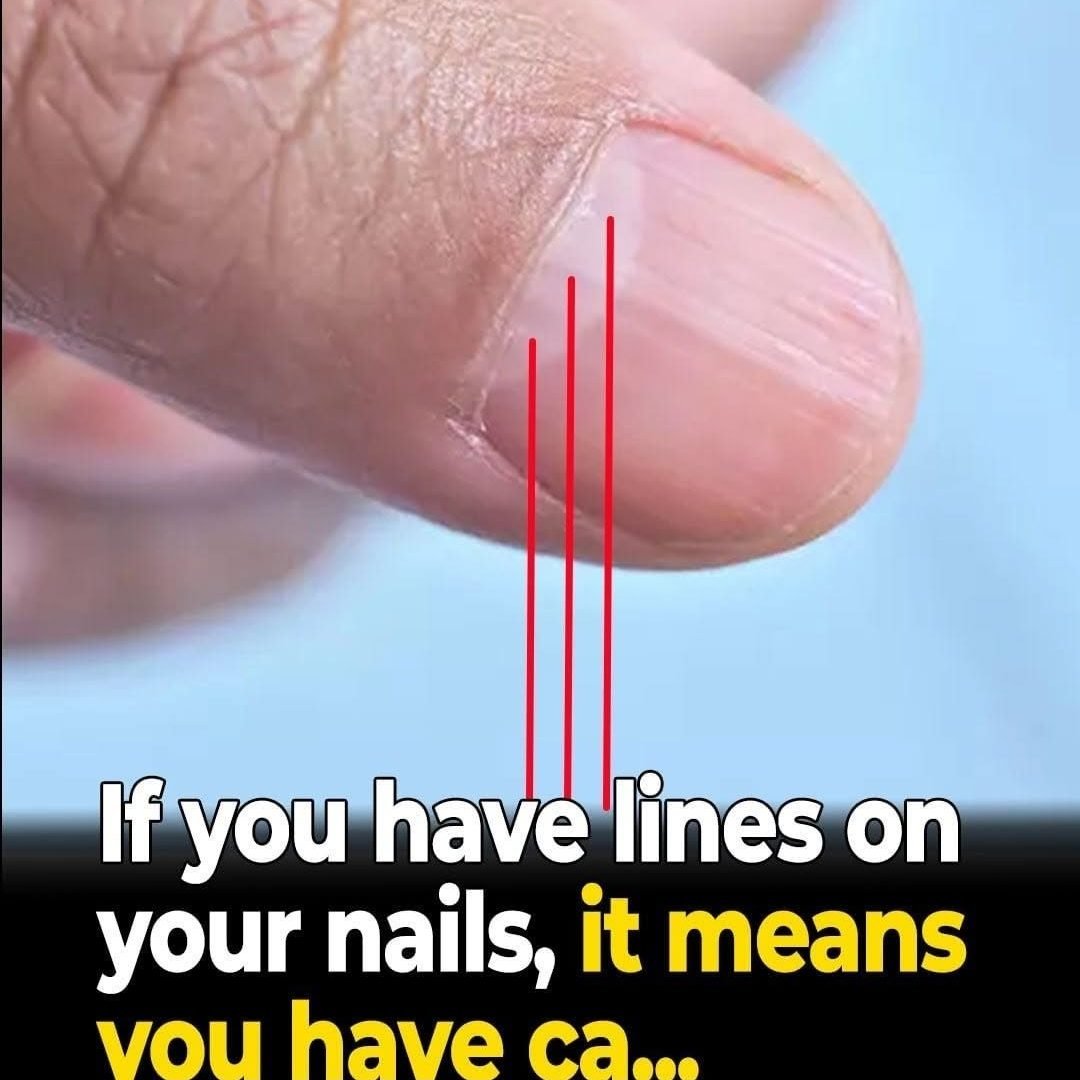
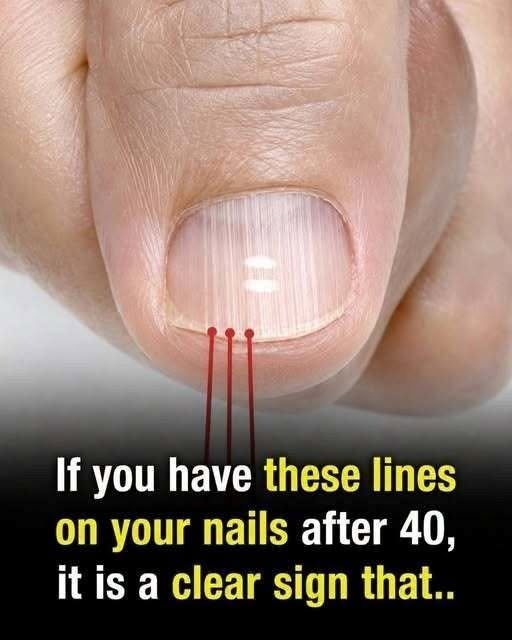
Vertical Ridges and White Spots on Nails After 40: What They Really Mean and When to See a Doctor
Aging brings a series of visible changes, and for many people over 40, the fingernails become an unexpected source of worry. You may notice faint lines running from the cuticle to the tip of the nail, or small white flecks that seem to appear out of nowhere. Social media posts and viral images often frame these changes as ominous warnings, suggesting that vertical ridges or white spots are clear signs of serious underlying disease. The implication is that your body is failing in some hidden way, and that the appearance of your nails is the first alarm.
The reality is far more reassuring. Most of the changes that appear on nails after 40 are not signs of impending crisis. Vertical ridges are, for the overwhelming majority of people, a normal consequence of aging—a harmless change in how the nail matrix produces cells. White spots, likewise, are usually the result of minor, forgotten trauma rather than a nutritional deficiency or systemic illness. Yet the persistence of myths surrounding nail health means that many people are left anxious and uncertain about what their nails are trying to tell them.
This article separates established medical evidence from internet folklore. It explains the anatomy of the nail, the science behind vertical ridges and white spots, the difference between benign changes and genuine warning signs, and the specific situations that warrant a medical evaluation. For anyone over 40 who has looked at their hands and wondered whether something is wrong, the goal is to replace fear with understanding—and to provide a clear, practical guide to caring for aging nails.
The Anatomy of the Nail: Understanding the Canvas
To interpret what nails reveal, it helps to understand their structure. Fingernails and toenails are not merely decorative plates; they are complex appendages made primarily of alpha-keratin, the same tough protein found in hair and the outer layer of skin. The visible part of the nail, known as the nail plate, sits atop the nail bed, a layer of skin rich in blood vessels that gives the nail its healthy pink color. At the base of the nail, beneath the cuticle, lies the germinal matrix—a specialized structure often compared to a pasta maker, continuously producing and organizing keratin cells into a flat, smooth plate.
The nail matrix is the key to understanding why ridges and spots appear. When the matrix functions uniformly, the resulting nail plate is smooth and even. When the matrix is disturbed—by injury, inflammation, nutritional deficiency, or the natural slowing of cell turnover that accompanies aging—the nail grows out with visible irregularities. A momentary interruption in growth can produce a horizontal groove, while chronic changes in the matrix’s perimeter can create vertical lines.
Nails grow slowly. Fingernails extend at approximately three millimeters per month, while toenails grow even more slowly, at roughly one millimeter per month. This slow pace explains why a change that appears at the cuticle may not become fully visible until weeks or months later. It also means that white spots or ridges near the tip of the nail are remnants of events that occurred months in the past. Understanding this timeline is essential for interpreting nail changes accurately and for avoiding unnecessary alarm.
Vertical Ridges After 40: The Normal Aging Process
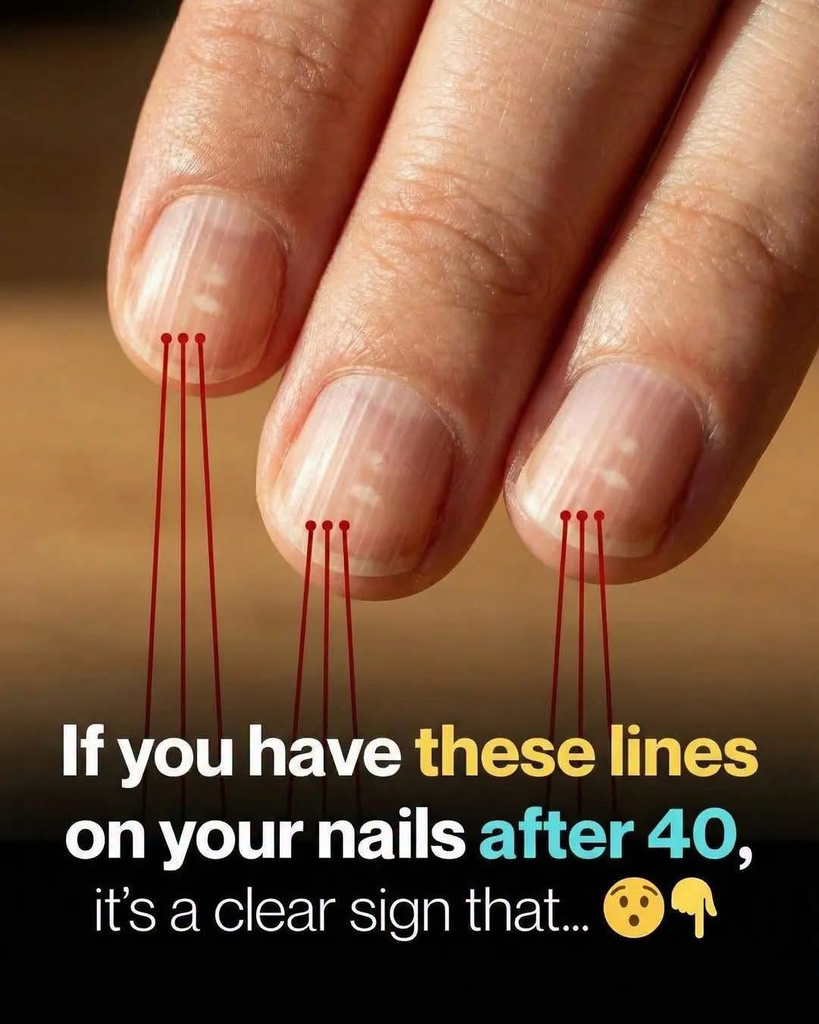
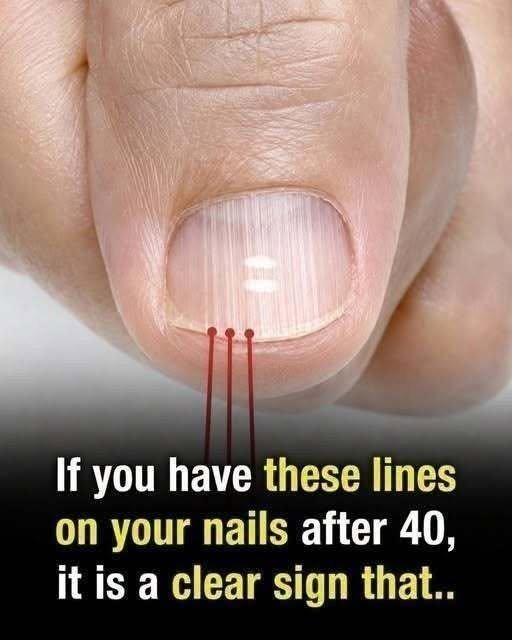
The lines that run from the cuticle to the tip of the nail are called longitudinal ridges, or vertical nail ridges. They are among the most common nail changes associated with aging, and leading medical authorities are unequivocal in their assessment. The Mayo Clinic describes vertical nail ridges as “fairly common and nothing to worry about,” noting that they become more numerous or prominent with age because of changes in cell turnover within the nail. The Cleveland Clinic similarly lists normal aging as a primary cause of vertical ridges, emphasizing that these lines are not dangerous.
The mechanism behind this change is a gradual decline in the uniformity of nail cell production. As the nail matrix ages, it no longer extrudes keratin cells at a perfectly even rate across the entire width of the nail. The result is a series of subtle, parallel grooves that become more noticeable over time. This process is not a disease; it is a normal part of the aging of the integumentary system, much like the appearance of fine lines on the skin or the graying of hair.
What Vertical Ridges Do Not Mean
The persistence of internet claims linking vertical ridges to liver disease, kidney failure, or severe nutritional deficiencies has created widespread anxiety. These claims are not supported by dermatological evidence. The National Cancer Institute notes that vertical ridges “are usually not associated with underlying disorders and tend to become more pronounced with age”. When vertical ridges appear alongside other symptoms—such as brittle nails, hair loss, fatigue, or unexplained weight changes—they may be part of a broader clinical picture that warrants investigation. But in isolation, on otherwise healthy nails, they are a cosmetic variation rather than a diagnostic clue.
When Vertical Ridges Are Not Just Aging
There are circumstances in which vertical ridges can be a manifestation of an underlying condition. Iron deficiency anemia is associated with vertical stripes on the nails and, in more advanced cases, with koilonychia—spoon-shaped nails that curve inward. Hypothyroidism can produce brittle nails with vertical ridges, slowed growth, and a tendency for the nail to lift from the nail bed. Skin conditions such as eczema and psoriasis can also affect the nail matrix and contribute to ridging. Rheumatoid arthritis of the finger joints has been linked to vertical ridging, and eating disorders that compromise nutrition may also play a role.
The distinction between benign age-related ridges and ridges that signal a health issue lies in context. Age-related ridges develop gradually, affect multiple nails symmetrically, and are not accompanied by other symptoms. Ridges associated with systemic illness often appear suddenly, worsen rapidly, affect only one or a few nails asymmetrically, or are accompanied by changes in nail color, thickness, or shape. This distinction is the foundation of sensible nail observation: notice patterns, not isolated features.
White Spots on Nails: Debunking the Calcium and Zinc Myth
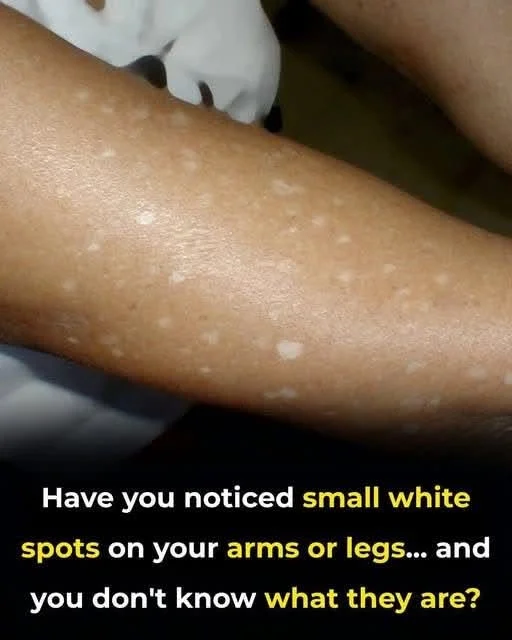
The small white flecks that appear on fingernails are known medically as leukonychia punctata. They are extraordinarily common, and they are almost never a sign of nutritional deficiency. Despite the widespread belief that white spots indicate a lack of calcium or zinc, dermatological research has repeatedly failed to find evidence supporting this connection. As Dr. Andrew Weil’s health resource notes, “There is no evidence that they are due to a calcium or zinc deficiency, as is widely believed”. The patient information resource Skin-Diseases.eu is equally direct: “You often read online that white spots on the nail are caused by a calcium or zinc deficiency, but that’s not true. Research has been conducted on people with white spots on their nails, and they didn’t have a calcium or zinc deficiency”.
The Real Cause: Minor Trauma
The true origin of most white spots is surprisingly mundane. They are the result of minor trauma to the nail matrix, the area at the base of the nail where new nail cells are formed. When the matrix is subjected to a small injury—banging the finger against a surface, typing forcefully, or even a vigorous manicure—the production of keratin cells is temporarily disrupted. Air pockets or incomplete keratinization become trapped within the nail plate as it grows out, appearing as white dots or flecks.
Because nails grow slowly, the injury that caused a white spot may have occurred weeks or even months before the spot becomes visible. By the time it appears near the tip of the nail, the original bump or knock has long been forgotten. This delay is why white spots seem to appear “out of nowhere” and why people often struggle to recall any injury. The good news is that leukonychia from minor trauma is harmless and will disappear as the nail grows out, a process that can take up to eight months for a fingernail.
Other Causes and the Importance of Context
While trauma accounts for the vast majority of white spots, other factors can contribute. Allergic reactions to nail cosmetics, such as nail polish or hardeners, can cause localized leukonychia. Minor infections may also produce white discoloration. In rare cases, systemic conditions—including certain medications, kidney disease, or liver disease—can cause more extensive white discoloration, but these presentations differ significantly from the isolated white flecks that most people experience. True systemic leukonychia typically involves broader bands or entire nail whitening, not discrete dots.
The clinical context matters enormously. A single white spot on one nail in an otherwise healthy person is overwhelmingly likely to be benign. Multiple white spots appearing simultaneously across many nails, or white discoloration accompanied by other symptoms such as fatigue, jaundice, or swelling, warrants medical attention. But the isolated white fleck that appears on a thumbnail after an unnoticed bump is not a reason for concern.
Other Nail Changes After 40 That Deserve Attention
While vertical ridges and white spots are generally benign, the aging nail can exhibit other changes that carry greater clinical significance. Distinguishing these from normal aging is essential for timely and appropriate medical care.
Horizontal Ridges and Beau’s Lines
Unlike vertical ridges, horizontal depressions across the nail are more likely to indicate a systemic event. These are known as Beau’s lines, and they occur when nail growth is temporarily halted by severe illness, high fever, chemotherapy, major surgery, or significant psychological stress. As the nail resumes growth, a transverse groove is left behind, marking the period of interruption. Beau’s lines can appear on all nails simultaneously, reflecting a systemic cause, or on a single nail after local trauma. Their presence is a historical record of a past physiological disturbance, and they grow out over time. However, recurrent or unexplained Beau’s lines should be evaluated by a physician.
Nail Pitting and Psoriasis
Small, shallow depressions on the nail surface, resembling the marks left by a tiny ice pick, are called pitting. Pitting is strongly associated with psoriasis, a chronic inflammatory skin condition. Up to 70 percent of people with psoriasis experience nail involvement, and pitting is the most common finding. Pitting can also occur in eczema and alopecia areata. The significance of nail pitting extends beyond the nail itself: in people with psoriasis, nail changes are associated with a higher likelihood of psoriatic arthritis, a condition that causes joint inflammation and damage. Dermatologists therefore view nail pitting in a patient with psoriasis as a prompt to investigate joint health.
Koilonychia and Iron Deficiency
Spoon-shaped nails, medically termed koilonychia, represent a structural abnormality in which the nail plate becomes thin and concave, capable of holding a drop of water. Koilonychia is classically associated with iron deficiency anemia, though it can also occur in hemochromatosis, Raynaud’s disease, and other conditions. The nail changes of iron deficiency may begin with brittleness and vertical ridging before progressing to the characteristic spoon shape. Koilonychia is not a normal aging change and should prompt an evaluation for underlying causes.
Pigmented Streaks and Melanoma
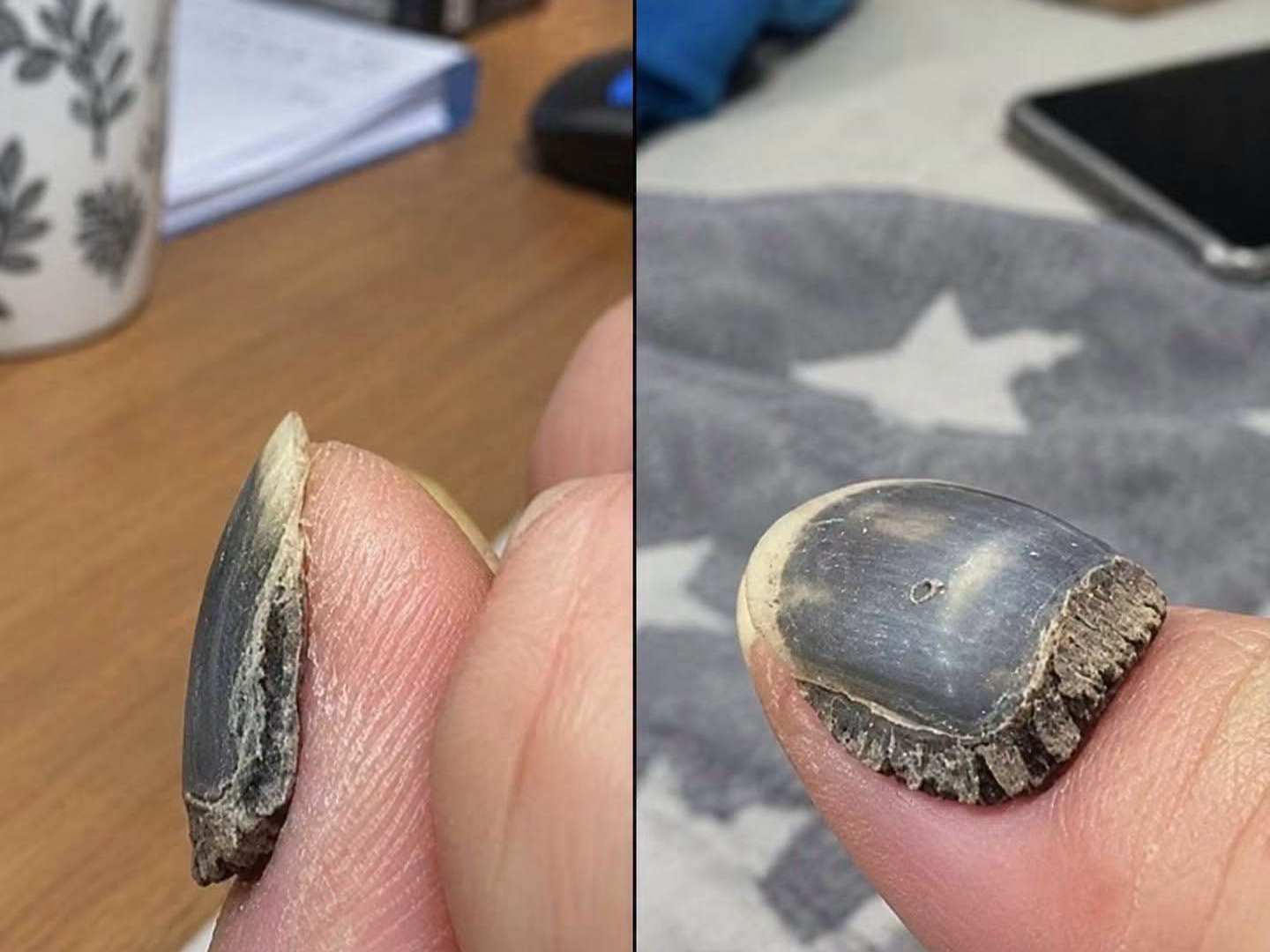
The most serious nail finding is a new, dark streak running longitudinally from the cuticle to the tip of the nail. This is known as longitudinal melanonychia. While many such streaks are benign, a new or changing dark band—particularly one that is dark brown or black, involves a single nail, and occupies more than half the nail’s width—must be evaluated to rule out subungual melanoma, a rare but dangerous form of skin cancer. A particularly worrisome sign is the Hutchinson sign, in which the pigmentation extends beyond the nail onto the surrounding cuticle or nail fold. Any new pigmented streak on a nail, especially in a person over 40, warrants prompt dermatological assessment.
Clubbing and Systemic Disease
Clubbing refers to a bulbous enlargement of the fingertip with an increased curvature of the nail. It is not a normal aging change. Clubbing is associated with chronic lung disease, inflammatory bowel disease, liver disease, and certain heart conditions. The nail becomes excessively curved and the angle between the nail and the proximal nail fold increases. Clubbing often develops gradually and may be painless, but its presence should prompt a medical evaluation for underlying systemic illness.
When to See a Doctor: Red Flags for Nail Health
The vast majority of nail changes in people over 40 are benign. However, certain features should prompt a medical consultation. Dermatologists recommend seeking evaluation for persistent or worsening nail changes, pain or swelling around the nail, signs of infection such as redness, heat, or pus, and dark streaks that do not follow a known injury. Any nail problem that is painful, worsening, or chronic—lasting more than six weeks—deserves professional attention.
The following findings are particularly concerning and warrant prompt evaluation by a dermatologist or physician:
A new dark streak or band on a single nail, especially if it is changing or associated with pigmentation of the surrounding skin.
Sudden or rapidly worsening vertical or horizontal ridges.
Nail separation from the nail bed (onycholysis) without an obvious cause.
Thickening, crumbling, or discoloration of the nail that does not improve.
Pain, swelling, or discharge around the nail.
Changes in nail shape, such as clubbing or spooning.
White discoloration that involves the entire nail or multiple nails simultaneously.
Nail changes accompanied by systemic symptoms such as fatigue, weight loss, fever, or joint pain.
A dermatologist can examine the nail with magnification, perform dermoscopy, and if necessary, obtain a nail clipping or biopsy to establish a diagnosis. Early evaluation of suspicious nail changes is important because some conditions, including subungual melanoma, are far more treatable when detected early.
Caring for Aging Nails: Practical Guidance
While vertical ridges and white spots cannot be prevented entirely, sensible nail care can minimize brittleness, reduce the risk of trauma, and maintain the overall health and appearance of aging nails.
Moisturize Regularly
Aging nails become drier and more brittle. Regular application of a moisturizing hand cream or cuticle oil helps maintain nail flexibility and reduces splitting. Ingredients such as glycerin, urea, and petroleum-based ointments are particularly effective at drawing moisture into the nail and sealing it there. Moisturizing should be part of a daily routine, especially after washing hands or exposing the hands to water.
Protect the Hands
Repeated exposure to water and household chemicals weakens the nail plate. Wearing rubber gloves when washing dishes or using cleaning products protects both the skin and the nails. Nails should not be used as tools for opening packages, prying objects, or scraping surfaces; these habits cause microtrauma to the nail matrix and contribute to ridges, white spots, and nail separation.
Trim Carefully
Fingernails should be cut straight across and the edges rounded gently with a file. Filing the surface of the nail should be avoided, as it thins the nail plate and makes it more prone to splitting. Toenails should be cut straight across to prevent ingrown nails. People with diabetes or peripheral vascular disease should take particular care with toenail trimming and may benefit from professional foot care to prevent complications.
Limit Aggressive Manicures
While nail cosmetics are generally safe, frequent use of gel manicures, acrylics, and harsh acetone removers can damage the nail matrix and contribute to brittleness and ridging. Giving nails periodic breaks from polish and using gentler, acetone-free removers can help preserve nail health. Cuticles should not be cut; they serve as a protective seal against infection and should be left intact.
Consider Nutritional Support
A balanced diet supports nail health, but supplements are not a panacea. Biotin has some evidence for strengthening brittle nails, though it is not effective for everyone and can interfere with certain laboratory tests. Iron deficiency should be diagnosed and treated by a physician rather than assumed, and calcium or zinc supplementation is not indicated for isolated white spots. Anyone considering supplements for nail health should discuss the risks and benefits with a healthcare provider.
Conclusion: Reassurance Grounded in Evidence
The viral warning that vertical ridges or white spots on nails after 40 signify a hidden health crisis is not supported by medical evidence. Vertical ridges are a normal, almost universal consequence of aging, caused by subtle changes in the uniformity of nail cell production. White spots are overwhelmingly the result of minor, often forgotten trauma to the nail matrix. Neither finding, in isolation, indicates a nutritional deficiency, liver disease, or any other serious condition.
This is not to say that nails should be ignored. The nails can provide genuine clues to underlying health, and certain changes—new dark streaks, horizontal ridges, pitting, spooning, clubbing, or persistent discoloration—deserve professional evaluation. The key is to distinguish between the benign changes of aging and the warning signs of disease, and to seek care when the pattern suggests something more than the passage of time.
For most people over 40, the lines and spots on their nails are simply part of the body’s natural history. They are a reminder that the body changes with age, not a diagnosis of hidden illness. With sensible care, regular observation, and a willingness to consult a dermatologist when something genuinely unusual appears, it is possible to maintain healthy, functional nails—and peace of mind—well into later life.
Frequently Asked Questions
Are vertical ridges on nails a sign of liver disease?
No. The claim that vertical nail ridges indicate liver disease is a persistent internet myth. Leading medical authorities, including the Mayo Clinic and the Cleveland Clinic, state that vertical ridges are usually harmless and become more prominent with age due to changes in cell turnover. They are not a recognized marker of liver disease.
Do white spots on nails mean I am deficient in calcium or zinc?
There is no scientific evidence that isolated white spots on nails are caused by calcium or zinc deficiency. Research has repeatedly failed to find a link. The vast majority of white spots are caused by minor trauma to the nail matrix, and they grow out naturally over several months.
Can vertical ridges be prevented?
Age-related vertical ridges cannot be prevented, as they are a normal part of the aging process. However, keeping nails moisturized, avoiding trauma, and protecting the hands from harsh chemicals can help maintain overall nail health and minimize brittleness. If ridges appear suddenly or are accompanied by other symptoms, a medical evaluation is appropriate.
When should I worry about a dark streak on my nail?
A new or changing dark streak on a single nail should always be evaluated by a dermatologist. While many pigmented streaks are benign, subungual melanoma can present as a longitudinal dark band. Warning signs include a streak that is dark brown or black, widens over time, involves the surrounding skin (Hutchinson sign), or appears without a history of injury.
Why do my nails become more brittle after 40?
Aging reduces the moisture content and elasticity of the nail plate, and the rate of nail growth slows. The nail matrix produces cells less uniformly, and years of exposure to water, chemicals, and minor trauma accumulate. Brittleness is also associated with thyroid disorders, iron deficiency, and certain medications, so persistent or severe brittleness should be evaluated.
Are horizontal ridges more serious than vertical ridges?
Generally, yes. Vertical ridges are usually a benign age-related change. Horizontal ridges, known as Beau’s lines, indicate a temporary interruption in nail growth caused by severe illness, chemotherapy, major stress, or trauma. They can be a sign of a significant past health event and should be discussed with a physician if the cause is unclear.
What does nail pitting indicate?
Nail pitting—small, shallow depressions on the nail surface—is most commonly associated with psoriasis. It can also occur in eczema and alopecia areata. In people with psoriasis, nail pitting is associated with a higher risk of psoriatic arthritis, so it warrants medical evaluation.
Can I use nail polish if I have vertical ridges?
Yes. Nail polish can be used cosmetically to minimize the appearance of ridges. However, frequent use of harsh polish removers and gel manicures can damage the nail. It is advisable to use gentler, acetone-free removers, give nails periodic breaks from polish, and avoid cutting the cuticles.