If You Have These Lines on Your Nails After 40, It Is a Clear Sign That…
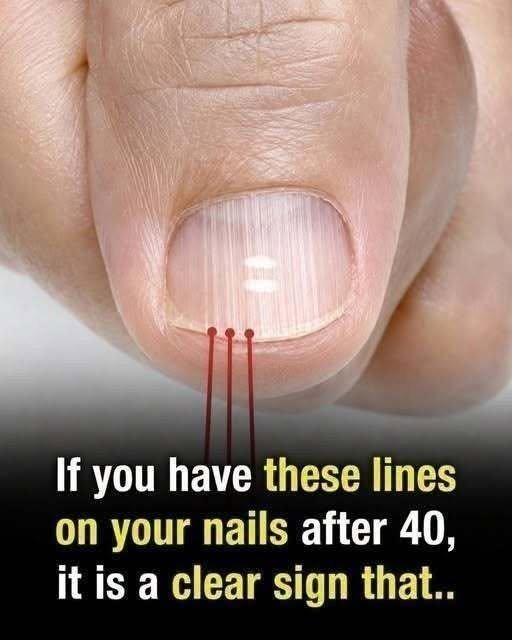
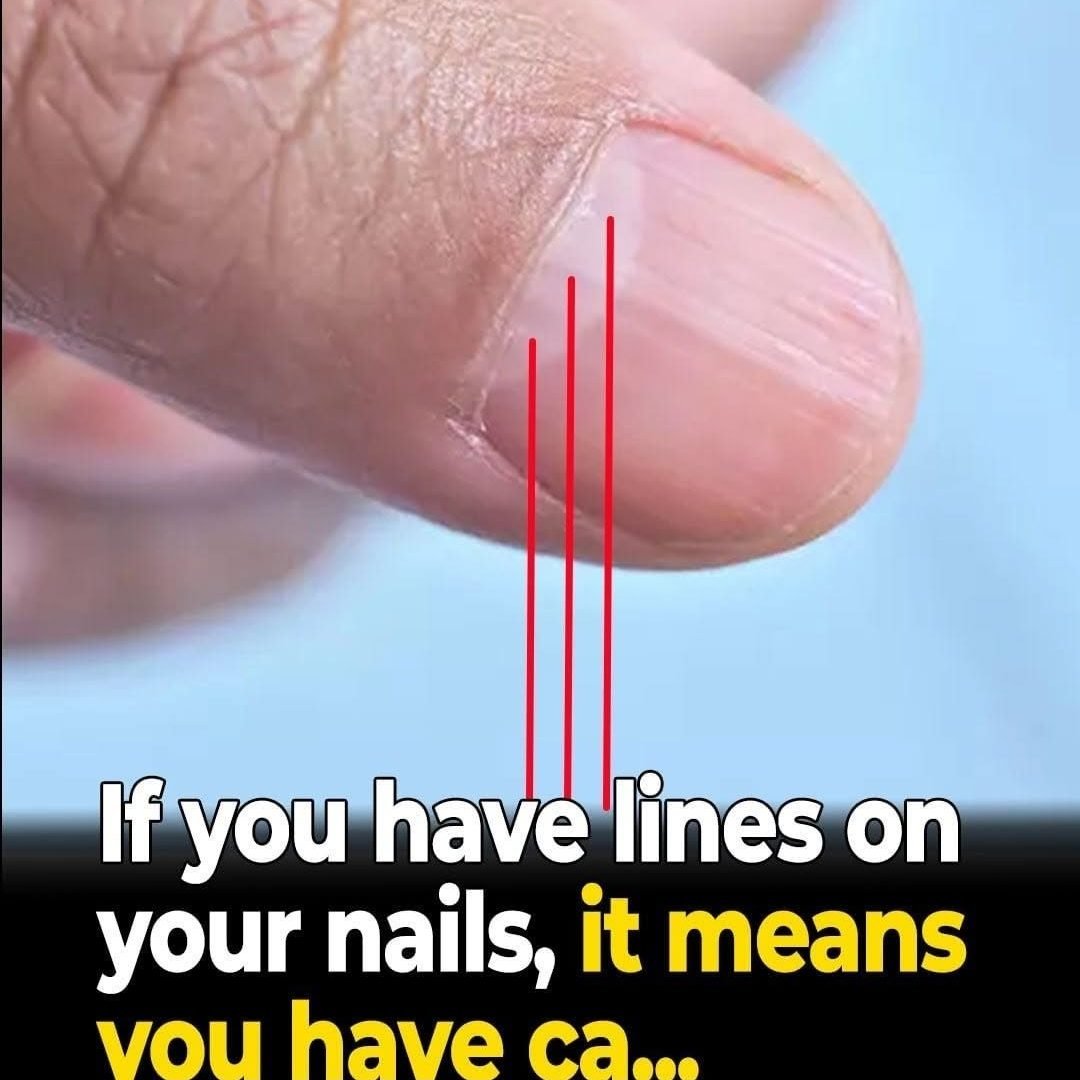
Many people notice changes in their fingernails as they get older. One of the most common concerns is the appearance of vertical ridges running from the cuticle to the tip of the nail. The image shows a thumb with prominent vertical lines, and if you have these lines after the age of 40, it is a clear sign that your body is going through the natural aging process. These lines are known as longitudinal ridges, and they are usually harmless.
What Causes These Vertical Lines
Longitudinal ridges develop when the nail matrix, which is the area under the cuticle where the nail grows, begins to produce cells less evenly. This uneven growth creates visible ridges on the surface of the nail. As we age, the skin and nails naturally lose moisture and elasticity, which makes these ridges more pronounced. Genetics also play a role, so if your parents had ridged nails, you are more likely to develop them as well.
Other Factors That Contribute to Nail Ridges
While aging is the most common cause, other factors can make these lines worse. Dry skin and frequent exposure to water or harsh chemicals can strip the nails of their natural oils. Nutritional deficiencies, particularly in iron, zinc, or vitamin A, can also affect nail health. In some cases, medical conditions such as thyroid disorders or autoimmune diseases may be linked to nail changes, though this is less common.
When to See a Doctor
For most people, vertical ridges are simply a cosmetic concern and do not require treatment. However, you should consult a healthcare professional if you notice other changes along with the ridges. These include discoloration, thickening of the nail, splitting, or pain. Horizontal ridges, also known as Beau’s lines, can sometimes indicate a more serious health issue and should be evaluated by a doctor.
How to Care for Ridged Nails
While you cannot reverse the aging process, there are steps you can take to keep your nails looking their best. Moisturizing your hands and nails regularly with a good cream can help. Using a nail buffer gently can smooth the surface, but be careful not to overdo it, as this can weaken the nail. Eating a balanced diet rich in vitamins and minerals supports overall nail health. Keeping your nails trimmed and avoiding harsh nail products can also help prevent further damage.
Final Thoughts
Vertical lines on your nails after 40 are a normal part of getting older. They are not a sign of a serious illness in most cases. By taking good care of your nails and paying attention to any other changes, you can keep them healthy and strong. If you are ever concerned about your nail health, do not hesitate to speak with a doctor or dermatologist.