Hygiene After 65: The Ideal Shower Frequency for Healthy Aging Skin
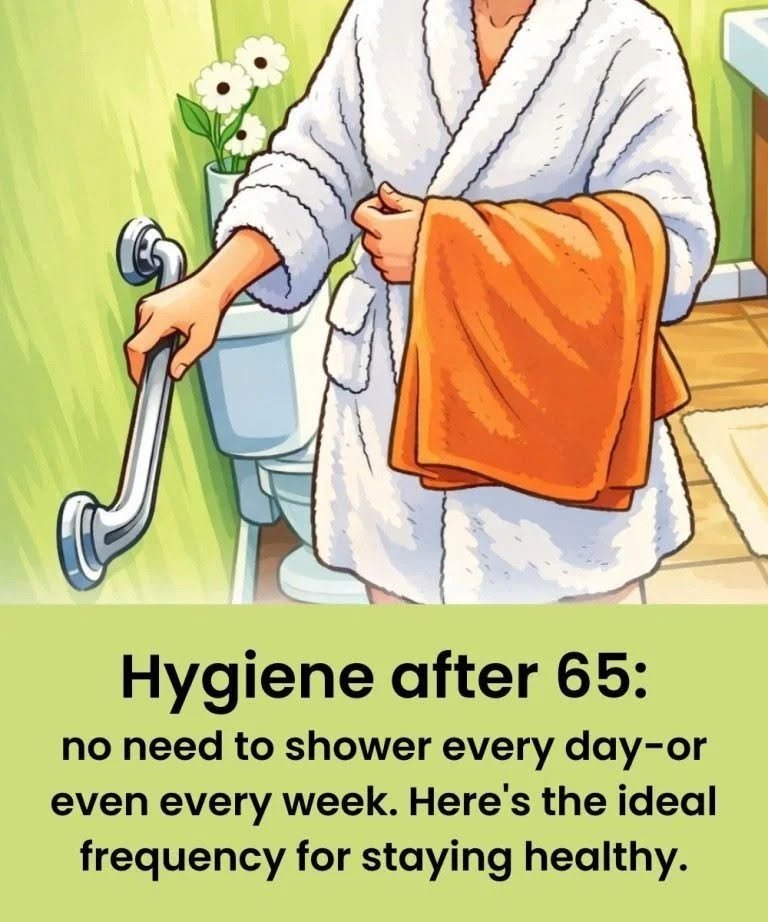
As we age, our bodies undergo a multitude of changes, and our daily routines must adapt to accommodate them. One area that often sparks debate, confusion, and even a bit of anxiety among older adults is personal hygiene. A viral social media image recently highlighted this topic with a provocative claim: “Hygiene after 65: no need to shower every day—or even every week. Here’s the ideal frequency for staying healthy.”
For generations, we were taught that a daily shower is the gold standard of cleanliness. However, for seniors, the rules of hygiene are not so black and white. The claim that older adults can go a week or more without showering is a significant exaggeration, but the underlying premise—that daily showers are not always necessary—is actually supported by dermatologists and geriatricians.
The truth lies in finding a personalized balance. Over-washing can strip the skin of essential oils, leading to severe dryness, itching, and infections. Under-washing can lead to body odor, skin irritation, and an increased risk of skin breakdown. Furthermore, the bathroom itself can be a hazardous environment for those with mobility issues.
This comprehensive guide will explore the science of aging skin, debunk the extreme parts of the viral claim, determine the ideal showering frequency for older adults, and provide practical, safety-focused tips for maintaining excellent hygiene without compromising skin health.
Why Aging Skin Requires a Different Approach to Hygiene
To understand why the “daily shower” rule doesn’t apply to everyone over 65, you must first understand what happens to the skin as it ages. The skin is the largest organ in the body, and it undergoes significant structural changes over time.
1. Thinning and Loss of Elasticity
As we age, the epidermis (the outer layer of skin) thins, and the dermis (the middle layer) loses collagen and elastin. This makes the skin more fragile and susceptible to tears, bruising, and damage from friction.
2. Decreased Natural Oil Production
Sebaceous glands, which produce sebum (the skin’s natural oil), become less active with age. This reduction in oil production means older skin is naturally drier. Frequent showering, especially with hot water, strips away what little oil remains, compromising the skin’s moisture barrier.
3. Slower Cell Turnover
The process by which old skin cells are shed and replaced slows down. This can lead to a buildup of dead skin cells, which can cause flaking, rough texture, and a dull appearance.
4. Compromised Skin Barrier
The skin’s pH becomes more alkaline with age, weakening its ability to fight off bacteria and environmental irritants. A compromised barrier makes older adults more prone to conditions like eczema, dermatitis, and skin infections.
Addressing the Viral Claim: Daily vs. Weekly Showers
The viral post suggests that seniors do not need to shower daily—which is often true—but it also suggests they can go without showering “even every week,” which is generally not advisable.
The Myth of the Daily Shower
The daily shower is largely a cultural habit rather than a medical necessity. For a sedentary older adult who does not sweat heavily, showering every single day is not required. In fact, for those with very dry or sensitive skin, daily showering can be actively harmful, leading to a condition known as “winter itch” or asteatotic eczema, where the skin becomes cracked and inflamed.
Why Going a Full Week is Too Long
However, going a full week without bathing is too infrequent for the vast majority of older adults. As we age, the body’s ability to regulate temperature and sweat changes, and the risk of skin infections in areas like skin folds (under the breasts, in the groin, or under the arms) increases. Furthermore, many older adults deal with incontinence, which requires regular cleansing to prevent urinary tract infections (UTIs) and severe skin irritation. Body odor can also become more pronounced due to changes in the skin microbiome.
The Ideal Shower Frequency After 65
So, what is the sweet spot? Dermatologists and geriatric care experts generally recommend that older adults shower two to three times per week.
This frequency is usually sufficient to keep the body clean, remove dead skin cells, and manage body odor while preserving the skin’s natural oils.
The “Pits and Bits” Approach
On the days between full showers, seniors can practice “spot washing” or a “sponge bath.” This involves using a warm, damp washcloth to clean the face, underarms, groin area, and feet. These are the areas that produce the most sweat and harbor the most bacteria. Spot washing helps maintain hygiene and freshness without drying out the rest of the body.
Factors That Should Increase Shower Frequency
The 2-3 times per week rule is a baseline. You should shower more frequently if you:
Sweat heavily: If it is a hot summer day or you have been physically active.
Experience incontinence: You should cleanse the area thoroughly after any episode of incontinence.
Have a skin condition: Certain conditions require specific cleansing routines as directed by a dermatologist.
Work up a sweat: Even light exercise that causes sweating warrants a rinse.
How to Shower Safely and Effectively After 65
The image above shows an older adult using a grab bar in the bathroom. This is a crucial detail, as the bathroom is one of the most dangerous rooms in the house for falls.
1. Prioritize Bathroom Safety
According to the CDC, more than one in four older adults falls each year, and the bathroom is a common location.
Install Grab Bars: As shown in the image, install sturdy grab bars near the toilet and inside the shower. Do not rely on towel racks, which will pull out of the wall.
Use a Non-Slip Mat: Place a non-slip mat inside the tub and a bath mat on the floor outside.
Consider a Shower Chair: If you have balance issues, a plastic shower chair or a transfer bench is essential. It allows you to sit while washing, drastically reducing the risk of slipping.
Keep the Floor Dry: Wipe up spills immediately.
2. Adjust the Water Temperature
Hot water feels soothing, but it is the enemy of aging skin. Hot water strips away natural oils and can cause dizziness or fainting due to a sudden drop in blood pressure. Use lukewarm or warm water (around 98°F to 105°F).
3. Choose the Right Cleanser
The soap you use matters. Many commercial soaps are highly alkaline and contain harsh fragrances that disrupt the skin barrier.
Avoid: Antibacterial soaps (unless specifically instructed by a doctor) and heavily perfumed bar soaps.
Choose: Gentle, fragrance-free, pH-balanced cleansers, or moisturizing body washes. These products clean the skin without stripping it.
4. Keep Showers Short
Limit showers to 5 to 10 minutes. Prolonged exposure to water, even lukewarm water, can leach moisture from the skin.
5. The “3-Minute Rule” for Moisturizing
This is the most important step for older skin. As soon as you step out of the shower, gently pat yourself dry (do not rub vigorously with a towel). While the skin is still slightly damp, apply a thick, fragrance-free moisturizer (like a cream or an ointment) within three minutes. This traps the water in the skin and helps restore the skin barrier.
Special Considerations for Older Adults
Managing Incontinence
If you or a loved one struggles with incontinence, regular bathing is non-negotiable for preventing UTIs and skin breakdown (diaper dermatitis). Use a gentle, no-rinse cleanser or barrier creams after each episode.
Cognitive Decline
For older adults with dementia or Alzheimer’s, bathing can become a source of fear, confusion, or combativeness. It is important to maintain a calm environment, keep the routine consistent, use a shower chair, and perhaps use a hand-held showerhead to give them a sense of control.
Mobility Limitations
If getting into a tub is impossible, a walk-in shower or a walk-in tub may be necessary. If neither is available, sponge baths in bed are a highly effective alternative.
Frequently Asked Questions
Q: Is it really okay to skip a day or two of showering after 65? Yes. For most healthy, sedentary older adults, showering every other day or three times a week is perfectly fine and often better for the skin. On “off” days, spot-wash the face, underarms, and groin area.
Q: Why does my skin itch so much after I shower? Itching after a shower is usually a sign that the skin is too dry or that the water is too hot. It could also be a reaction to harsh soaps. Try lowering the water temperature, shortening the shower, using a gentle cleanser, and applying moisturizer immediately after drying off.
Q: Is a bath better than a shower for older adults? Showers are generally safer than baths because they reduce the risk of slipping and falling when getting in and out of the tub. However, if you use a bath, ensure you have a bath mat, grab bars, and a bath chair.
Q: How often should I wash my hair? Hair washing frequency depends on the individual. Many older adults find that washing their hair once or twice a week is sufficient, as aging hair tends to become drier and produces less oil.
Q: What are the signs of a skin infection I should look out for? Look for redness, warmth, swelling, pain, or a foul odor in the skin folds. If you notice these signs, especially in the groin, under the breasts, or in skin folds, contact a healthcare provider.
Conclusion
The viral claim that seniors don’t need to shower every day is rooted in a genuine biological truth: aging skin requires a gentler, more moisturizing approach than younger skin. However, the idea that one can go a full week without bathing is a step too far and can lead to hygiene-related health issues.
The ideal approach for adults over 65 is a balanced one. Aim for a full shower two to three times per week, supplemented by daily spot-washing of the face, underarms, and groin. Prioritize safety in the bathroom with grab bars and non-slip mats, use lukewarm water, and never skip the crucial step of moisturizing immediately after patting dry. By tailoring your hygiene routine to the needs of aging skin, you can stay clean, comfortable, and healthy for years to come.