Not Every Day, Not Even Once a Week: What Is the Ideal Shower Frequency After Age 65?
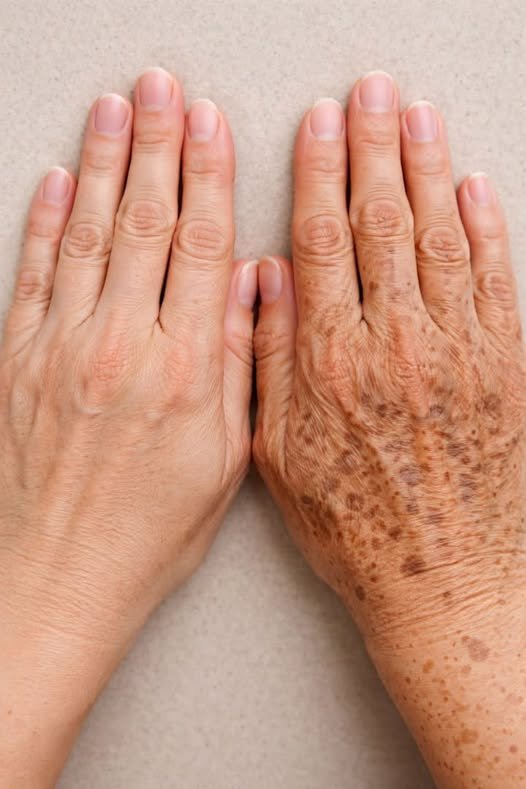
As we age, our skin changes. It becomes thinner, drier, and more fragile. Because of these changes, the showering habits that worked for you in your 20s, 30s, and 40s may not be the best for you after age 65.
So, what is the ideal shower frequency for seniors? The answer might surprise you.
Disclaimer: This post is for informational purposes only and is not a substitute for professional medical advice. Always consult your healthcare provider or dermatologist for personalized advice.
🔬 What Is the Ideal Shower Frequency After 65?
The short answer: For most healthy seniors, 2 to 3 times per week is sufficient for full-body showers. However, this can vary based on your activity level, health conditions, and personal comfort.
Why less frequent showers can be better:
Skin becomes drier with age: As we age, our skin produces less oil and loses its ability to retain moisture. Showering too often — especially with hot water and harsh soaps — strips away the natural oils that protect your skin.
Risk of skin irritation: Over-showering can lead to dry, itchy, and cracked skin, which can increase the risk of infections.
Risk of falls: The bathroom is a common place for falls among seniors. Reducing shower frequency can reduce the time spent in a slippery environment.
What about “spot cleaning”? Even on days you don’t take a full shower, it’s important to keep certain areas clean. Wash your face, underarms, groin, and feet daily with a warm washcloth. This helps prevent odor and keeps you feeling fresh.
When should you shower more often?
If you sweat heavily: After exercise or in hot weather, a quick rinse is a good idea.
If you have incontinence: You may need to shower more frequently to prevent skin irritation and infections.
If you have a skin condition: Follow your dermatologist’s advice.
💡 Tips for Healthier Showers After 65
Use lukewarm water: Hot water strips oils. Lukewarm is gentler on the skin.
Keep it short: 5–10 minutes is enough.
Use a gentle, fragrance-free cleanser: Avoid harsh soaps and antibacterial products.
Pat dry, don’t rub: Use a soft towel and pat your skin dry.
Moisturize immediately: Apply a thick moisturizer within 3 minutes of showering to lock in moisture.
Install safety features: Grab bars, non-slip mats, and a shower chair can prevent falls.
Consider a handheld showerhead: It makes cleaning easier and safer.
❓ Frequently Asked Questions
Is it okay for a 65-year-old to shower every day? It can be, but it’s not necessary for everyone. If you have dry or sensitive skin, showering every other day or 2–3 times a week may be better.
How often should seniors shower? For most healthy seniors, 2–3 times per week is sufficient. Spot cleaning daily is recommended.
Why is showering too often bad for older adults? It strips the skin of natural oils, leading to dryness, itching, and an increased risk of skin infections.
What is the best way to stay clean between showers? Wash your face, underarms, groin, and feet daily with a warm washcloth.
Should seniors use soap all over their body? No — focus on the areas that need it most (underarms, groin, feet). Use a gentle cleanser and avoid harsh soaps.
How can I prevent falls in the shower? Install grab bars, use a non-slip mat, consider a shower chair, and keep the bathroom well-lit.
What if I have incontinence? You may need to shower more frequently to prevent skin irritation and infections. Consult your doctor.
Does showering frequency change with age? Yes — many older adults naturally produce less sweat and oil, so they may not need to shower as often. However, this varies by person.
What is the best water temperature for seniors? Lukewarm water is best. Hot water can dry out the skin and cause dizziness.
Should I moisturize after every shower? Yes — apply a thick moisturizer within 3 minutes of patting dry to lock in moisture.