Night Leg Cramps: What Your Body May Be Warning You About—and How to Find Relief
A sudden, searing pain in the calf can pull you out of deep sleep in an instant. The muscle tightens into a hard knot, the foot may twist inward, and even though the cramp often lasts only seconds or minutes, the soreness can linger for hours. If this happens often, it is natural to wonder whether your body is trying to tell you something. Nocturnal leg cramps—sometimes called night cramps or “charley horses”—are common, especially as people get older, but frequent episodes deserve attention. They can be harmless, but they can also be linked to dehydration, electrolyte imbalances, medication side effects, nerve problems, circulation issues, or other health conditions.
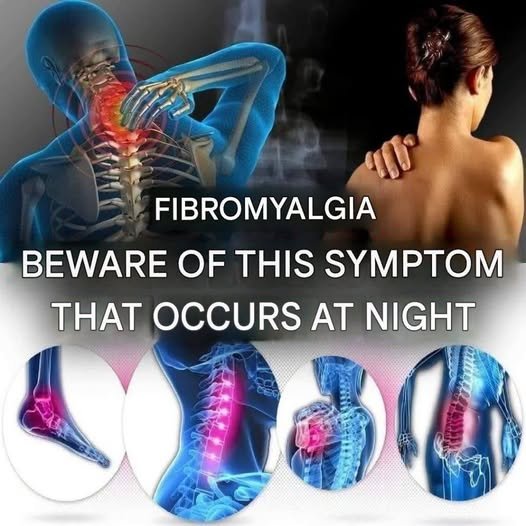
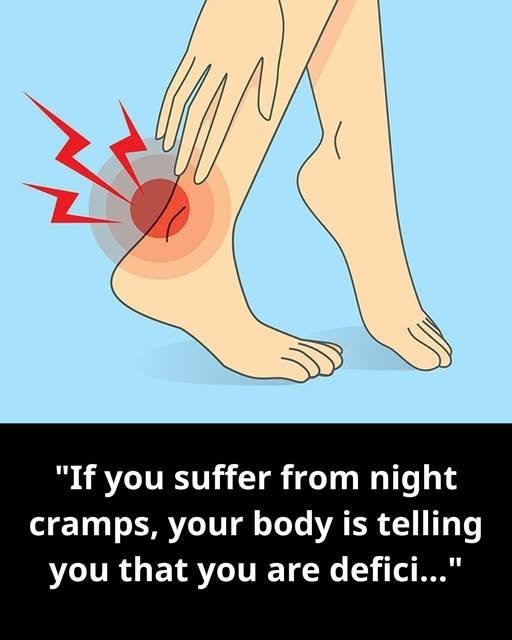
The image of an older adult gripping their leg in pain captures how disruptive night cramps can be. The inset showing tense toes and a cramped foot highlights the way the entire lower leg and foot can become involved. The message “your body may be warning you” is a useful prompt to look beyond the immediate pain. A cramp is not a diagnosis. It is a symptom, and the goal is to understand why it keeps happening and what can be done to prevent it.
This guide explains what night leg cramps are, the most common causes, the warning signs that require medical attention, practical ways to stop a cramp when it starts, and evidence-based strategies for prevention. It also covers the difference between leg cramps and restless legs syndrome, the role of medications, and the lifestyle habits that support healthy muscles and circulation.
What Are Nocturnal Leg Cramps?
A leg cramp is an involuntary, sudden, and forceful contraction of a muscle or group of muscles. Nocturnal leg cramps occur at night or during rest and most often affect the calf, though the foot and thigh can also be involved. The muscle may feel visibly hard or bunched, and the pain can be intense enough to make you cry out or jump out of bed. After the cramp releases, the muscle may remain tender, and the skin may feel sore to the touch.
Night cramps are different from exercise-associated cramps, which happen during or immediately after physical activity. They are also different from restless legs syndrome, a neurological condition that causes an uncomfortable urge to move the legs, usually in the evening. Restless legs syndrome is not typically painful in the same way, and movement provides temporary relief. A night cramp is a discrete, painful muscle contraction that usually resolves with stretching.
Why Do Leg Cramps Happen at Night?
The exact mechanism behind nocturnal leg cramps is not fully understood, but several factors are known to contribute. Muscles rely on a careful balance of electrolytes, hydration, blood flow, nerve signals, and energy. When one or more of these systems is disrupted, the muscle can contract involuntarily.
At night, the body is at rest. Circulation may slow, body temperature may drop, and muscles may be held in shortened positions for long periods. People who sleep with their toes pointed or their knees slightly bent may place the calf in a shortened position, which can predispose the muscle to cramp. Dehydration and electrolyte imbalances can make muscles more excitable. Nerve dysfunction can cause abnormal signals that trigger contractions. Medications can affect fluid balance, nerve function, or muscle activity.
Common Causes and Contributing Factors
Dehydration and Electrolyte Imbalance
Muscles depend on sodium, potassium, calcium, and magnesium to contract and relax properly. When you are dehydrated, the concentration of electrolytes in the body changes, and muscles may become more prone to cramping. This is especially common in hot weather, after sweating heavily, during illness with vomiting or diarrhea, or when fluid intake is low. Diuretics and some other medications can increase fluid loss and alter electrolyte levels.
Muscle Fatigue and Overuse
Exercise, prolonged standing, or unusual physical activity can fatigue the muscles and make them more likely to cramp at night. This is particularly common after starting a new exercise routine, walking or hiking more than usual, or spending a long day on your feet. Muscle fatigue can disrupt the normal coordination of contraction and relaxation.
Prolonged Sitting or Poor Sleeping Position
Sitting for long periods can reduce circulation and shorten the calf muscles. Sleeping with the feet pointed downward or the legs curled can hold the calf in a shortened position for hours. When you move or stretch suddenly, the muscle may contract forcefully.
Pregnancy
Leg cramps are common during pregnancy, especially in the second and third trimesters. The reasons are not completely understood, but changes in circulation, increased blood volume, fatigue, and mineral needs may play a role. Pregnancy-related cramps should be discussed with a healthcare provider, especially if they are severe or frequent.
Age-Related Changes
Night cramps become more common with age. Muscle mass and tendon elasticity change, circulation may be less efficient, and the risk of nerve and vascular conditions increases. Older adults may also be more likely to take medications that contribute to cramps.
Medications
Several medications can cause or worsen leg cramps. Diuretics can lead to fluid and electrolyte loss. Some blood pressure medications, beta-agonists used for asthma, and certain other drugs have been associated with cramps. Statins can cause muscle pain in some people, though the relationship with night cramps is not always straightforward. Never stop a medication without speaking to your doctor. If you suspect a medication is contributing, ask for a medication review.
Nerve Compression and Neurological Conditions
Nerve compression in the lower back, such as from a herniated disc or spinal stenosis, can cause pain, tingling, and cramps in the legs. Peripheral neuropathy, which can be caused by diabetes, alcohol use, vitamin deficiencies, or other conditions, can also lead to cramping and abnormal sensations. A cramp that is accompanied by numbness, weakness, or a burning sensation should be evaluated.
Circulation Problems
Peripheral artery disease (PAD) narrows the arteries that supply the legs, reducing blood flow. This can cause cramping or pain in the legs, especially during walking, but it can also contribute to nighttime symptoms. Varicose veins and venous insufficiency can cause heaviness, swelling, and discomfort in the legs. Circulation problems are more common in people with diabetes, high blood pressure, high cholesterol, or a history of smoking.
Kidney Disease and Other Medical Conditions
Kidney disease can disrupt electrolyte balance and fluid regulation, leading to cramps. Thyroid disorders, liver disease, and diabetes can also affect muscle and nerve function. Persistent or severe cramps should be discussed with a healthcare provider, especially if you have other symptoms.
Vitamin Deficiencies
Low levels of vitamin B12, vitamin D, magnesium, or potassium can contribute to muscle cramps and weakness. A blood test can identify deficiencies, but supplements should be used under medical guidance, especially if you have kidney disease or take other medications.
How to Stop a Night Cramp When It Starts
When a cramp strikes, the goal is to gently stretch the affected muscle and help it relax. Do not force the movement if it causes sharp pain. Move slowly and carefully.
Stretch the Calf
Sit up in bed and straighten the affected leg. Use a towel, sheet, or your hand to gently pull the toes toward your shin. You should feel a strong but tolerable stretch in the calf. Hold for a few seconds, release, and repeat until the cramp eases. If you cannot reach your foot, loop a towel around the ball of the foot and pull gently.
Stand and Lean Forward
If you can stand safely, place the affected foot flat on the floor and lean forward slightly, keeping the heel down. You can also stand facing a wall, place your hands on the wall, and step the affected leg back with the heel flat. Lean forward until you feel a stretch in the calf. Hold for 10 to 30 seconds.
Massage the Muscle
Gently massage the cramped muscle with your hands. Use slow, firm strokes from the ankle toward the knee. Massage can help increase circulation and encourage the muscle to relax.
Apply Warmth
A warm towel, heating pad, or warm shower can help relax the muscle. Heat increases blood flow and can soothe soreness. Be careful not to burn the skin, especially if you have reduced sensation or diabetes.
Walk Gently
Once the cramp releases, walk around slowly for a few minutes. Gentle movement can help restore normal circulation and reduce the chance of the cramp returning.
Preventing Night Leg Cramps
Prevention is often more effective than treatment. The following strategies address common contributors such as dehydration, muscle tightness, poor circulation, and sleeping position.
Stay Hydrated Throughout the Day
Drink water consistently rather than in large amounts right before bed. If you sweat heavily, exercise intensely, or are in a hot environment, you may need extra fluids and electrolytes. Avoid excessive alcohol and caffeine, especially in the evening, as both can contribute to dehydration and disrupt sleep.
Include Electrolyte-Rich Foods
Potassium, magnesium, and calcium are important for muscle function. Good sources include bananas, potatoes, spinach, beans, lentils, nuts, seeds, dairy products, and leafy greens. If you have kidney disease, ask your doctor before increasing potassium or magnesium intake.
Stretch Before Bed
Gentle stretching before sleep can reduce muscle tension and improve flexibility. A simple routine includes calf stretches, hamstring stretches, and ankle circles. Hold each stretch for 20 to 30 seconds without bouncing.
Warm Up and Cool Down
If you exercise, warm up before activity and cool down afterward. Gradually increase the intensity and duration of new exercise routines. Avoid sudden increases in walking or standing, especially if you are not used to them.
Adjust Your Sleeping Position
Try to avoid sleeping with your toes pointed downward. Loosen the sheets and blankets at the foot of the bed so your feet are not forced into a pointed position. Some people find it helpful to sleep on their side with a pillow between the knees. If you sleep on your back, a pillow under the knees may reduce strain on the calves.
Wear Supportive Footwear
Shoes with good arch support and a proper fit can reduce strain on the legs. Avoid wearing high heels or very flat, unsupportive shoes for long periods. If you have foot problems, consider orthopedic shoes or inserts.
Review Medications With Your Doctor
If you take diuretics, blood pressure medications, beta-agonists, or other drugs associated with cramps, ask your doctor or pharmacist for a medication review. Do not stop or change medications on your own. Your doctor may be able to adjust the dose, change the timing, or suggest an alternative.
Address Underlying Conditions
If you have diabetes, kidney disease, thyroid disease, peripheral artery disease, or nerve problems, work with your healthcare team to manage the condition. Good control of blood sugar, blood pressure, and cholesterol can reduce the risk of complications that contribute to cramps.
The Difference Between Night Cramps and Restless Legs Syndrome
Night cramps and restless legs syndrome (RLS) can both disrupt sleep, but they are different conditions. A night cramp is a sudden, painful muscle contraction that usually affects the calf or foot and resolves with stretching. RLS causes an uncomfortable sensation in the legs and an overwhelming urge to move them, usually in the evening or at rest. Movement provides temporary relief. RLS is not typically painful in the same way as a cramp, and the symptoms are more continuous. If you are unsure which condition you have, a healthcare provider can help distinguish between them.
When to See a Doctor
Most night cramps are not dangerous, but frequent or severe cramps can be a sign of an underlying condition. Seek medical advice if you experience any of the following:
Cramps that occur very frequently, such as several times a week
Cramps that are severe enough to disrupt sleep and affect daily life
Cramps accompanied by swelling, redness, warmth, or pain in the leg
Cramps with numbness, tingling, weakness, or loss of sensation
Cramps that occur during walking and improve with rest, which may suggest peripheral artery disease
Cramps with dark urine, muscle weakness, or unexplained fatigue
Cramps during pregnancy that are severe or persistent
Cramps in the chest, arms, or abdomen, which require urgent evaluation
A leg that becomes pale, cold, or blue, which is a medical emergency
If you have diabetes, kidney disease, heart disease, or a history of blood clots, do not ignore new or worsening leg symptoms. A healthcare provider can assess your symptoms, review your medications, order blood tests, and recommend appropriate treatment.
Are Supplements Helpful?
Magnesium, calcium, potassium, and vitamin B12 are often mentioned as remedies for leg cramps. The evidence is mixed. Some people benefit from correcting a deficiency, but supplements are not a guaranteed cure for cramps in people with normal levels. Magnesium supplementation has been studied for night cramps, but the results have not consistently shown a benefit. Vitamin B12 deficiency can cause nerve symptoms and cramps, so it is worth checking if you are at risk. Do not take high doses of supplements without medical advice, especially if you have kidney disease or take medications that affect electrolytes.
Simple Bedtime Routine for Cramp Prevention
A consistent bedtime routine can reduce the chance of cramps. Try the following:
Drink a glass of water in the evening, but avoid large amounts right before bed.
Do 5 to 10 minutes of gentle stretching, focusing on the calves, hamstrings, and ankles.
Take a warm shower or bath if muscles feel tight.
Loosen the sheets and blankets at the foot of the bed.
Keep a towel or sheet nearby so you can stretch your calf if a cramp occurs.
Maintain a comfortable bedroom temperature and avoid alcohol and caffeine late in the day.
When Cramps Are a Warning Sign
The phrase “your body may be warning you” is not an exaggeration. A cramp can be the first sign of dehydration, an electrolyte imbalance, a medication side effect, or a nerve or circulation problem. It can also be a symptom of kidney disease, thyroid disease, or diabetes. In most cases, the cause is benign, but frequent cramps should not be ignored. A healthcare provider can help determine whether further testing is needed.
Conclusion: Listen to the Signal and Take Action
Night leg cramps are common, but they are not something you simply have to endure. They can disrupt sleep, cause lingering soreness, and affect your quality of life. The good news is that many causes are treatable and many triggers are preventable. By staying hydrated, maintaining electrolyte balance, stretching regularly, adjusting your sleeping position, reviewing medications, and addressing underlying health conditions, you can reduce the frequency and severity of cramps.
If cramps are frequent, severe, or accompanied by other symptoms, seek medical advice. A cramp may be a temporary nuisance, but it can also be a signal that something in the body needs attention. Listen to that signal, take sensible steps, and work with a healthcare professional to find the right solution. Relief is possible, and better sleep is within reach.
Frequently Asked Questions
What causes leg cramps at night?
Night leg cramps can be caused by dehydration, electrolyte imbalances, muscle fatigue, prolonged sitting, poor sleeping position, pregnancy, aging, medications, nerve compression, circulation problems, kidney disease, thyroid disorders, vitamin deficiencies, and other medical conditions. In many cases, no single cause is found.
Are night leg cramps dangerous?
Most night leg cramps are not dangerous. However, frequent or severe cramps, or cramps accompanied by swelling, redness, weakness, numbness, or dark urine, should be evaluated by a doctor.
How do I stop a leg cramp quickly?
Stretch the calf by pulling the toes toward your shin, massage the muscle, apply warmth, and walk gently once the cramp releases. Move slowly and avoid forcing the stretch if it causes sharp pain.
Can dehydration cause night cramps?
Yes. Dehydration can disrupt electrolyte balance and make muscles more prone to cramping. Drinking water consistently throughout the day and avoiding excessive alcohol and caffeine can help.
What is the difference between night cramps and restless legs syndrome?
Night cramps are sudden, painful muscle contractions that resolve with stretching. Restless legs syndrome causes an uncomfortable urge to move the legs, usually in the evening, and movement provides temporary relief. RLS is not typically painful in the same way as a cramp.
Should I take magnesium for leg cramps?
Magnesium may help if you have a deficiency, but the evidence for routine supplementation is mixed. Ask your doctor before taking magnesium or other supplements, especially if you have kidney disease or take medications.
When should I see a doctor about leg cramps?
See a doctor if cramps are frequent, severe, disrupt sleep, or are accompanied by swelling, redness, warmth, numbness, weakness, dark urine, or cramps during walking that improve with rest.
Can medications cause leg cramps?
Yes. Diuretics, some blood pressure medications, beta-agonists, and other drugs can contribute to cramps. Do not stop a medication without talking to your doctor. Ask for a medication review if you suspect a side effect.
What sleeping position helps prevent leg cramps?
Avoid sleeping with your toes pointed downward. Loosen the sheets at the foot of the bed, sleep on your side with a pillow between the knees, or place a pillow under the knees if you sleep on your back.
Are leg cramps a sign of kidney disease?
Leg cramps can occur in kidney disease because of electrolyte and fluid imbalances, but they are not a definitive sign on their own. If you have kidney disease or other risk factors, discuss new or worsening cramps with your doctor.