If You Suffer From Night Cramps, Your Body Is Telling You That You Are Deficient… (Here’s What To Do)
Waking up with painful leg cramps? The text in this viral image cuts off, but we have the answer. Discover the specific vitamin deficiencies and habits causing your night cramps and how to stop them.
Introduction
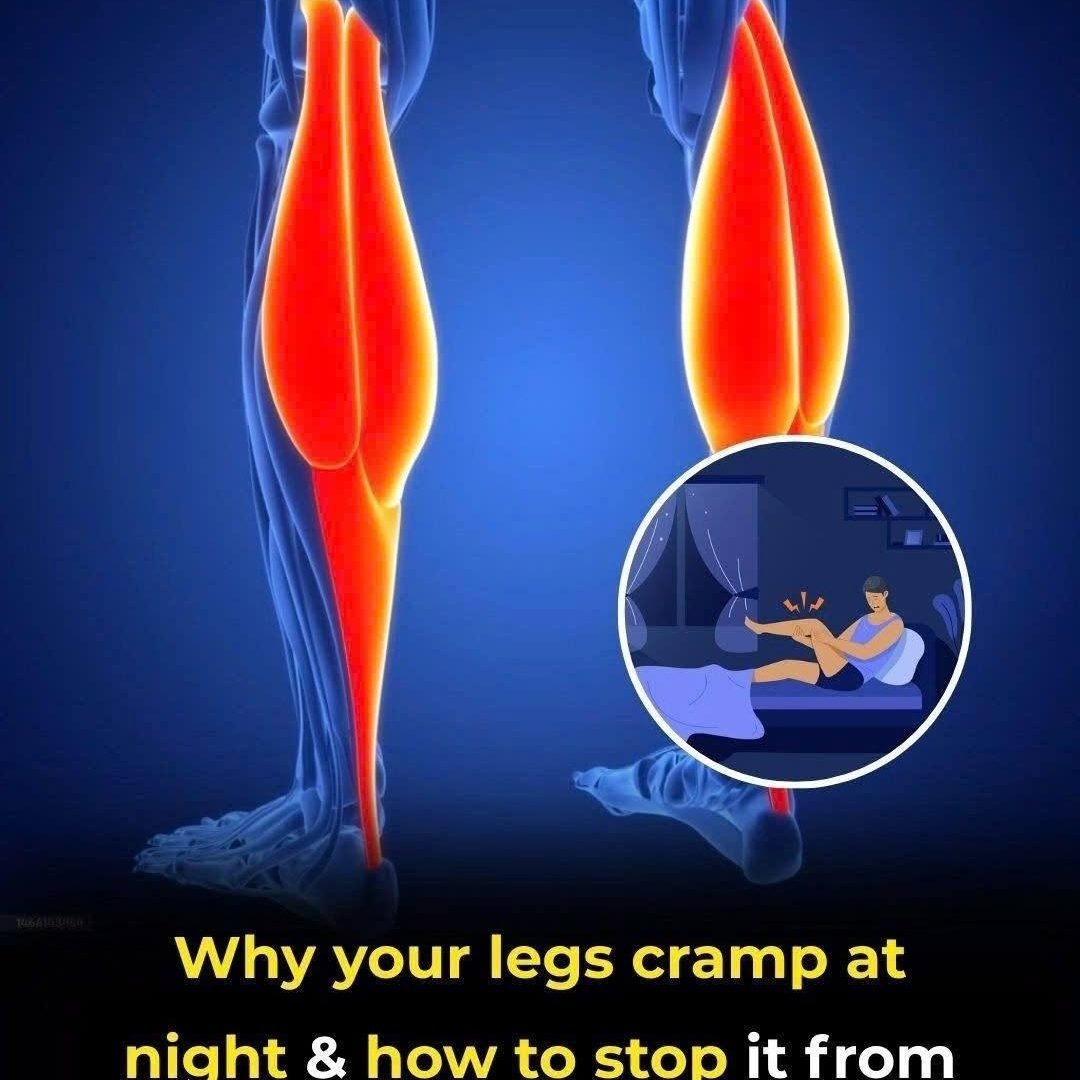
There are few things more jarring than being woken up from a deep sleep by a sudden, agonizing pain in your calf or foot. You reach down, massaging the hard knot of muscle, wondering why this keeps happening.
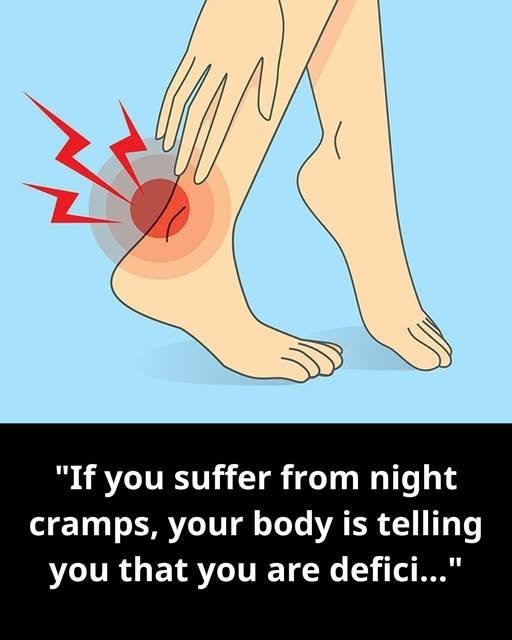
The image above features a common health warning: “If you suffer from night cramps, your body is telling you that you are defici…”
The sentence cuts off, but the implication is clear: your body is missing something essential. While night cramps (often called “charley horses”) can be caused by simple fatigue, they are frequently a loud signal from your body that your mineral levels are out of balance.
If you are tired of waking up in pain, here is exactly what your body is trying to tell you and how to fix it.
The Missing Link: What Are You Deficient In?
When your muscles cramp up at night, it is often a sign of an electrolyte imbalance. Electrolytes are minerals that carry an electric charge and are crucial for muscle contraction and relaxation. If you are low on these, your muscles get “stuck” in the contracted position.
Here are the top three deficiencies linked to night cramps:
1. Magnesium Deficiency (The Most Common Culprit)
Magnesium is the body’s natural muscle relaxant. It helps regulate nerve and muscle function.
The Sign: If you have cramps and feel anxious, have trouble sleeping, or experience eye twitches, you are likely low on magnesium.
The Fix: Eat more dark leafy greens (spinach, kale), nuts (almonds, cashews), seeds, and dark chocolate.
2. Potassium Deficiency
Potassium works with sodium to control the body’s water balance and is vital for muscle contractions.
The Sign: Along with cramps, low potassium can cause fatigue, weakness, and constipation.
The Fix: You don’t just need bananas! Avocados, sweet potatoes, coconut water, and white beans are actually higher in potassium than bananas.
3. Calcium Deficiency
Calcium isn’t just for bones; it triggers muscle contractions. If you don’t have enough, your nerves become hyperexcitable, leading to spasms.
The Sign: Numbness or tingling in the fingers and toes, along with the cramps.
The Fix: Dairy products, fortified plant milks, sardines, and broccoli.
It’s Not Just Vitamins: Other Hidden Causes
While deficiencies are a major cause, the text “your body is telling you…” could also refer to other lifestyle factors. Before you start popping pills, check these common triggers:
Dehydration: This is the #1 cause of cramps. If you aren’t drinking enough water, your blood volume drops, and electrolytes become concentrated, leading to misfiring nerves.
Overexertion: Did you go for a long walk or stand all day? Lactic acid buildup and muscle fatigue can trigger cramps hours later when you lie down.
Poor Circulation: If your legs feel heavy or cold, narrow arteries (peripheral artery disease) might be restricting blood flow to your legs during sleep.
Medication Side Effects: Statins (for cholesterol) and diuretics (for blood pressure) are notorious for draining your body of potassium and magnesium.
How to Stop Night Cramps Tonight
You don’t have to just suffer through the pain. Here is a protocol to stop the cramps from coming back:
1. The “Pre-Bed” Stretch
Before you get into bed, do a simple calf stretch. Stand facing a wall, put your hands on it, and step one foot back. Keep the back leg straight and press the heel into the floor. Hold for 30 seconds. This physically lengthens the muscle fibers.
2. Hydrate with Electrolytes
Water isn’t always enough. If you sweat a lot or drink coffee (which is a diuretic), try drinking a glass of water with a pinch of sea salt and a squeeze of lemon before bed to replenish sodium and minerals.
3. Magnesium Oil or Epsom Salts
If you suspect a magnesium deficiency, try an Epsom salt bath before bed. The magnesium sulfate absorbs through the skin and can relax muscles directly. Alternatively, spray magnesium oil directly on your calves.
4. Keep the Covers Loose
Heavy blankets can push your toes down, shortening the calf muscle and triggering a cramp. Loosen the sheets at the foot of the bed to let your feet move freely.
When to See a Doctor
Occasional cramps are normal. However, you should see a doctor if:
The cramps are severe and happen every night.
You notice swelling, redness, or skin changes in your leg.
The cramps are accompanied by muscle weakness.
Home remedies and dietary changes don’t help after a few weeks.
Conclusion
The next time you wake up gripping your calf in pain, don’t just ignore it. Your body is sending a signal. It might be asking for a glass of water, a handful of almonds, or a good stretch. By listening to these signs and replenishing your magnesium and potassium, you can say goodbye to night cramps and hello to a full night’s sleep.
Disclaimer: This article is for informational purposes only and does not constitute medical advice. Always consult with a healthcare professional before starting new supplements, especially if you are on medication.