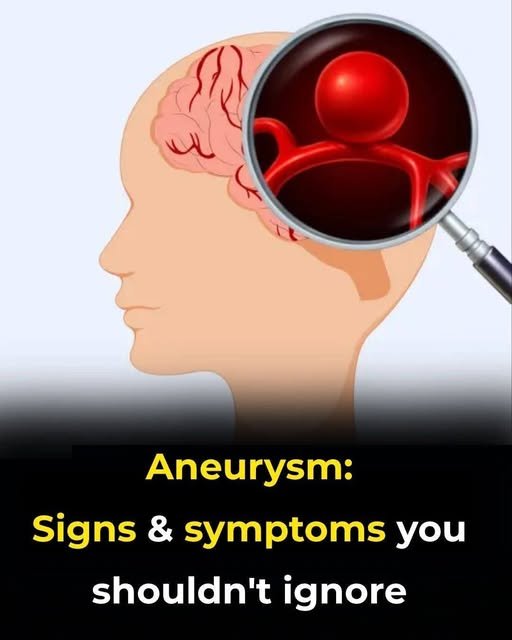
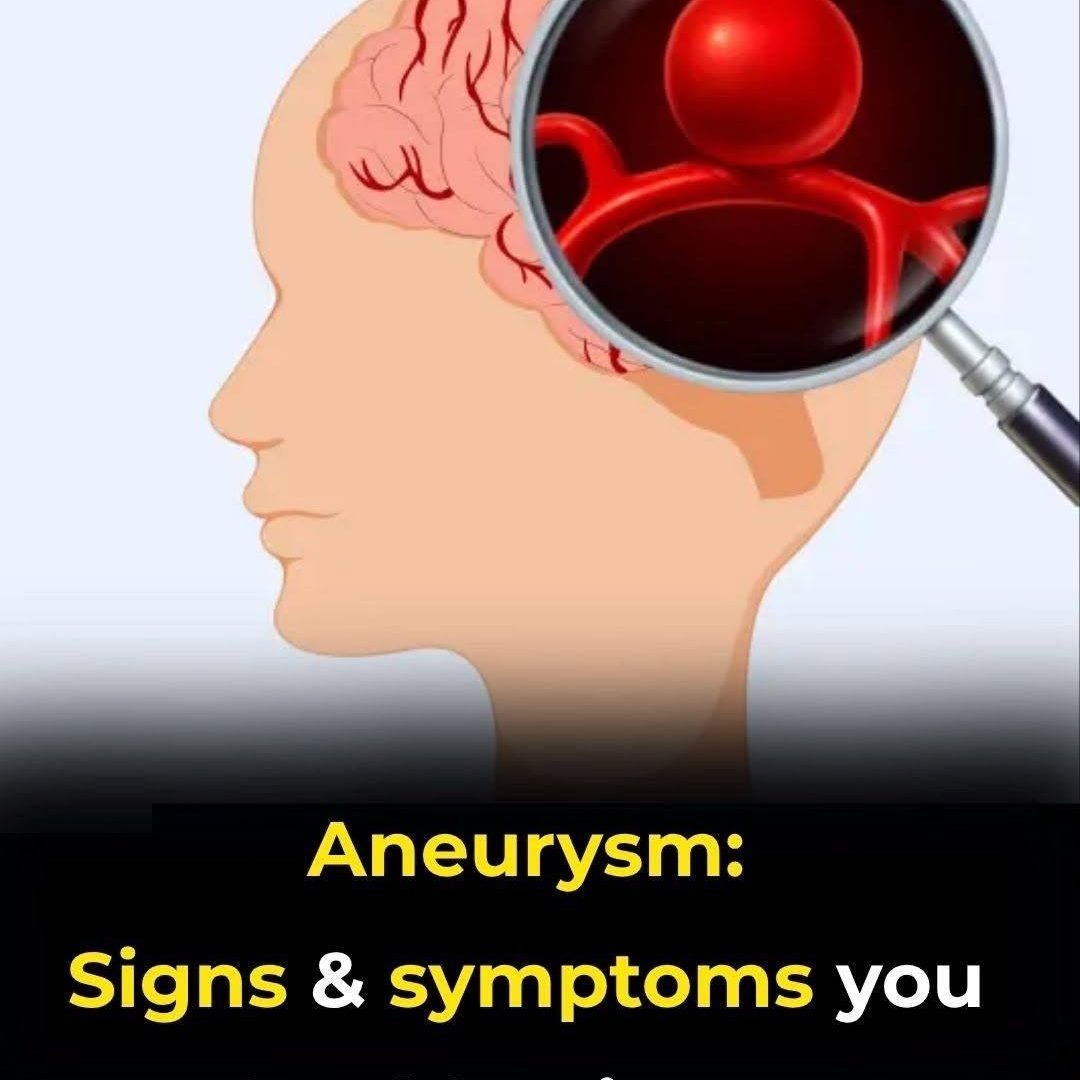
An aneurysm is a balloon-like bulge or weakening in the wall of a blood vessel. It can develop silently over years and often causes no symptoms until it becomes large, presses on nearby structures, or ruptures. When an aneurysm ruptures, it can cause sudden, severe, and life-threatening bleeding. The image of a magnifying glass focused on a bulging blood vessel in the brain captures why aneurysms are so concerning: the danger is often hidden until a critical moment. Recognizing the warning signs—especially a sudden, severe headache—can be the difference between timely emergency care and a catastrophic outcome.
Most aneurysms are discovered incidentally during imaging tests for other reasons. Many remain stable and never rupture. Others require monitoring or treatment. The key is not to panic at every headache, but to know the patterns that demand urgent attention. A brain aneurysm that leaks or ruptures is a medical emergency. An aortic aneurysm that tears or ruptures is also a medical emergency. Some aneurysms in the legs, behind the knee, or in the abdomen can cause different symptoms and complications.
This guide explains what an aneurysm is, the types, the signs and symptoms that should not be ignored, the difference between unruptured and ruptured aneurysms, risk factors, diagnosis, treatment, prevention, and when to call emergency services. It is not a substitute for medical advice, but it is a practical roadmap for recognizing danger and acting quickly.
What Is an Aneurysm?
An aneurysm occurs when a section of a blood vessel wall becomes weak and bulges outward. The bulge can be small or large. It can be shaped like a berry (saccular) or like a spindle (fusiform). It can occur in the brain, the aorta, the legs, the spleen, the kidney, or other blood vessels.
The main concern is rupture. A ruptured aneurysm can cause massive internal bleeding. In the brain, rupture causes subarachnoid hemorrhage, a type of stroke. In the aorta, rupture causes severe internal bleeding and shock. Some aneurysms can also tear (dissection) or form blood clots that block blood flow.
Not all aneurysms rupture. The risk depends on the size, location, shape, growth rate, symptoms, family history, and other medical conditions. Doctors often monitor small aneurysms with imaging and treat larger or growing ones.
Types of Aneurysms
Brain Aneurysm (Cerebral Aneurysm)
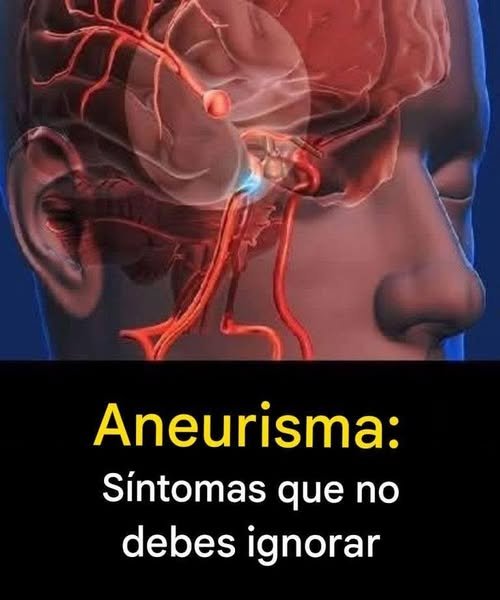
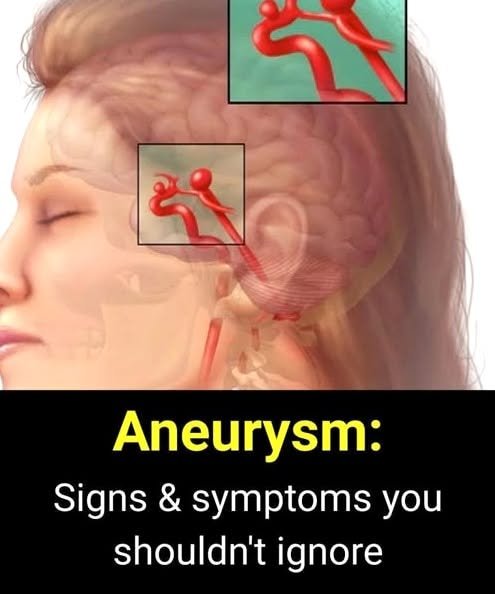
A brain aneurysm is a bulge in a blood vessel in the brain. It often occurs at a branching point in the arteries at the base of the brain. Most brain aneurysms are saccular (berry) aneurysms. They can be unruptured, leaking (sentinel bleed), or ruptured.
Aortic Aneurysm
An aortic aneurysm is a bulge in the aorta, the largest artery in the body. It can occur in the chest (thoracic aortic aneurysm) or abdomen (abdominal aortic aneurysm). Abdominal aortic aneurysms are more common. They can grow silently and may be found during ultrasound screening. Rupture is a catastrophic emergency.
Peripheral Aneurysm
A peripheral aneurysm occurs in arteries outside the brain and aorta. Common locations include the popliteal artery behind the knee, the femoral artery in the groin, and arteries in the arm. These can cause pain, swelling, or clotting that blocks blood flow.
Other Locations
Aneurysms can also occur in the splenic artery, renal artery, and other visceral arteries. They are less common but can cause abdominal or flank pain and bleeding.
Brain Aneurysm: Signs and Symptoms You Should Not Ignore
A brain aneurysm can be unruptured or ruptured. The symptoms differ. An unruptured aneurysm may cause no symptoms. A ruptured aneurysm is a life-threatening emergency.
Unruptured Brain Aneurysm Symptoms
A large unruptured aneurysm can press on nerves or brain tissue. Symptoms may include:
Headache: A persistent or unusual headache, especially if it is new or different from usual.
Vision changes: Double vision, blurred vision, loss of peripheral vision, or a drooping eyelid.
Pain above or behind the eye: Sometimes on one side.
Facial numbness or weakness: Numbness on one side of the face.
Dilated pupil: A pupil that is larger on one side.
Seizures: In some cases.
Weakness or numbness in an arm or leg: If the aneurysm presses on specific brain areas.
These symptoms are not specific to aneurysm. Many other conditions can cause them. But a new, persistent neurological symptom should be evaluated.
Ruptured Brain Aneurysm Symptoms
A ruptured brain aneurysm usually causes sudden, severe symptoms. The classic warning is a thunderclap headache—a severe headache that reaches maximum intensity within seconds to a minute. People often describe it as the worst headache of their life. It may be accompanied by:
Nausea and vomiting.
Neck stiffness.
Sensitivity to light (photophobia).
Blurred or double vision.
Confusion or disorientation.
Loss of consciousness.
Seizure.
Weakness or numbness on one side of the body.
Slurred speech.
Drooping eyelid or dilated pupil.
Sudden severe pain behind the eye.
A ruptured brain aneurysm is a medical emergency. Call emergency services immediately. Do not drive yourself. Do not wait to see if the headache improves.
Sentinel Headache: A Warning Leak
Sometimes an aneurysm leaks a small amount of blood before a major rupture. This can cause a sentinel headache—a sudden, severe headache that may improve but should not be ignored. It can occur days or weeks before a larger rupture. A sentinel headache is a warning sign that requires urgent medical evaluation.
Aortic Aneurysm: Signs and Symptoms
Aortic aneurysms often cause no symptoms until they are large or rupture. Symptoms depend on location.
Abdominal Aortic Aneurysm Symptoms
A pulsating feeling in the abdomen: Some people notice a rhythmic pulsing near the navel.
Abdominal or back pain: A deep, constant pain that may radiate to the back or groin.
Tenderness in the abdomen.
A feeling of fullness.
Coldness or numbness in the legs: If blood flow is compromised.
Ruptured abdominal aortic aneurysm symptoms include sudden, severe abdominal or back pain, fainting, sweating, rapid heart rate, low blood pressure, and shock. This is a catastrophic emergency.
Thoracic Aortic Aneurysm Symptoms
Chest or upper back pain.
Cough or hoarseness.
Difficulty swallowing.
Shortness of breath.
Swelling in the face or neck: In some cases.
A thoracic aortic dissection can cause sudden, tearing chest or back pain. This is a medical emergency.
Peripheral Aneurysm: Signs and Symptoms
Peripheral aneurysms can cause:
A pulsating lump in the groin, behind the knee, or in the arm.
Pain or tenderness in the area.
Swelling.
Coldness, numbness, or discoloration of the limb if a clot blocks blood flow.
Weakness or cramping in the affected limb.
A peripheral aneurysm can rupture or cause clotting that blocks circulation. Seek medical evaluation.
Who Is at Risk?
Risk factors for aneurysm include:
Age: Risk increases with age, especially after 40.
Family history: A family history of brain aneurysm or aortic aneurysm increases risk.
Smoking: A major risk factor for both brain and aortic aneurysms.
High blood pressure: Increases stress on vessel walls.
Gender: Brain aneurysms are more common in women; aortic aneurysms are more common in men.
Certain genetic conditions: Polycystic kidney disease, Marfan syndrome, Ehlers-Danlos syndrome, and others.
History of aneurysm: Having one aneurysm increases the risk of another.
Infections or trauma: Rare causes.
Alcohol and drug use: Especially cocaine, can increase risk of rupture.
When to Call Emergency Services
Call emergency services immediately if you or someone else experiences:
A sudden, severe headache that reaches maximum intensity within seconds or minutes.
A thunderclap headache or the worst headache of your life.
Sudden severe abdominal or back pain with fainting, sweating, or weakness.
Sudden tearing chest or back pain.
Loss of consciousness.
Seizure.
Sudden weakness, numbness, or paralysis on one side of the body.
Slurred speech, confusion, or difficulty understanding.
Sudden vision loss or double vision.
A pulsating lump in the abdomen or groin with pain.
Cold, pale, or blue limb with pain.
Do not drive yourself. Do not wait for an appointment. Do not take aspirin or blood thinners unless instructed by emergency services.
How Aneurysms Are Diagnosed
Aneurysms may be diagnosed with:
CT scan: Fast and commonly used in emergencies. A CT angiogram can show blood vessels.
MRI and MRA: Magnetic resonance angiography can visualize brain aneurysms.
Ultrasound: Used to screen for abdominal aortic aneurysm.
Cerebral angiography: A catheter-based test that provides detailed images of brain blood vessels.
Echocardiography: For thoracic aortic aneurysms.
Screening may be recommended for people with family history or genetic conditions. A doctor can determine the best imaging test.
Treatment Options
Treatment depends on the type, size, location, growth, symptoms, and overall health.
Brain Aneurysm Treatment
Observation: Small, stable aneurysms may be monitored with imaging.
Surgical clipping: A neurosurgeon places a metal clip at the base of the aneurysm to stop blood flow.
Endovascular coiling: A catheter is used to place coils inside the aneurysm to promote clotting and seal it off.
Flow diverters: Stents that redirect blood flow away from the aneurysm.
Aortic Aneurysm Treatment
Monitoring: Small aneurysms may be monitored with ultrasound or CT.
Medication: Blood pressure control is important.
Surgery: Open repair or endovascular stent grafting may be recommended for large or rapidly growing aneurysms.
Peripheral Aneurysm Treatment
Observation or surgery depending on size, symptoms, and risk of complications.
Prevention and Risk Reduction
Not all aneurysms can be prevented, but risk can be reduced:
Do not smoke. Quitting is the most important step.
Control blood pressure.
Manage cholesterol and diabetes.
Limit alcohol.
Avoid cocaine and stimulant drugs.
Know your family history.
Follow screening recommendations if you are at risk.
Conclusion: Know the Warning Signs
Aneurysms are often silent, but when they cause symptoms, those symptoms can be urgent. The classic warning is a sudden, severe headache—a thunderclap headache—or a sudden tearing pain in the chest or back. Unruptured aneurysms may cause pressure symptoms such as vision changes, facial numbness, or a pulsating abdominal mass. Do not ignore new, persistent, or severe neurological or abdominal symptoms. Emergency care can be lifesaving.
Frequently Asked Questions
What is an aneurysm?
An aneurysm is a bulging, weakened area in a blood vessel wall. It can occur in the brain, aorta, or other arteries and can rupture, causing serious bleeding.
What is the most important warning sign of a brain aneurysm?
A sudden, severe headache that reaches maximum intensity within seconds to minutes, often called a thunderclap headache or the worst headache of your life.
Can an aneurysm cause symptoms before it ruptures?
Yes. A large unruptured aneurysm can press on nerves or brain tissue, causing headache, vision changes, drooping eyelid, facial numbness, or weakness. A small leak can cause a sentinel headache.
Is every headache a sign of an aneurysm?
No. Most headaches are not caused by aneurysms. But a sudden, severe, unusual headache—especially with neck stiffness, vomiting, confusion, or weakness—requires emergency evaluation.
Can an aneurysm be treated?
Yes. Treatment may include observation, surgical clipping, endovascular coiling, flow diverters, or stent grafting, depending on the type and location.
Who should be screened for an aneurysm?
People with a family history of brain aneurysm, certain genetic conditions, or risk factors may benefit from screening. A doctor can advise.
Can aneurysm be prevented?
You cannot prevent all aneurysms, but quitting smoking, controlling blood pressure, limiting alcohol, and avoiding stimulant drugs reduce risk.