Aneurysm: Symptoms That Demand Immediate Attention
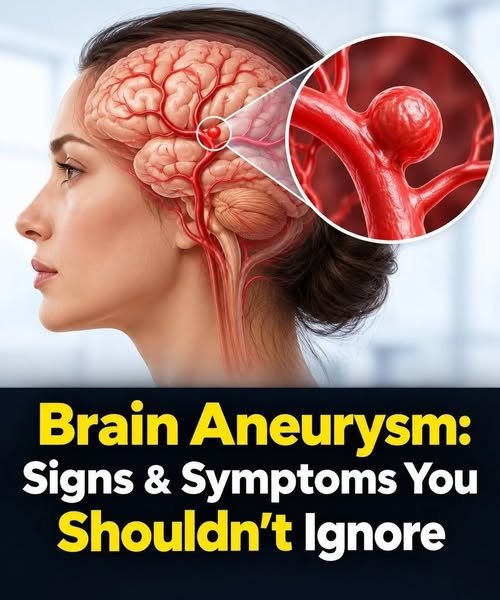
An aneurysm is a localized bulge or ballooning in the wall of a blood vessel. While some aneurysms remain small and asymptomatic, others can grow and rupture, leading to life-threatening internal bleeding. The image above depicts a man experiencing sudden, severe head pain, alongside an MRI scan showing a brain aneurysm. This visual highlights a critical medical reality: a ruptured brain aneurysm is a medical emergency that requires immediate intervention. Understanding the signs is essential because early recognition can save lives.
What Is an Aneurysm?
An aneurysm develops when the wall of an artery weakens and bulges outward. They can occur in various parts of the body, but the most common and immediately dangerous locations are the brain (cerebral aneurysm) and the aorta (the body’s main artery).
Most unruptured aneurysms do not cause symptoms and are often discovered incidentally during imaging tests for other conditions. However, when an aneurysm grows large enough to press on surrounding structures, or when it ruptures, symptoms become apparent.
Symptoms of an Unruptured Aneurysm
If an aneurysm has not ruptured but is pressing on nerves or brain tissue, it may cause:
A localized headache
Pain above or behind one eye
Changes in vision, such as double vision
Numbness or weakness on one side of the face
Dilated pupils
These symptoms can be subtle and are easily attributed to other causes, such as migraines or sinus issues. However, if they persist or worsen, medical evaluation is warranted.
The Warning Signs of a Ruptured Aneurysm
The most critical scenario is a ruptured aneurysm. When a brain aneurysm bursts, it releases blood into the space around the brain (subarachnoid hemorrhage). The hallmark symptom is a sudden, extremely severe headache—often described as the “worst headache of one’s life” or a “thunderclap headache” . This headache typically peaks within seconds to minutes and is unlike any normal headache.
Other symptoms of a ruptured brain aneurysm include :
Nausea and vomiting
Stiff neck
Blurred or double vision
Sensitivity to light
Seizure
Loss of consciousness
Confusion or altered mental state
A “sentinel headache” may also occur days or weeks before a major rupture. This is a sudden, severe headache caused by a small leak of blood from the aneurysm. It is a warning sign that should never be ignored .
When to Seek Emergency Care
If you or someone else experiences a sudden, severe headache—especially if it is accompanied by nausea, vomiting, stiff neck, vision changes, or loss of consciousness—call emergency services immediately. Do not wait to see if the symptoms improve. Time is of the essence in treating a ruptured aneurysm, and delays can lead to permanent disability or death.
It is also important to note that not all severe headaches are aneurysms. Many are caused by migraines, tension, or other benign conditions. However, the specific quality of a “thunderclap” headache—sudden onset, maximum intensity within seconds—is a red flag that requires urgent medical evaluation.
Risk Factors and Prevention
While some aneurysms cannot be prevented, certain factors increase the risk. These include:
Smoking: A major risk factor for both the formation and rupture of aneurysms.
High blood pressure: Uncontrolled hypertension damages blood vessel walls.
Family history: Having a close relative with a brain aneurysm increases risk.
Age and gender: Aneurysms are more common in adults over 40, particularly women.
Managing blood pressure, quitting smoking, and avoiding excessive alcohol consumption are the most effective ways to reduce the risk of aneurysm formation and rupture.
Conclusion
The image of a man clutching his head is a powerful reminder that an aneurysm can strike suddenly and without warning. While unruptured aneurysms may be silent, a ruptured aneurysm presents with unmistakable, severe symptoms. Knowing the signs—particularly the sudden “worst headache”—and seeking immediate emergency care are the most important steps you can take. If you have risk factors for aneurysms, discussing screening with your doctor may also be appropriate. When it comes to a potential aneurysm, rapid action is critical.