These Warnings Indicate That You Are Consuming Too Much Sugar
Sugar is in almost everything we eat — from obvious sources like candy and soda to hidden sources like sauces, bread, and even “healthy” snacks. While your body needs some sugar for energy, consuming too much can lead to serious health problems.
The tricky part? The warning signs of excess sugar consumption are often subtle and easy to dismiss. Here are the signs that you might be eating too much sugar. 👇
Disclaimer: This post is for informational purposes only and is not a substitute for professional medical advice. If you have concerns about your blood sugar or diet, consult a qualified healthcare provider.
⚠️ Warning Signs You’re Eating Too Much Sugar
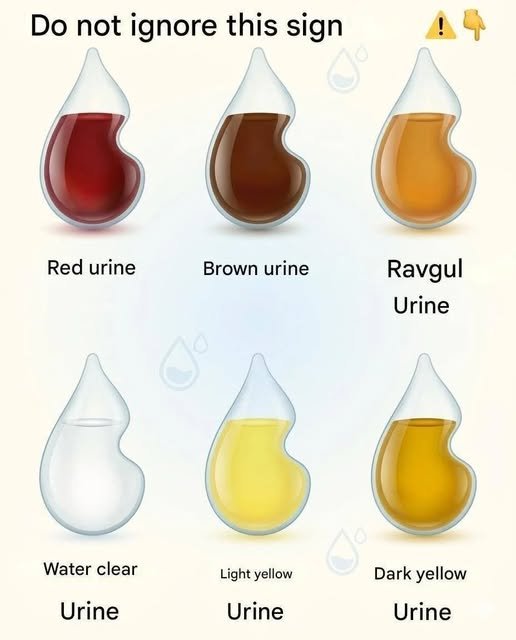
1. Frequent Urination When you eat too much sugar, your kidneys work harder to filter it out of your blood. This leads to more frequent urination, especially at night.
2. Constant Thirst Frequent urination leads to dehydration, which makes you feel constantly thirsty. This is one of the most common early signs of high blood sugar.
3. Fatigue and Low Energy Sugar provides a quick burst of energy, but it’s often followed by a crash. If you feel tired and sluggish throughout the day, sugar might be the culprit.
4. Cravings and Hunger Eating sugar makes you crave more sugar. It also interferes with leptin, the hormone that tells you when you’re full, leading to overeating.
5. Weight Gain Excess sugar is converted into fat and stored in your body. If you’re gaining weight without changing your diet, sugar could be the reason.
6. Mood Swings and Irritability Blood sugar fluctuations can affect your mood, making you feel anxious, irritable, or depressed.
7. Skin Problems (Acne and Wrinkles) Sugar causes inflammation and can worsen acne. It also damages collagen and elastin, leading to premature aging and wrinkles.
8. Frequent Infections High sugar intake can weaken the immune system, making you more prone to infections, especially of the skin, gums, and urinary tract.
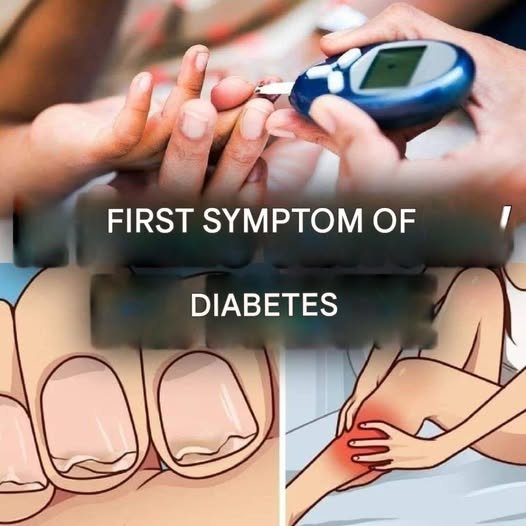
9. Blurred Vision High blood sugar can cause the lens of your eye to swell, leading to blurry vision.
10. Slow-Healing Wounds Excess sugar affects circulation and the immune system, making it harder for your body to heal cuts and bruises.
11. Numbness or Tingling in Hands and Feet High blood sugar can damage nerves over time, leading to tingling, numbness, or burning sensations in your extremities.
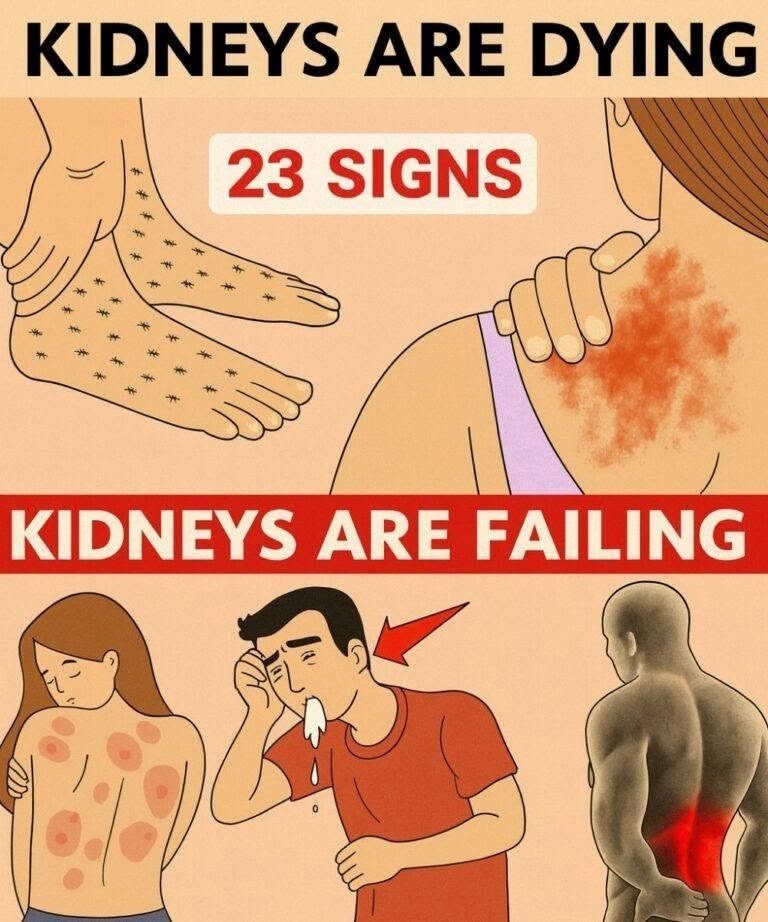
12. Dark Patches on Skin A condition called acanthosis nigricans causes dark, velvety patches to appear on the neck, armpits, or groin. It’s often a sign of insulin resistance.
Important: These symptoms can also be caused by other medical conditions. If you experience any of them, see a doctor for a proper diagnosis.
💡 What You Can Do
Read labels: Look for hidden sugars in sauces, breads, and processed foods.
Choose whole foods: Fruits, vegetables, whole grains, and lean proteins.
Limit sugary drinks: Soda, juice, and sweetened coffee drinks are major sources of sugar.
Eat protein and fiber: They help stabilize blood sugar and keep you full.
Stay hydrated: Drink water instead of sugary beverages.
Get regular exercise: It helps your body use insulin more effectively.
Get enough sleep: Poor sleep can increase sugar cravings.
❓ Frequently Asked Questions
How much sugar is too much? The American Heart Association recommends no more than 6 teaspoons (25 grams) of added sugar per day for women and 9 teaspoons (36 grams) for men.
What are the hidden sources of sugar? Sauces, salad dressings, bread, yogurt, granola bars, and “healthy” snacks often contain added sugar.
Can sugar cause diabetes? Excess sugar intake can lead to insulin resistance and Type 2 diabetes, especially when combined with other lifestyle factors.
Does sugar cause inflammation? Yes — excess sugar can trigger inflammation in the body, which is linked to many chronic diseases.
Can cutting sugar help me lose weight? Yes — reducing sugar intake can help with weight loss, especially if you replace sugary foods with whole, nutrient-dense foods.
How long does it take to break a sugar addiction? It varies, but many people notice a difference in cravings within 1–2 weeks of reducing sugar.
What are the best sugar substitutes? Stevia, monk fruit, and erythritol are popular natural alternatives. However, moderation is key.
Can sugar affect my mood? Yes — blood sugar fluctuations can cause mood swings, anxiety, and irritability.
When should I see a doctor? If you experience persistent symptoms of high blood sugar, see a doctor for a blood test.
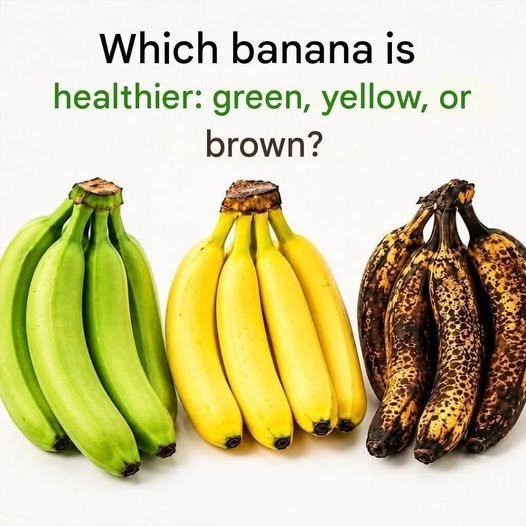
Can I eat fruit if I’m watching my sugar intake? Yes — whole fruit contains fiber, which slows sugar absorption. It’s a healthy choice in moderation.