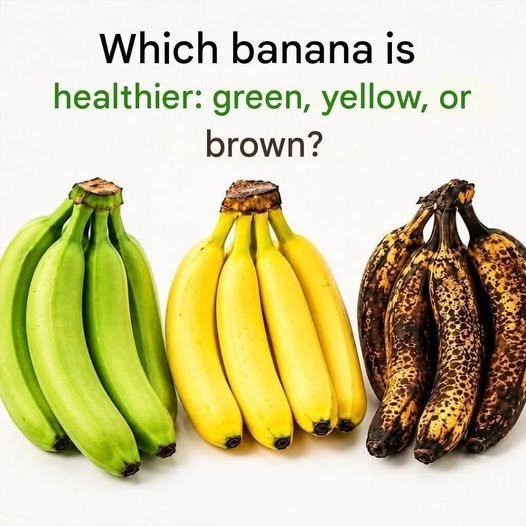
Which Banana Is Healthier: Green, Yellow, or Brown? A Deep Dive into the Science of Ripeness
The banana is one of the most consumed and beloved fruits on the planet. It is the ultimate convenience food, naturally wrapped in a biodegradable peel, packed with essential nutrients, and available year-round. Yet, for such a simple fruit, it sparks a surprisingly complex debate. If you have ever stood in the produce aisle or stared at your kitchen counter, you have likely asked yourself: Is it better to eat a banana when it is green and firm, perfectly yellow, or heavily speckled with brown?
The internet is filled with conflicting advice. Some wellness influencers demonize the brown, spotted banana as a “sugar bomb” to be avoided at all costs. Others swear that the green banana is the only truly healthy option for gut health and weight loss. Meanwhile, traditional medicine and modern nutritional science both suggest that each stage of a banana’s life cycle offers a completely different set of health benefits.
The truth is that there is no single “healthiest” banana. The best choice depends entirely on your personal health goals, your digestive system, and what your body needs at that exact moment. This comprehensive guide will explore the fascinating science of banana ripening. We will dissect the nutritional transformations that occur as a banana shifts from green to yellow to brown, examining how these changes affect everything from your blood sugar and gut microbiome to your immune system and athletic performance.
The Science of Ripening: A Transformation of Carbohydrates
To understand why a green banana is fundamentally different from a brown one, you have to understand the biochemical journey that occurs after a banana is harvested.
Bananas are climacteric fruits, meaning they continue to ripen after being picked. During this process, a complex dance of enzymes and hormones takes place. The star of this show is ethylene gas, a natural plant hormone that triggers the ripening process.
From Starch to Sugar
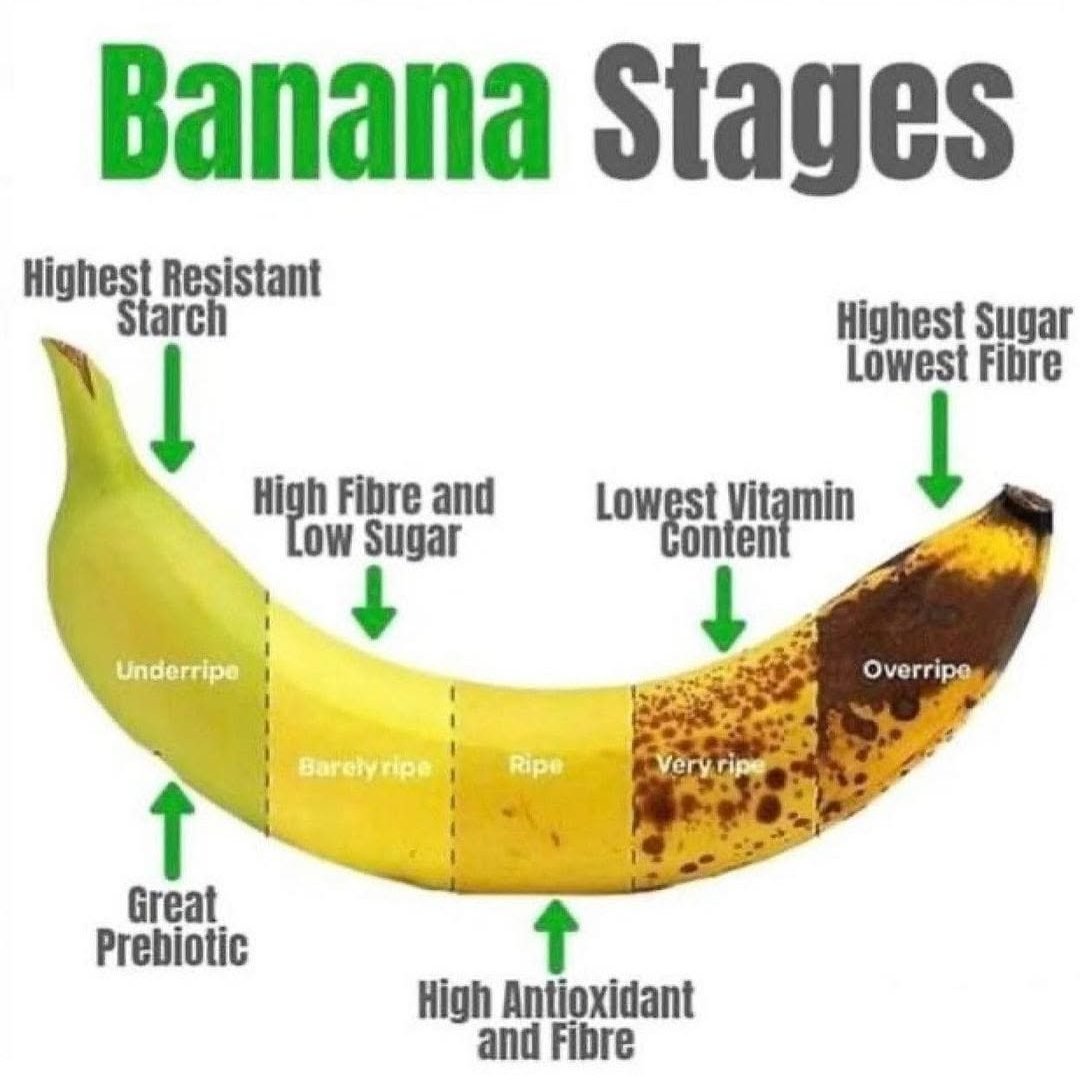
When a banana is green, it is primarily composed of complex carbohydrates known as starch. This starch serves as an energy reserve for the fruit. During ripening, an enzyme called amylase begins to break down this starch into simpler sugars, primarily fructose, glucose, and sucrose.
This is why a green banana tastes relatively bland and starchy, while a yellow banana tastes intensely sweet. By the time a banana is fully yellow and speckled with brown, almost all of its starch has been converted into simple sugars. The total carbohydrate content of the banana remains largely the same, but the type of carbohydrate changes dramatically. This shift is the key to understanding the differing health impacts of green, yellow, and brown bananas.
The Breakdown of Pectin
Simultaneously, the structural integrity of the banana changes. Compounds called pectin, which act like glue holding the cell walls together, begin to break down. This is why a green banana snaps when you break it, while a brown banana is soft and mushy. This breakdown makes the fruit much easier to digest, but it also affects how quickly the sugars are absorbed into your bloodstream.
Stage 1: The Green Banana – The Ultimate Gut Health Ally
If your primary health goals are weight management, blood sugar control, and optimal gut health, the green banana is your best friend.
The Power of Resistant Starch
Green bananas are packed with resistant starch. As the name suggests, this type of starch “resists” digestion in the small intestine. Instead of being broken down into glucose and absorbed into the bloodstream, it travels intact to the large intestine.
In the colon, resistant starch acts as a powerful prebiotic. It ferments and feeds the beneficial bacteria in your gut, such as Bifidobacteria and Lactobacillus. This fermentation process produces short-chain fatty acids (SCFAs) like butyrate, which are incredibly beneficial for the health of the colon lining. Butyrate has been shown to reduce inflammation, improve digestive health, and even lower the risk of colon cancer.
Blood Sugar and Weight Management
Because the starch in a green banana is resistant to digestion, it does not cause a spike in blood sugar. The Glycemic Index (GI) of a green banana is remarkably low, often ranging from 30 to 42, depending on the specific variety and ripeness.
This makes green bananas an excellent choice for individuals with type 2 diabetes, insulin resistance, or anyone looking to maintain stable energy levels throughout the day. The high fiber content also promotes a feeling of fullness and satiety, making it easier to manage calorie intake and prevent overeating.
The Drawbacks of Green Bananas
Despite their incredible benefits, green bananas are not for everyone. Because they are harder to digest, consuming too many can lead to digestive distress, including bloating, gas, and constipation, particularly in individuals with sensitive stomachs or Irritable Bowel Syndrome (IBS).
Furthermore, green bananas are far less palatable than their ripe counterparts. They lack sweetness and have a dry, chalky texture. While they can be blended into smoothies or cooked (similar to plantains), they are rarely eaten raw for pleasure.
Stage 2: The Yellow Banana – The Perfect Energy Boost
The yellow banana is the most commonly consumed stage of ripeness. It strikes a delicate balance between the starchy resistance of the green banana and the sugary sweetness of the brown banana.
A Balance of Starch and Sugar
By the time a banana turns yellow, the starch has begun to convert into sugar, but the process is not yet complete. The resistant starch content has dropped significantly, while the level of simple sugars has risen. The pectin has also begun to break down, making the banana softer and easier to digest.
Because it is easier to digest, the carbohydrates in a yellow banana are quickly converted into energy. This makes the yellow banana a phenomenal pre-workout or post-workout snack. It provides a quick source of glucose to fuel muscles, while still containing a decent amount of potassium and vitamin B6, which are crucial for muscle function and recovery.
Nutritional Profile of the Yellow Banana
A medium-sized yellow banana contains approximately:
105 calories
27 grams of carbohydrates
14 grams of sugar (fructose, glucose, and sucrose)
3 grams of fiber
422 mg of potassium (about 12% of your daily value)
0.4 mg of Vitamin B6 (about 26% of your daily value)
Vitamin C, magnesium, and manganese
When to Choose Yellow
The yellow banana is the most versatile option. It is sweet enough to be enjoyable but not overwhelmingly sugary. It is the ideal snack for sustained energy, athletic performance, and general daily wellness. However, for individuals strictly monitoring their blood sugar, the yellow banana has a moderate Glycemic Index (around 51), meaning it will raise blood sugar more significantly than a green banana.
Stage 3: The Brown Banana – The Antioxidant Powerhouse
Many people mistakenly believe that a brown banana is “spoiled” or “rotten.” In reality, the brown speckling is a sign that the banana is at its absolute peak of ripeness, and it is during this stage that some of its most powerful health benefits emerge.
The Sugar Peak and the Glycemic Index
When a banana is heavily speckled with brown, almost all of its starch has been converted into simple sugars. Consequently, the Glycemic Index of a brown banana is at its highest, often exceeding 60. For individuals with diabetes or severe insulin resistance, eating a fully brown banana on an empty stomach is not advisable, as it can cause a rapid spike in blood sugar.
The Rise of Antioxidants
The conversion of starch to sugar is not the only chemical change occurring in a brown banana. As the skin darkens, the levels of certain antioxidants increase significantly. The brown spots are a result of the breakdown of chlorophyll and the production of melanin, a pigment that is associated with higher levels of antioxidants.
A 2014 study published in the Journal of the Science of Food and Agriculture found that as a banana ripens, the levels of antioxidants—specifically dopamine and vitamin C—increase, even though the levels of other nutrients may decrease slightly. The brown banana is particularly rich in catechins, a type of flavonoid that has been linked to a reduced risk of chronic diseases like heart disease and certain types of cancer.
Easier Digestion and Immune Support
The pectin in a brown banana is completely broken down, making it incredibly easy to digest. This makes it an excellent food for individuals with sensitive stomachs, those recovering from illness, or older adults with digestive challenges.
Furthermore, the higher sugar content and softer texture make the brown banana the perfect ingredient for baking. When used in banana bread or muffins, it provides natural sweetness, allowing you to reduce or eliminate added sugar in your recipes. The brown banana can also be mashed and used as an egg substitute in vegan baking, thanks to its binding properties.
The Sugar Controversy: Why You Shouldn’t Fear the Ripeness
The demonization of the brown banana is largely rooted in the modern obsession with sugar and the Glycemic Index. However, it is crucial to look at the bigger picture.
Total Sugar Remains Constant
The most important thing to understand is that the total amount of sugar in a banana does not change as it ripens. A green banana and a brown banana contain the exact same amount of total carbohydrates. The difference lies solely in how those carbohydrates are structured. In the green banana, they are locked away in complex starch. In the brown banana, they have been unlocked into simple sugars.
The Fiber Factor
Even a fully brown, heavily speckled banana still contains about 3 grams of fiber. This fiber helps to slow down the absorption of the sugars into the bloodstream, mitigating the glycemic response to some extent. While the brown banana will certainly raise your blood sugar faster than a green one, it is still a whole food with a nutritional matrix that is far superior to a candy bar or a soda.
If you do not have diabetes or blood sugar issues, eating a brown banana is perfectly healthy and is an excellent way to consume a nutrient-dense, high-antioxidant snack.
Comparing the Three Stages: A Nutritional Breakdown
Feature
Green Banana
Yellow Banana
Brown/Speckled Banana
Carbohydrate Type
High Resistant Starch
Balanced Starch and Sugar
High Simple Sugars
Taste & Texture
Bland, Firm, Chalky
Sweet, Creamy
Very Sweet, Mushy
Glycemic Index
Low (~30-42)
Medium (~51)
High (~60+)
Digestibility
Hard to digest
Easy to digest
Very easy to digest
Gut Health
Excellent (prebiotic)
Good
Good
Antioxidant Level
Moderate
Moderate
High (due to melanin/catechins)
Best For
Diabetics, Gut health, Weight loss
Athletes, Daily energy, Snacks
Baking, Immunity, Sensitive stomachs
Who Should Eat Which Banana?
To make the most informed choice, consider your specific health profile and goals:
If You Have Diabetes or Pre-Diabetes
Opt for green or slightly green yellow bananas. The high resistant starch and low sugar content will minimize blood sugar spikes. Monitor your blood glucose response, as individual reactions to fruit can vary.
If You Are an Athlete or Highly Active
Yellow bananas are your best choice. They provide the perfect balance of fast-acting carbohydrates for energy and potassium for muscle recovery. They are the classic pre-workout and post-workout snack.
If You Want to Improve Gut Health or Lose Weight
Green bananas are the clear winner. The resistant starch acts as a prebiotic, feeding your good bacteria and promoting satiety. If you find them unappetizing raw, try blending them into smoothies or slicing and frying them lightly in a healthy oil.
If You Have a Sensitive Stomach or Are Recovering from Illness
Brown bananas are the most gentle on the digestive system. Their high sugar content provides quick energy, and the lack of resistant starch means they are incredibly easy to break down.
If You Want to Boost Your Immune System
Brown bananas are the best choice due to their higher concentration of antioxidants, which help combat oxidative stress and support the immune system.
How to Store and Ripen Bananas for Optimal Health
Controlling the ripeness of your bananas is entirely within your power.
To Slow Down Ripening: Store bananas in the refrigerator. The cold temperature halts the ripening process. The skin will turn black, but the flesh inside will remain at the exact stage of ripeness it was when you put it in. This is a great way to keep a yellow banana perfectly yellow for days.
To Speed Up Ripening: Place bananas in a brown paper bag at room temperature. The bag traps the ethylene gas, accelerating the ripening process. Adding an apple or an avocado to the bag will speed it up even further, as these fruits release large amounts of ethylene.
To Freeze Overripe Bananas: If your bananas get too brown before you can eat them, peel them, slice them, and place them in a freezer-safe bag. They are perfect for smoothies, baking, or making “nice cream” (a healthy, frozen dessert alternative).
The Environmental and Ethical Dimension
When choosing bananas, it is also worth considering the environmental and ethical impact of their production. Bananas are one of the most heavily sprayed crops in the world. If possible, choose organic bananas to reduce your exposure to pesticides and support farming practices that are healthier for the environment and for agricultural workers. Look for certifications like Fairtrade or Rainforest Alliance, which ensure that farmers receive a fair wage and that environmental standards are met.
Debunking the “Banana Sugar” Myth
Many popular diet trends, such as the Keto diet or strict Carnivore diet, advise eliminating bananas entirely due to their sugar and carbohydrate content. While it is true that bananas are not suitable for a strict ketogenic diet (which limits carbohydrates to under 50 grams per day), they are an incredibly healthy food for the vast majority of the population.
The natural sugars in a banana come packaged with fiber, vitamins, minerals, and water. This is a completely different biological experience than consuming refined white sugar. The fiber slows digestion, the potassium supports heart health, and the antioxidants fight inflammation. For most people, eating one banana a day is a highly beneficial dietary habit.
Conclusion: The Verdict on Banana Ripeness
So, which banana is healthier? The green, the yellow, or the brown?
The answer is that all three are healthy, but they serve different purposes.
The green banana is the ultimate functional food for gut health, blood sugar control, and weight management, thanks to its resistant starch.
The yellow banana is the versatile daily staple, providing a balanced mix of energy, potassium, and nutrients for active individuals.
The brown banana is the antioxidant powerhouse and the gentlest option for digestion, perfect for baking and immune support.
Instead of labeling one as the “best” and the others as “bad,” the most intelligent approach is to embrace the entire lifecycle of the banana. Buy a bunch of green bananas and eat them as they slowly transform on your counter. Enjoy the crisp, starchy green banana in a smoothie on Monday. Savor the perfect yellow banana as a midday snack on Wednesday. And on Friday, when the last banana is speckled and sweet, mash it up and bake a healthy, delicious banana bread. By doing so, you harness the unique nutritional benefits of every stage of this remarkable fruit.
Frequently Asked Questions
Is a brown banana bad for you?
No, a brown banana is not bad for you. While it has a higher sugar content and a higher Glycemic Index than a green or yellow banana, it is also richer in antioxidants due to the breakdown of chlorophyll and the formation of melanin. It is perfectly safe and healthy to eat, provided you do not have blood sugar issues.
Why do green bananas have resistant starch?
Resistant starch is a type of carbohydrate that acts like soluble fiber. In a green banana, the starch molecules are tightly packed and resistant to the enzymes in the human digestive system. As the banana ripens, enzymes within the fruit break down this starch into simple sugars.
Can diabetics eat bananas?
Yes, diabetics can eat bananas, but they should choose them wisely. Green or slightly yellow bananas are the best choice because their resistant starch content slows the absorption of sugar, preventing rapid blood sugar spikes. Brown bananas should be consumed with caution, ideally paired with a protein or fat to mitigate the glycemic response.
What is the healthiest way to eat a banana?
The healthiest way to eat a banana is raw and whole, as the fiber and nutrients remain intact. However, you can also slice them into oatmeal, blend them into smoothies, or bake them. If you are watching your blood sugar, eat the banana with a source of protein (like peanut butter or Greek yogurt) or healthy fat to slow down digestion.
Why do bananas turn brown?
Bananas turn brown due to the oxidation of phenolic compounds and the breakdown of chlorophyll. The enzyme polyphenol oxidase reacts with oxygen in the air, causing the skin to darken. This process also increases the levels of certain antioxidants, such as catechins, in the fruit.
Do brown bananas have more sugar than yellow bananas?
The total amount of sugar in a banana remains relatively constant throughout the ripening process. However, the type of carbohydrate changes. A green banana is mostly starch, while a brown banana has converted almost all of its starch into simple sugars. This makes the brown banana taste much sweeter and causes a faster rise in blood sugar.
Can I eat the banana peel?
Yes, the banana peel is edible and contains a high concentration of nutrients, including fiber, potassium, and antioxidants. However, it is tough, bitter, and difficult to digest raw. It can be boiled, blended, or fried, but most people prefer to peel it. If you do eat the peel, make sure to wash it thoroughly to remove pesticide residues.
How should I store bananas to keep them fresh?
To slow down ripening, store bananas in the refrigerator (the skin will turn black, but the flesh will stay fresh). To speed up ripening, place them in a brown paper bag at room temperature. To prevent them from over-ripening too quickly, separate them from other ethylene-producing fruits like apples and avocados.