Why White Worms Appear in Strawberries After Soaking in Salt Water
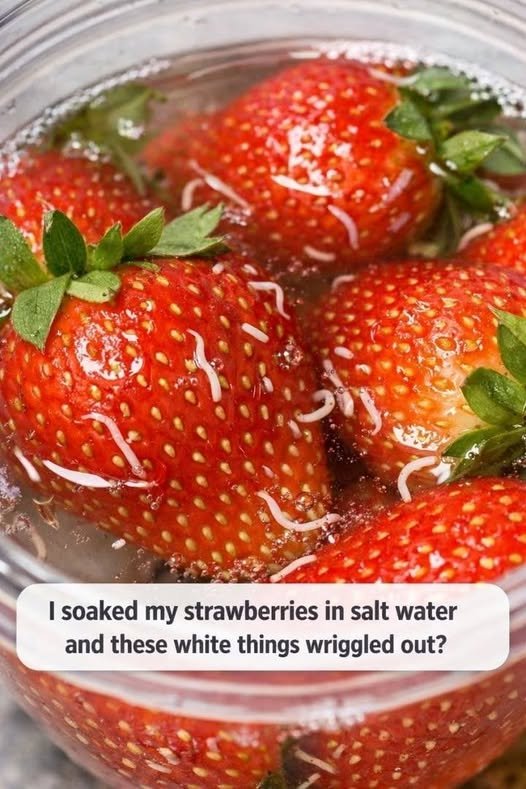
A viral image and a common kitchen experience have sparked a mixture of fascination and horror across social media: soaking a batch of fresh strawberries in salt water, only to watch tiny, white, thread-like creatures wriggle out of the fruit. The caption often reads something along the lines of, “I soaked my strawberries in salt water and these white things wriggled out!”
For anyone who has just witnessed this, the immediate reaction is often a mix of shock and disgust. The thought of unseen organisms hiding inside a beloved summer fruit is enough to make anyone lose their appetite. However, understanding what these tiny white creatures actually are, why they appear, and what it means for the safety of your food can transform a moment of panic into a lesson in food science and agriculture.
This comprehensive guide will explore the biology of these white worms, why they emerge when exposed to salt water, whether it is safe to eat strawberries that contain them, and how to properly clean and store your produce to minimize the risk of finding them.
What Are the White Things Wriggling Out of Your Strawberries?
The tiny white creatures emerging from the strawberries are not parasites or signs of dangerous contamination. They are fruit fly larvae, commonly referred to as maggots.
The Spotted Wing Drosophila
The most common culprit in modern strawberry cultivation is a specific type of fruit fly known as the Spotted Wing Drosophila (Drosophila suzukii). Unlike the common fruit fly that is attracted only to overripe, rotting fruit, the Spotted Wing Drosophila is a notable agricultural pest because it attacks fresh, healthy, ripening fruit.
The adult female fly has a serrated ovipositor (an egg-laying organ) that allows her to pierce the skin of a strawberry and lay an egg inside. When the egg hatches, a tiny white larva begins to feed on the flesh of the fruit. Because the larvae develop entirely inside the strawberry, they are invisible to the naked eye until they are forced to come out.
The Lifecycle
The life cycle of the fruit fly is rapid. Depending on the temperature, an egg can develop into a visible larva in just a few days. This is why you might bring home a seemingly pristine batch of strawberries, only to find maggots a day or two later. They were likely already inside the fruit when you purchased it.
Why Does Salt Water Make Them Wriggle Out?
The process of soaking strawberries in salt water is a well-known kitchen trick designed to force these hidden insects to the surface.
The Science of Osmosis
When you submerge the strawberries in a salt water solution, you create a high-salt environment outside the fruit. Because the larvae are highly sensitive to changes in their environment, the salt acts as an irritant. The high concentration of salt in the water causes an osmotic imbalance. To escape the harsh, dehydrating effects of the salt, the larvae are forced to leave the strawberry and move into the water.
They do not survive long in the salt water, but the sight of them wriggling out is enough to make the most stoic cook squeamish.
Are These Worms Dangerous to Eat?
This is the most important question for any concerned consumer. The short answer is: No, they are not dangerous.
Safe to Consume
While the thought of accidentally eating a maggot is deeply unappetizing, it is not a health hazard. Fruit fly larvae are not parasitic to humans; they cannot survive inside the human digestive system. If you accidentally consume a strawberry with a larva inside, your stomach acid will simply digest it.
According to the FDA and various agricultural extensions, the presence of insect larvae in fresh produce is considered a natural byproduct of the agricultural environment. It does not indicate that the fruit is spoiled, contaminated, or unsafe to eat. In many parts of the world, insects are a normal part of the diet and a valuable source of protein.
The True Sign of Spoilage
While maggots are safe to consume, their presence often indicates that the fruit is past its prime. The larvae feed on the flesh, which can cause the strawberry to become mushy and prone to secondary bacterial or fungal infections. If you find many maggots in your strawberries, the fruit is likely beginning to rot and should be discarded simply for quality reasons.
How to Properly Clean Your Strawberries
If you are concerned about the presence of fruit fly larvae or want to ensure your strawberries are as clean as possible before eating, there are several safe and effective cleaning methods.
The Salt Water Soak
The method shown in the viral image is actually a very effective way to clean strawberries.
Prepare the Solution: In a large bowl, dissolve 1 tablespoon of table salt in 4 cups of water.
Soak the Berries: Add the strawberries to the salt water. Ensure they are fully submerged.
Wait and Observe: Let the strawberries soak for 5 to 10 minutes. If there are any hidden larvae, they will begin to emerge.
Rinse Thoroughly: Remove the strawberries from the salt water and rinse them thoroughly under cold running water. This removes any lingering larvae, salt, and debris.
The Vinegar Method
Another highly effective method for cleaning strawberries and extending their shelf life is a vinegar wash.
Mix the Solution: Combine 1 part white vinegar with 3 parts water in a large bowl.
Soak: Place the strawberries in the solution and let them sit for 5 to 10 minutes.
Rinse and Dry: Drain the strawberries and rinse them well under cold water. Place them on a clean kitchen towel to dry completely.
The vinegar solution is excellent for killing bacteria and mold spores, which helps the strawberries last longer in the refrigerator.
The Baking Soda Method
Baking soda is another gentle, non-toxic cleaner.
Mix: Add 1 teaspoon of baking soda to 4 cups of water.
Soak: Soak the berries for 10 minutes.
Rinse: Rinse well with cold water.
Preventing Fruit Fly Larvae in the Future
While you cannot completely eliminate the risk of encountering fruit fly larvae in fresh, conventionally grown strawberries, there are steps you can take to minimize the chances.
Buy Local and In Season
Strawberries that are grown locally and purchased during their peak season are generally harvested and sold more quickly. This means there is less time for eggs to hatch into visible larvae during transport and storage.
Inspect Your Produce
When purchasing strawberries, look for signs of damage. While early-stage larvae are invisible, adult flies may leave tiny puncture marks on the skin of the fruit. Avoid berries that are leaking juice, have brown spots, or show signs of mold.
Store Properly
Do not wash your strawberries until you are ready to eat them. Moisture is the enemy of fresh berries, as it encourages mold growth and causes the fruit to break down quickly. Keep strawberries in the refrigerator in a breathable container.
Refrigeration
Fruit flies thrive in warm temperatures. Storing your strawberries in the refrigerator slows down the lifecycle of any eggs that might be present, delaying them from hatching into larvae.
Frequently Asked Questions
Q: Are the white things in my strawberries really maggots? Yes. They are the larvae of fruit flies, most commonly the Spotted Wing Drosophila. They are tiny, white, and wriggle when exposed to salt water.
Q: Is it safe to eat strawberries with maggots in them? Yes, they are completely safe to eat. Fruit fly larvae are not harmful to humans and will be digested by stomach acid. However, their presence often indicates the fruit is overripe and may spoil quickly.
Q: Do all strawberries have maggots? No. Most commercially sold strawberries are free of visible larvae. However, the Spotted Wing Drosophila is a common pest in many agricultural regions, so finding them is a possibility.
Q: Does soaking strawberries in salt water kill the maggots? The salt water irritates the larvae, causing them to leave the fruit. They will eventually die in the salt water, but the primary purpose of the soak is to force them out so you can rinse them away.
Q: How long should I soak strawberries in salt water? Aim for 5 to 10 minutes. This is enough time for the salt to irritate any hidden larvae and for them to emerge.
Q: Can I eat strawberries that have a few maggots in them? Yes. Simply wash them thoroughly, remove the affected areas, and they are safe to eat. The flavor of the strawberry is usually unaffected.
Q: Do organic strawberries have maggots? Yes. Organic farming practices do not use synthetic pesticides, which means organic strawberries can be just as susceptible—if not more so—to pests like the Spotted Wing Drosophila.
Q: How do I prevent fruit flies from getting into my strawberries at home? Keep your fruit stored in the refrigerator, and ensure your kitchen is free of overripe fruit that attracts adult fruit flies.
Q: Is it true that soaking strawberries in vinegar makes them last longer? Yes. A vinegar and water soak can help kill bacteria and mold spores on the surface of the strawberries, which can extend their shelf life in the refrigerator by several days.
Q: What is the best way to store strawberries after washing? After washing, dry the strawberries completely with a clean towel or paper towel. Store them in a single layer on a paper towel-lined container in the refrigerator. Moisture will cause them to mold quickly.
Conclusion
Discovering tiny white worms wriggling out of your strawberries after a salt water soak is undoubtedly an unpleasant surprise. However, it is a natural occurrence that highlights the reality of the agricultural ecosystem. These are fruit fly larvae, and while they are unappetizing, they are entirely safe to consume.
By understanding the science behind why they appear and how to properly wash your produce, you can enjoy fresh strawberries with confidence. The salt water soak is a highly effective method for ensuring your fruit is clean and ready to eat. So, the next time you witness this phenomenon, you can rest assured that a thorough rinse is all it takes to enjoy your delicious, nutritious berries.