Just 2 Ingredients to Get Rid of Belly Fat? What You Should Really Know
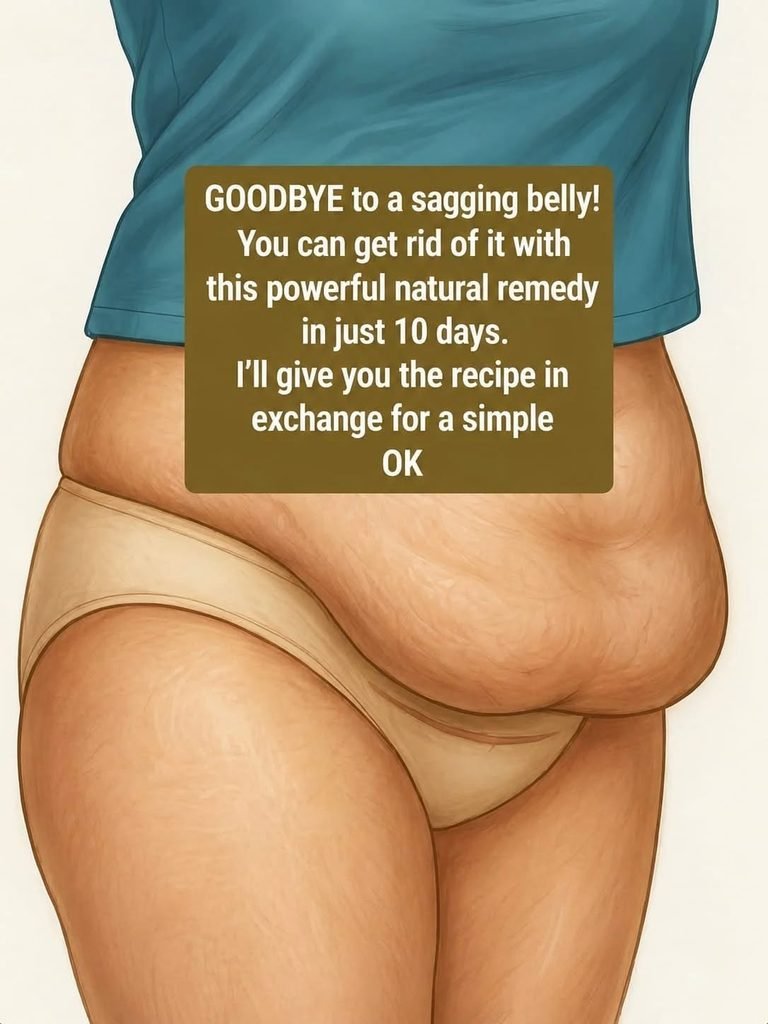
A viral social media post promises that a “powerful natural remedy” made from just two ingredients can get rid of a sagging belly in only 10 days. The post does not name the ingredients. Instead, it asks readers to comment “OK” to receive the recipe. That detail matters. A credible nutrition or medical recommendation should identify the ingredients, explain the evidence, state the limitations, and describe who should avoid the remedy. A vague promise followed by an engagement request is a marketing tactic, not a treatment plan.
The short answer is this: no two-ingredient drink, tea, tonic, or paste can specifically remove belly fat in 10 days. Belly fat is not a single substance that can be dissolved by lemon, ginger, apple cider vinegar, honey, cinnamon, baking soda, or any other kitchen ingredient. Fat loss happens when the body is in a sustained energy deficit, and it happens across the body rather than in one chosen spot. A 10-day change on the scale or around the waist may reflect water loss, glycogen depletion, reduced bloating, or better digestion—not meaningful fat loss.
That does not mean ingredients such as lemon, ginger, or cinnamon are worthless. They can flavor water, replace sugary drinks, add antioxidants, or make healthy meals more enjoyable. Some have modest evidence for appetite, blood sugar, or digestion. But the gap between “may offer a small benefit” and “gets rid of belly fat in 10 days” is enormous.
This article explains what belly fat actually is, why “sagging” is not the same as fat, what the most common two-ingredient remedies can and cannot do, and what a realistic, evidence-based approach looks like.
What the Viral Claim Gets Wrong
The post combines several persuasive but misleading elements.
The ingredients are hidden
A remedy that cannot be evaluated without commenting is not transparent. Different “two-ingredient” recipes circulating online contain very different substances. Lemon and ginger water is not the same as apple cider vinegar and honey, and neither is the same as baking soda and lemon. Each has different risks and different evidence. Without naming the ingredients, the claim cannot be checked.
The timeline is unrealistic
Ten days is long enough to notice less bloating or a temporary drop in water weight. It is not long enough to safely or meaningfully eliminate established belly fat. Sustainable fat loss is usually measured over weeks and months, not days.
“Sagging” is not a fat type
A sagging belly can involve subcutaneous fat, loose skin, weakened abdominal muscles, posture, bloating, or a combination of these. No drink tightens loose skin or repairs abdominal muscle separation. If sagging follows major weight loss, pregnancy, or aging, the approach may involve strength training, time, dermatologic or surgical consultation—not a beverage.
“Natural” does not mean risk-free
Lemon juice is acidic. Apple cider vinegar can erode tooth enamel and irritate the throat. Baking soda is high in sodium and can disrupt acid-base balance if misused. Honey is added sugar. Cinnamon supplements can interact with medications, and some cinnamon products contain coumarin, which can stress the liver in high amounts. Herbal ingredients can interact with blood thinners, diabetes medication, blood pressure drugs, and other prescriptions.
Engagement is not evidence
Asking for “OK” in the comments does not create proof. It creates reach. The number of comments, shares, or testimonials says nothing about whether a remedy works or is safe.
The Biology of Belly Fat: Why Spot Reduction Does Not Work
Belly fat is not one uniform tissue. It includes subcutaneous fat just under the skin and visceral fat packed around the internal organs. Visceral fat is more strongly associated with metabolic and cardiovascular risk, but it is not selectively melted by a drink.
Fat is stored and released systemically
When the body needs energy, hormones signal fat cells throughout the body to release fatty acids. The body does not choose to take fat only from the abdomen because someone drinks lemon water. Where fat comes off first is influenced by genetics, hormones, sex, age, and body composition. For many people, abdominal fat is among the last areas to change noticeably.
A calorie deficit is still required
Fat loss requires burning more energy than is consumed over time. A drink can support a calorie deficit if it replaces sugary beverages, but it cannot create a deficit by itself. Adding a “fat-burning” tonic on top of the same diet and activity level will not produce meaningful fat loss.
Water weight is not fat loss
Low-carbohydrate diets, fasting, sweating, and diuretic effects can reduce scale weight quickly by depleting glycogen and water. That can look impressive in 10 days, but it is not the same as losing fat. It often returns when normal eating and hydration resume.
Bloating is not fat
A distended, uncomfortable belly may be bloating from gas, constipation, food intolerance, hormonal changes, or fluid retention. Reducing bloating can make the abdomen look flatter without changing fat mass. That is a real comfort benefit, but it should not be confused with fat loss.
What “Sagging Belly” Might Actually Mean
The phrase “sagging belly” is not a medical diagnosis. It can describe several different situations.
Subcutaneous fat: Soft fat under the skin that can feel loose or pendulous, especially after weight gain or weight loss.
Loose skin: After significant weight loss, pregnancy, or aging, skin may lose elasticity and appear loose. No drink restores elastic fibers.
Muscle laxity: Pregnancy can cause diastasis recti, a separation of the abdominal muscles. This requires assessment and often targeted physical therapy, not a detox drink.
Postural changes: A forward-leaning posture or pelvic tilt can make the abdomen protrude. Strength and mobility work can help.
Bloating or fluid retention: This can be related to diet, constipation, hormonal cycles, medication, kidney, liver, or heart issues. Persistent or sudden abdominal swelling needs medical evaluation.
Hernia or other medical condition: A bulge that changes with coughing or straining, or comes with pain, needs medical assessment.
This distinction matters because a remedy that promises to “get rid of a sagging belly” is promising to fix several different problems with one drink. That is not biologically plausible.
The Most Common “Two-Ingredient” Remedies: What the Evidence Says
Because the viral post does not name its ingredients, it is useful to evaluate the pairings that circulate most often. None of them is a proven belly-fat cure. Some have modest supportive roles; others carry meaningful risks.
Lemon and Ginger Water
This is one of the most common combinations. It is often promoted as a metabolism booster and detox drink.
What it can do: Lemon and ginger add flavor to water, which may help people drink more fluids. Ginger has evidence for reducing nausea and may have modest anti-inflammatory effects. Lemon provides vitamin C and a small amount of acidity.
What it cannot do: There is no reliable evidence that lemon-ginger water burns belly fat, targets visceral fat, or tightens skin in 10 days. “Detox” claims are misleading because the liver and kidneys already process waste.
Cautions: Lemon juice can irritate reflux, mouth sores, or sensitive teeth. Ginger supplements can interact with anticoagulants, and high doses may cause heartburn or digestive upset.
Apple Cider Vinegar and Honey
This pairing is popular for appetite control and blood sugar support.
What it can do: Small studies have examined apple cider vinegar for modest effects on post-meal blood glucose and appetite. Some people find a diluted vinegar drink before meals reduces appetite. Honey adds sweetness and may make the drink more palatable.
What it cannot do: It does not selectively remove belly fat. Any weight loss is likely from reduced calorie intake or improved diet quality, not from the vinegar melting fat. Honey is added sugar and contributes calories.
Cautions: Undiluted vinegar can damage tooth enamel and irritate the esophagus. Vinegar may interact with diabetes medications, diuretics, or potassium-lowering drugs. People with uncontrolled diabetes, kidney disease, or gastroparesis should not experiment with vinegar remedies without medical advice. Honey should not be given to infants under 12 months.
Baking Soda and Lemon
This is sometimes promoted as an alkalizing detox drink.
What it can do: Baking soda neutralizes acid, which is why it is used as an antacid. Lemon adds flavor.
What it cannot do: It does not burn fat. The body tightly regulates blood pH; a drink does not “alkalize” the body into fat loss.
Cautions: Baking soda is high in sodium and can cause bloating, gas, and electrolyte disturbances. It can be dangerous for people with high blood pressure, heart disease, kidney disease, or on sodium-restricted diets. Large or repeated doses can cause metabolic alkalosis. This is not a safe daily weight-loss strategy.
Cinnamon and Honey
This pairing is often recommended for blood sugar and metabolism.
What it can do: Cinnamon may have modest effects on post-meal glucose in some studies, but results are mixed. It adds sweetness and flavor without sugar when used as a spice.
What it cannot do: It does not melt belly fat. Honey is sugar and can raise blood glucose. Cinnamon supplements are not a proven weight-loss treatment.
Cautions: Cassia cinnamon contains coumarin, which can be harmful to the liver in high doses over time. People on blood thinners, diabetes medication, or liver medication should consult a clinician before using concentrated cinnamon supplements. Cinnamon can also cause mouth irritation or allergic reactions in sensitive people.
Green Tea and Lemon
This is a common “metabolism” drink.
What it can do: Green tea contains caffeine and catechins. Some studies suggest modest increases in energy expenditure or fat oxidation, but the effect is small and not specific to belly fat. Replacing sugary drinks with unsweetened green tea can support a calorie deficit.
What it cannot do: It will not produce dramatic belly-fat loss in 10 days. Caffeine tolerance, sleep disruption, and added sweeteners can offset any benefit.
Cautions: Caffeine can worsen anxiety, insomnia, reflux, and palpitations. People with heart conditions, uncontrolled high blood pressure, or pregnancy should limit caffeine according to medical advice.
The Common Thread
The common thread is not a secret fat-dissolving chemical. It is hydration, flavor, and the replacement of higher-calorie drinks. Those are useful behaviors, but they are not unique to any two-ingredient recipe.
Why the “10 Days” Claim Feels Believable
The 10-day promise is persuasive because bodies can change quickly in ways that look like fat loss.
Less bloating: Removing carbonated drinks, high-sodium foods, or a food intolerance can reduce abdominal distension within days.
Less water retention: Lower carbohydrate intake or reduced sodium can reduce water weight.
Improved bowel regularity: Hydration and fiber can reduce constipation and abdominal fullness.
Reduced alcohol: Alcohol can contribute to bloating, poor sleep, and extra calories. Cutting it for 10 days can visibly change the abdomen.
Better posture and clothing: A small change in posture or choosing different clothing can change appearance without fat loss.
Photo tricks: Lighting, angle, posture, and editing can make before-and-after photos misleading.
None of these is the same as losing fat. They are real experiences, but they do not prove that the drink caused fat loss.
What Actually Supports Belly-Fat Reduction
There is no shortcut that replaces the fundamentals. The evidence-based approach is unglamorous but effective.
1. Create a moderate calorie deficit
A deficit of roughly 300 to 500 calories per day is often used for gradual fat loss, but individual needs vary. Very aggressive deficits can increase muscle loss, fatigue, and rebound eating. A registered dietitian can help set a personalized target.
2. Prioritize protein and fiber
Protein helps preserve muscle and increases satiety. Fiber from vegetables, legumes, whole grains, and fruit supports fullness and digestive health. A practical target for many adults is to include a protein source at each meal and to build meals around vegetables and whole foods.
3. Use resistance training
Strength training signals the body to preserve muscle while losing fat. It also improves posture and abdominal support. Two to three sessions per week can be enough to start, with progressive overload over time.
4. Include regular aerobic activity
Walking, cycling, swimming, and other aerobic activity increase energy expenditure and support cardiovascular health. The general recommendation is at least 150 minutes of moderate activity per week, with more for additional benefits. Daily walks are a practical starting point.
5. Manage sleep and stress
Short sleep and chronic stress can increase appetite, cravings, and abdominal fat storage over time. Seven to nine hours of sleep and stress-management practices are not cosmetic extras; they are part of metabolic health.
6. Limit alcohol and sugary drinks
Alcohol and sugar-sweetened beverages add calories and can contribute to abdominal fat and bloating. Replacing them with water, unsweetened tea, or sparkling water is one of the most reliable changes.
7. Be patient with the timeline
Meaningful fat loss is usually gradual. A rate of about 0.5 to 1 kilogram (1 to 2 pounds) per week is often considered sustainable for many people, but it depends on starting weight and health status. A 10-day deadline is not a realistic fat-loss target.
A Realistic 10-Day Starter Plan
If you want to use the next 10 days productively, do not chase a miracle drink. Use the time to build habits that support fat loss over months.
Days 1–2: Assess and simplify
Record what you drink, including juice, soda, sweetened coffee, and alcohol.
Replace one sugary drink per day with water or unsweetened tea.
Take a waist measurement and note how clothes fit. Do not weigh yourself multiple times a day.
Days 3–5: Build meals around protein and vegetables
Add a palm-sized portion of protein to each meal.
Fill half the plate with vegetables at lunch and dinner.
Choose whole fruit instead of juice.
Keep the two-ingredient drink, if you enjoy it, as a replacement for a sugary drink—not as an addition.
Days 6–8: Add movement
Walk for 10 to 20 minutes after one meal.
Do two short strength sessions using body weight, bands, or weights.
Include gentle core and posture exercises if medically appropriate.
Days 9–10: Review and plan
Review what improved: energy, bloating, sleep, steps, or consistency.
Set one goal for the next 30 days.
If you have a medical condition, medication, or history of an eating disorder, discuss your plan with a clinician.
This plan does not promise a flat belly in 10 days. It gives you a safe start and a way to measure progress beyond a misleading before-and-after photo.
Safety: Who Should Be Especially Cautious
Two-ingredient remedies are not automatically safe for everyone.
People with diabetes: Vinegar, cinnamon, and changes in carbohydrate intake can affect blood glucose. Medication doses may need adjustment. Monitor glucose and consult a clinician.
People with kidney disease: Baking soda, high-potassium ingredients, and concentrated supplements can be dangerous. Do not use homemade remedies without medical guidance.
People with high blood pressure or heart disease: Baking soda is high in sodium. Some herbal ingredients can interact with blood pressure or heart medications.
People on blood thinners: Ginger, cinnamon, and some herbal ingredients may increase bleeding risk or interact with anticoagulants.
People with reflux, gastritis, or ulcers: Lemon juice and vinegar can worsen symptoms.
People with eating disorders or a history of disordered eating: Weight-focused challenges and before-and-after promises can be harmful. Seek supportive professional care.
Pregnant or breastfeeding people: Avoid concentrated herbal remedies and weight-loss protocols unless approved by a clinician.
Children and teenagers: Do not use viral weight-loss remedies. Growth and nutrition needs are different.
When to See a Doctor
Seek medical advice if you experience:
Sudden or severe abdominal swelling, pain, or tenderness.
A new bulge that changes with coughing or straining.
Unexplained weight loss or gain.
Persistent bloating, constipation, diarrhea, or vomiting.
Signs of dehydration, dizziness, or fainting.
Blood in the stool or black stools.
Symptoms that suggest low blood sugar or high blood sugar.
Any reaction after trying a new remedy, such as rash, swelling, difficulty breathing, or severe digestive upset.
Also speak with a clinician before starting a weight-loss plan if you have a chronic condition, take prescription medication, are pregnant or breastfeeding, or have a history of an eating disorder.
Frequently Asked Questions
Q: Can two ingredients really remove belly fat in 10 days? No. No food or drink combination can selectively remove belly fat in 10 days. Fat loss requires a sustained calorie deficit and happens across the body. A 10-day change is more likely water weight, reduced bloating, or glycogen loss.
Q: What are the two ingredients most likely to be in these viral remedies? Common pairings include lemon and ginger, apple cider vinegar and honey, baking soda and lemon, cinnamon and honey, or green tea and lemon. The viral post does not name them, which makes the claim impossible to evaluate properly.
Q: Is lemon water good for belly fat? Lemon water can help people drink more water and may replace sugary drinks. That can support a calorie deficit indirectly. Lemon itself does not burn belly fat.
Q: Does apple cider vinegar burn belly fat? There is no strong evidence that apple cider vinegar specifically burns belly fat. Some small studies suggest modest effects on appetite or post-meal glucose. It can erode tooth enamel and irritate the throat, and it may interact with medications.
Q: Is baking soda and lemon safe for weight loss? Baking soda and lemon is not a safe daily weight-loss remedy. Baking soda is high in sodium and can cause electrolyte and acid-base problems, especially in people with kidney, heart, or blood pressure conditions. It does not burn fat.
Q: Why does my belly look flatter after drinking a detox drink? Possible reasons include reduced bloating, less water retention, improved bowel regularity, or replacing high-calorie drinks. That is not the same as fat loss.
Q: What is the fastest safe way to reduce belly fat? There is no safe “fast” method that targets belly fat. The most reliable approach is a moderate calorie deficit, adequate protein and fiber, resistance training, regular aerobic activity, sleep, stress management, and limiting alcohol and sugary drinks. A clinician or dietitian can personalize the plan.
Q: Can a drink tighten loose skin? No. Loose skin after weight loss, pregnancy, or aging involves changes in collagen and elastin. No drink restores skin elasticity. Strength training, time, and dermatologic consultation are more appropriate discussions.
Q: Are “natural” fat-burning drinks risk-free? No. Herbal ingredients and kitchen remedies can interact with medications and cause digestive, dental, kidney, or electrolyte problems. “Natural” does not mean safe for everyone.
Q: What should I do if I want to try a two-ingredient drink anyway? Treat it as a flavored beverage, not a treatment. Keep it diluted, avoid excessive amounts, check for medication interactions, and do not use it to replace meals, medical care, or proven fat-loss strategies. Stop if you experience irritation or digestive symptoms.
Conclusion
The promise of a two-ingredient remedy that erases a sagging belly in 10 days is appealing because it offers certainty, simplicity, and speed. Biology does not work that way. Belly fat is stored fat, not a toxin to be flushed away. Loose skin and weakened abdominal muscles are not repaired by a drink. A 10-day change is more likely to reflect water, bloating, or digestion than meaningful fat loss.
Some ingredients used in these viral recipes can be pleasant and even modestly useful—lemon in water, ginger tea, unsweetened green tea, cinnamon as a spice. But they are supporting players, not cures. The real levers are a sustainable calorie deficit, enough protein and fiber, strength training, regular movement, sleep, stress management, and medical care when needed.
If you want to change your belly, start with what the evidence supports and give it time. Ignore posts that hide the ingredients and ask for a comment before sharing the “recipe.” Your health deserves transparency, accuracy, and a plan that works beyond 10 days.