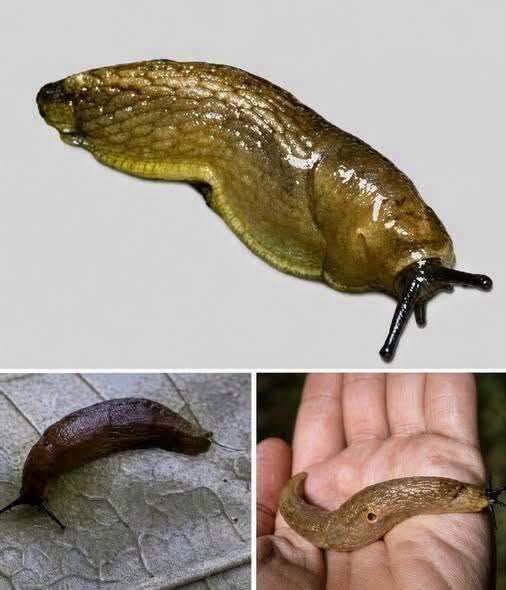
Did You Know That When a Slug Visits Your House, It Means That You Have… Here’s the Truth
Finding a slug in your home can be a surprising and slightly unpleasant experience. These slimy, slow-moving creatures are usually found in gardens, under rocks, or in damp, dark corners of the yard. So when one shows up indoors, it’s natural to wonder what it means.
Some viral posts claim that a slug in your house is a sign of something specific — often something negative. But the truth is more practical. Here’s what a slug in your home actually means. 👇
Disclaimer: This post is for informational purposes only. Slugs are not dangerous to humans, but they can carry bacteria. Always wash your hands after handling them.
🔬 What a Slug in Your House Really Means
The short answer: It means you have moisture and a food source nearby.
Slugs are attracted to two things: dampness and decaying organic matter. If a slug has found its way into your home, it’s likely because one or more of the following conditions exist:
1. You Have a Damp or Humid Environment Slugs thrive in moist conditions. If you have a leaky pipe, poor ventilation, or a damp basement or bathroom, slugs may find their way in.
2. You Have a Food Source Slugs feed on decaying plant matter, fungi, and sometimes pet food. If you have houseplants, a compost bin, or pet food left out, you may be attracting them.
3. You Have Cracks or Gaps Slugs can squeeze through very small openings. Cracks in walls, gaps under doors, or openings around pipes can provide an easy entry point.
4. It’s Just Passing Through Sometimes, a slug simply wanders in by accident. It may have been looking for shelter and found its way inside through an open door or window.
What it does NOT mean:
It’s not a sign of a curse or bad luck. That’s folklore, not fact.
It’s not a sign of a serious infestation. Slugs don’t typically infest homes like insects do.
It’s not dangerous. Slugs are not venomous and don’t bite.
🧹 What to Do About It
If you find a slug in your home, here’s what you should do:
Put on gloves and pick it up with a paper towel.
Dispose of it outside, far from your home.
Clean the area with soap and water or a mild disinfectant.
Check for moisture — fix leaks, improve ventilation, and reduce humidity.
Seal entry points — check for cracks and gaps and seal them up.
Remove food sources — don’t leave pet food out, and keep houseplants tidy.
❓ Frequently Asked Questions
What does it mean when a slug is in your house? It means you have moisture and a potential food source nearby. Slugs are attracted to damp environments and decaying organic matter.
Are slugs dangerous? No — slugs are not venomous and don’t bite. However, they can carry bacteria, so wash your hands after handling them.
Do slugs carry diseases? Slugs can carry bacteria and parasites, including a parasite that can be harmful to pets and humans if ingested. Always wash your hands and keep pets away from them.
How do I get rid of slugs in my house? Remove them physically, reduce moisture, seal entry points, and eliminate food sources.
Why do I keep finding slugs in my house? It’s likely because of a damp environment, a food source, or easy entry points. Fixing these issues should solve the problem.
Can slugs climb walls? Yes — slugs can climb walls, especially if they are damp.
Are slugs a sign of a bigger problem? Not usually. A slug in the house is usually a one-time occurrence unless you have a persistent moisture problem.
How do I prevent slugs from coming back? Keep your home dry, fix leaks, seal cracks, and keep the area around your home free of debris and decaying plant matter.
Should I kill slugs? It’s not necessary. You can simply relocate them outside. If you have a garden, there are humane ways to deter them.