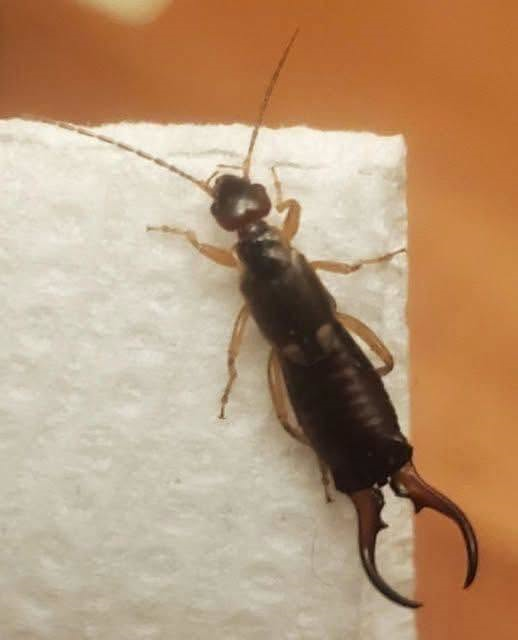
ust Saw This Terrifying Creature Darting Across My Basement Floor — Is It Dangerous?
You’re in the basement when something catches your eye. A creature with way too many legs, a prehistoric look, and huge antennae darts across the floor at lightning speed. Your first instinct is to panic.
Before you grab a shoe, take a breath. This frightening-looking bug is actually one of the most misunderstood — and helpful — creatures you can find in your home.
🔬 What Is This Creature?
This is a house centipede (scientific name Scutigera coleoptrata). It’s also known as a “hundred-legger” or “basement runner.”
Why it looks so scary:
The legs: It can have up to 15 pairs of legs, which move in a wave-like pattern that looks both fascinating and terrifying.
The antennae: Those long, sensitive antennae help it navigate and hunt in the dark.
The speed: House centipedes can move up to 1.3 feet per second, which is why they seem to “dart” across the floor.
The prehistoric look: Their segmented bodies and long, spindly legs give them a look that hasn’t changed much in millions of years.
⚠️ Is This Thing Dangerous?
The short answer: No. House centipedes are not dangerous to humans.
They don’t bite people: Their jaws are too weak to break human skin. They only bite small insects.
They aren’t venomous to humans: While they have venom, it’s designed for tiny prey like bugs, not people.
They avoid humans: They are actually afraid of you and will run away if they sense you.
Why you might want to keep them around: House centipedes are beneficial predators. They eat the pests you actually don’t want in your home:
Cockroaches
Silverfish
Spiders
Ants
Bed bugs
Termites
Moths
Think of them as a free, natural pest control service that happens to look like something out of a horror movie.
💡 What You Should Do
Don’t panic: They are harmless and helpful.
Let it be: If you can tolerate it, leave it alone. It will help control other pests.
Remove it safely: If you really can’t stand it, use a glass and a piece of paper to catch it and release it outside.
Reduce moisture: House centipedes love damp environments. Fix leaks and use a dehumidifier to make your basement less inviting.
Seal entry points: Check for cracks and gaps where they might be entering.
❓ Frequently Asked Questions
Is a house centipede dangerous? No — they are not dangerous to humans. They can’t bite through human skin, and their venom is only harmful to small insects.
Why is it in my basement? They love dark, damp environments. If you have other bugs in your basement, they will follow their food source.
Do house centipedes bite? They can bite, but their jaws are too weak to break human skin. It feels like a tiny pinch, if anything.
Should I kill it? It’s not recommended. They are beneficial and help control other pests. If you must, relocate it outside.
What do house centipedes eat? They eat cockroaches, silverfish, spiders, ants, bed bugs, and other household pests.
How do I get rid of them? Reduce moisture in your home, seal cracks, and remove their food sources. They will leave if there are no bugs to eat.
Are they poisonous? Their venom is only toxic to small insects. It is not harmful to humans or pets.
Do they live in groups? They are solitary creatures. If you see one, it’s likely hunting alone.