Silverfish in Your Home? Here’s What Their Presence Really Means (And How to Get Rid of Them)
Meta Description: Found a silverfish darting across your bathroom floor? Discover what these ancient insects indicate about your home’s environment and learn effective, natural ways to banish them for good.
Introduction
You flip on the bathroom light or open a dark closet, and suddenly, a small, silvery-gray insect darts quickly out of sight. It moves with a strange, fish-like wriggling motion.
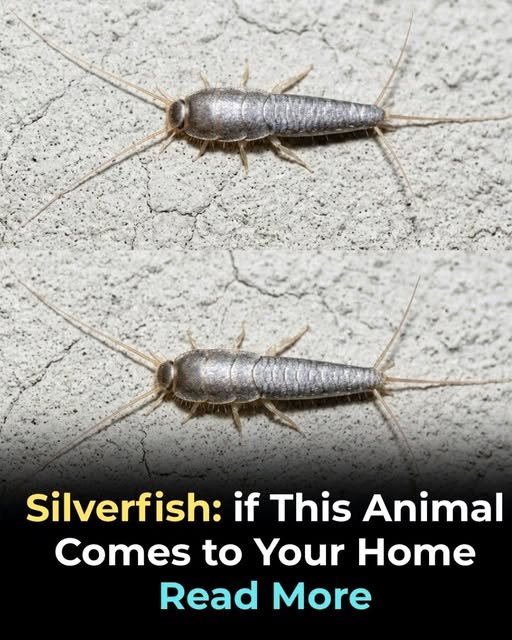
If you’ve seen this creature in your home, you aren’t alone. Silverfish are one of the most common household pests, yet they remain a mystery to many homeowners. The image above highlights these peculiar bugs, and the warning is clear: if they are in your house, you need to pay attention.
But what does it actually mean when silverfish invade your space? Are they dangerous? And more importantly, how do you get rid of them? Let’s dive into the world of silverfish and reclaim your home.
What Exactly is a Silverfish?
Despite the name, silverfish are not fish at all. They are primitive, wingless insects that have been around for over 400 million years—predating even the dinosaurs!
They are easily identified by:
Color: A metallic silver or gray sheen (due to tiny scales on their body).
Shape: A tapered, carrot-like body.
Antennae: Two long antennae at the front and three long “tails” at the back.
Movement: They are incredibly fast and dart away quickly when exposed to light.
The Warning Sign: What It Means If Silverfish Are in Your Home
The text in the image says, “If this animal comes to your home, read more.” Here is what their presence is trying to tell you:
1. You Have a Moisture Problem
Silverfish require high humidity to survive (typically 75% to 95%). If you are seeing them frequently, especially in bathrooms, basements, kitchens, or laundry rooms, it is a clear sign that your home has excess moisture, poor ventilation, or hidden leaks.
2. You Have Hidden Food Sources
Silverfish are scavengers. They feed on carbohydrates, particularly sugars and starches. If they are thriving in your home, they have found an all-you-can-eat buffet. Their favorite foods include:
Paper products: Books, newspapers, wallpaper, and cardboard boxes.
Glue and paste: The binding in books and wallpaper.
Fabrics: Cotton, linen, silk, and synthetic fibers (especially if stained with food or sweat).
Pantry items: Flour, oats, and dried pasta.
3. There Are Cluttered Hiding Spots
Silverfish are nocturnal and photophobic (afraid of light). They spend their days hiding in dark, undisturbed areas. If you have piles of old newspapers, cardboard boxes in the garage, or cluttered closets, you are providing them with the perfect real estate.
Are Silverfish Dangerous to Humans?
The good news: No. Silverfish do not bite, sting, or carry diseases. They are not known to trigger allergies or asthma in most people.
However, they are dangerous to your property. Because of their diet, a severe infestation can result in:
Yellow stains and holes in your clothing.
Damaged book bindings and eaten pages.
Peeling wallpaper.
Contaminated pantry food.
How to Get Rid of Silverfish Naturally
You don’t always need harsh chemicals to evict these ancient pests. Here is a step-by-step guide to getting rid of them:
Step 1: Reduce the Humidity (Crucial!)
Since silverfish need moisture to live, drying out your home is your best defense.
Use a dehumidifier in damp areas like basements and bathrooms.
Fix any leaky pipes or faucets immediately.
Ensure your bathroom and kitchen have working exhaust fans.
Step 2: Eliminate Their Food Sources
Store dry pantry goods (flour, cereal, pasta) in airtight glass or plastic containers.
Keep books, papers, and cardboard boxes off the floor and in dry areas.
Regularly vacuum carpets, rugs, and dark corners to remove food debris and potential eggs.
Step 3: Use Natural Repellents
Silverfish hate strong scents. You can use these natural deterrents:
Cedar: Cedar blocks, shavings, or cedar essential oil are highly effective repellents. Place them in closets and drawers.
Citrus: Wipe down surfaces with lemon or orange essential oil diluted in water.
Lavender: Silverfish dislike the smell of lavender. Place sachets in your drawers and cabinets.
Cucumber Peels: Placing fresh cucumber peels in infested areas can act as a temporary deterrent (just remember to throw them away before they rot!).
Step 4: The Diatomaceous Earth Trick
For a more direct approach, use food-grade Diatomaceous Earth (DE).
Sprinkle a thin layer of DE in corners, under sinks, and along baseboards.
DE is a natural powder made from fossilized algae. It is harmless to humans and pets but deadly to insects. When silverfish crawl over it, it damages their exoskeleton, causing them to dehydrate and die.
When to Call a Professional
If you have tried reducing humidity and using natural remedies but continue to see silverfish—especially during the day—it may be time to call a pest control professional. A large infestation can be difficult to eradicate without industrial-grade treatments.
Conclusion
Finding a silverfish in your home can be unsettling, but it’s ultimately a helpful warning sign. They are nature’s way of telling you that your home is too damp or too cluttered.
By controlling moisture, decluttering, and using natural repellents, you can create an environment that silverfish simply cannot survive in. So, the next time you see that silver dart, don’t panic—just take action!
Disclaimer: This article is for informational purposes only. If you have a severe pest infestation, please consult a licensed pest control professional.