10 Household Scents That May Help Make Your Yard Less Appealing to Snakes
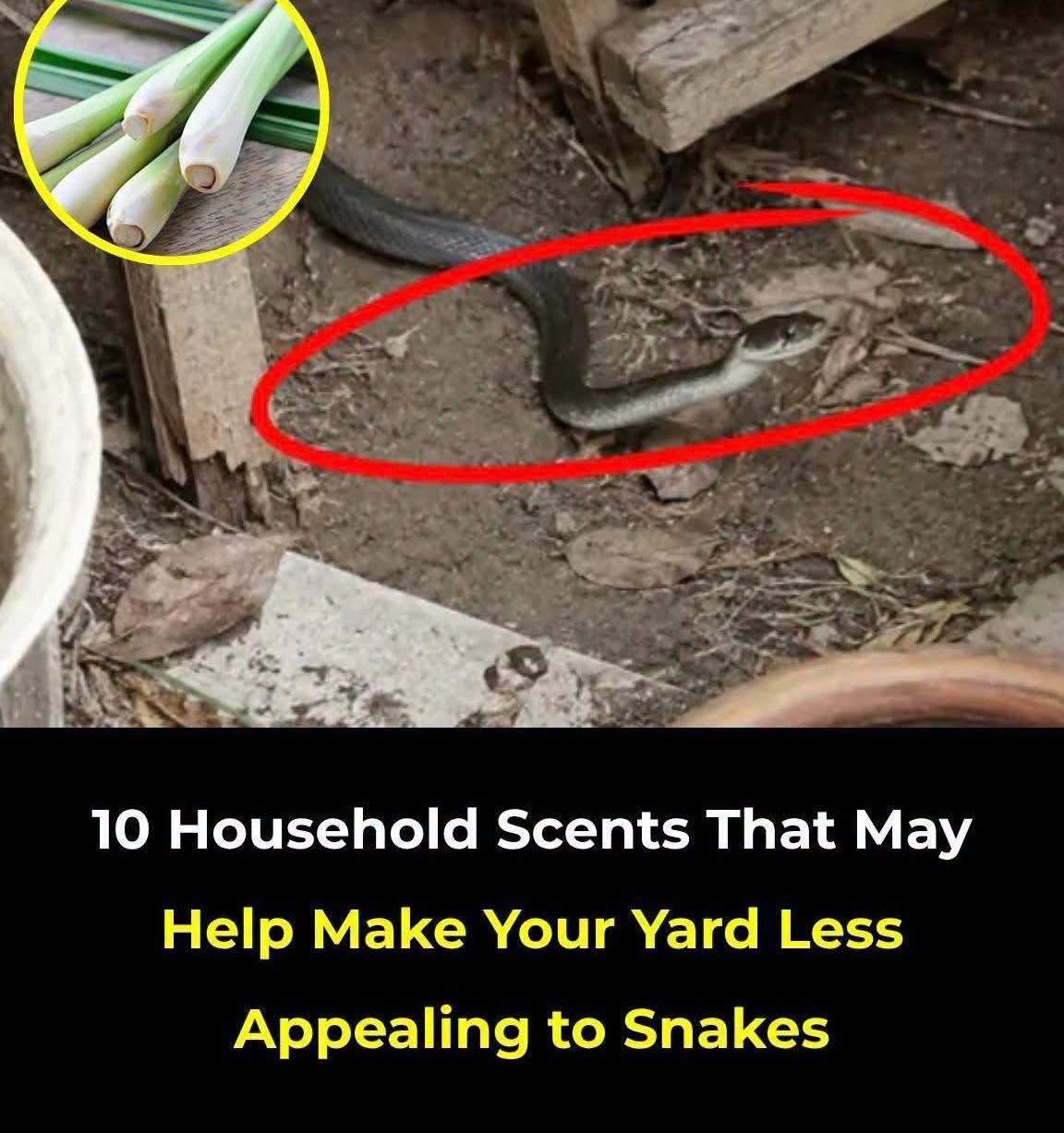
The image above shows a snake near a wooden structure, with an inset of green onions. The text reads: “10 Household Scents That May Help Make Your Yard Less Appealing to Snakes.”
Snakes are a natural part of many ecosystems, and most are harmless to humans. However, finding one in your yard can be unsettling, especially if you have pets or small children. While there is no scientific proof that any scent can reliably repel snakes, some homeowners use strong-smelling household items as part of a broader strategy to make their outdoor spaces less inviting.
Here are ten scents that are often suggested for this purpose, along with important context about what actually works.
1. Onion
The image highlights green onions, and this is a common suggestion. The strong sulfur compounds in onions and garlic are thought to be irritating to a snake’s sensitive sense of smell.
2. Garlic
Like onions, garlic contains sulfur compounds that create a potent odor. Some gardeners plant garlic around the perimeter of their yards or use garlic-based sprays.
3. Vinegar
White vinegar is a common household item with a sharp, acidic smell. Some people spray diluted vinegar around fence lines and entry points.
4. Ammonia
Ammonia is a strong-smelling cleaning agent. Some sources suggest soaking rags in ammonia and placing them in areas where snakes have been seen. Caution: Ammonia is a harsh chemical and should be handled carefully, away from pets and children.
5. Cloves and Cinnamon
Spices like cloves and cinnamon have strong, distinctive aromas. Some people sprinkle these powders around garden beds or entryways.
6. Eucalyptus
Eucalyptus oil has a strong, medicinal scent. It is sometimes used in DIY repellent sprays, though it should be diluted and used with caution around pets.
7. Peppermint
Peppermint oil is another essential oil often suggested for pest control. Its strong menthol aroma is thought to be unpleasant to many animals.
8. Lemongrass
Lemongrass contains citronella, a natural oil that is also used in some insect repellents. Planting lemongrass or using the oil may help deter pests.
9. Marigolds
Marigolds are popular garden flowers with a strong scent. They are often planted around vegetable gardens to deter various pests.
10. Citrus Peels
The smell of citrus, such as orange or lemon peels, is another common suggestion. Some people scatter peels around the yard or use citrus-based sprays.
The Reality of Scent-Based Repellents
It is important to set realistic expectations. There is no scientific evidence that any of these scents will reliably repel snakes. Snakes do not avoid these smells in the way that insects might. In many cases, the effect is temporary, and the scent may fade quickly, especially after rain.
What Actually Works to Discourage Snakes
If you want to reduce the likelihood of snakes in your yard, experts recommend focusing on habitat modification rather than scent.
Remove Food Sources: Snakes are attracted to areas with rodents, frogs, and insects. Controlling these populations can make your yard less appealing.
Eliminate Hiding Spots: Clear away piles of leaves, wood, and debris. Keep grass mowed and trim bushes away from the ground.
Seal Entry Points: Close gaps under fences, sheds, and foundations.
Remove Standing Water: Snakes and their prey are attracted to water sources. Fix leaky pipes and empty standing water.
Use Physical Barriers: Install fencing with mesh that is buried a few inches into the ground.
A Balanced Approach
If you encounter a snake in your yard, the safest approach is to leave it alone and let it move on. Most snakes are beneficial and help control rodent populations. If you have a persistent problem or are concerned about venomous species, contact a local wildlife removal professional.