🐍 Is This Black Snake That Bit Me Actually Venomous? Here’s What You Need to Know
If you’ve been bitten by a black snake and you’re holding it in your hand like the one in the photo, the first thing you need to do is stay calm. While it’s natural to panic, the vast majority of black snakes people encounter are non-venomous and harmless. However, any bite requires attention.
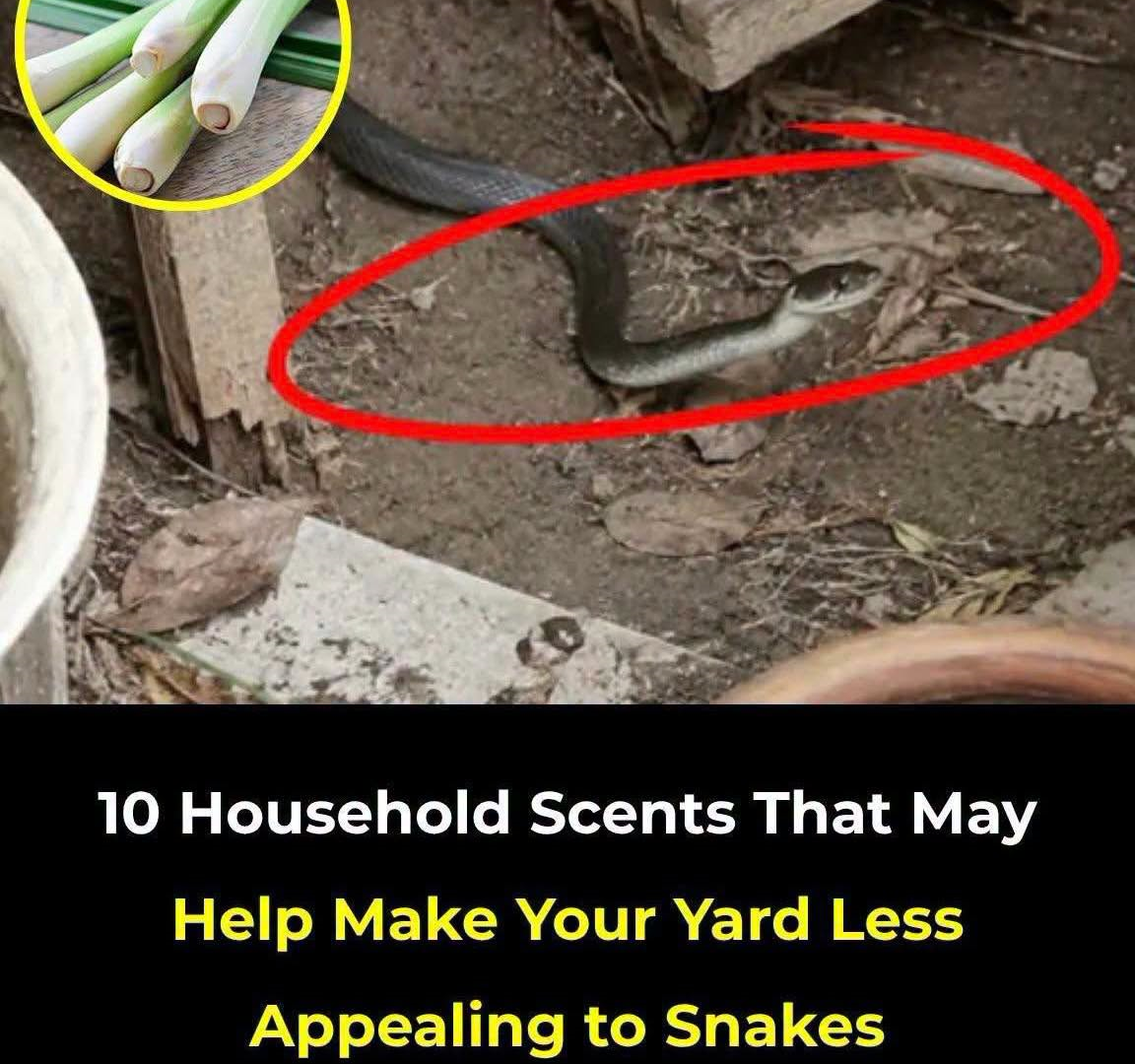
Based on the photo, this snake looks like a Black Racer or a Black Rat Snake — both of which are non-venomous and common in North America. Here is what you need to know. 👇
Disclaimer: This post is for informational purposes only and is not a substitute for professional medical advice. If you have been bitten by a snake, seek medical attention immediately, especially if you are unsure of the species.
🔬 Identifying the Snake in the Photo
Looking at the image, there are a few key features that point to this being a non-venomous species:
Uniform black color: The snake has a solid, glossy black body with no distinct patterns. This is typical of Black Racers and Black Rat Snakes.
Head shape: The head is slightly distinct from the neck but not triangular. Venomous snakes like pit vipers usually have a broad, triangular head (though this isn’t a foolproof rule).
Eye shape: It’s hard to see clearly, but non-venomous snakes typically have round pupils, while pit vipers have vertical, slit-like pupils.
Body shape: It appears slender and agile, which is characteristic of racers and rat snakes.
Common Non-Venomous Black Snakes:
Black Racer (Coluber constrictor): Fast, active, and found in a variety of habitats. They are known for being curious and may bite if handled.
Black Rat Snake (Pantherophis obsoletus): Excellent climbers and rodent-eaters. They are usually docile but can bite if threatened.
Note: There is a venomous snake called the Black Mamba in Africa, but it does not look like this and is not found in North America.
⚠️ What to Do If You’ve Been Bitten
Even if the snake is non-venomous, a bite can still cause injury and infection. Here are the steps to take:
Stay calm: Panic increases your heart rate, which can spread venom faster if the snake was venomous.
Wash the wound: Gently clean the bite area with soap and water.
Immobilize the area: Keep the bitten limb still and below the level of your heart.
Remove tight items: Remove rings, watches, or tight clothing before swelling begins.
Do NOT: Do not cut the wound, try to suck out the venom, apply a tourniquet, or apply ice.
Seek medical attention: If you are unsure about the species, or if you experience symptoms like swelling, numbness, dizziness, or difficulty breathing, go to the emergency room immediately.
Important: If you can safely take a photo of the snake (like the one provided), do so. It helps medical professionals identify the species and determine the correct treatment.
❓ Frequently Asked Questions
Is this snake venomous? Based on the photo, it appears to be a non-venomous Black Racer or Black Rat Snake. However, only a medical professional or herpetologist can confirm the species with certainty.
What should I do if I’m bitten by a black snake? Wash the wound, keep the limb still, and seek medical attention. Even non-venomous bites can cause infection.
Can a non-venomous snake bite hurt? Yes. Non-venomous snakes have teeth and can cause puncture wounds, bleeding, and bruising. The bite can be painful and may become infected.
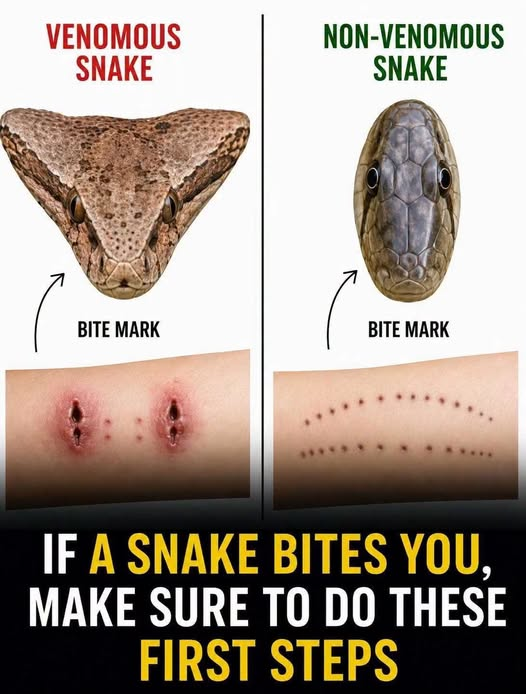
How do I tell if a snake is venomous? Venomous snakes (pit vipers) usually have a triangular head, vertical pupils, and a heat-sensing pit between the eye and nostril. Non-venomous snakes typically have round pupils and a slender head. However, these are not foolproof rules.
Are Black Racers dangerous? Black Racers are non-venomous but can be aggressive if cornered. They are fast and may bite repeatedly if they feel threatened.
Are Black Rat Snakes dangerous? Black Rat Snakes are non-venomous and generally docile. They are more likely to freeze or flee than bite.
What if I don’t know what kind of snake bit me? Go to the emergency room immediately. Take a photo of the snake if possible, but do not try to catch or kill it.
Can I get rabies from a snake bite? No. Snakes do not carry rabies. However, they can carry bacteria that cause infection.
What are the symptoms of venomous snake bites? Symptoms include severe pain, swelling, bruising, nausea, vomiting, dizziness, numbness, and difficulty breathing. If you experience any of these, seek emergency care.
How can I prevent snake bites? Wear boots and long pants when in snake habitats, never handle wild snakes, and watch where you step and put your hands.