The Truth About the “Miracle” White Powder: What MSM and Magnesium Can Actually Do for Your Health
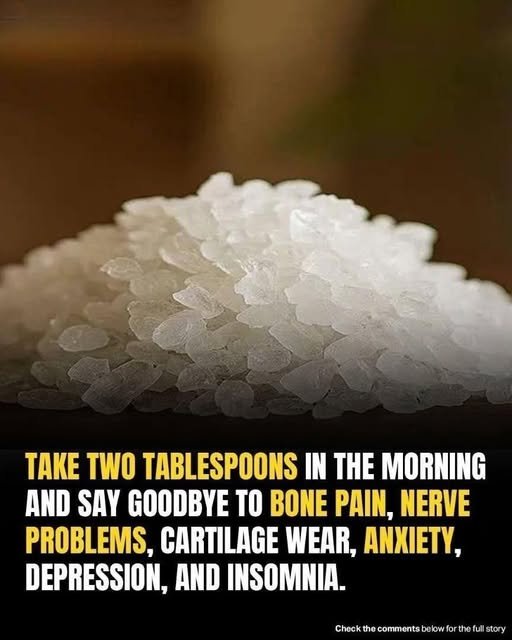
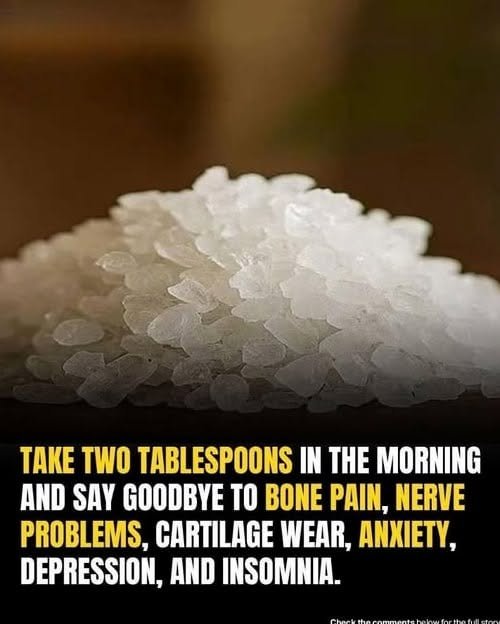
Viral social media posts frequently promise a single, simple solution to a complex web of health issues. The image above is a classic example of this trend, displaying a pile of white crystalline flakes accompanied by a bold, sweeping claim: “Take two tablespoons in the morning and say goodbye to bone pain, nerve problems, cartilage wear, anxiety, depression, and insomnia.” A common caption attached to this post goes even further, suggesting it combats diabetes and constipation as well.
Whenever a single ingredient is touted as a panacea for such a diverse range of conditions—from the structural (cartilage wear) to the psychological (depression and anxiety) to the metabolic (diabetes)—it is essential to approach the claim with healthy skepticism.
While there is no single “magic powder” that can cure all of these ailments, the white flakes in the image strongly resemble two common, evidence-backed nutritional supplements: MSM (Methylsulfonylmethane) and Magnesium.
Both of these supplements have legitimate places in the world of nutrition and can indeed influence many of the conditions listed in the viral post. However, the promise of “two tablespoons” resolving complex systemic issues is a dangerous oversimplification. Taking a massive dose of any concentrated powder can lead to severe side effects.
This comprehensive guide will explore the science behind these white crystalline supplements, separating the legitimate benefits from the internet hype. We will examine what they can actually do for joint pain, nervous system function, blood sugar, and digestion, while highlighting the critical safety warnings that viral posts always seem to leave out.
Identifying the “Miracle” Powder
The image shows a coarse, white, crystalline substance. In the realm of natural health, two main compounds fit this visual description and the claims made in the post.
1. MSM (Methylsulfonylmethane)
MSM is an organic sulfur-containing compound. It is naturally found in small amounts in the human body, as well as in fresh fruits, vegetables, and grains. It is frequently sold as a white crystalline powder. MSM is most famous for its claims regarding joint health, cartilage repair, and inflammation reduction.
2. Magnesium (Specifically Magnesium Citrate or Oxide)
Magnesium is an essential mineral involved in over 300 enzymatic reactions in the body. It is often sold as a white powder (like magnesium citrate) to be mixed with water. Depending on the form, it is used to support muscle relaxation, nerve function, sleep, anxiety reduction, and, in higher doses, to relieve constipation.
The viral post’s diverse list of ailments is likely a mashup of the benefits attributed to both of these supplements. The claims about bone pain and cartilage wear point to MSM, while the claims about nerve problems, anxiety, depression, insomnia, diabetes, and constipation strongly point to Magnesium.
Claim 1: Combating Bone Pain, Nerve Problems, and Cartilage Wear
The post promises relief from bone pain and cartilage wear. This is the primary domain of MSM.
The Science of Sulfur
MSM is a rich source of bioavailable sulfur. Sulfur is the third most abundant mineral in the body and is absolutely critical for the formation of connective tissues. It is a key component of the amino acids cysteine and methionine, which form the building blocks of collagen and keratin. Without adequate sulfur, the body cannot properly repair the cartilage matrix that cushions joints and the connective tissues surrounding bones.
Does It Rebuild Cartilage?
It is crucial to understand the distinction between slowing the degradation of cartilage and rebuilding it. No oral supplement has been clinically proven to regrow cartilage that has been lost to severe osteoarthritis. However, MSM can help maintain the health of the remaining cartilage and reduce the inflammation that causes bone-on-bone pain.
Clinical Evidence for Joint Pain
Research on MSM for joint health has yielded positive, though modest, results. A randomized controlled trial investigating MSM in patients with knee osteoarthritis found that the supplement led to a significant reduction in pain and improvement in physical function compared to a placebo.
Furthermore, MSM acts as a natural anti-inflammatory. It has been shown to inhibit the production of inflammatory cytokines and block the pathways that lead to swelling. By reducing inflammation around the joints, MSM can alleviate the deep, aching pain associated with cartilage wear.
Nerve Problems
While MSM is primarily known for joints, the post also mentions nerve problems. This is where Magnesium comes into play. Magnesium is essential for the health of the myelin sheath—the protective coating that insulates nerve cells. A deficiency in magnesium can lead to nerve irritation, tingling, and hypersensitivity.
Claim 2: Anxiety, Depression, and Insomnia
The post claims that this mystery ingredient can cure mental health struggles and sleep issues. This is a massive overstatement, but magnesium does play a role in these areas.
Magnesium and the Nervous System
Magnesium is often referred to as the “relaxation mineral.” It regulates the hypothalamic-pituitary-adrenal (HPA) axis, which is the body’s central stress response system.
Anxiety: Magnesium helps regulate the release of cortisol (the stress hormone) and supports the function of GABA (gamma-aminobutyric acid), a neurotransmitter that promotes calmness. Some studies suggest that magnesium supplementation can mildly reduce symptoms of mild anxiety and help manage stress.
Depression: There is a growing body of research linking low magnesium levels to depression. Magnesium is involved in brain-derived neurotrophic factor (BDNF) signaling, which is crucial for brain plasticity and mood regulation. However, magnesium is not a cure for clinical depression. It may serve as a supportive adjunct to traditional therapies like medication and counseling, but relying on it alone is dangerous.
Insomnia: Because of its muscle-relaxing properties and its role in regulating the sleep hormone melatonin, magnesium is a popular natural sleep aid. It can help improve sleep quality and reduce the time it takes to fall asleep, particularly in people who are deficient.
The Placebo Effect and the Danger of Oversimplification
The viral post offers a dangerous simplification. Severe anxiety and clinical depression are complex conditions that require professional diagnosis and care. While proper nutrition is vital, a spoonful of powder is not a substitute for evidence-based treatments. The “cure” for these mental health conditions is rarely a single ingredient.
Claim 3: Diabetes and Blood Sugar Regulation
The user’s caption suggests the ingredient treats diabetes. Again, this is an exaggeration, but there is a biological link between magnesium and blood sugar.
Magnesium and Insulin Sensitivity
Magnesium plays a crucial role in glucose metabolism. A significant body of research shows that low magnesium levels are associated with insulin resistance—a precursor to type 2 diabetes.
Magnesium acts as a cofactor for enzymes involved in glucose transport and helps the cells respond more effectively to insulin. While supplementing with magnesium can improve insulin sensitivity in people who are deficient, it is not a cure for diabetes. Diabetes requires a comprehensive approach involving dietary changes, physical activity, monitoring, and often medication.
Claim 4: Constipation Relief
The claim that this ingredient cures constipation is perhaps the most predictable.
The Osmotic Laxative Effect
If the white powder is Magnesium Citrate, taking a large dose will definitely cause a bowel movement. Magnesium citrate is an osmotic laxative. It works by drawing water into the intestines, which softens the stool and stimulates the bowels to move.
This is a widely used and effective method for short-term relief from acute constipation. However, relying on high doses of magnesium powder as a long-term solution for chronic constipation is not recommended. It can lead to dependency and electrolyte imbalances.
The Dangerous Reality of “Two Tablespoons”
The most alarming part of the viral claim is the dosage: Two tablespoons in the morning.
For both MSM and Magnesium, two tablespoons is an incredibly high dose.
The MSM Dosage: Typical clinical studies on MSM use doses ranging from 1.5 grams to 6 grams per day. Two tablespoons of MSM powder weigh approximately 20 to 24 grams. This is a massive overdose.
The Magnesium Dosage: The recommended dietary allowance for magnesium is around 400 mg per day. Two tablespoons of a magnesium powder (like Natural Calm) can contain upwards of 600 to 1,000 mg of elemental magnesium.
The Side Effects of Overdosing
Taking two tablespoons of these white crystalline powders can lead to severe gastrointestinal distress:
Diarrhea: The most common side effect of too much magnesium or MSM.
Abdominal cramping and gas.
Nausea.
Lethargy or dizziness.
In severe cases, extremely high doses of magnesium can lead to hypermagnesemia (dangerously high magnesium levels in the blood), which can cause low blood pressure, muscle weakness, irregular heartbeat, and in extreme cases, cardiac arrest. This is especially dangerous for people with kidney disease.
Other Important Safety Warnings
Before considering adding either of these supplements to your routine, you should be aware of potential interactions.
MSM Interactions
MSM may have a mild blood-thinning effect and could interact with anticoagulant medications like warfarin. It may also interfere with the effectiveness of some antibiotics.
Magnesium Interactions
Magnesium can interact with a variety of medications, including:
Antibiotics (like tetracyclines and fluoroquinolones).
Bisphosphonates (used for osteoporosis).
Diuretics and blood pressure medications.
Proton pump inhibitors (used for acid reflux).
Who Should Avoid These Supplements?
People with kidney disease: The kidneys regulate magnesium levels. If they are impaired, taking high doses of magnesium can be life-threatening.
Pregnant or breastfeeding women: Consult a doctor before starting any new supplement.
People with severe gastrointestinal disorders: High doses of magnesium can cause severe diarrhea, which can worsen conditions like IBS or IBD.
What Should You Do If You Want to Try These Supplements?
If you are experiencing joint pain, anxiety, or difficulty sleeping, and you are considering MSM or magnesium, follow these steps:
Consult Your Doctor: Before starting any new supplement, especially if you have an underlying health condition or are taking prescription medication, talk to your healthcare provider.
Start with a Low Dose: Do not follow the viral post’s recommendation of two tablespoons. Start with a much smaller dose (e.g., 1-2 grams of MSM or 200 mg of magnesium) and gradually increase it to see how your body reacts.
Choose the Right Form:
For anxiety and sleep, Magnesium Glycinate is often recommended because it is highly absorbable and less likely to cause diarrhea.
For constipation, Magnesium Citrate is more effective.
For joint pain, look for high-quality, pure MSM powder.
Avoid the “Magic Bullet” Mentality: Remember that supplements are meant to supplement a healthy lifestyle, not replace it. True healing for bone pain, anxiety, and metabolic issues requires a comprehensive approach: a balanced diet, regular exercise, stress management, and appropriate medical care.
Frequently Asked Questions
Q: What is the white powder in the viral post? A: Based on the claims made, the white flakes are most likely MSM (Methylsulfonylmethane) or a Magnesium powder (like Magnesium Citrate).
Q: Is it safe to take two tablespoons of this powder in the morning? A: No. Two tablespoons is a dangerously high dose for both MSM and magnesium. It will likely cause severe diarrhea, cramping, and potentially serious electrolyte imbalances. Always follow the dosage instructions on the product label or your doctor’s advice.
Q: Can this powder cure arthritis and rebuild cartilage? A: MSM can help reduce joint pain and inflammation and may support the maintenance of healthy cartilage, but there is no scientific evidence that any oral supplement can completely regrow lost cartilage.
Q: Does magnesium really help with anxiety and sleep? A: Magnesium plays a role in nervous system regulation and can help promote relaxation, mild anxiety reduction, and better sleep. However, it is not a substitute for professional treatment for clinical anxiety or insomnia.
Q: Can I use this powder to treat my diabetes? A: No. While magnesium is important for insulin sensitivity, no supplement can replace medical care, dietary management, and medication for diabetes.
Q: What are the side effects of taking too much magnesium? A: The most common side effect is diarrhea. Extremely high doses can cause low blood pressure, muscle weakness, difficulty breathing, and irregular heart rhythms.
Q: How much MSM should I take for joint pain? A: Clinical studies typically use doses between 1.5 and 6 grams per day. A typical starting dose is 1.5 to 2 grams per day, taken with food. You should not start at a dose as high as two tablespoons.
Q: Can these supplements interact with my medications? A: Yes. Both MSM and magnesium can interact with antibiotics, blood thinners, and other prescription medications. Always consult a pharmacist or doctor before starting a new supplement.
Q: Are there natural food sources of magnesium and sulfur? A: Yes. Magnesium is found in leafy greens, nuts, seeds, and whole grains. Sulfur is found in cruciferous vegetables (like broccoli and cabbage), onions, garlic, and eggs.
Conclusion
The viral post claiming that a single white powder taken by the tablespoon can cure bone pain, anxiety, depression, and diabetes is a dangerous piece of health misinformation. While MSM and Magnesium are legitimate supplements with real benefits for joint health, sleep, and digestion, they are not magic bullets, and they carry real risks when taken in excess.
True health requires a holistic approach: a nutrient-dense diet, regular physical activity, quality sleep, stress management, and appropriate medical care. If you are considering adding MSM or magnesium to your routine, speak to your healthcare provider, start with a low dose, and treat these compounds as supportive tools rather than miracle cures. Do not let viral internet trends dictate your health choices.