9 Signs of Diabetes That Appear at Night: Recognizing the Silent Warning Signals
Diabetes is a chronic metabolic condition that affects how the body processes blood sugar (glucose). It is often referred to as a “silent disease” because its symptoms can develop so gradually that they are easily overlooked or dismissed as the normal consequences of aging, stress, or a busy lifestyle. In the early stages, particularly with Type 2 diabetes, a person may feel entirely fine during the day, only to experience subtle distress signals when they are trying to rest.
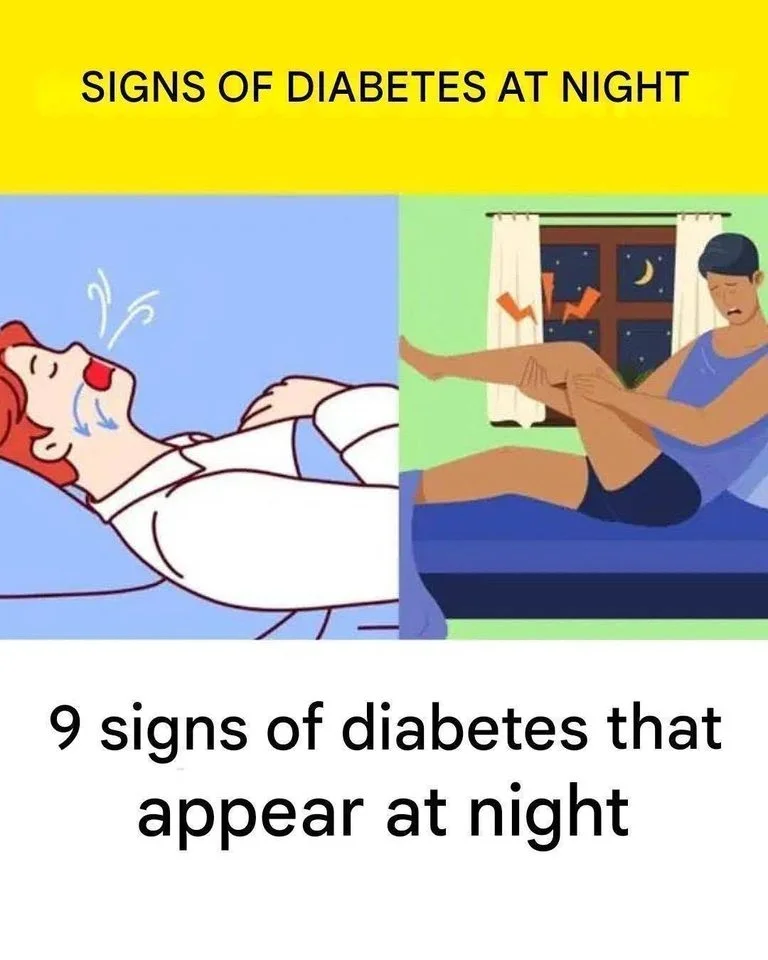
The nighttime hours, when the distractions of the day fade away and the body is at rest, can often magnify the underlying physiological changes caused by unstable blood sugar. The image above illustrates two common nighttime scenarios: a person experiencing severe leg pain or cramps, and a person sleeping heavily, possibly snoring. These are not random occurrences; they are frequently linked to the metabolic disruptions of diabetes.
Recognizing these nighttime clues is crucial for early detection and treatment, which can prevent the devastating long-term complications of the disease, including nerve damage, kidney failure, and cardiovascular disease. This comprehensive guide explores the nine most significant signs of diabetes that appear at night, the biological mechanisms behind why they occur, how to distinguish them from other common ailments, and the actionable steps you can take to protect your health.
The Physiology of Diabetes and Sleep
To understand why diabetes causes nighttime symptoms, it helps to understand how the body processes glucose. When you eat, carbohydrates are broken down into glucose, which enters the bloodstream. The pancreas releases insulin, a hormone that acts as a key, allowing glucose to enter your cells to be used for energy.
In people with diabetes, this system malfunctions. With Type 1 diabetes, the body produces little to no insulin. With Type 2 diabetes, the body’s cells become resistant to insulin, and the pancreas cannot keep up with the demand. As a result, glucose builds up in the bloodstream (hyperglycemia).
This excess glucose is toxic to the body, and the body tries desperately to get rid of it. This process involves the kidneys, blood vessels, and nerves—and much of this “cleanup” effort happens while you are asleep, often disrupting your rest and causing noticeable physical symptoms.
Sign 1: Frequent Urination (Nocturia)
Waking up multiple times a night to use the bathroom is one of the most classic and common signs of diabetes.
Why it happens: When blood sugar levels are too high, the kidneys cannot filter all of the excess glucose back into the bloodstream. Instead, the glucose is excreted into the urine. Glucose pulls water along with it (a process called osmotic diuresis), causing you to produce much more urine than usual. This forces you out of bed repeatedly throughout the night.
Other causes: It is important to note that nocturia can also be caused by urinary tract infections (UTIs), drinking too many fluids before bed, or in men, an enlarged prostate. However, if frequent urination is a sudden, persistent change accompanied by other symptoms on this list, it warrants a blood sugar test.
Sign 2: Excessive Thirst (Polydipsia)
Because you are losing so much fluid through frequent urination, your body quickly becomes dehydrated, leading to an overwhelming, persistent feeling of thirst.
Why it happens: As the body loses water, the brain signals a need for hydration. People with undiagnosed diabetes often report waking up in the middle of the night with a parched mouth and a desperate need to drink water. This creates a frustrating cycle: drinking water makes you need to urinate more, which in turn makes you thirstier.
Sign 3: Night Sweats and Hypoglycemia
Waking up drenched in sweat is a common complaint among people with diabetes, though it can be caused by several different mechanisms.
Why it happens: Night sweats can be a sign of nocturnal hypoglycemia (low blood sugar), particularly in people who take insulin or certain oral medications. When blood sugar drops too low during the night, the body releases adrenaline to raise it, causing sweating, a racing heart, and a feeling of anxiety. Alternatively, prolonged high blood sugar can damage the autonomic nervous system, which controls your sweat glands, leading to abnormal sweating.
Sign 4: Leg Cramps and Restless Legs
As shown in the left panel of the image, severe leg cramps can jolt you awake. Additionally, many people with diabetes experience Restless Legs Syndrome (RLS), an uncontrollable urge to move your legs, usually accompanied by uncomfortable sensations.
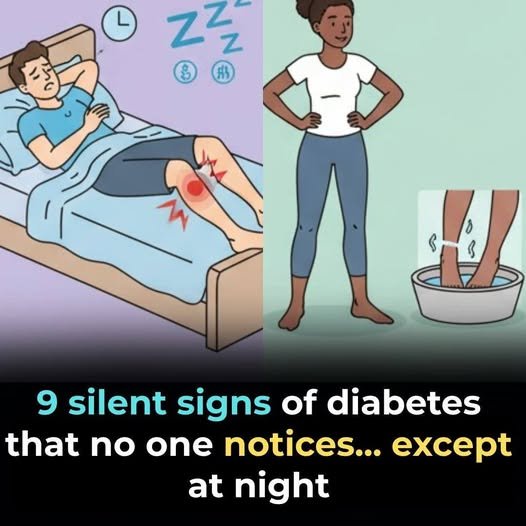
Why it happens: Leg cramps are often linked to electrolyte imbalances (like low potassium or magnesium) caused by frequent urination. More seriously, prolonged high blood sugar can damage the nerves in the legs, a condition known as diabetic peripheral neuropathy. This nerve damage often causes pain, cramping, and tingling that is most noticeable at night when you are trying to sleep.
Sign 5: Snoring and Sleep Apnea
The right panel of the image shows a person sleeping heavily, possibly snoring. There is a strong, bidirectional link between Type 2 diabetes and Obstructive Sleep Apnea (OSA).
Why it happens: Excess weight, particularly around the neck and abdomen (a common risk factor for Type 2 diabetes), can obstruct the airway during sleep, causing snoring and sleep apnea. When your breathing stops repeatedly during the night, it triggers the release of stress hormones like cortisol, which increases insulin resistance and raises blood sugar levels. In fact, it is estimated that a significant percentage of people with Type 2 diabetes have some degree of sleep apnea.
Sign 6: Numbness, Tingling, and Burning (Neuropathy)
A “pins and needles” sensation, burning, or numbness in the hands and feet is a hallmark of diabetic neuropathy.
Why it happens: High blood sugar damages the small blood vessels that supply nerves with oxygen and nutrients. While this nerve damage is present all day, you are much more likely to notice it at night. During the day, the brain is distracted by visual stimuli, work, and movement. At night, in the quiet of your bed, the brain focuses in on the discomfort, making it harder to fall asleep.
Sign 7: Extreme Fatigue and Insomnia
Feeling exhausted upon waking up is a common theme for people with undiagnosed diabetes.
Why it happens: Fatigue in diabetes is multifaceted. First, your cells are literally starving for energy because the glucose in your blood is not getting inside the cells. Second, the constant cycle of frequent urination, thirst, and pain disrupts the architecture of your sleep. Even if you spend eight hours in bed, you are not reaching the deep, restorative stages of sleep necessary to feel refreshed.
Sign 8: Increased Hunger (Nocturnal Polyphagia)
Waking up with a ravenous appetite or needing to raid the fridge in the middle of the night can be a sign of blood sugar instability.
Why it happens: Because insulin is not functioning correctly, the glucose from your dinner cannot enter your cells. Your cells send out hunger signals to the brain, demanding more energy. This can lead to a cycle of overeating, which further spikes blood sugar levels.
Sign 9: Dry Mouth and Itchy Skin
Waking up with a mouth so dry it feels like it is glued shut is a common nightly occurrence for diabetics, often accompanied by intense skin itching.
Why it happens: Dehydration from frequent urination decreases saliva production, causing dry mouth. Furthermore, high blood sugar can decrease the skin’s moisture barrier, leading to dry, itchy skin (pruritus). The itching is often worse at night due to increased skin temperature under the covers and decreased distractions.
Distinguishing Normal Aches from Diabetic Warning Signs
It is vital to remember that experiencing one or more of these symptoms does not automatically mean you have diabetes. Nighttime leg cramps are very common in older adults, and frequent urination is a normal part of aging or pregnancy.
However, the key difference lies in the pattern and combination of symptoms. If you are waking up multiple times to urinate, drinking huge amounts of water, and still feeling exhausted despite getting enough hours in bed, you should not dismiss it. If these symptoms are accompanied by unintentional weight loss, blurred vision, or slow-healing sores, the need for medical evaluation becomes urgent.
When to See a Doctor
You should schedule an appointment with a healthcare professional if you experience any of the following:
Persistent, unexplained nighttime urination that disrupts your sleep.
A combination of excessive thirst and frequent urination.
Unexplained fatigue that does not improve with rest.
Recurrent leg cramps or a burning/tingling sensation in your feet.
Sudden, unexplained weight loss.
Frequent infections (such as yeast infections or UTIs).
A simple blood test—specifically the Hemoglobin A1c test—can measure your average blood sugar levels over the past three months and provide a definitive diagnosis. The Fasting Plasma Glucose test can also accurately assess your blood sugar after an overnight fast.
How to Manage and Prevent Diabetes
If you are diagnosed with diabetes or prediabetes, the condition is manageable. In fact, lifestyle changes can significantly improve your quality of life, reduce symptoms, and in the case of prediabetes, even reverse the condition.
Dietary Changes: Focus on a balanced diet rich in fiber, lean proteins, and complex carbohydrates. Reduce your intake of sugary drinks, processed foods, and refined carbohydrates.
Regular Exercise: Physical activity helps your body use insulin more effectively and lowers blood sugar levels. Aim for at least 150 minutes of moderate-intensity exercise per week.
Weight Management: Losing even a modest amount of weight (5% to 10% of your body weight) can dramatically improve insulin sensitivity and blood sugar control.
Medication Adherence: If your doctor prescribes medication or insulin, take it exactly as directed. Never adjust your dosage without consulting your provider.
Sleep Hygiene: Address sleep issues. If you suspect sleep apnea, ask your doctor for a sleep study. Practicing good sleep hygiene—like keeping a consistent sleep schedule and limiting screen time before bed—can also help.
Frequently Asked Questions
Q: Can diabetes cause leg cramps at night? Yes. High blood sugar can lead to nerve damage (neuropathy) and electrolyte imbalances, both of which can cause painful leg cramps and restless legs syndrome that worsen at night.
Q: Why do I have to pee so much at night? When blood sugar is high, the kidneys work overtime to filter the excess glucose out of the blood, pulling water with it. This results in a much higher volume of urine, causing frequent nighttime waking (nocturia).
Q: Is snoring a sign of diabetes? Snoring itself is not a direct symptom of diabetes, but it is a strong sign of sleep apnea. Sleep apnea and Type 2 diabetes are closely linked, as the lack of oxygen during sleep can increase insulin resistance.
Q: Can low blood sugar cause night sweats? Yes. If you take insulin or certain diabetes medications, your blood sugar can drop too low during the night (nocturnal hypoglycemia). This triggers the release of adrenaline, causing sweating, a racing heart, and nightmares.
Q: What is the most accurate test for diabetes? The Hemoglobin A1c test is highly accurate and convenient, as it does not require fasting and gives a picture of your average blood sugar over the previous 2-3 months. The Fasting Plasma Glucose test is also a standard and accurate diagnostic tool.
Conclusion
The body is remarkably adept at signaling when something is wrong, and it often does so most clearly when we are at rest. The nighttime symptoms highlighted in the image—from the agonizing pain of leg cramps to the disruption of frequent urination—are not just random annoyances. They are potential windows into your metabolic health.
While it is easy to brush off a late-night bathroom trip or a sore leg, paying attention to the persistent, combined signs of diabetes can lead to early detection and life-saving intervention. If you recognize yourself in these nine nighttime symptoms, do not wait until your annual physical. Schedule a blood sugar test with your doctor. Early diagnosis is the key to managing diabetes effectively and preventing the complications that can arise when the condition goes untreated. Listen to your body, and give it the care it deserves.