You’re Doing It All Wrong: The Right Way to Read “Best By” Dates and Other Food Labels
Warning Signs of a Bad Can
You should discard a can immediately if it exhibits any of the following signs:
Bulging: If the top or bottom of the can bulges outward and cannot be pressed flat, it is a major red flag. This indicates that gases are being produced inside the can, likely by bacteria.
Leaking: If liquid is leaking from the seams, the seal is compromised.
Severe Dents: Deep dents along the side seams or the rim can create microscopic leaks that allow bacteria to enter.
Foul Odor: When you open the can, if you notice a foul, sour, or putrid smell, throw it away.
Mold: Any visible mold inside the can or on the food.
Fizzing: If the food fizzes or bubbles when you open it, it indicates a chemical reaction.
Cloudy Liquid: If the liquid in the can is cloudy or murky (unless it is supposed to be, like a creamy soup), it is a sign of spoilage.
The “You’re Doing It All Wrong” Mistakes: How to Manage Your Pantry
The viral post’s claim of “You’re doing it all wrong” is a call to action to change our habits. Here are the most common mistakes people make regarding food dates and pantry management.
1. Tossing Food Prematurely
The most common mistake is throwing away perfectly good food simply because the date on the label has passed. By understanding the difference between a quality date (“Best By”) and a safety date (“Use By”), you can save hundreds of dollars a year and significantly reduce your household’s food waste.
2. The “First In, First Out” (FIFO) Failure
Many people simply shove new cans to the front of the pantry and forget about the older ones sitting in the back. Implement a FIFO (First In, First Out) system. When you bring groceries home, place the new items at the back of the shelf and move the older items to the front. This ensures you consume the oldest products first.
3. Improper Storage
The shelf life of a can is heavily influenced by how it is stored.
Keep it Cool: Cans should be stored in a cool, dry place. Avoid storing them near the stove, above the refrigerator, or in a hot garage. High temperatures accelerate the degradation of nutrients and can cause the food to lose its texture.
Keep it Dry: Moisture can cause the metal cans to rust and compromise the seal.
Do Not Freeze: Freezing canned foods can cause the liquid to expand, which can rupture the seams of the can.
4. The “Sell By” Confusion
As noted, many consumers treat the “Sell By” date on perishables (like milk or meat) as a hard safety deadline. This leads to massive amounts of safe, edible food being thrown away. A “Sell By” date is simply a guideline for the grocery store. Once home, proper refrigeration and sensory evaluation (smell and touch) are much better indicators of safety.
5. Not Labeling Opened Items
Once a can is opened, the rules change completely. The food is no longer in a sterile, airtight environment. You must transfer the leftovers to a clean, airtight container (do not store them in the original tin can, as the metal can oxidize and alter the taste of the food). Opened canned goods should be refrigerated and consumed within 3 to 5 days.
The Environmental and Economic Impact of Misreading Dates
The misunderstanding of food date labels is not just a personal finance issue; it is a global environmental crisis.
The Food Waste Crisis
In the United States, it is estimated that 30% to 40% of the food supply is wasted. A significant portion of this waste occurs at the consumer level. Studies have shown that confusion over date labels is a leading cause of this household food waste. When perfectly good cans of food are thrown away because of a “Best By” date, all the resources that went into growing, harvesting, processing, and transporting that food—including water, energy, and labor—are wasted along with it.
The Financial Cost
For a typical family, throwing away edible food can mean hundreds, or even thousands, of dollars wasted each year. By trusting your senses rather than strictly adhering to arbitrary “Best By” dates, you can keep your pantry stocked with safe, nutritious food while keeping more money in your wallet.
What the Future Holds: Legislation to Standardize Food Labels
Recognizing the massive confusion and waste caused by inconsistent date labeling, there are ongoing efforts to standardize the system.
The Food Date Labeling Act
In the United States, proposed legislation such as the Food Date Labeling Act aims to establish a uniform, national system for date labeling. The goal is to simplify the system to just two phrases:
“BEST if Used By” to indicate peak quality.
“USE By” to indicate safety for highly perishable foods.
By clarifying these terms, policymakers hope to reduce consumer confusion, empower families to make informed decisions, and significantly cut down on the millions of tons of food wasted each year.
Conclusion: Trust Your Senses, Not Just the Stamp
The viral image of the canned food with a “Best Before OCT 12 2023” stamp is a powerful reminder that we often misinterpret the information presented to us in the grocery aisle. The label is not a stop sign; it is a gentle suggestion about peak quality.
By understanding the difference between “Best By,” “Use By,” and “Sell By” dates, you can avoid the trap of throwing away perfectly safe and nutritious food. The next time you find an old can of soup in the back of your pantry, don’t immediately toss it in the trash. Check the can for bulges, leaks, or deep dents. If the seal is intact, the can is clean, and it has been stored in a cool, dry place, it is likely perfectly safe to eat.
Embrace the practice of using your senses—your eyes, your nose, and your judgment—alongside the printed dates. By adopting a smarter approach to food labeling and pantry management, you can reduce waste, save money, and enjoy your pantry staples with confidence and peace of mind.
Frequently Asked Questions
Does the “Best By” date mean the food is expired?
No. The “Best By” date is a quality date, not a safety date. It is the manufacturer’s estimate of when the food will be at peak flavor and quality. The food is generally still safe to eat after this date, though it may have lost some texture or nutritional value.
How long can you eat canned food after the expiration date?
The USDA states that canned foods stored in good condition can be consumed safely for years beyond their printed date. High-acid foods (like tomatoes or fruit) are best within 12-18 months for quality, while low-acid foods (like green beans or soup) are best within 2-5 years. However, they can remain safe indefinitely if the can is not damaged or bulging.
What is the difference between “Sell By” and “Use By”?
“Sell By” is a date for retailers to manage inventory and does not indicate spoilage. “Use By” is the last date recommended for the consumption of highly perishable products (like meat and dairy) while at peak quality, and it is the most critical date to heed for safety.
How can I tell if a can of food has gone bad?
You should throw away a can if it is bulging (top or bottom), leaking, severely dented along the seams, or if it smells foul, is moldy, or fizzes when opened. These are signs of bacterial contamination or a broken seal.
Should I throw away food that is past the “Best By” date?
Generally, no. You should inspect the packaging for damage and use your senses. If the packaging is intact and the food looks and smells normal, it is likely safe to eat. The date is just a guide for peak quality.
Why do canning companies put dates on cans if they don’t expire?
They put dates on cans to indicate the time frame in which the product is guaranteed to have the best texture, flavor, and nutritional value. It is a way to manage quality control and ensure customer satisfaction.
Is it safe to eat food from a dented can?
It depends on the dent. A small, shallow dent on the side of the can is usually harmless. However, a deep dent along the side seam or on the rim of the can is dangerous. These dents can create microscopic leaks that allow bacteria to enter. It is safer to throw away deeply dented cans.
What is the Julian date on a can?
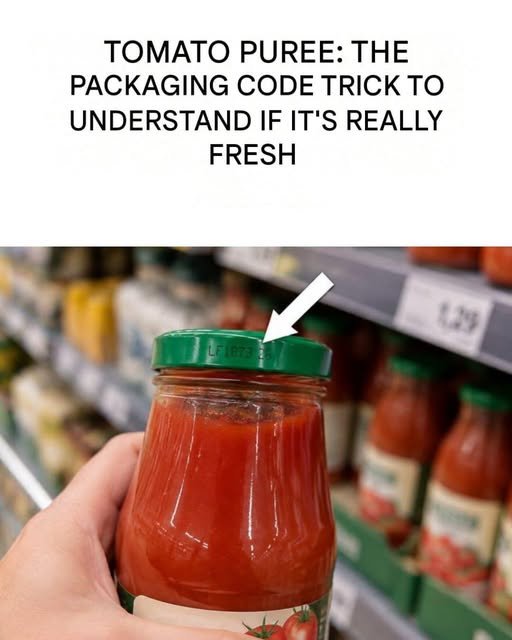
The Julian date is a three-digit code (001 to 365) representing the day of the year the product was manufactured. It is used by manufacturers for traceability and inventory purposes, not as an expiration date.
How should I store canned goods to maximize their shelf life?
Store canned goods in a cool, dry place away from direct sunlight and heat sources (like the stove or hot pipes). Do not store them in a damp area where they can rust. Keep them in a stable temperature environment to preserve their quality for as long as possible.
What is FIFO and why is it important for my pantry?
FIFO stands for “First In, First Out.” It is a method of inventory management. When you buy new groceries, place them behind the older items in your pantry. This ensures you consume the older products first, preventing food from sitting forgotten in the back of the shelf and eventually expiring.