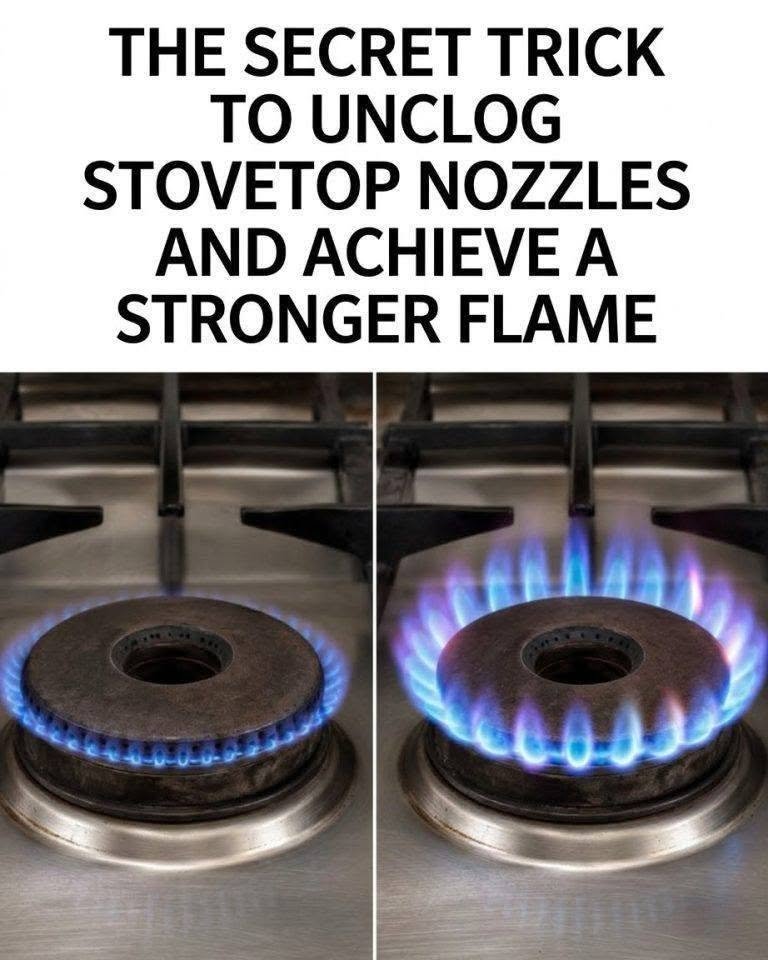
The Secret Trick to Unclog Stovetop Nozzles and Achieve a Stronger Flame!
If the burner clicks but the flame is weak, or if it takes multiple clicks to light, the igniter itself may be failing or the wiring may be compromised. A replacement igniter is a relatively inexpensive part, but installing it requires accessing the underside of the stovetop.
The Benefits of a Clean, Strong Flame
Taking the time to perform this deep cleaning trick regularly yields a multitude of benefits beyond just a pretty blue flame.
Energy Efficiency: A clean, blue flame burns gas efficiently, producing maximum heat. A weak, yellow flame wastes gas, meaning your utility bill will be higher.
Better Cooking: A strong, even flame provides consistent heat distribution across the bottom of your cookware. This is essential for achieving a perfect sear on meats, even boiling of pasta, and precise simmering.
Safety: A yellow flame indicates incomplete combustion, which can produce carbon monoxide and soot. A clean, blue flame burns safely and cleanly.
Longevity of the Appliance: Keeping the burners clean prevents corrosion and wear on the metal components, ensuring your stove lasts longer.
Preventative Maintenance: Keeping the Flame Alive
To prevent your burners from getting severely clogged in the first place, adopt these simple habits:
Clean Spills Immediately: Wipe up boil-overs and grease splatters as soon as the stove is cool enough to touch.
Empty the Crumb Tray: If your stove has a removable crumb tray beneath the burners, empty and wipe it down weekly.
Monthly Deep Clean: Perform the soaking and scrubbing trick once a month to keep the ports clear.
Don’t Use Foil: Avoid lining your stovetop with aluminum foil. It can block the air vents and interfere with proper airflow to the burners.
Frequently Asked Questions
How often should I clean my stovetop burners?
You should wipe down the surface after every use, but a deep soak and scrub of the burner heads and caps should be done at least once a month. If you cook greasy food frequently, you may need to do it every two weeks.
Why does my gas flame turn yellow instead of blue?
A yellow flame is usually caused by a lack of oxygen getting to the burner, which is often due to clogged burner ports, a misaligned burner cap, or debris blocking the air shutter. It can also be caused by moisture in the burner.
Can I use a needle or wire to unclog the burner ports?
No. Metal objects like needles or wires can scratch the brass and widen the small ports. This will alter the gas-to-air ratio and can permanently damage the burner. Always use a wooden toothpick or a soft toothbrush.
Why is my burner clicking but not lighting?
If the igniter is clicking but the burner doesn’t light, the ports may be clogged, the igniter itself may be dirty or wet, or the burner cap may be misaligned.
Can I wash the burner grates and caps in the dishwasher?
It depends on the material. Cast iron grates should never go in the dishwasher, as it will strip the seasoning and cause them to rust. Most burner caps and heads are hand-wash only. Always check your manufacturer’s manual.
What should I do if only one burner has a weak flame?
If only one burner is weak, the issue is localized to that specific burner head, cap, or igniter. Thoroughly clean and dry that specific burner and ensure the cap is perfectly aligned. If the problem persists, the brass orifice for that burner may be partially blocked (which requires a professional to fix).
How do I clean my stovetop grates?
Cast iron grates should be scrubbed with a stiff brush and hot water. Avoid harsh soaps. For enameled grates, use a non-abrasive cleaner and a soft sponge. Always dry them thoroughly to prevent rust.
Can a yellow flame be dangerous?
A persistent yellow flame indicates incomplete combustion, which produces carbon monoxide (a colorless, odorless gas) and soot. It is a safety hazard and should be addressed immediately by cleaning the burners. If the problem persists after cleaning, call a technician.
Why are my burners turning orange?
Orange flames are often caused by dust or moisture being burned off, which is usually temporary. If the flames remain orange after a few minutes, it indicates that the burner ports are clogged and the gas is not combusting efficiently.
Is it safe to use a gas stove if the flame is weak?
It is safe to use, but it is highly inefficient. A weak flame wastes gas and won’t cook your food properly. More importantly, if the weak flame is caused by a blockage that is leading to incomplete combustion, it can produce carbon monoxide. It is best to clean the burners before continuing to use the stove.