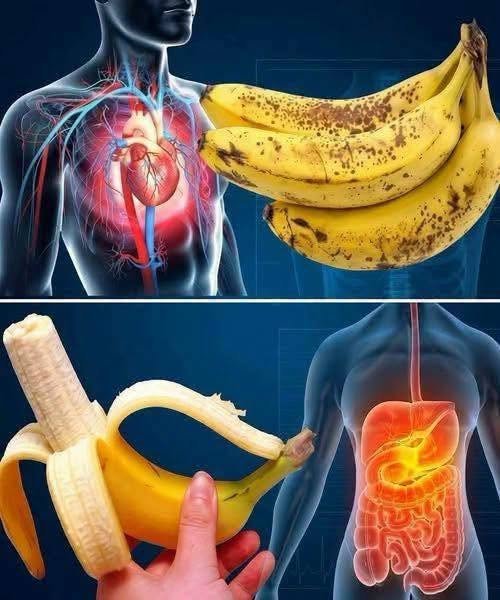
After 60, Eating One Banana Every Day Can Seriously Impact Your Health: The Science Behind the Daily Habit
Broader Implications: Food as Preventative Geriatric Medicine
The discussion of daily banana consumption transcends this single fruit; it represents a paradigm shift in how we view nutrition for aging. Too often, geriatric care focuses on disease management rather than vitality promotion. We treat hypertension with pills, constipation with laxatives, and osteoporosis with supplements, often neglecting the foundational role of whole foods. The banana exemplifies the power of food-as-medicine: a single, affordable, accessible item that addresses multiple systems simultaneously. Embracing this philosophy encourages seniors to look beyond the pharmacy counter and toward the produce aisle for solutions that nourish rather than merely suppress symptoms. It restores agency and dignity to the aging process, framing diet as an active practice of self-preservation.
Economically, the banana is one of the most cost-effective health interventions available. In an era of rising healthcare costs and fixed incomes for retirees, affordability matters. Unlike expensive superfood powders or boutique supplements, bananas are globally available and budget-friendly. This democratization of health means that optimal nutrition is not a privilege of the wealthy but a possibility for all. Public health initiatives could leverage this accessibility, promoting simple, evidence-based dietary habits that reduce the burden of chronic disease. When millions of seniors adopt small, sustainable changes like daily fruit consumption, the aggregate impact on healthcare systems could be profound. Prevention is always cheaper than cure, and the banana is a symbol of that economic and biological truth.
Culturally, the banana connects generations and traditions. Many seniors grew up with bananas as a comfort food or a treat, carrying positive emotional associations that enhance the psychological benefits of eating. Nutrition is not purely biochemical; it is also emotional and social. Sharing a banana with a grandchild, remembering a parent’s advice, or enjoying the familiar taste can boost mood and reduce loneliness—factors that independently influence health outcomes. Integrating health-promoting foods that also bring joy ensures adherence and holistic well-being. The daily banana thus becomes a ritual of care, connecting past memories with future vitality. It reminds us that healthy aging is not just about adding years to life, but life to years, flavored with sweetness and grounded in wisdom.
Conclusion
The assertion that eating one banana every day can seriously impact health after sixty is supported by a robust convergence of nutritional science, geriatric physiology, and clinical observation. From stabilizing blood pressure and protecting bone density to regulating digestion and supporting metabolic health, this humble fruit offers a multifaceted defense against the vulnerabilities of aging. However, this impact is contingent upon mindful consumption. Recognizing individual contraindications like kidney disease, understanding the nuances of ripeness and pairing, and maintaining open communication with healthcare providers are essential safeguards. The banana is not a magic bullet, but it is a powerful ally when wielded with knowledge and intention.
Ultimately, the journey to vibrant aging is paved with small, consistent choices. The daily banana represents one such choice—a tangible commitment to nurturing the body through nature’s pharmacy. It invites seniors to engage with their health proactively, to listen to their bodies deeply, and to find joy in the simplicity of wholesome nourishment. As we navigate the complexities of growing older, let us remember that sometimes the most profound interventions are the simplest ones. Peel back the layers of misinformation, embrace the science, and savor the sweetness of informed living. Your health, in your sixties and beyond, may well depend on it.
Frequently Asked Questions
1. Can eating a banana every day raise potassium levels to dangerous heights in healthy seniors? For seniors with normal kidney function, eating one banana daily is highly unlikely to cause hyperkalemia. Healthy kidneys efficiently excrete excess potassium, maintaining homeostasis. Dangerous elevations typically occur only with kidney impairment, excessive supplement use, or massive dietary intake far beyond one fruit. However, regular blood work is recommended to confirm individual tolerance, especially if taking ACE inhibitors or ARBs for blood pressure.
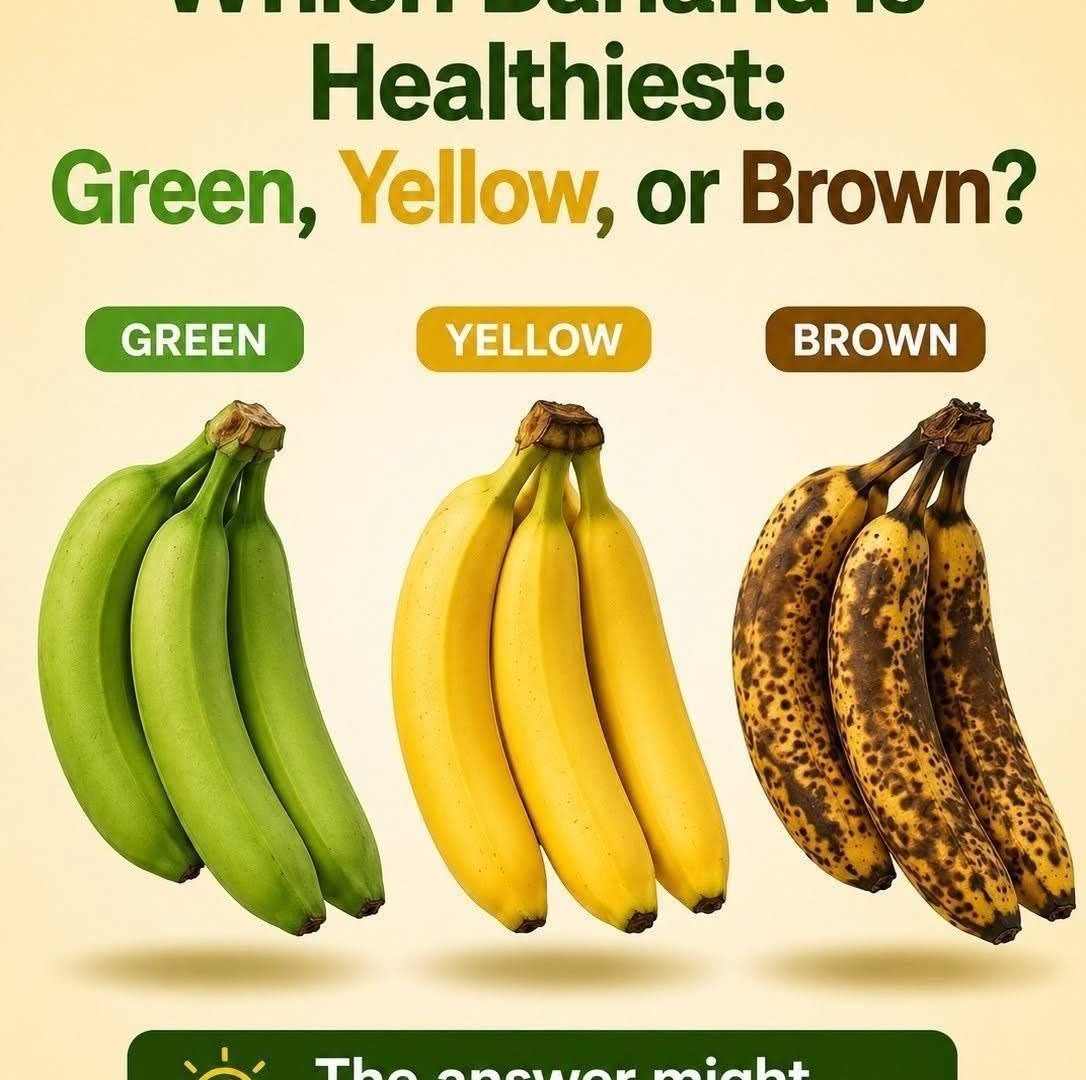
2. Is it better to eat green or yellow bananas for blood sugar control? Green or slightly underripe bananas are generally better for blood sugar control because they contain higher levels of resistant starch, which digests slowly and has a lower glycemic index. Fully ripe, spotted bananas have converted this starch into simple sugars, leading to faster absorption. Diabetic seniors should opt for firmer bananas and pair them with protein or fat to further blunt glucose spikes.
3. Do bananas interact with common senior medications like blood thinners or statins? Bananas do not have significant direct interactions with warfarin or statins. However, they can interact with potassium-sparing diuretics (like spironolactone) and ACE inhibitors by increasing potassium retention. They may also slightly affect the absorption of certain antibiotics and thyroid meds if taken simultaneously. Always space high-fiber foods away from medication by two hours and consult a pharmacist for personalized advice.
4. Can bananas help with nighttime leg cramps in older adults? Yes, potentially. Leg cramps in seniors are often linked to magnesium or potassium deficiencies, dehydration, or poor circulation. Bananas provide both minerals and hydration. Eating a banana in the evening, along with adequate water intake throughout the day, may reduce cramp frequency. However, if cramps persist, medical evaluation is needed to rule out vascular or neurological causes.
5. Are dried bananas or banana chips as healthy as fresh bananas for seniors? No. Dried bananas and chips are concentrated sources of sugar and calories, often containing added sulfites, oils, or sweeteners. They lack the water content and fiber matrix of fresh fruit, leading to rapid血糖 spikes and reduced satiety. Fresh bananas are superior for hydration, nutrient density, and metabolic health. Seniors should avoid processed banana products.
6. How does banana consumption affect bone fracture risk specifically? Observational studies show that higher potassium intake correlates with greater bone mineral density and reduced fracture risk in older adults. Potassium buffers dietary acid load, preventing calcium leaching from bones. Combined with magnesium’s role in bone crystal formation, daily banana consumption contributes to skeletal resilience. However, it must be part of a broader bone-health strategy including calcium, vitamin D, and weight-bearing exercise.
7. Can seniors with IBS safely eat bananas? Many seniors with IBS can tolerate bananas, but ripeness matters. Moderately ripe bananas (yellow with slight green tips) are typically low-FODMAP and best tolerated. Very ripe bananas are high in fructans, while unripe ones are high in resistant starch—both can trigger symptoms. Start with small portions of moderately ripe fruit and monitor symptoms. A dietitian specializing in IBS can provide personalized guidance.
8. Does cooking or heating bananas destroy their health benefits for seniors? Cooking bananas reduces some heat-sensitive vitamins like C and B6 but preserves minerals like potassium and magnesium, as well as fiber. Steamed or baked bananas may be easier to digest for seniors with dental or gut issues. While raw bananas offer maximum vitamin content, cooked versions still provide significant cardiovascular and digestive benefits. Variety in preparation ensures broad nutrient intake.