After 60, Eating One Banana Every Day Can Seriously Impact Your Health: The Science Behind the Daily Habit
Debunking Myths: When Bananas Are Not the Answer
Despite the numerous benefits, it is medically irresponsible to present the banana as a universal panacea for everyone over sixty. There are specific clinical scenarios where daily banana consumption requires caution or modification. The most critical contraindication involves Chronic Kidney Disease (CKD). As kidney function declines, the organ’s ability to excrete excess potassium diminishes, leading to hyperkalemia—a potentially fatal condition characterized by dangerous heart arrhythmias. For seniors with Stage 3b CKD or higher, or those on dialysis, a daily banana could push potassium levels into the danger zone. In these cases, nephrologists often recommend low-potassium alternatives like apples or berries. It is imperative that seniors with known kidney issues consult their healthcare provider before adopting this habit, as individual lab values dictate safety.
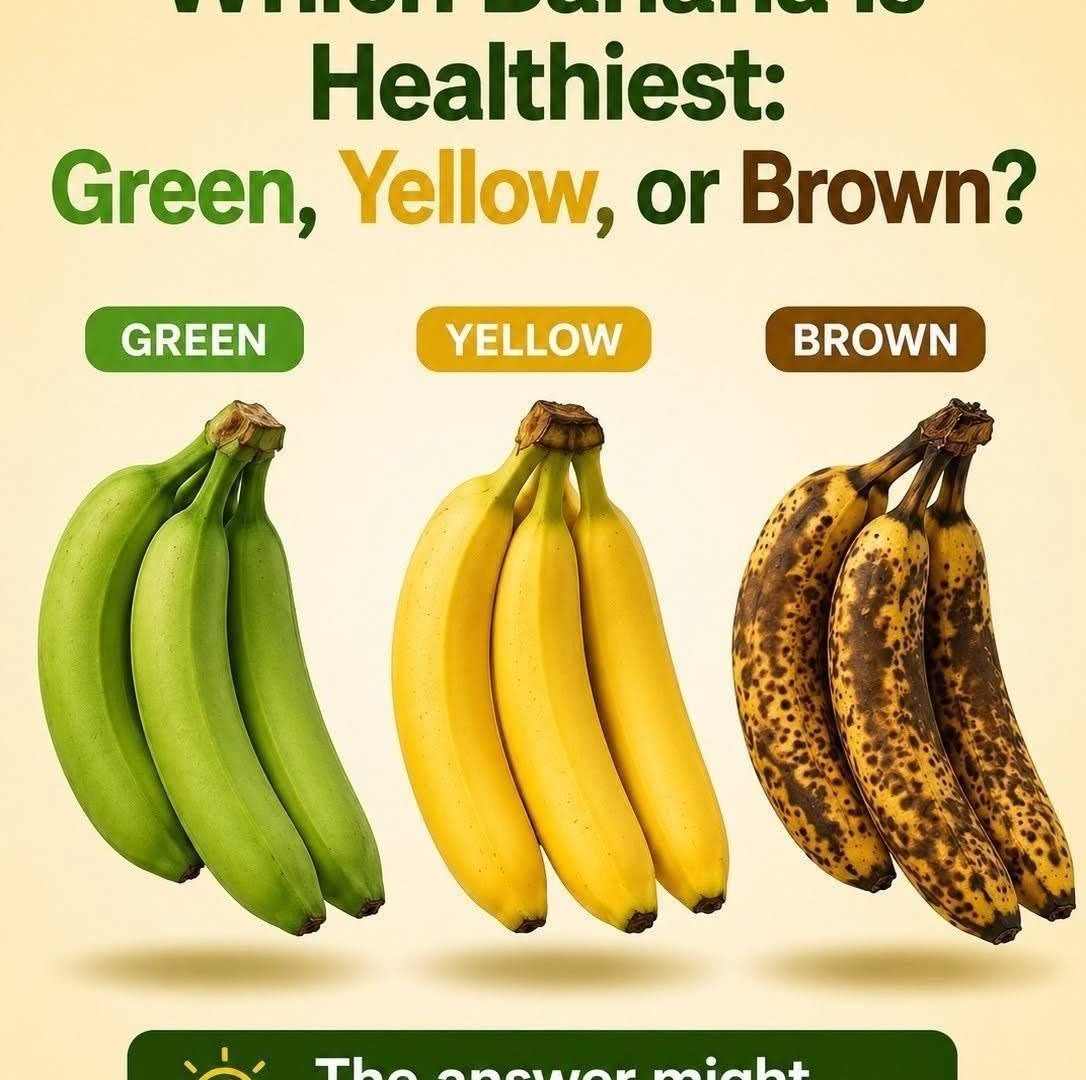
Another myth is that all bananas are created equal regarding sugar content. As mentioned earlier, ripeness matters immensely. A fully spotted, brown banana has converted most of its resistant starch into free sugars, resulting in a much higher glycemic load. For a diabetic senior, eating three overripe bananas is metabolically distinct from eating one firm banana. Additionally, dried bananas or banana chips are often loaded with added sugars and unhealthy oils, stripping away the hydration and fiber benefits while concentrating calories. These processed forms should be avoided entirely by health-conscious seniors. Even fresh banana juice lacks the fiber matrix, leading to rapid sugar absorption. The therapeutic value exists primarily in the whole, fresh fruit, ideally consumed at a stage of ripeness appropriate to the individual’s metabolic health.
Some critics argue that the sugar in bananas feeds candida or promotes inflammation. While extreme sugar restriction can starve yeast overgrowths, the amount of sugar in a single banana is generally insufficient to trigger pathological fungal growth in immunocompetent seniors. In fact, the prebiotic fiber supports a diverse microbiome that naturally suppresses candida overgrowth. Regarding inflammation, bananas contain dopamine and catechins, antioxidants that actually reduce oxidative stress. The anti-inflammatory properties of the fruit typically outweigh the pro-inflammatory potential of its natural sugars, provided the overall diet is balanced. Blanket demonization of fruit sugar ignores the context of the food matrix. For the vast majority of seniors without severe renal failure or uncontrolled diabetes, the evidence strongly supports inclusion rather than exclusion. Critical thinking, not fear, should guide dietary choices.
Digestive Realities: Fiber, FODMAPs, and Gut Sensitivity
While bananas are renowned for aiding digestion, they can paradoxically cause issues for some seniors, particularly those with Irritable Bowel Syndrome (IBS) or Small Intestinal Bacterial Overgrowth (SIBO). Bananas contain fructans, a type of fermentable oligosaccharide classified as a FODMAP. In sensitive individuals, these carbohydrates draw water into the intestine and ferment rapidly, causing bloating, gas, and pain. Interestingly, the FODMAP content varies by ripeness: unripe bananas are high in resistant starch (which can also be problematic for SIBO), while very ripe bananas are high in fructans. Moderately ripe bananas tend to be the lowest in FODMAPs and are often better tolerated. Seniors with chronic digestive distress should experiment cautiously, perhaps starting with small portions of moderately ripe fruit to assess tolerance.
For seniors taking multiple medications, the timing of banana consumption can also matter. The high fiber content can interfere with the absorption of certain drugs, including thyroid medication, some antibiotics, and bisphosphonates for osteoporosis. It is generally advisable to separate high-fiber meals from medication administration by at least two hours. Additionally, bananas contain tyramine, a compound that can interact with Monoamine Oxidase Inhibitors (MAOIs), a class of antidepressants rarely used today but still prescribed in some cases. While interactions are uncommon with standard SSRIs, seniors on older psychiatric medications should verify compatibility with their pharmacist. These nuances highlight that “natural” does not mean “interaction-free.” Personalized nutrition considers not just the food, but the entire biological and pharmacological landscape of the individual.
Constipation relief from bananas is also dose-dependent and strain-specific. For some, the pectin is a miracle cure; for others, especially those with slow-transit constipation, excessive banana consumption without adequate fluid intake can actually worsen blockage. Fiber acts like a sponge; without water, it becomes a cement-like plug. Seniors adopting a daily banana habit must simultaneously ensure adequate hydration—aiming for at least six to eight glasses of water daily, unless fluid-restricted. Pairing the banana with warm liquids, such as herbal tea or warm water with lemon, can further stimulate the gastrocolic reflex. This integrated approach ensures that the banana serves as a lubricant rather than an obstruction. Listening to one’s body and adjusting based on real-time feedback is the hallmark of successful geriatric nutrition.