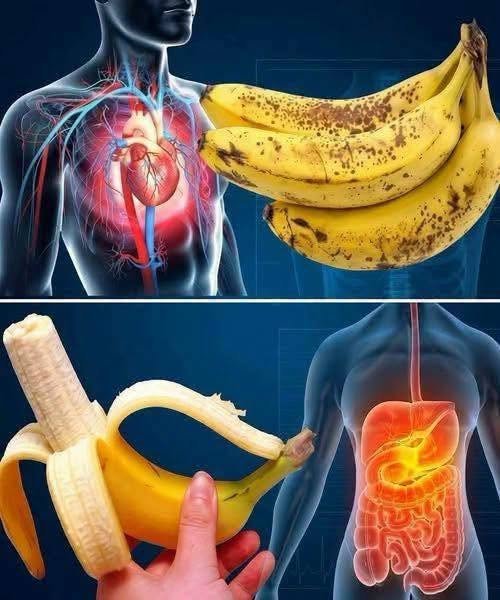
After 60, Eating One Banana Every Day Can Seriously Impact Your Health: The Science Behind the Daily Habit
Practical Integration: Timing, Pairing, and Preparation Strategies
Knowing the science is only half the battle; implementing it sustainably requires practical strategy. For seniors, the timing of banana consumption can optimize its benefits. Eating a banana in the morning, perhaps as part of breakfast, leverages its carbohydrate content for daytime energy and its potassium for blood pressure management during active hours. Conversely, consuming a banana as an evening snack may aid sleep due to its magnesium and tryptophan content, which promote relaxation and melatonin production. However, for those with reflux or nighttime urination issues, late-night consumption might be counterproductive. Experimentation with timing allows individuals to align the fruit’s properties with their circadian rhythms and symptom patterns. There is no single “best” time, only the best time for your specific biology.
Pairing strategies are equally important for maximizing nutrient absorption and metabolic stability. Combining a banana with walnuts or flaxseeds adds omega-3 fatty acids, which further support cognitive and cardiovascular health. Mixing sliced banana into oatmeal creates a complete meal with sustained release energy, ideal for preventing mid-morning fatigue. For seniors struggling with appetite or chewing difficulties, blending a banana into a smoothie with kefir or yogurt provides probiotics and protein in an easily consumable format. Adding cinnamon to banana dishes can also help modulate blood sugar response and add flavor without sodium. These culinary adaptations transform the banana from a standalone snack into a versatile ingredient that enhances the nutritional profile of entire meals.
Preparation methods also influence digestibility and nutrient availability. Steaming or baking bananas can break down some of the tougher fibers, making them easier to digest for seniors with compromised dentition or sensitive guts. Warm banana compote, spiced with ginger or cardamom, can be soothing for the digestive tract while retaining most nutrients. Freezing ripe bananas for later use in smoothies preserves nutrients and provides a refreshing texture variation. Avoiding peeling damage is also key; bruised areas can harbor mold or bacteria, so inspecting fruit carefully is a simple food safety measure. By varying preparation methods, seniors can prevent palate fatigue and maintain enthusiasm for this healthy habit. Consistency is built on enjoyment, not obligation.
Safety Protocols: Monitoring and Adjusting for Individual Needs
Adopting a daily banana habit should be approached with the same rigor as starting a new medication. Seniors should establish baseline metrics before beginning, including blood pressure readings, recent kidney function tests (eGFR and serum potassium), and HbA1c levels if diabetic. After introducing the daily banana, monitoring these markers at regular intervals—perhaps monthly initially, then quarterly—allows for data-driven adjustments. If potassium levels creep upward or blood sugar becomes unstable, the frequency can be reduced to every other day or the portion size halved. This feedback loop empowers seniors to be active participants in their health management rather than passive recipients of generic advice.
Communication with healthcare providers is non-negotiable. Bringing a food diary to appointments helps doctors and dietitians understand the full picture of dietary intake. Mentioning the daily banana habit ensures that lab interpretations are contextualized correctly. For example, a slightly elevated potassium level might be benign in someone eating three bananas a day but concerning in someone eating none. Transparency prevents unnecessary alarm or missed warnings. Pharmacists can also review medication lists for potential interactions, providing an additional layer of safety. This collaborative approach bridges the gap between nutritional theory and clinical practice, ensuring that the banana remains a helper, not a hazard.
Finally, listening to subjective bodily signals is just as important as objective data. If a senior notices increased bloating, heartburn, or energy crashes after starting the habit, these are valid reasons to pause and reassess. Health is felt before it is measured. Keeping a simple journal of symptoms alongside food intake can reveal patterns that labs miss. Perhaps the banana causes issues only when eaten on an empty stomach, or only with certain medications. These personalized insights are invaluable. The goal is sustainable wellness, and sustainability requires flexibility. Being willing to modify or abandon the habit if it stops serving your body is not failure; it is intelligent self-care. The banana is a tool, and like any tool, it must be used correctly to be effective.