After 60, Eating One Banana Every Day Can Seriously Impact Your Health: The Science Behind the Daily Habit
Blood Sugar Dynamics: Navigating Glycemic Response in Aging Metabolism
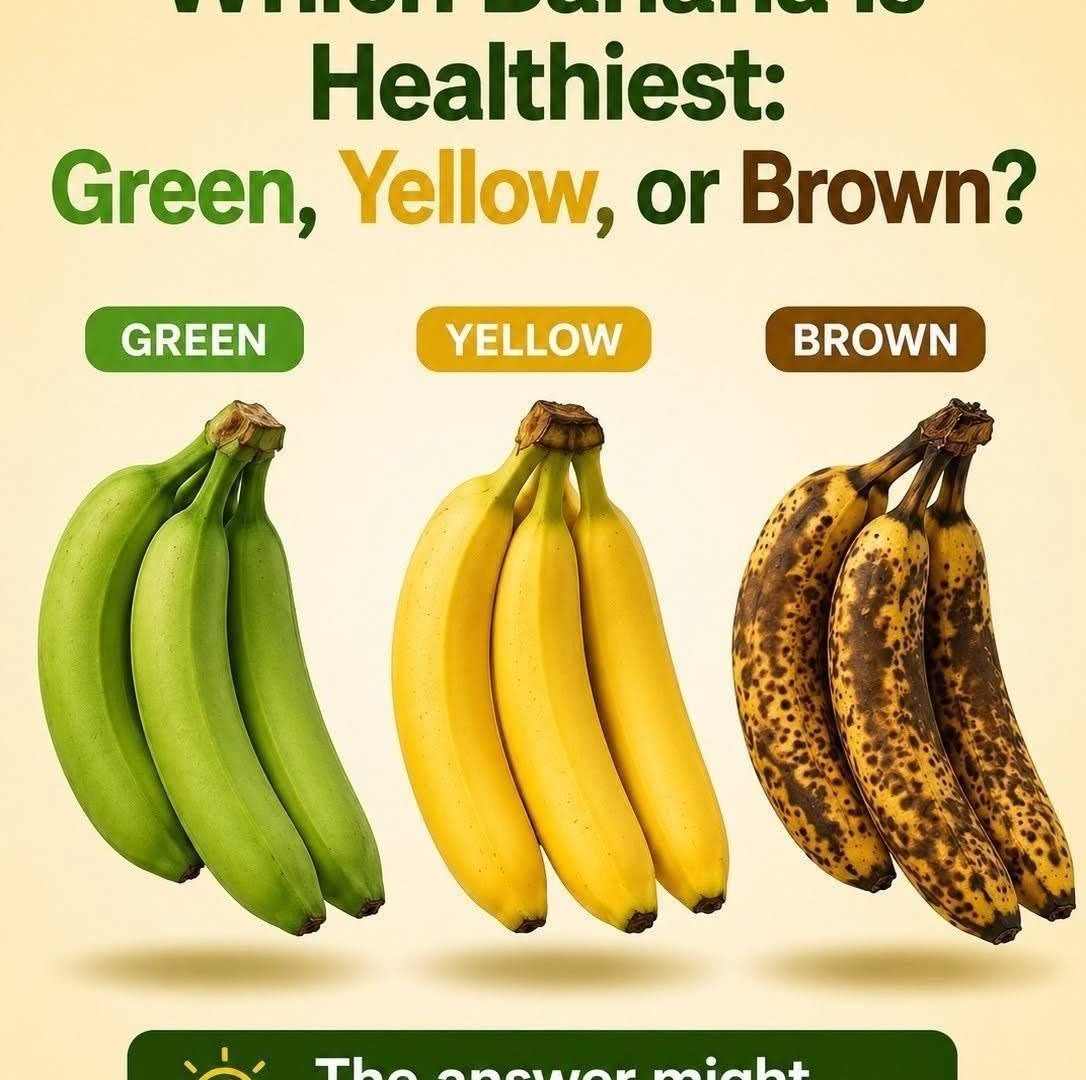
One of the most contentious aspects of recommending bananas to seniors is their carbohydrate content. It is true that bananas contain natural sugars—fructose, glucose, and sucrose—and for an aging metabolism that may already be struggling with insulin sensitivity, this raises valid concerns. However, the glycemic impact of a banana is heavily modulated by its ripeness and fiber content. A medium-sized banana has a Glycemic Index (GI) ranging from 42 to 62, depending on ripeness, which places it in the low-to-medium category. Crucially, the fiber in bananas slows gastric emptying and blunts the postprandial glucose spike. For a senior without diabetes, this means sustained energy release rather than a crash. For those with pre-diabetes or type 2 diabetes, the key lies in portion control and pairing.
The concept of “food sequencing” is particularly relevant here. Consuming a banana alongside a source of protein or healthy fat—such as a handful of almonds, Greek yogurt, or nut butter—can further reduce the glycemic load by up to 30%. This combination slows digestion even more effectively, preventing rapid insulin surges that can lead to reactive hypoglycemia later. Moreover, the resistant starch found in less ripe bananas functions similarly to soluble fiber, improving insulin sensitivity over time rather than impairing it. Studies have shown that regular consumption of resistant starch can enhance peripheral glucose uptake in skeletal muscle, which is often the site of insulin resistance in older adults. Therefore, choosing a banana that is still slightly firm and green-tipped can actually be metabolically superior for seniors concerned about blood sugar management.
It is also important to distinguish between the acute glycemic response and long-term metabolic health. While a banana does raise blood sugar temporarily, the accompanying micronutrients support the very systems that regulate glucose. Chromium, present in trace amounts in bananas, plays a role in insulin signaling. Vitamin B6 aids in amino acid metabolism, which is linked to glucose homeostasis. The net effect of daily banana consumption, when integrated into a balanced diet, is often improved metabolic flexibility rather than deterioration. Seniors should monitor their own responses using glucometers if they have diabetes, but they should not fear the fruit entirely. The danger lies not in the banana itself, but in consuming it in isolation or in excessive quantities. Mindful consumption transforms the banana from a potential sugar bomb into a tool for metabolic education and stabilization.
Bone Density and Mineral Synergy: Beyond Calcium
Osteoporosis and osteopenia affect millions of seniors, particularly women, leading to fractures that can be devastatingly consequential. While calcium and vitamin D dominate the conversation around bone health, potassium and magnesium are equally critical yet frequently neglected players. High dietary acid loads, common in Western diets rich in processed foods and animal proteins, can leach calcium from bones as the body attempts to neutralize the acidity. Potassium-rich fruits like bananas act as alkalizing agents, buffering this acid load and preserving bone mineral density. Research indicates that higher potassium intake is positively correlated with greater bone mass in older adults, independent of calcium intake. This makes the daily banana a direct defender of skeletal integrity.
Magnesium, another key mineral in bananas, is essential for the physical structure of bone. Approximately 60% of the body’s magnesium is stored in bone tissue, where it influences crystal formation and hydroxyapatite stability. Without adequate magnesium, calcium cannot be properly incorporated into the bone matrix, rendering supplementation less effective. Furthermore, magnesium regulates parathyroid hormone and vitamin D activation, both of which are crucial for calcium absorption. As renal function declines with age, magnesium conservation becomes harder, making dietary sources increasingly important. A daily banana contributes to this essential mineral pool, supporting the architectural framework of the skeleton. When combined with weight-bearing exercise and adequate protein, this nutritional support can significantly reduce fracture risk.
The synergy between these minerals extends to muscle function as well. Strong bones require strong muscles to protect them from falls. Potassium and magnesium are vital for neuromuscular transmission and muscle contraction. Deficiencies in either can lead to cramps, weakness, and poor balance—major fall risk factors for seniors. By supporting both the static structure of bone and the dynamic function of muscle, the banana addresses two sides of the fall prevention equation. This holistic approach is what makes whole foods superior to isolated supplements for geriatric care. The banana doesn’t just add minerals; it facilitates their proper utilization within the complex biological environment of the aging body, creating a resilient foundation for mobility and independence.